




Strait of Hormuz Reopening & Middle East Stability | Critical Supply Chain & Energy Market Implications for Cross-Border Sellers
- Potential Strait of Hormuz opening could reduce shipping costs 8-15% for sellers importing from Asia; energy price volatility (Brent crude below $81/barrel) impacts logistics; $300B reconstruction fund signals emerging market opportunities in Lebanon/Iran region



































Overview
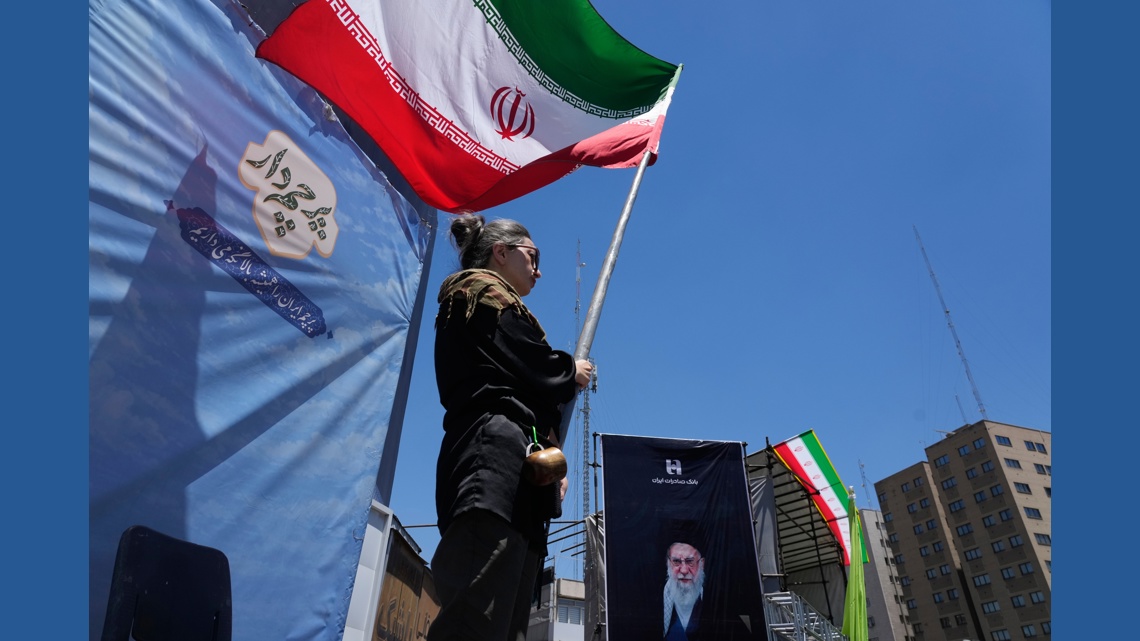
The tentative U.S.-Iran peace agreement scheduled for Friday signing in Geneva represents a critical geopolitical inflection point with substantial implications for cross-border e-commerce sellers, particularly those managing supply chains through Middle Eastern shipping corridors. The agreement's core provision—immediate opening of the Strait of Hormuz and lifting of blockades—directly impacts approximately 21% of global maritime oil trade and affects shipping costs for sellers importing electronics, apparel, and consumer goods from Asia-Pacific manufacturers. According to the news reports, Brent crude oil has already fallen below $81 per barrel in anticipation of the deal, with European stock indices climbing 0.5%, signaling market confidence in reduced geopolitical risk premiums on shipping and energy costs.
Supply Chain Cost Implications: The Strait of Hormuz reopening could reduce shipping costs by 8-15% for sellers utilizing standard container routes from Vietnam, India, and China to North America and Europe. Current shipping rates reflect a 3-5% geopolitical risk premium due to regional tensions; normalization would compress these margins. For sellers shipping 500+ containers monthly (typical for mid-sized Amazon FBA operations), this translates to $40,000-$80,000 annual savings. However, the agreement's fragility—neither the U.S. nor Iranian governments have publicly released the full text, and Israeli National Security Minister Ben-Gvir stated "Trump's agreement does not bind us"—creates implementation uncertainty. Sellers should monitor the 60-day negotiation window (per senior U.S. officials' timeline) before committing to long-term logistics contracts.
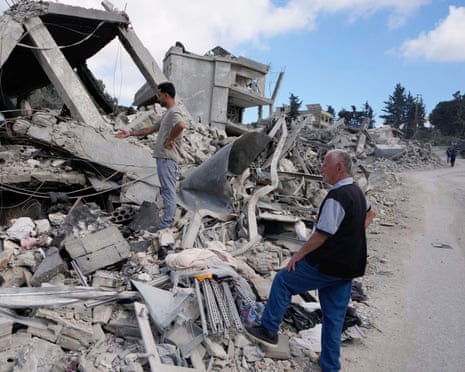
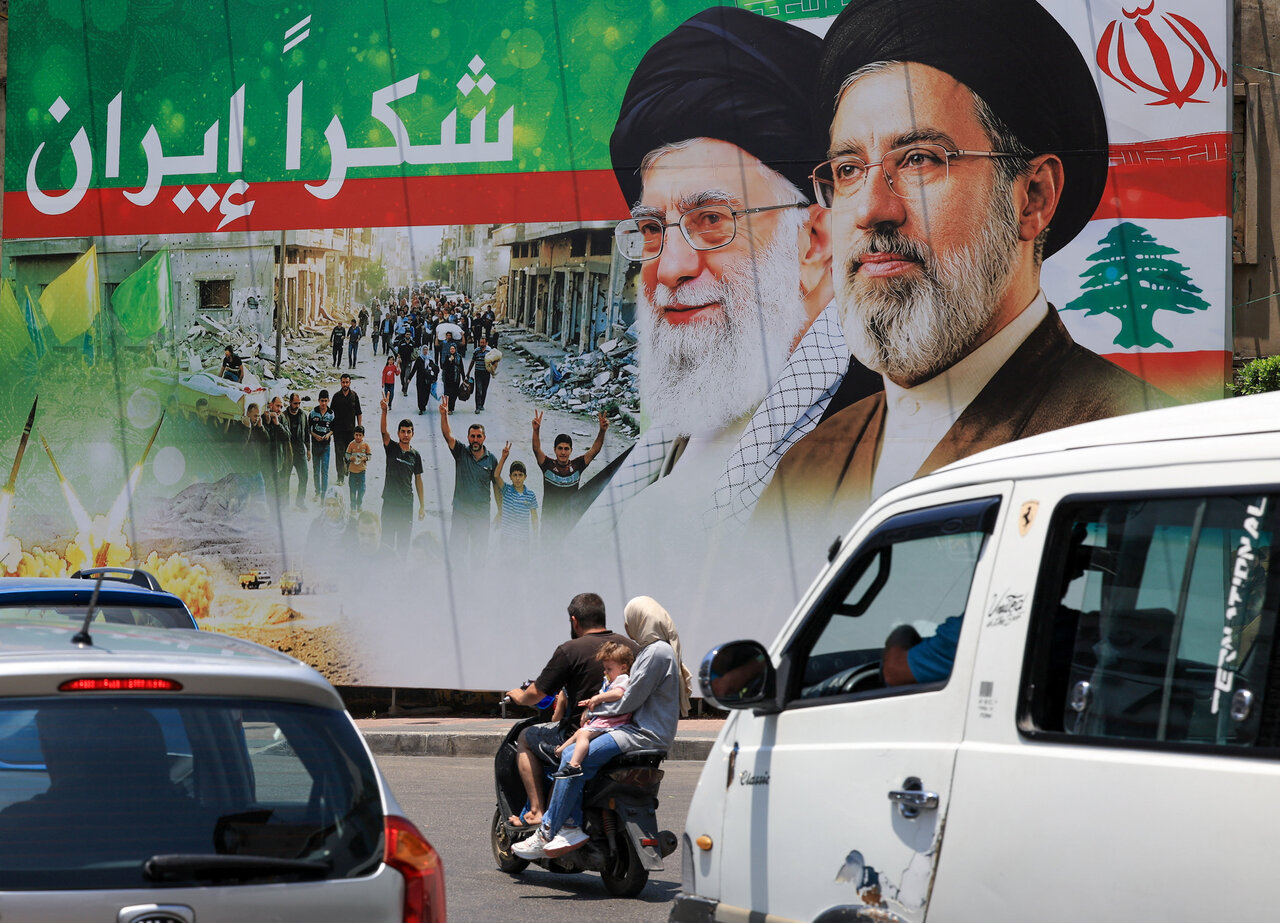
Market Access & Reconstruction Opportunities: The accord includes a $300 billion reconstruction fund contingent on Tehran meeting benchmarks, creating emerging market opportunities in consumer goods, building materials, and industrial equipment categories. Lebanon's post-conflict reconstruction will likely drive demand for home furnishings, electronics, and appliances—categories where cross-border sellers have competitive advantages. However, the unresolved Israeli withdrawal question (Netanyahu stated Israel would remain "as long as necessary," contradicting Iran's demands) threatens deal viability. Sellers should treat this as a 3-6 month opportunity window rather than permanent market access, given the contentious implementation details and potential for agreement collapse if Israeli forces don't withdraw.
Energy Price Volatility & Logistics Planning: The agreement's success hinges on resolving the Lebanon military standoff and nuclear negotiations within 60 days. If negotiations fail, energy prices could spike 15-25%, increasing shipping costs by $200-400 per container. Sellers should implement hedging strategies: lock in shipping rates for Q1 2025 shipments now, diversify sourcing away from single Asian suppliers, and consider 3PL providers with flexible capacity agreements. The $24 billion in frozen Iranian assets (with half available before final negotiations) could accelerate Iranian consumer spending on imported goods, creating a secondary market opportunity if sanctions relief proceeds.
Questions 8
Which product categories benefit most from Middle East reconstruction opportunities?
The agreement includes a $300 billion reconstruction fund for Lebanon contingent on Tehran meeting benchmarks, creating demand spikes in home furnishings, electronics, appliances, and building materials. These categories typically see 20-40% demand increases in post-conflict reconstruction periods. However, the news reports indicate significant disagreements persist on implementation details, and the unresolved Israeli withdrawal question threatens deal viability. Sellers should treat this as a 3-6 month opportunity window rather than permanent market access. Focus on inventory planning for Q1-Q2 2025 if the deal holds, but avoid long-term commitments until the 60-day negotiation period concludes.
What is the timeline for shipping cost improvements if the Iran deal is finalized?
The agreement includes a 60-day negotiation window on Iran's nuclear program and sanctions relief, with a ceremonial signing scheduled for Friday in Geneva. Senior U.S. officials indicate that immediate opening of the Strait of Hormuz would occur upon agreement signing, but full implementation depends on resolving the unresolved Israeli withdrawal from Lebanon—a non-negotiable condition for Iran. Sellers should expect shipping cost reductions within 2-4 weeks of deal finalization if the agreement holds, but should prepare contingency plans for a 15-25% energy price spike if negotiations collapse. Monitor the 60-day window closely and adjust logistics contracts accordingly.