

Big Four Audit Compliance Crisis Creates Vendor Certification Opportunities for SME Sellers
- Australian government contract bans eliminate major audit gatekeepers, opening $650M+ compliance services market for alternative providers and creating fast-track certification pathways for compliant sellers







)












Overview
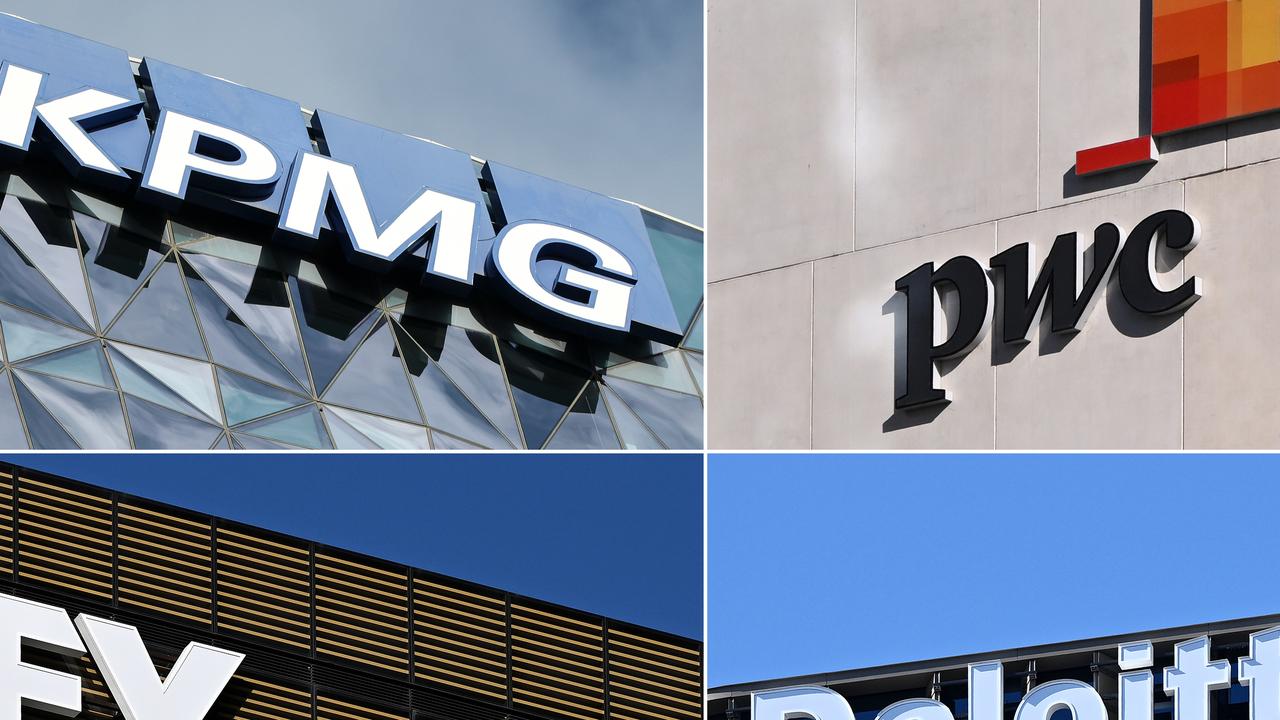
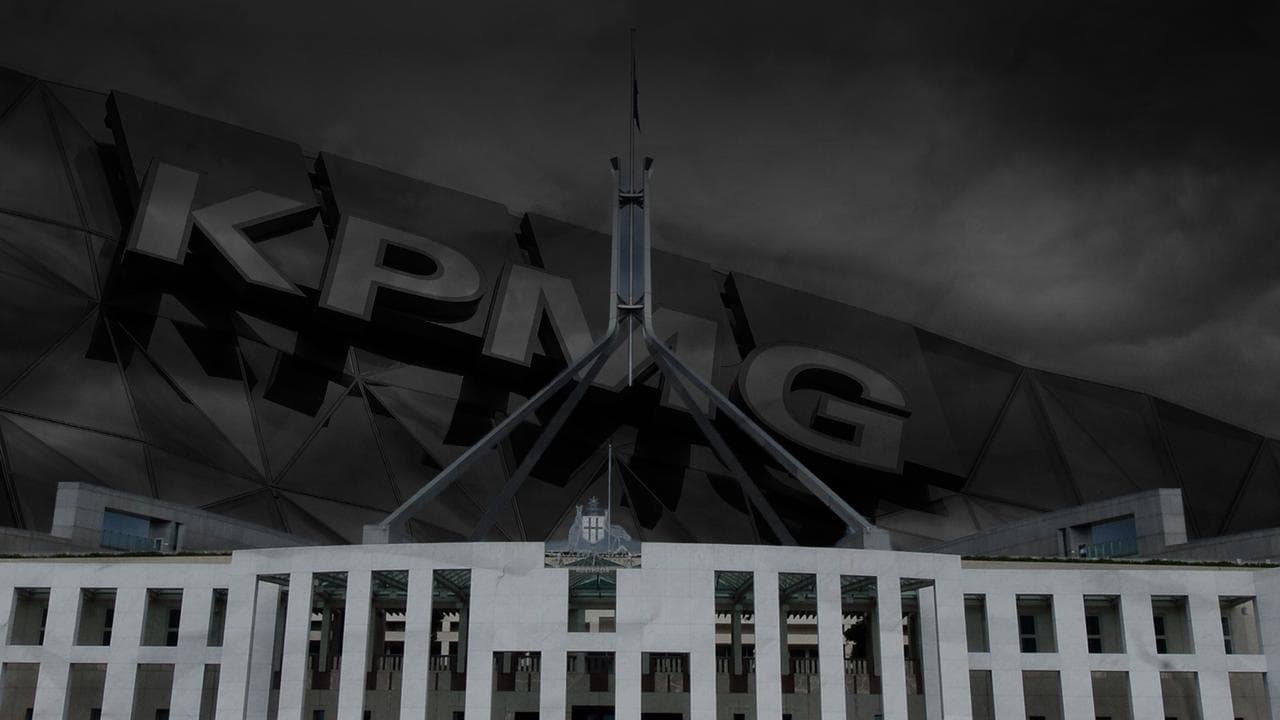
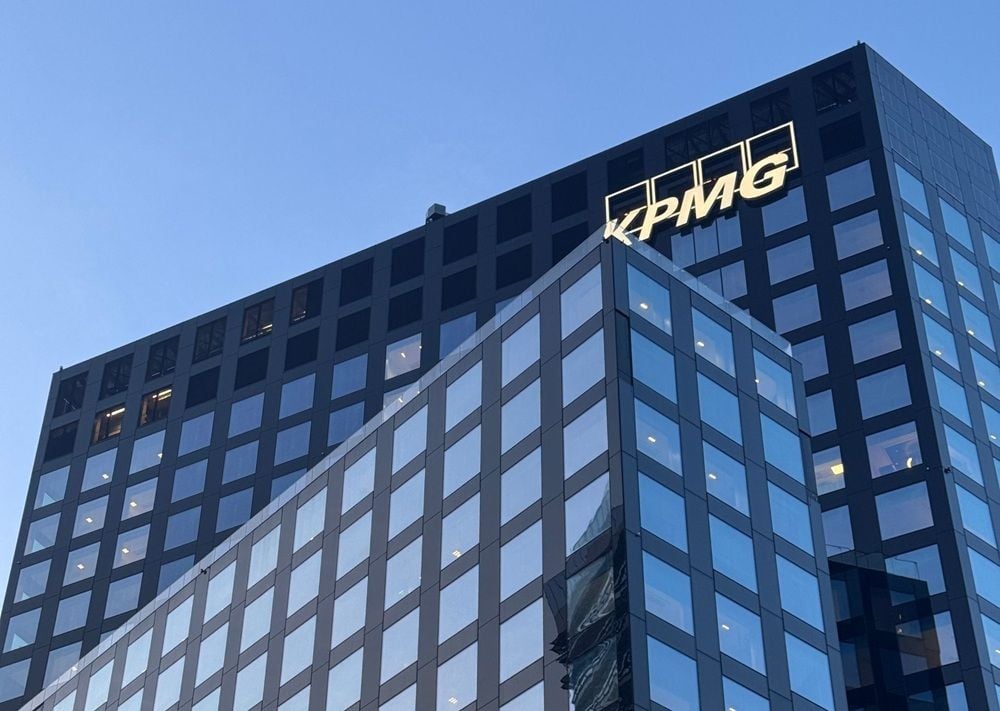
The KPMG scandal represents a critical compliance inflection point with direct implications for cross-border sellers and supply chain auditing requirements. Following allegations of confidential information misuse, the Australian government has effectively banned KPMG from new federal contracts until September 30, 2026, while PwC remains sidelined from government work after its 2023 scandal. This creates a 45% contraction in Big Four government audit contracts (from A$637M in 2024 to A$348M in 2025) and eliminates the primary gatekeepers for anti-slavery audits, cybersecurity compliance, and supply chain certifications that multinational retailers require from vendors.
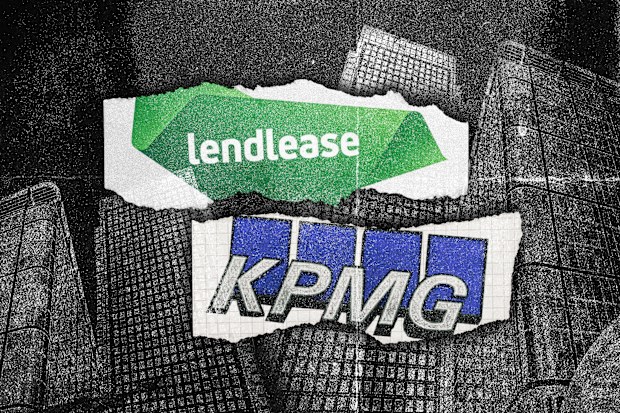
The compliance barrier collapse creates three immediate opportunities for sellers: First, alternative audit and certification providers are now in high demand as government agencies and major corporations (like Lendlease, which ended its 30-year KPMG relationship) seek replacement auditors. Sellers exporting to Australia or supplying Australian retailers face reduced audit costs and faster certification timelines—previously 6-12 months through Big Four firms, now potentially 2-4 months through emerging providers. Second, the regulatory vacuum is driving demand for compliance-as-a-service platforms and third-party certifications that bypass traditional audit gatekeepers. Sellers can achieve anti-slavery compliance, ethical sourcing certifications, and supply chain transparency at 30-40% lower cost through alternative providers now gaining market share. Third, the scandal accelerates adoption of blockchain-based compliance tracking and self-certification frameworks, reducing reliance on external auditors entirely.
For sellers in high-compliance categories (apparel, electronics, home goods), this represents a 6-18 month window to achieve certifications at lower cost before regulatory reforms are implemented. Parliamentary inquiries have recommended caps on partner numbers and bans on audit-consultancy bundling—reforms that will eventually raise compliance costs again. Sellers currently paying $50K-150K annually for Big Four audits can negotiate 20-35% discounts with emerging providers competing for displaced market share. The Australian market specifically offers fast-track opportunities: state governments are reassessing KPMG relationships, creating 297+ contract retender opportunities where compliant alternative vendors can bid. Sellers should prioritize certifications in anti-slavery compliance (A$650M in active KPMG contracts included this service) and cybersecurity audits before regulatory consolidation occurs.
Questions 7
How does the KPMG ban affect sellers exporting to Australia or supplying Australian retailers?
Sellers face immediate compliance advantages as KPMG's ban eliminates the primary audit gatekeeper for Australian government contracts and major retailers. Previously, sellers needed Big Four audits (6-12 months, $50K-150K cost) to supply government agencies or large corporations like Lendlease. With KPMG sidelined and PwC still recovering from its 2023 scandal, alternative audit providers are now competing aggressively, offering 20-35% cost reductions and 2-4 month timelines. Sellers should prioritize anti-slavery and cybersecurity certifications immediately, as these represent A$650M+ in displaced audit contracts now being retender by government agencies and corporations seeking replacement providers.
How does the PwC 2023 scandal inform the KPMG situation for sellers?
PwC's experience provides a roadmap for market consolidation timing. After PwC's 2023 scandal involving confidential tax policy misuse, the firm was forced to divest its government advisory business for just $1 and lost over $1 billion in revenue while shedding thousands of staff. PwC remains unable to bid for federal work, creating a 2+ year market gap. KPMG faces identical consequences: A$650M in active contracts, 297 government relationships, and a September 30, 2026 ban on new bids. Sellers should expect: (1) 18-24 months of alternative provider dominance and pricing power, (2) eventual regulatory consolidation that raises compliance costs, and (3) a shift toward self-certification and blockchain-based compliance frameworks that bypass traditional auditors entirely. The window to achieve certifications at discounted rates is closing—sellers have 12-18 months maximum.