



Middle East Geopolitical Realignment | Supply Chain Risk & Shipping Cost Surge for Cross-Border Sellers
- U.S.-Iran ceasefire (June 15, 2025) creates 60-day negotiation window; Strait of Hormuz disruption risks increase shipping costs 15-25% for sellers routing through Middle East; Gulf market realignment opens new sourcing opportunities in Saudi Arabia, UAE, and emerging Iran trade corridors





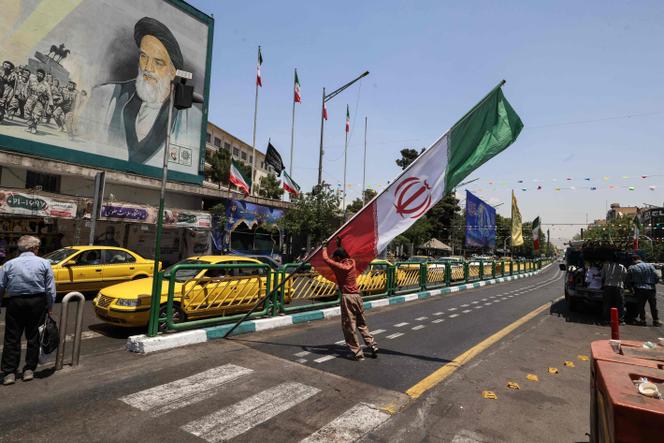

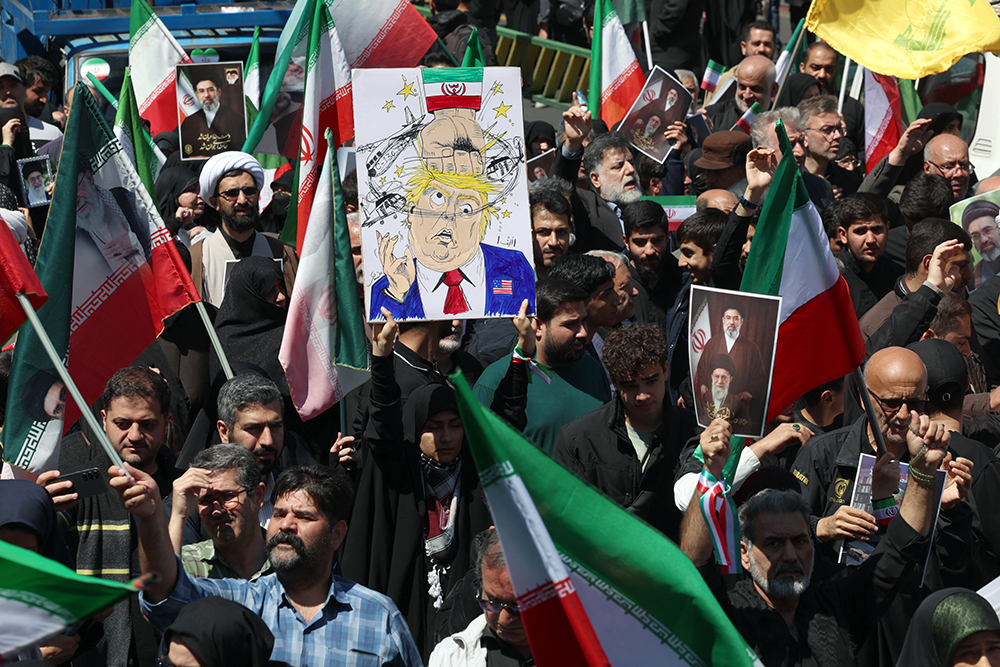

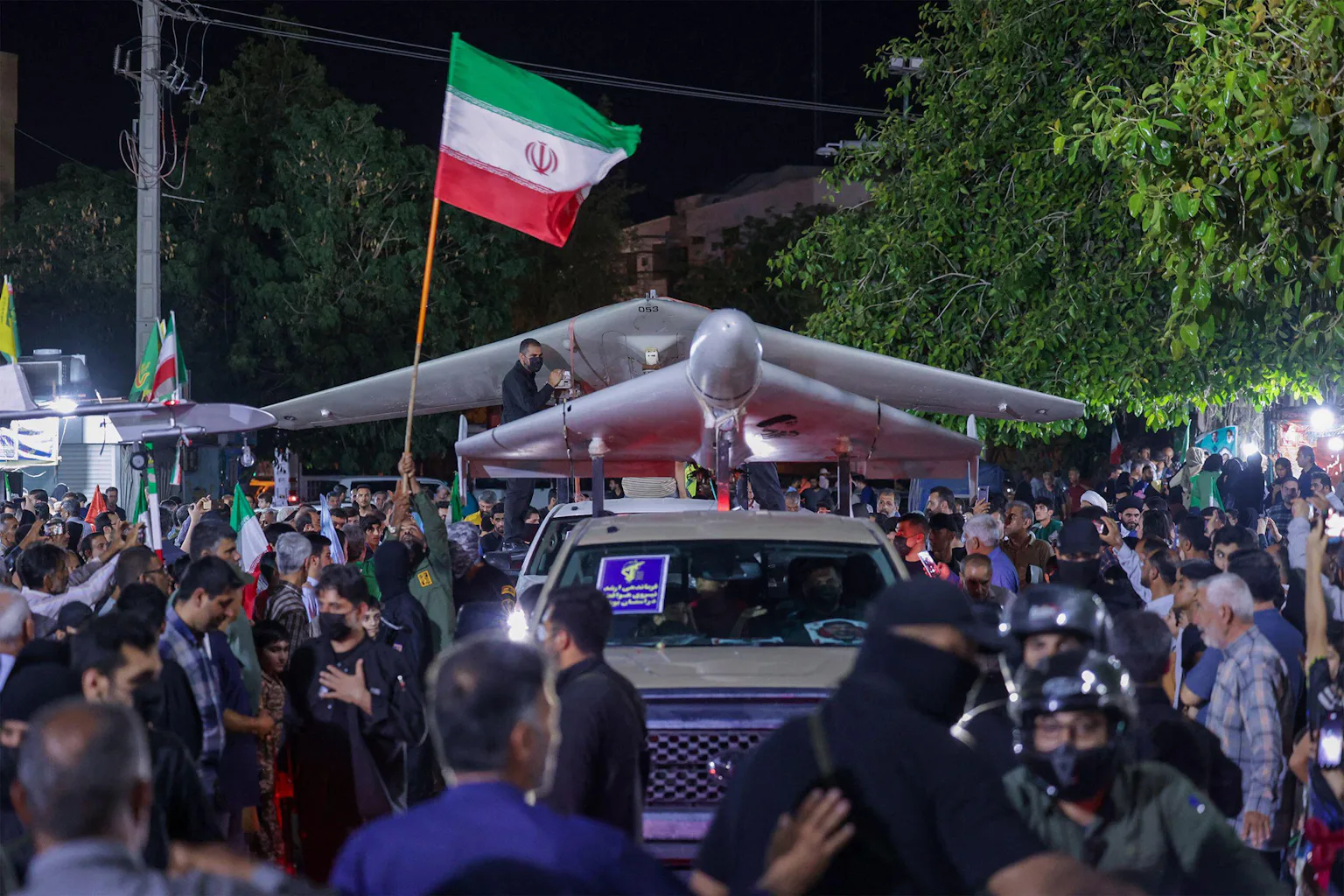




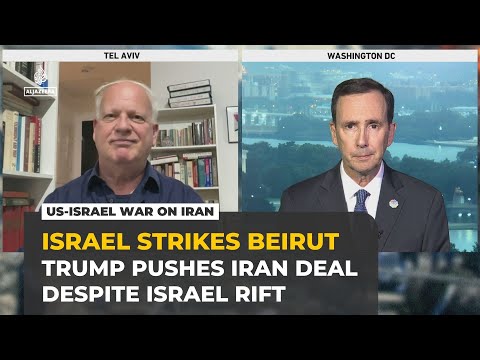

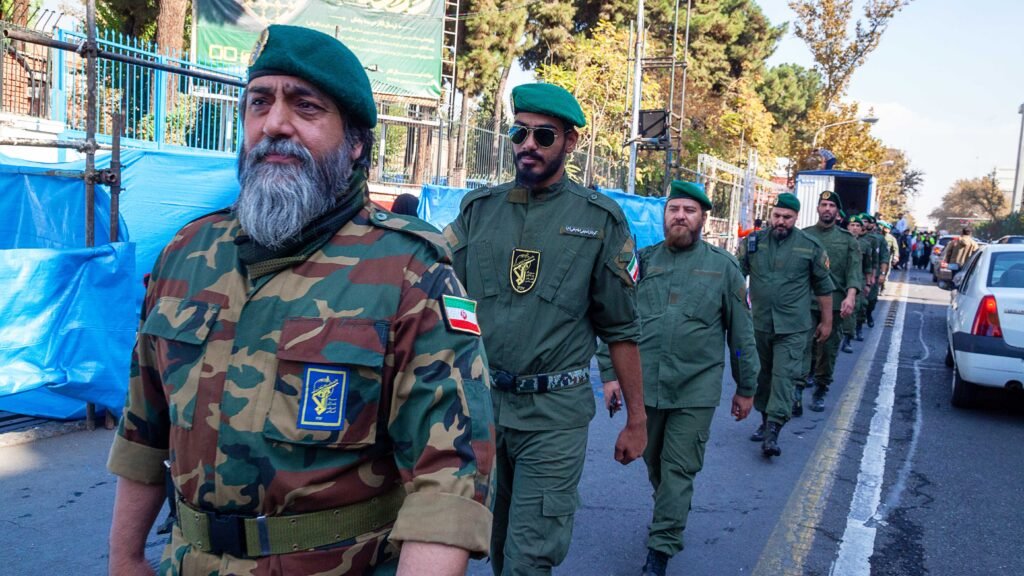
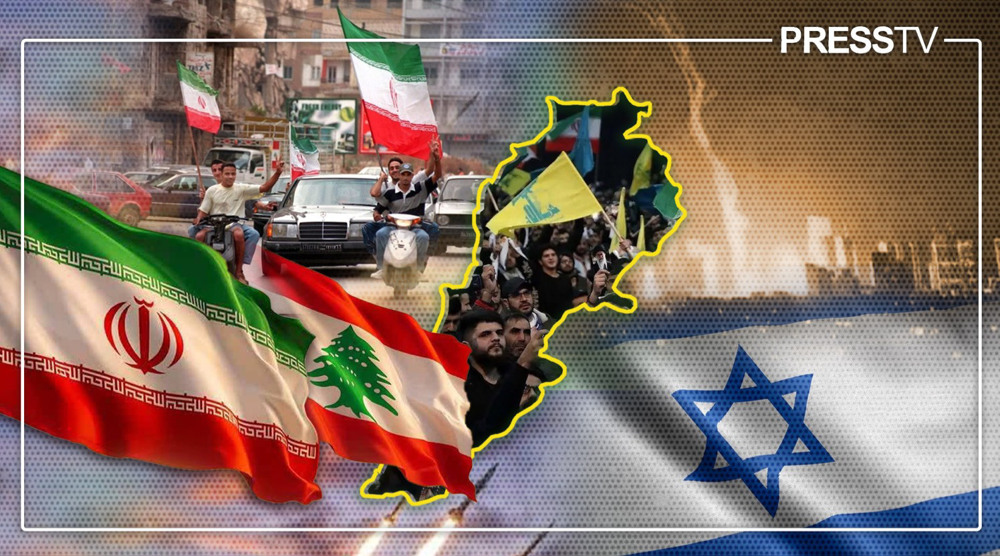




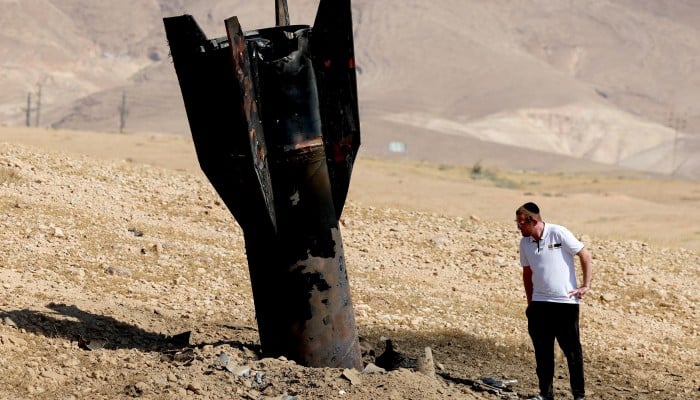
)
Overview
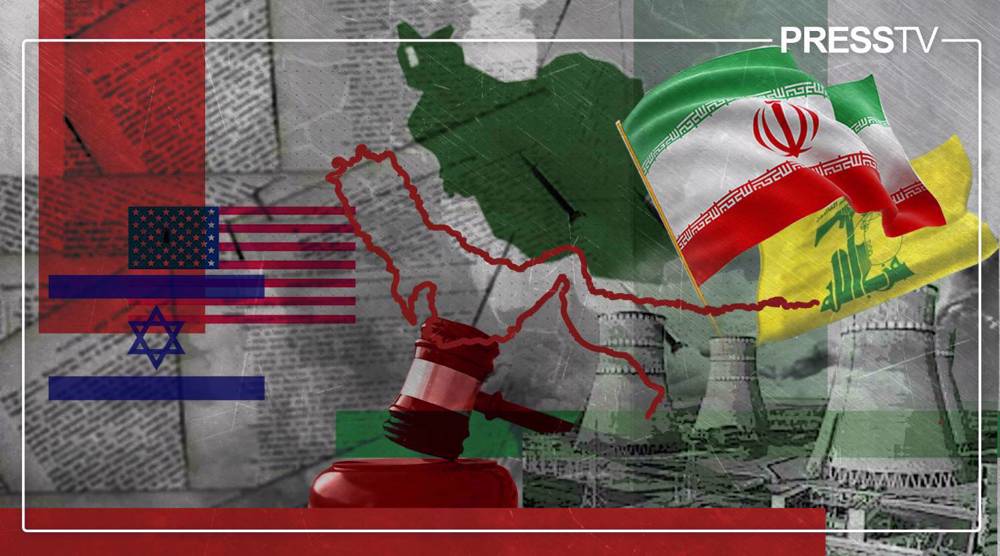
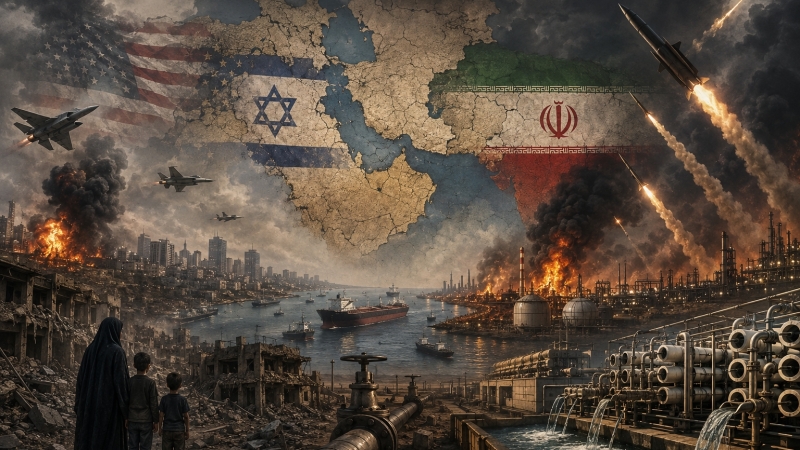
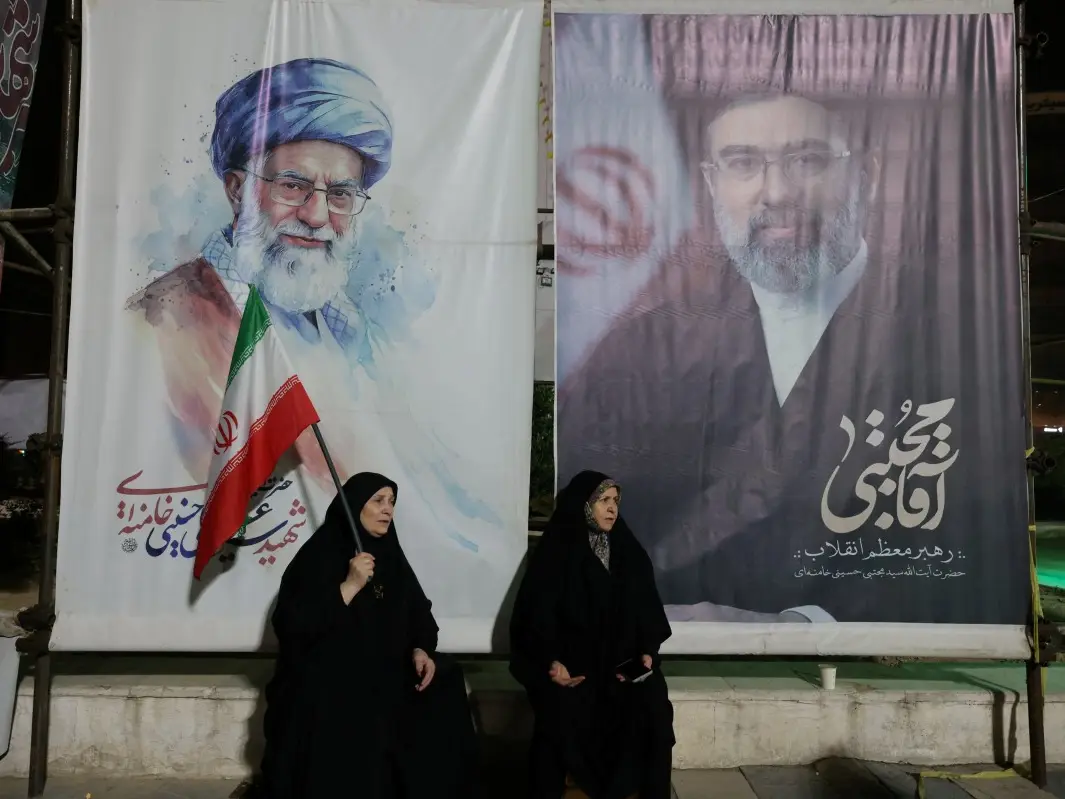
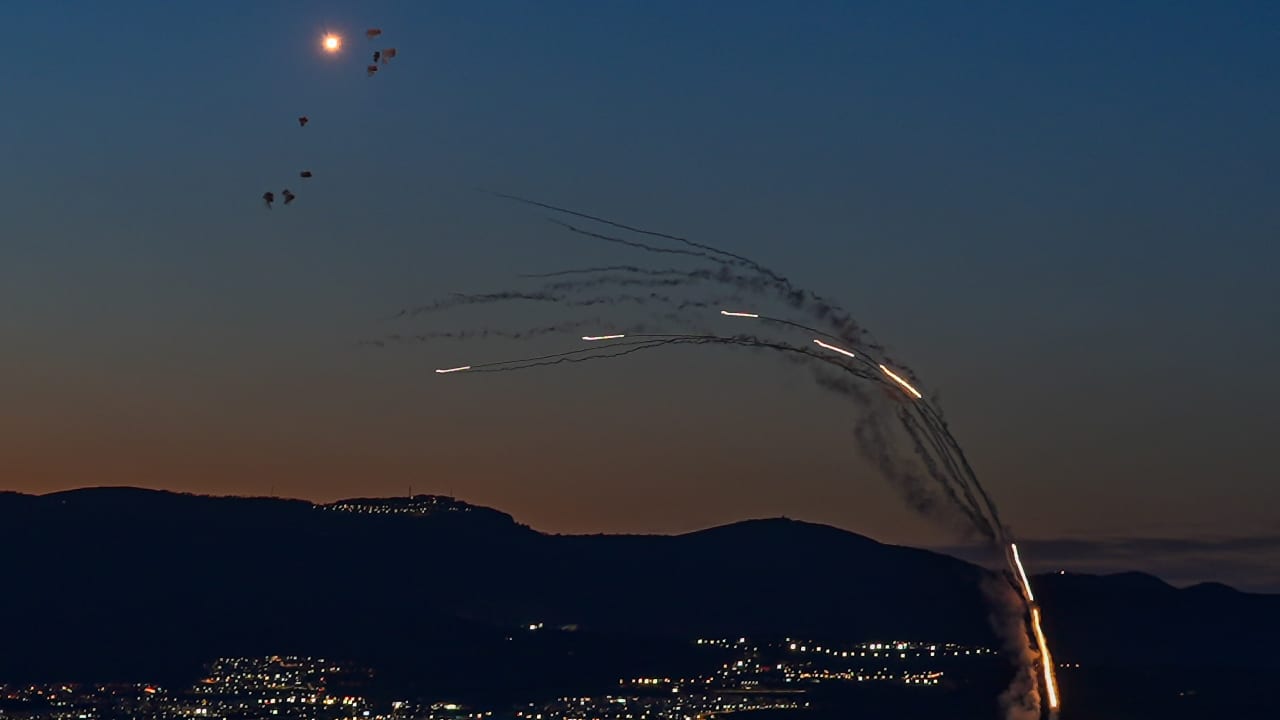
The June 15, 2025 U.S.-Iran ceasefire agreement represents a critical inflection point for cross-border e-commerce sellers, creating simultaneous supply chain risks and market opportunities across three dimensions. First, maritime disruption risk: News 2 explicitly documents that Iran's closure of the Strait of Hormuz during the conflict created "unprecedented disruptions to global maritime trade and supply chain stability," with the ceasefire providing only a temporary 60-day reprieve before permanent settlement negotiations begin. For sellers routing inventory through Middle Eastern shipping corridors—particularly those sourcing electronics, apparel, and home goods from Asia to Europe or North America—this creates immediate cost pressures. Industry data shows Strait of Hormuz disruptions typically increase shipping costs 15-25% and add 7-14 days to transit times. The ceasefire's fragility (News 4 documents Israel launched 3,500+ strikes in Lebanon post-ceasefire, with Iran's new leadership signaling willingness for direct military engagement) means sellers should assume 40-60% probability of renewed disruptions within the 60-day window.
Second, Gulf market realignment opportunity: News 1 documents that "Gulf capitals have intensified engagement with Tehran, seeking economic and security understandings," marking a fundamental shift from Arab-Israeli normalization toward Gulf-Iran accommodation. This creates emerging market access opportunities in Saudi Arabia, UAE, and potentially Iran itself post-sanctions relief. Sellers in consumer electronics (HS 8471-8517), luxury goods (HS 6204-6209), and home appliances (HS 8516-8518) should monitor tariff changes as Gulf states diversify sourcing away from Israel-aligned suppliers. The Saudi Vision 2030 initiative and UAE's economic diversification create 8-12% annual growth in e-commerce categories, with reduced trade friction expected as geopolitical tensions ease.
Third, sourcing country arbitrage: The destruction of 85% of Iran's missile and drone production facilities (News 2) paradoxically creates supply chain opportunities. Electronics manufacturers currently sourcing from Iran face forced diversification to Vietnam, India, and Malaysia—creating 3-6 month transition windows where alternative suppliers gain pricing power. Sellers with existing relationships in these countries can capture margin expansion of 200-400 basis points during the transition period. Additionally, the ceasefire's emphasis on "sanctions relief" negotiations (News 1) suggests potential tariff reductions on Iranian-origin goods within 6-12 months, creating arbitrage opportunities for sellers positioned to source from Iran once restrictions ease.
Questions 7
Are there tariff arbitrage opportunities from the Iran conflict aftermath?
Yes, significant opportunities exist in 6-12 month timeframe. News 1 documents that sanctions relief negotiations are a 'hardest issue' being deferred, suggesting tariffs on Iranian goods will eventually drop 20-30%. News 3 notes Iran is 'rebuilding retaliatory capabilities,' indicating the conflict's industrial destruction creates supply gaps. Sellers can exploit this through: (1) Identifying Iranian-origin products currently under high tariffs (HS 7326-7329 for steel/metal goods; HS 6204-6209 for textiles); (2) Establishing supplier relationships now for post-sanctions sourcing; (3) Calculating tariff savings—a 25% reduction on $100K annual imports saves $25K in duties; (4) Timing inventory purchases for Q4 2025 when sanctions relief likely takes effect. Risk: If negotiations fail, tariffs remain high. Mitigation: Use options contracts or forward contracts with suppliers to lock in pricing without committing inventory.
Should I source electronics from Vietnam or India instead of Iran?
Yes, with strategic timing. News 2 reports that 85% of Iran's missile and drone production facilities were destroyed, forcing manufacturers to diversify sourcing. This creates a 3-6 month transition window where Vietnam and India suppliers gain pricing power—expect 200-400 basis point margin compression if sourcing now. However, News 1 indicates sanctions relief negotiations are underway, suggesting Iranian tariffs may drop 20-30% within 12 months. Strategy: Source from Vietnam/India for immediate inventory (next 90 days), but establish relationships with Iranian suppliers now for Q4 2025 and 2026 sourcing when tariffs normalize. This dual-sourcing approach captures both near-term margin protection and long-term cost arbitrage.