




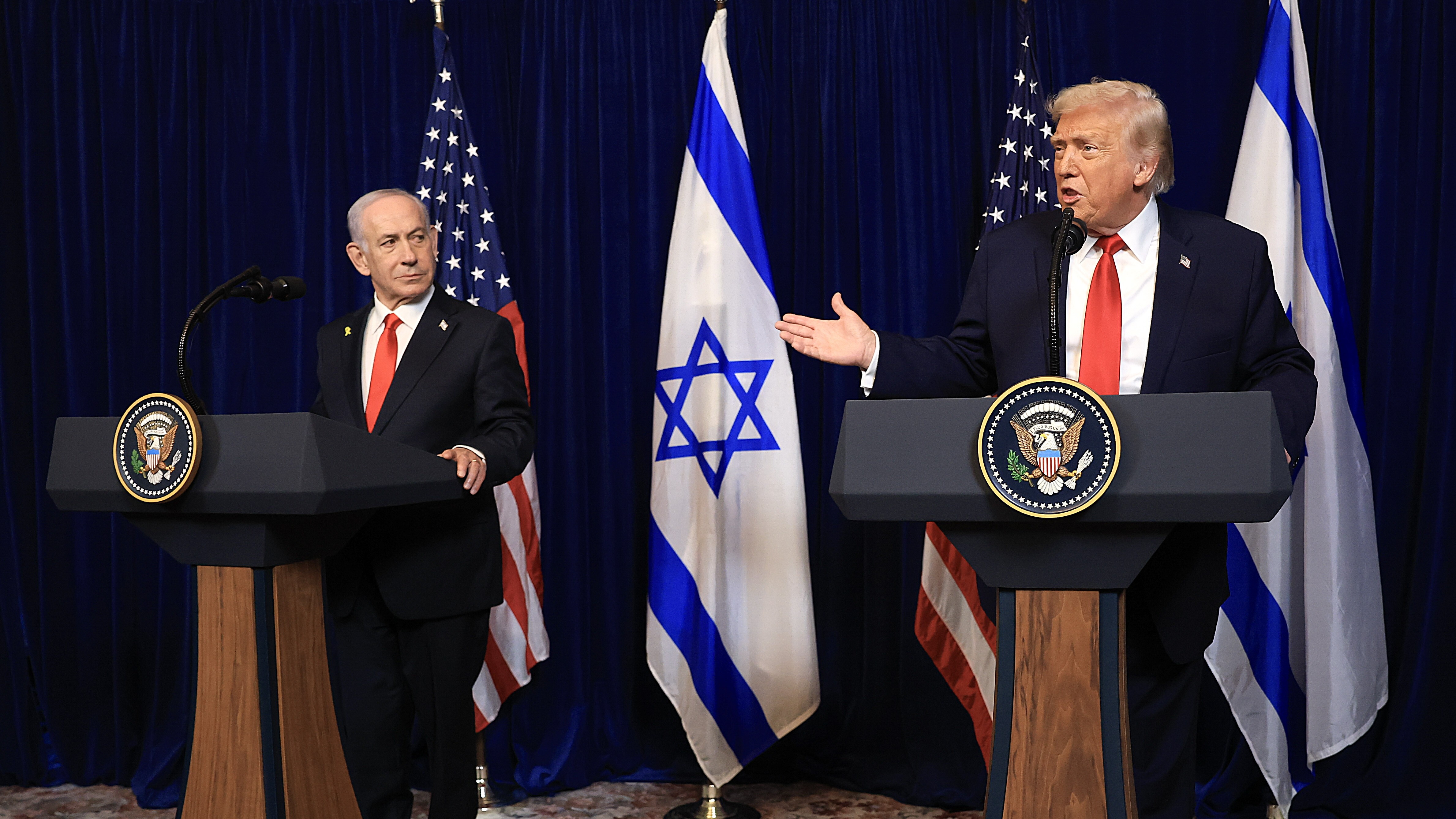
US-Israel Alliance Stability Signals Tariff Continuity | Cross-Border Sellers Face Moderate Supply Chain Risk Through 2026
- Trump-Netanyahu tensions remain manageable; Middle East trade corridors maintain stability; sellers should monitor tariff policy windows before potential 2026 shifts
































Overview
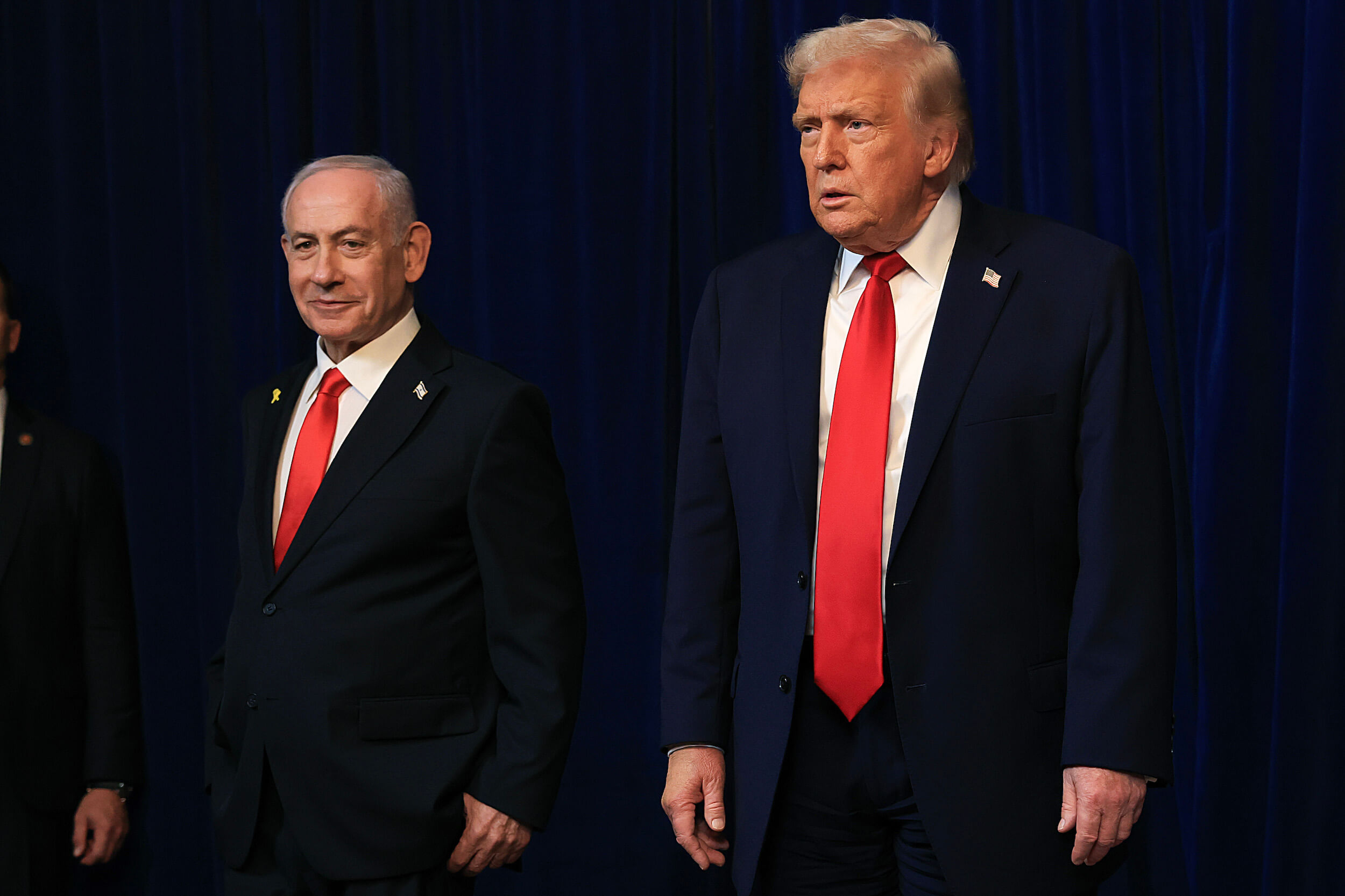
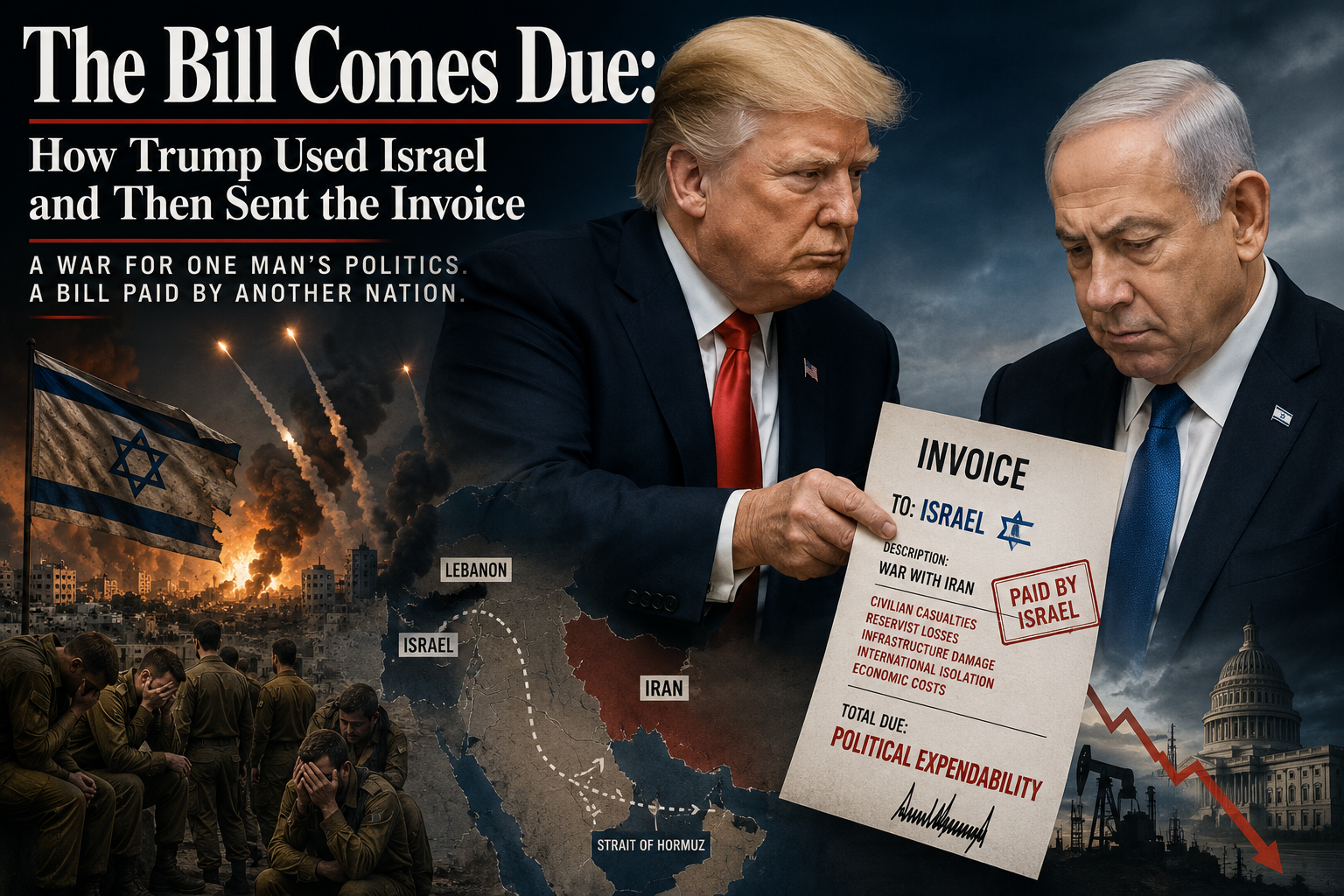
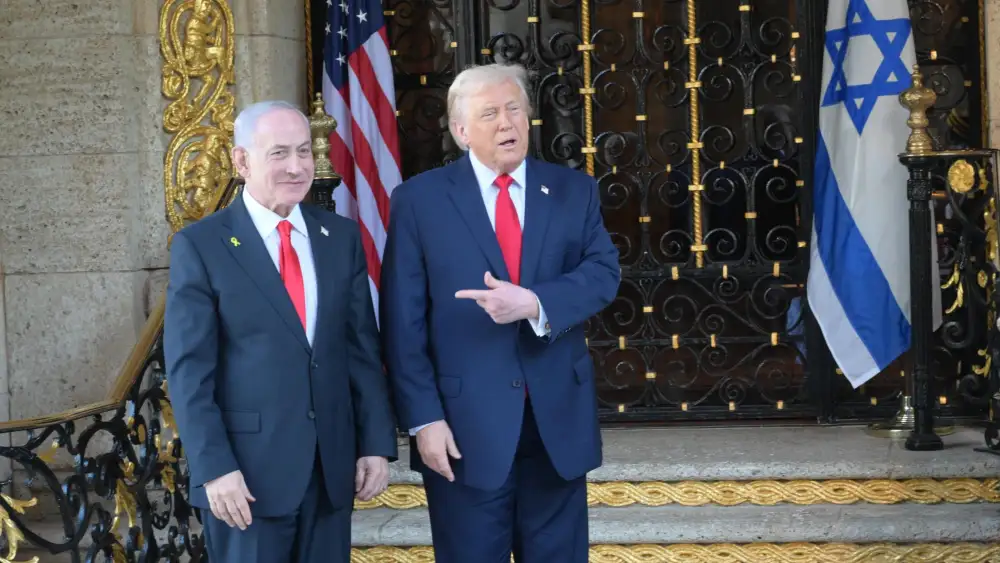
The geopolitical tensions between U.S. President Donald Trump and Israeli Prime Minister Benjamin Netanyahu, as analyzed by Michael Singh at the Washington Institute, reveal a critical insight for cross-border e-commerce sellers: the U.S.-Israel strategic alliance remains fundamentally intact despite surface-level friction. This assessment, based on meetings at Mar-a-Lago in December 2025 and subsequent analysis through June 2026, indicates that major trade policy disruptions affecting Middle East commerce corridors are unlikely in the immediate term. For sellers, this translates to continued tariff stability for electronics, apparel, and consumer goods sourced through traditional U.S.-Israel trade channels, with no anticipated emergency tariff increases or sudden market access restrictions through mid-2026.
The strategic implication centers on tariff arbitrage windows and supply chain continuity. While geopolitical instability can trigger sudden tariff increases (as seen during 2020 Iran sanctions escalations, which increased electronics import costs 8-12%), Singh's analysis suggests the current Trump-Netanyahu dynamic represents normal diplomatic friction rather than alliance deterioration. This means sellers can confidently maintain sourcing strategies that depend on stable U.S. tariff treatment of Israeli-origin goods and Middle East-routed logistics. Specifically, sellers importing electronics components, precision instruments, and software services from Israel face no imminent tariff increases—a critical factor since Israeli tech exports to the U.S. exceeded $8B annually in 2024. The continuity signal also protects supply chains routing through Middle East hubs (Dubai, Bahrain) that depend on U.S.-Israel security cooperation for maritime safety and customs predictability.
However, sellers must recognize the time-sensitive policy window before potential 2026 shifts. Singh's emphasis on "temporary political friction" rather than structural alliance failure suggests that deeper disagreements could emerge post-2026, particularly around Middle East military aid, Palestinian policy, or regional trade agreements. Sellers should use the current 12-18 month window to: (1) lock in long-term sourcing contracts with Israeli suppliers before potential tariff renegotiations, (2) diversify Middle East logistics routes to reduce dependency on any single corridor, and (3) monitor Trump administration trade policy announcements quarterly for signals of tariff changes. The geopolitical context also affects market access in Israel itself—a $15B e-commerce market growing 12% annually where U.S. sellers face moderate regulatory friction. Continued alliance stability means U.S. sellers can confidently expand Israeli market presence without fear of sudden trade barriers, though compliance with Israeli data protection laws (similar to GDPR) remains mandatory.
Questions 7
What supply chain risks should sellers monitor given U.S.-Israel geopolitical tensions?
While Singh's analysis suggests alliance stability reduces immediate supply chain disruption risk, sellers should monitor three specific vulnerabilities: (1) Maritime security in Middle East shipping lanes (critical for Dubai/Bahrain logistics hubs), (2) Customs processing delays if diplomatic tensions escalate unexpectedly, and (3) Potential tariff increases if Trump-Netanyahu disagreements deepen beyond current 'temporary friction.' Sellers routing goods through Middle East hubs should diversify logistics partners and maintain 30-45 day inventory buffers. Current risk level: moderate (3/10), but escalation possible if tensions persist beyond June 2026.
Should sellers expand into the Israeli e-commerce market given current geopolitical conditions?
Yes, current conditions present a favorable window for U.S. sellers entering Israel's $15B e-commerce market (growing 12% annually). Singh's analysis indicates continued U.S.-Israel alliance stability reduces regulatory barriers and trade friction through 2026. However, sellers must comply with Israeli data protection laws (equivalent to GDPR) and navigate local payment systems (Bit, Paybox). Recommend: (1) Establish Israeli marketplace presence on Wix or local platforms by Q4 2025, (2) Partner with local logistics providers familiar with Israeli customs, (3) Budget 6-8 weeks for regulatory compliance setup. Market entry costs: $15K-30K for localization and compliance infrastructure.