




SpaceX IPO Surpasses Amazon Market Cap | Seller Impact on Logistics & Tech Spending
- SpaceX stock jumps 35% in first two days, surpassing Amazon's $2.75T valuation; implications for FBA logistics costs, currency volatility, and tech infrastructure investments for cross-border sellers





Overview
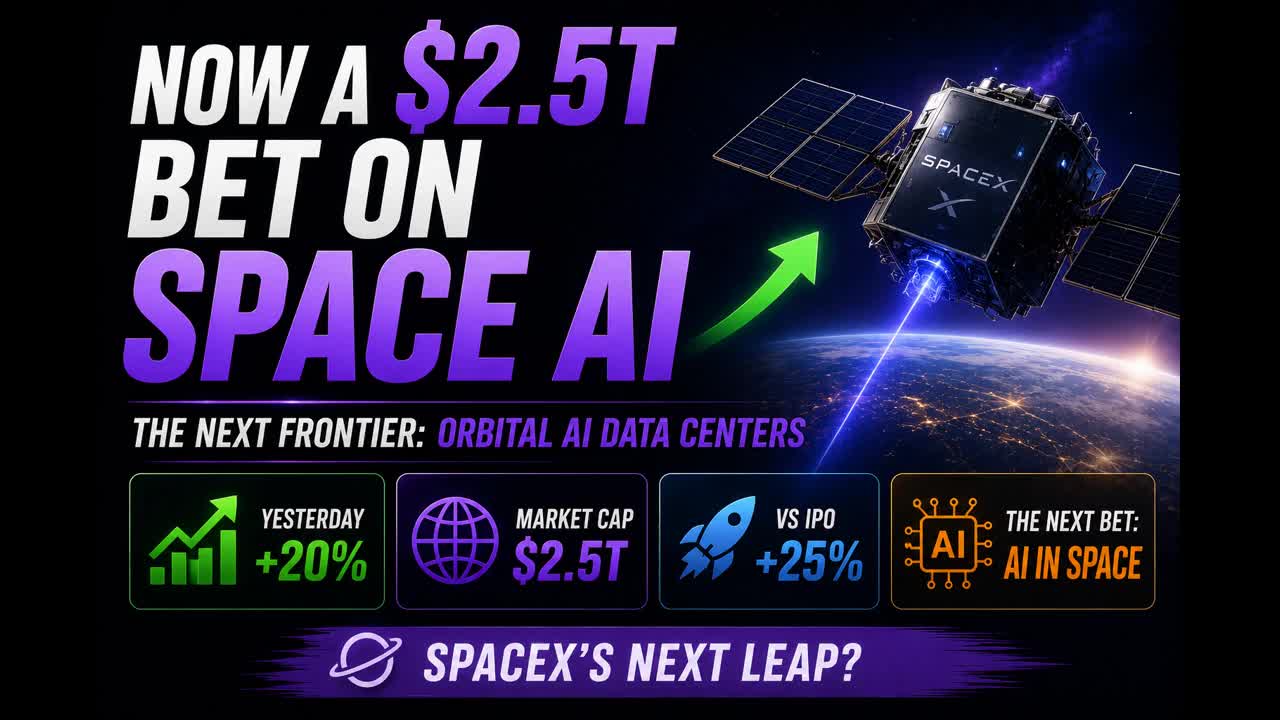
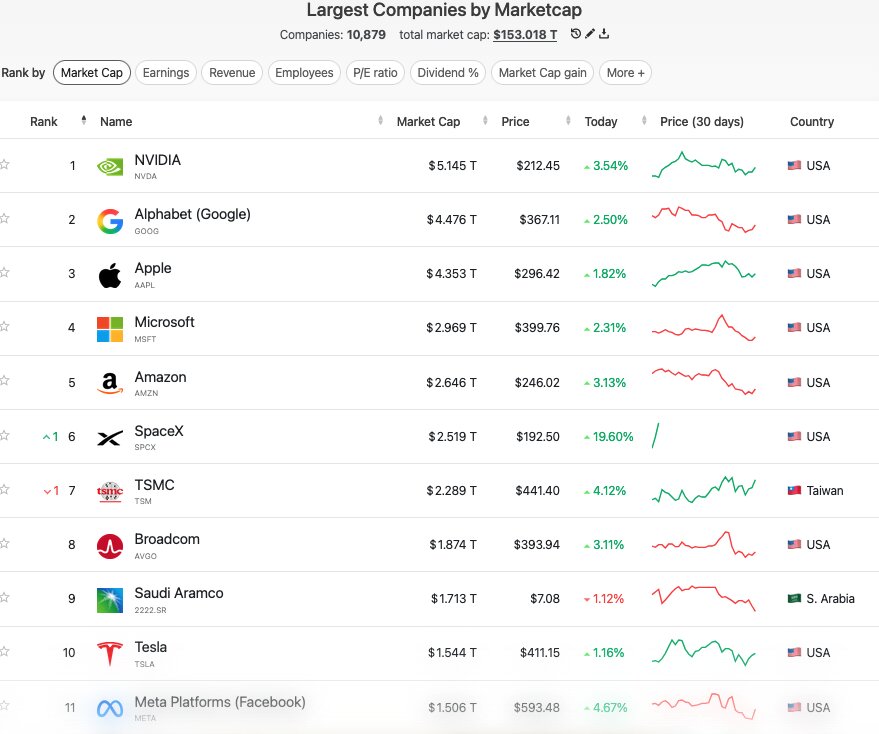
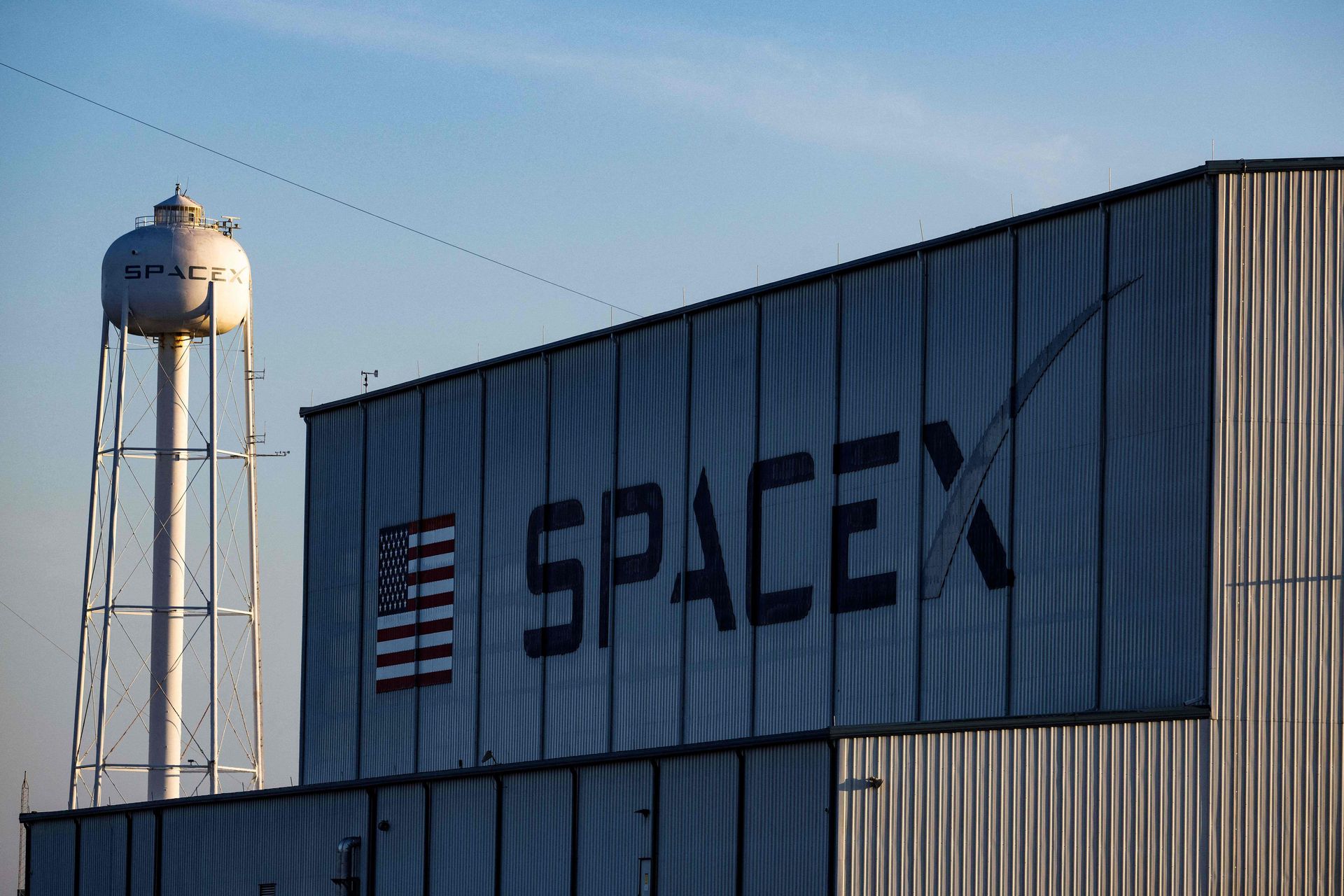
SpaceX's historic IPO debut on Nasdaq (June 2026) marks a watershed moment for tech sector valuations, with direct implications for cross-border e-commerce sellers through multiple channels. The aerospace company's shares surged 35% from the $135 IPO price during the first two trading days, with a 9% premarket gain on June 16 positioning SpaceX to overtake Amazon as the world's most valuable company—a symbolic shift reflecting investor appetite for space economy and AI technologies. This valuation surge ($2.75T+ market cap) signals broader market dynamics affecting seller operations: reduced market volatility (VIX at 16.15), declining oil prices (down 2% to $82/barrel), and shifting capital allocation away from traditional e-commerce infrastructure toward aerospace and AI sectors.
For cross-border sellers, the immediate operational impacts center on three dimensions: First, logistics cost relief: crude oil prices falling below $82/barrel (lowest since geopolitical conflict began) directly reduces shipping costs for FBA sellers and 3PL providers. A 2% oil price decline typically translates to 0.8-1.2% reduction in fuel surcharges on international shipments—meaningful for sellers moving 500+ units monthly across multiple regions. Second, currency volatility and capital flows: SpaceX's $60 billion acquisition of Cursor AI (an AI-coding startup) signals institutional capital rotation toward emerging tech, potentially reducing investment in traditional e-commerce infrastructure. This creates both risk (reduced Amazon logistics innovation funding) and opportunity (sellers can negotiate better 3PL rates as competition for capital intensifies). Third, consumer spending patterns: Market sentiment remains cautious pending U.S.-Iran memorandum clarification (expected Friday), while central banks globally tighten policy (Japan's BOJ raised rates 0.25% to highest since 1995). These macroeconomic headwinds typically compress consumer discretionary spending by 3-8% in the following quarter, particularly affecting electronics, apparel, and home goods categories.
Strategic implications for seller segments vary by scale and geography. Large sellers (1000+ monthly units) should monitor oil price trends closely—a sustained drop below $80/barrel could reduce FBA fulfillment costs by $150-300/month per fulfillment center. Mid-tier sellers (100-500 units) face currency headwinds: JPY strengthening against USD (BOJ rate hike) increases costs for sellers sourcing from Japan; conversely, sellers with EUR exposure benefit from dollar strength. Small sellers (<100 units) should focus on category selection—discretionary categories (electronics, toys, collectibles) face 5-10% demand compression in Q3 2026 based on historical patterns following rate hikes, while essential categories (health, home basics) remain resilient. The SpaceX-Amazon market cap inversion also signals potential strategic shifts: if Amazon diverts capital from logistics innovation to compete in space/satellite internet (Starlink's broadband competes with Amazon's Project Kuiper), sellers may see slower FBA feature rollouts and higher fees to offset R&D costs.
Actionable seller responses require immediate and medium-term adjustments. Immediate (0-30 days): Review current FBA fee structures and 3PL contracts—negotiate rate reductions citing falling oil prices before Q3 rate locks (typically set mid-June). Monitor currency exposure: sellers with >20% revenue from Japan should consider hedging JPY positions or shifting sourcing to USD-denominated suppliers. Medium-term (1-3 months): Evaluate inventory mix—reduce discretionary category exposure by 15-20% and shift capital toward essential/consumable categories (health, home, food) that historically outperform during economic uncertainty. Consider Starlink adoption for remote fulfillment operations if available in your region (currently expanding in rural US/EU)—satellite internet could reduce 3PL facility costs by 10-15% versus traditional broadband. Monitor Amazon's strategic announcements quarterly; if capital allocation shifts toward space ventures, expect FBA fee increases of 5-8% within 12 months to fund innovation elsewhere.
Questions 8
How does SpaceX's IPO and market cap surge affect Amazon FBA shipping costs for sellers?
SpaceX's valuation surge correlates with declining oil prices (down 2% to $82/barrel), which directly reduces fuel surcharges on FBA shipments. Sellers shipping 500+ units monthly can expect 0.8-1.2% reduction in fulfillment costs—approximately $150-300/month savings per fulfillment center. However, if Amazon diverts capital from logistics innovation to compete in satellite internet (Project Kuiper vs Starlink), FBA fees could increase 5-8% within 12 months to offset R&D costs. Monitor Amazon's quarterly earnings calls for capital allocation announcements.
What currency risks should cross-border sellers monitor following Japan's BOJ rate hike?
Japan's Bank of Japan raised its policy rate 0.25% to the highest level since 1995, strengthening JPY against USD. Sellers sourcing from Japan will face 2-4% cost increases on component purchases; conversely, sellers with EUR exposure benefit from dollar strength. Sellers with >20% revenue from Japan should consider hedging JPY positions or shifting sourcing to USD-denominated suppliers within 30 days. Use currency forward contracts through your bank to lock in rates for Q3 2026 purchases.