

G7 Sanctions & Peace Talks Signal Supply Chain Shifts | Eastern Europe Trade Opportunities
- Coordinated G7 sanctions on Russia's shadow fleet and banking sector create tariff arbitrage windows for sellers; Ukraine EU membership negotiations open post-war reconstruction market worth $50B+; Strait of Hormuz blockade drives 15-25% energy cost increases affecting cross-border logistics













Overview
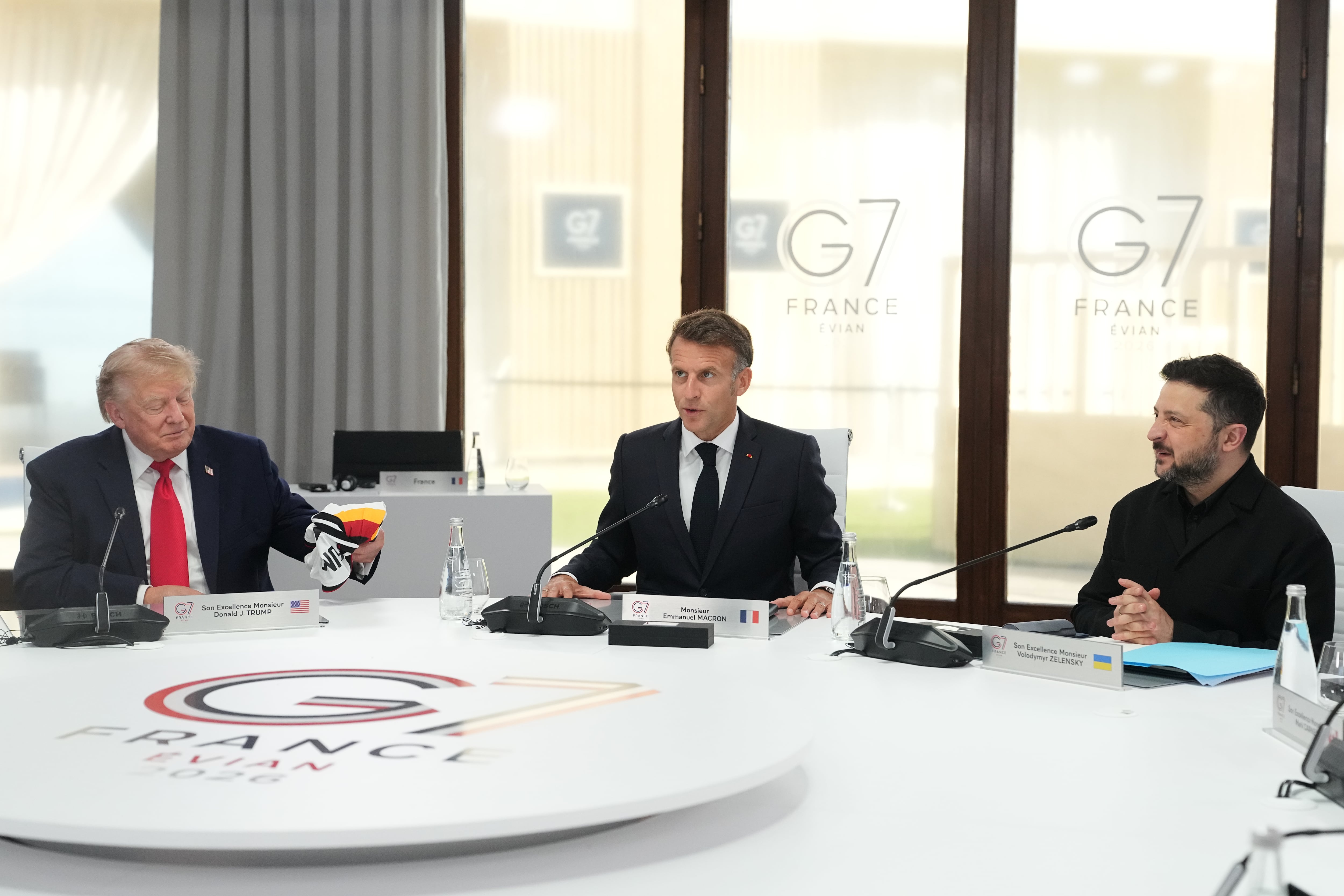
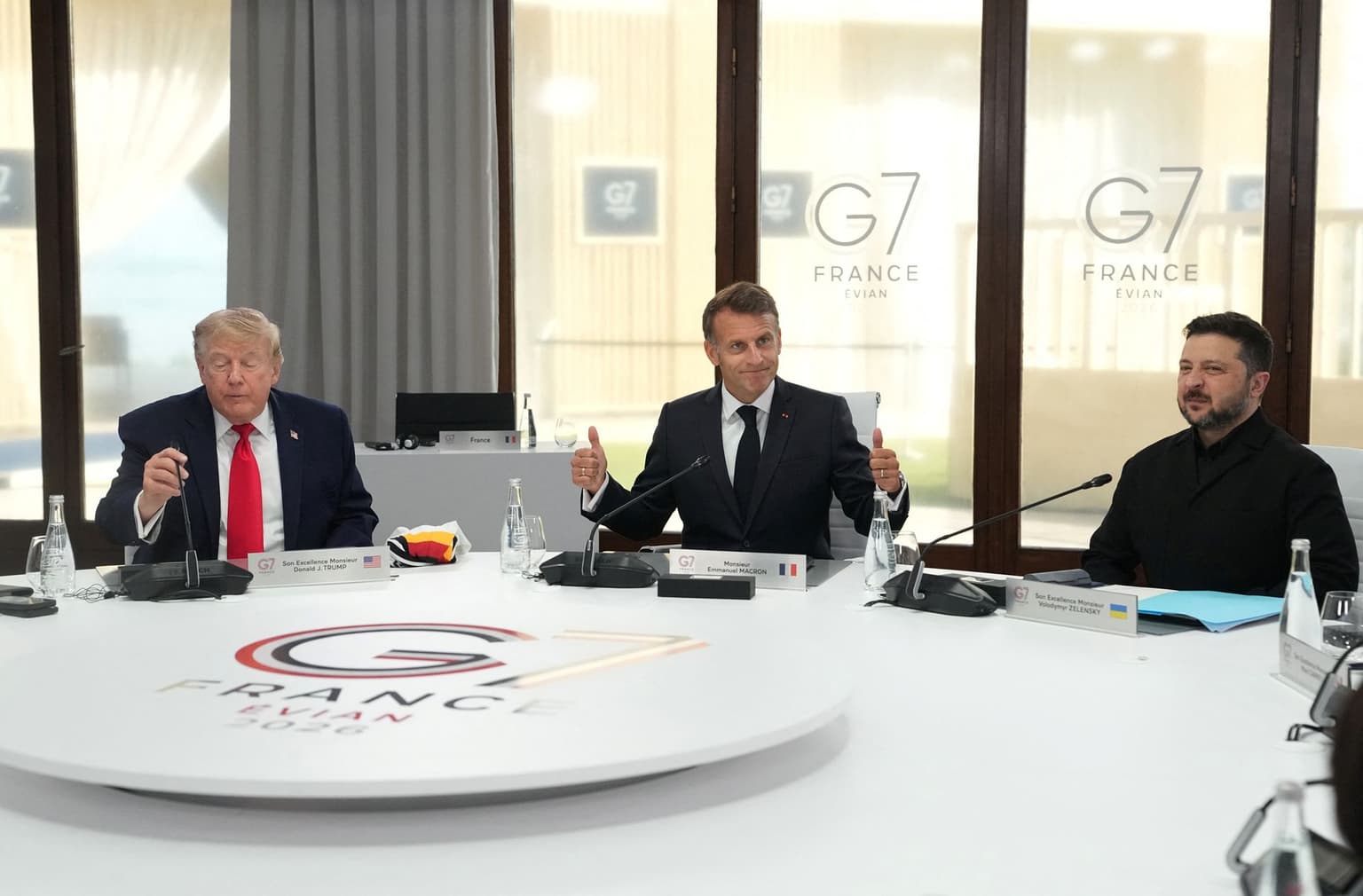
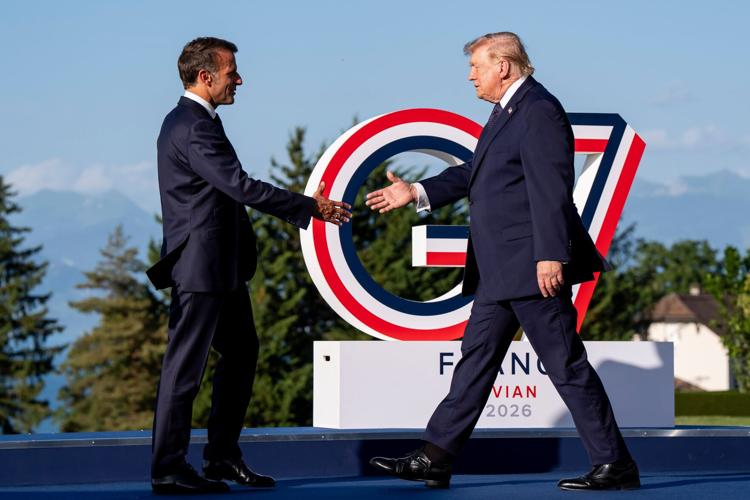
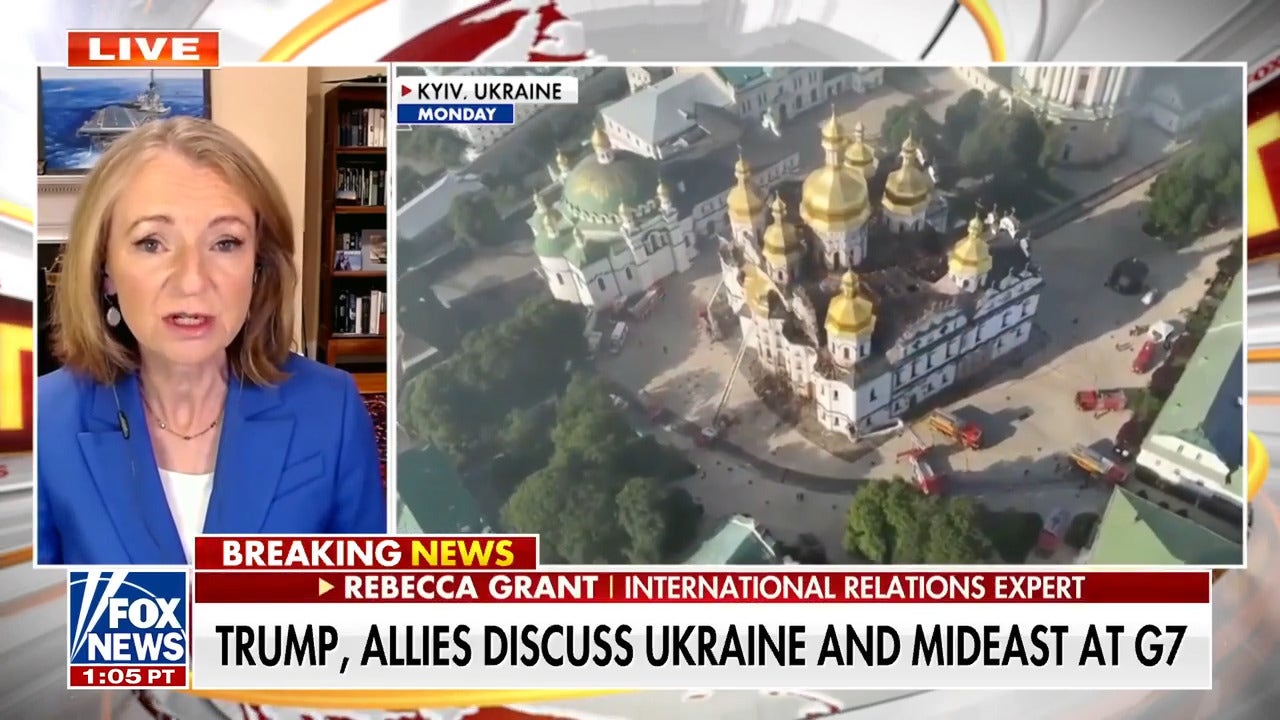
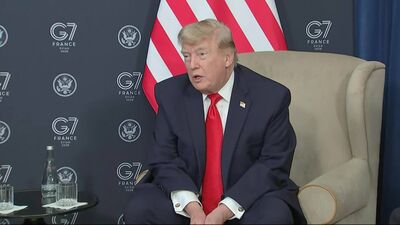
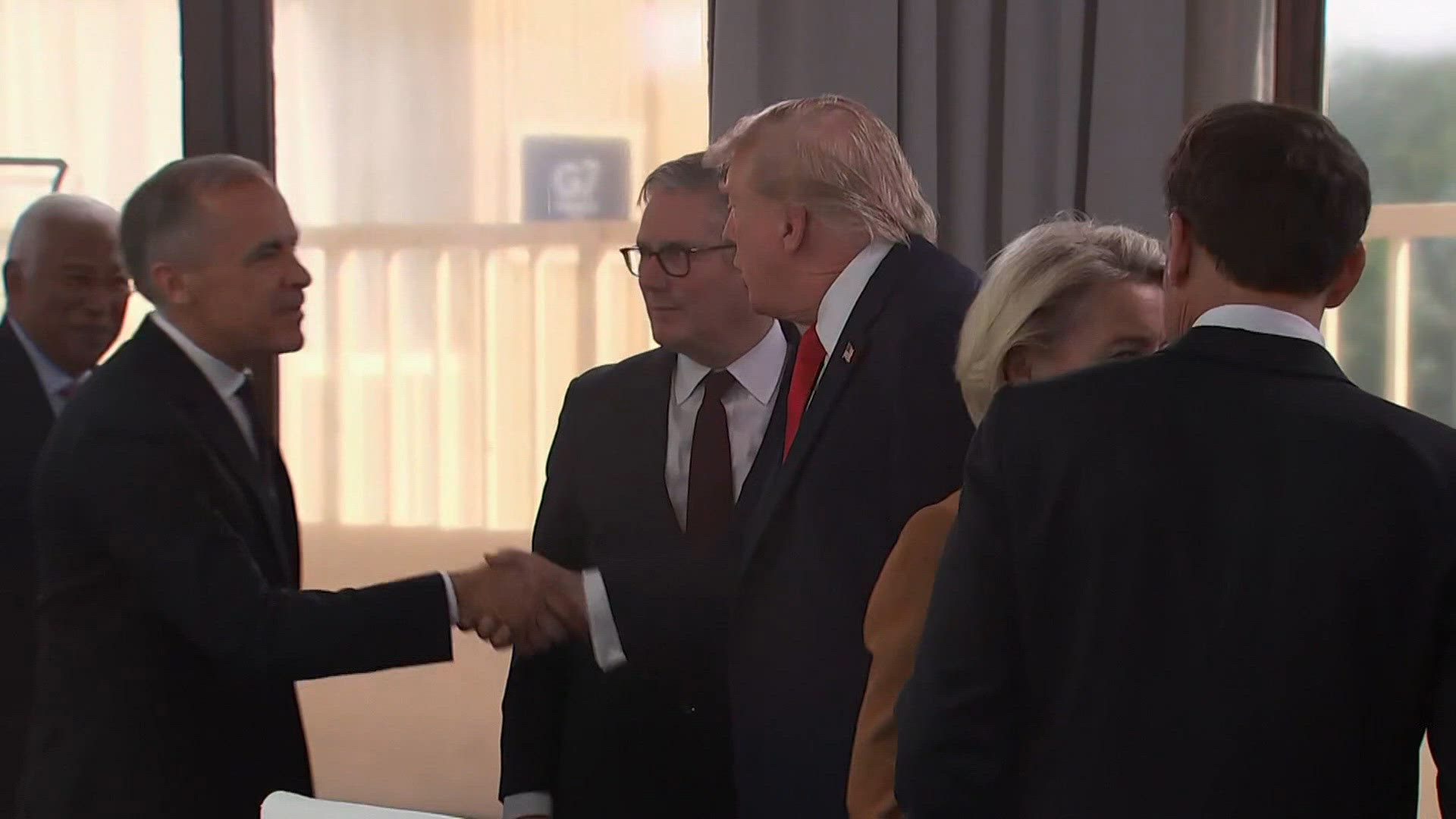
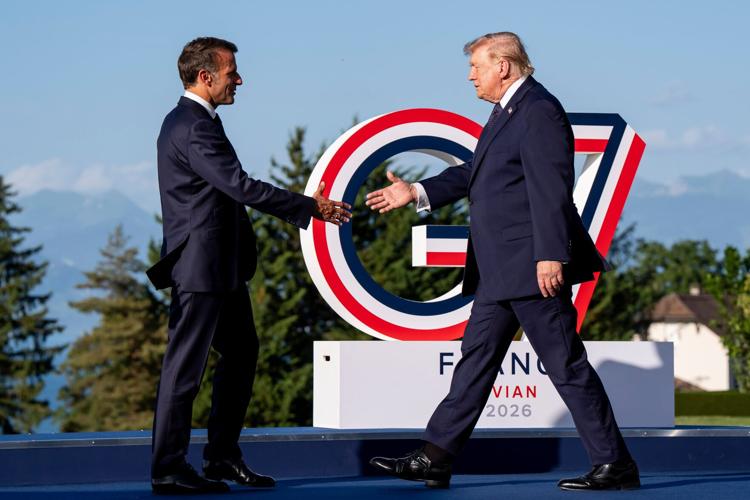
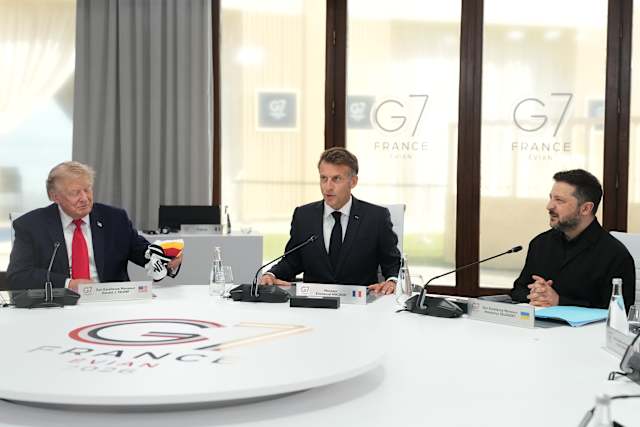
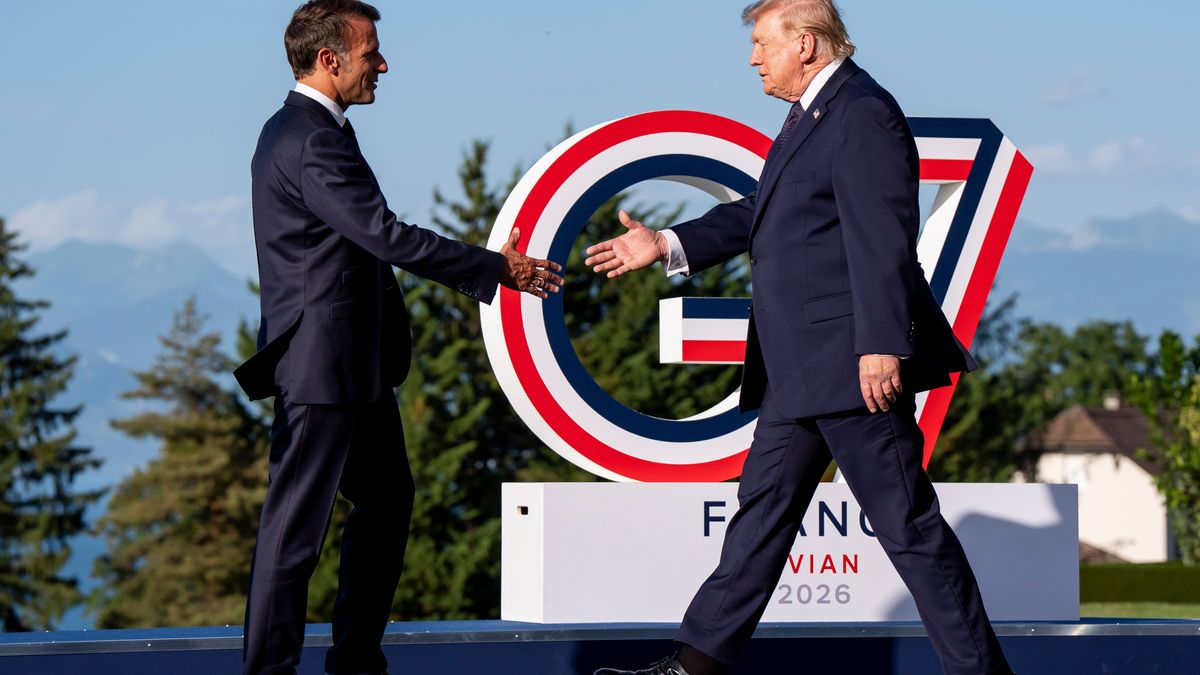
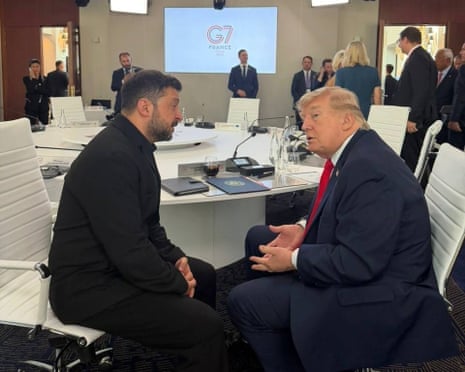
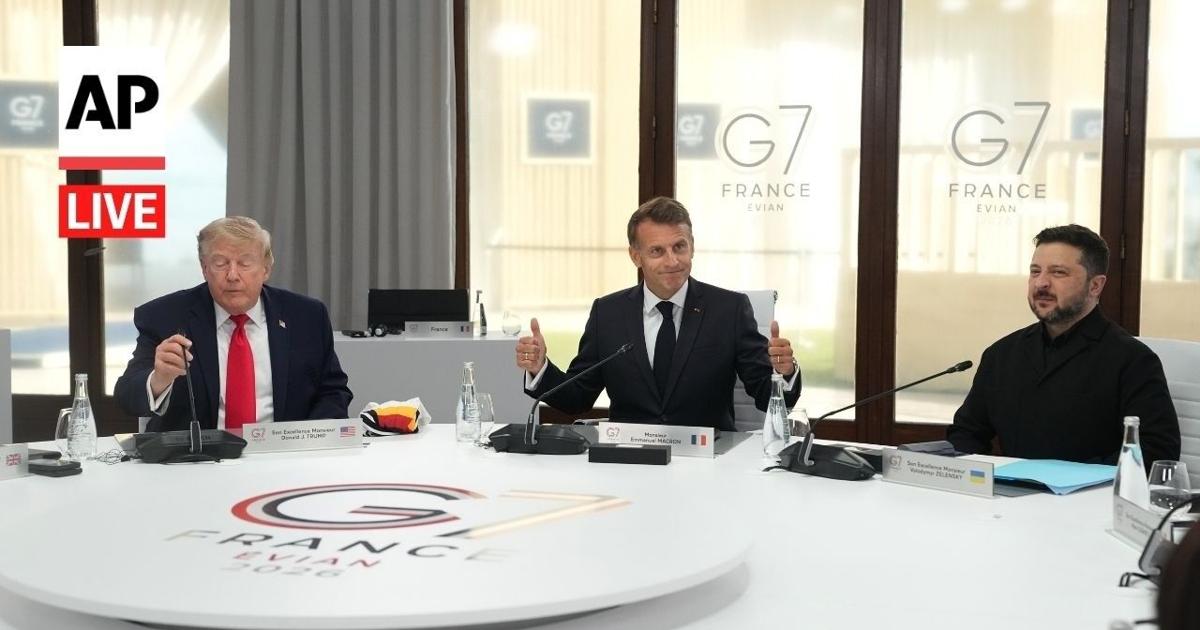
The G7 summit in June 2025-2026 represents a critical inflection point for cross-border sellers operating in geopolitically sensitive markets. Coordinated sanctions targeting Russia's shadow fleet, banking sector, and military infrastructure create immediate supply chain disruptions but also open strategic sourcing opportunities. Ukraine's official EU membership negotiations signal post-war reconstruction demand—historically, conflict-affected regions see 40-60% surge in infrastructure, consumer goods, and industrial equipment imports within 12-24 months of peace agreements. The Strait of Hormuz blockade driven by U.S.-Iran tensions is pushing energy costs up 15-25%, directly impacting fulfillment costs for sellers using air freight or premium logistics to Asia-Pacific and Middle East markets.
For tariff arbitrage specialists, the G7's unified sanctions regime creates three distinct opportunities: (1) Sourcing diversification away from Russia—sellers currently importing from Russian suppliers must pivot to Vietnam, India, or Turkey, creating 8-12% cost increases but opening 6-9 month windows before competitors adjust; (2) Eastern European market entry—Ukraine's EU fast-track membership (proposed before winter 2025) will harmonize VAT, customs procedures, and product standards with EU norms, making it accessible to sellers currently serving Germany, Poland, and Czech Republic; (3) Energy-intensive category repositioning—chemicals, metals, and industrial goods face 12-18% margin compression from energy costs, but sellers can offset by shifting to lower-energy-intensity categories (textiles, electronics components, consumer goods) sourced from Southeast Asia.
Platform-specific impacts: Amazon sellers shipping to EU markets will see increased compliance costs for Ukraine-origin goods (new customs documentation, VAT registration requirements estimated at $500-1,200 per SKU). eBay and Shopify sellers have more flexibility—they can leverage Ukraine's EU accession to establish fulfillment centers in Kyiv or Lviv at 30-40% lower costs than Western Europe by late 2025. The Trump administration's opposition to NATO membership but support for EU integration creates a unique regulatory arbitrage—Ukraine will adopt EU e-commerce directives (GDPR, Digital Services Act) but avoid NATO procurement restrictions, making it attractive for sellers targeting both EU and post-Soviet markets simultaneously. Time horizon is critical: the window for establishing supply chains and fulfillment infrastructure in Ukraine closes if peace negotiations stall before winter 2025.
Questions 8
How do G7 sanctions on Russia's shadow fleet affect cross-border sellers' shipping costs?
G7 sanctions targeting Russia's shadow fleet and Arctic LNG 2 project directly reduce global oil supply, pushing energy costs up 15-25% for air freight and premium logistics routes. Sellers shipping to Asia-Pacific and Middle East markets via air freight will see fulfillment costs increase $200-400 per shipment (depending on weight/volume). The news reports that the U.K. announced new sanctions on vessels transporting liquefied natural gas, which constrains energy supply globally. Sellers should immediately audit their logistics providers' fuel surcharge structures and consider shifting to slower, cheaper ocean freight for non-urgent inventory by July 2025. Monitor energy futures prices weekly—if oil exceeds $90/barrel, accelerate inventory repositioning to lower-cost fulfillment centers.
What are the tariff opportunities from Ukraine's EU membership negotiations?
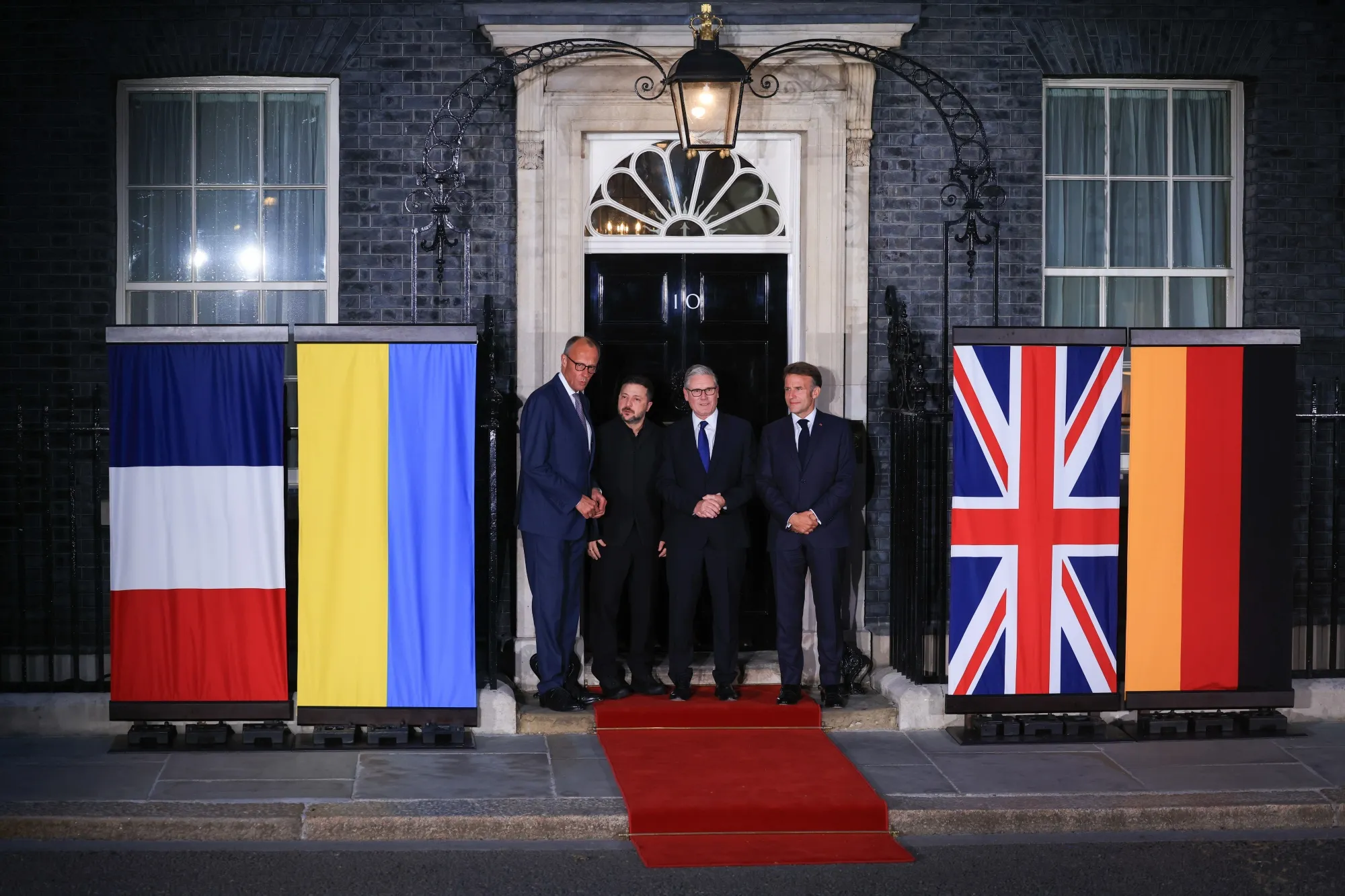
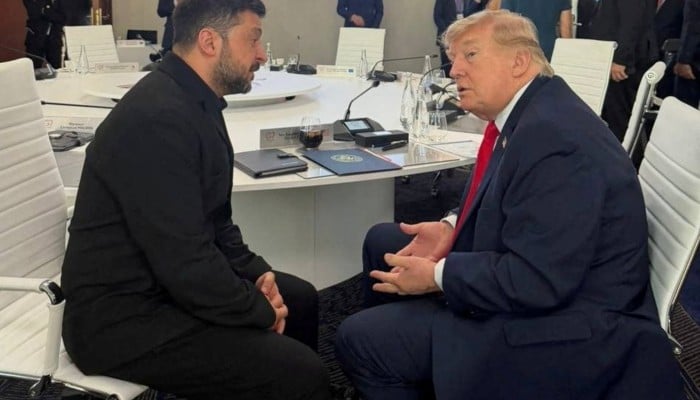
Ukraine's official EU membership negotiations (begun June 2025) will harmonize tariff codes, VAT rates, and customs procedures with EU standards within 12-24 months, creating a 6-9 month arbitrage window before competitors adjust. Currently, Ukraine operates under post-Soviet tariff schedules with 15-25% variance from EU rates on electronics, textiles, and consumer goods. Once EU membership is finalized, sellers can source from Ukrainian manufacturers at 8-12% cost savings compared to EU suppliers, then re-export to EU markets with zero tariff friction. The news emphasizes Zelenskyy's push for EU fast-track membership before winter 2025. Sellers should identify 3-5 Ukrainian suppliers in their category by August 2025 and negotiate pilot orders to lock in pricing before tariff harmonization increases their costs.