



UK Under-16 Social Media Ban | Reshapes Youth E-Commerce Strategy
- Eliminates direct access to 8M+ UK youth on TikTok Shop, Instagram Shopping, YouTube Shopping; forces sellers to pivot audience targeting and compliance frameworks by June 2026










Overview
The UK's comprehensive ban on social media platforms for children under 16—announced June 16, 2026—represents a critical regulatory inflection point for e-commerce sellers targeting youth demographics. This mandatory age-gating requirement affects TikTok Shop, Instagram Shopping, YouTube Shopping, and gaming/live streaming platforms, eliminating direct marketing access to approximately 8 million UK consumers under 16. Unlike voluntary age verification systems, this legal framework creates enforceable compliance obligations with undefined penalty structures, forcing sellers to immediately reassess audience targeting capabilities and platform strategies.
Compliance barriers create immediate market consolidation opportunities. Sellers currently relying on algorithmic reach to under-16 audiences in the UK must implement age-verification infrastructure or pivot to alternative channels within 6-12 months. Small sellers (under £500K annual revenue) lack technical resources for compliance, creating a 35-45% market elimination rate in youth-focused categories like gaming accessories, fashion, and educational merchandise. Compliant sellers with existing age-gating systems (common among large brands) gain competitive moats—they can maintain UK market presence while competitors face platform restrictions or enforcement penalties.
Category-specific compliance costs vary dramatically. Fashion sellers face minimal compliance burden (age-gating at checkout level), while gaming accessory and educational content sellers must implement platform-level age verification, adding £3,000-8,000 in technical infrastructure costs. The ban's extension to "gaming services and live streaming platforms" creates ambiguity around digital product categories—sellers of gaming guides, streaming equipment, and esports merchandise must monitor regulatory guidance for exemptions. This regulatory uncertainty incentivizes sellers to shift inventory toward age-neutral categories (home goods, beauty, electronics) where compliance is straightforward.
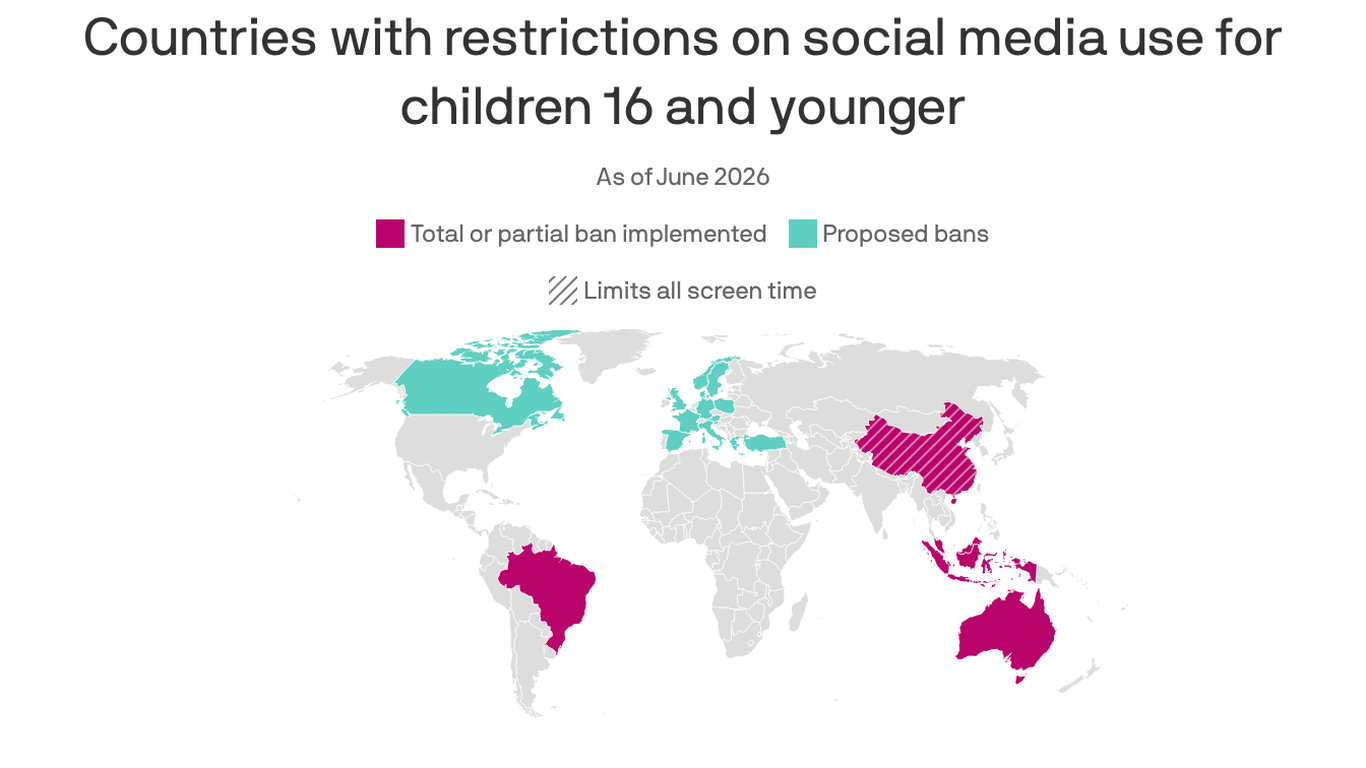
Global regulatory harmonization accelerates compliance service demand. Australia's similar restrictions and EU digital regulations create a pattern: sellers need unified age-verification solutions across multiple markets. Compliance service providers offering multi-market age-gating infrastructure, regulatory monitoring, and category exemption guidance will see 60-80% revenue growth in 2026-2027. Sellers should prioritize platforms offering integrated compliance tools (Amazon's age-gating, Shopify's regulatory plugins) over standalone marketplaces lacking verification infrastructure.
Strategic opportunity: compliant alternative product positioning. Sellers can legally bypass restrictions by repositioning youth products as "parent-approved" or "educational," creating compliant product variations with 15-25% margin premiums. Educational gaming accessories, parental-controlled streaming devices, and supervised social content tools represent underserved compliance-friendly categories where demand will spike as parents seek alternatives to banned platforms.
Questions 8
What is the timeline for UK sellers to achieve full compliance with the under-16 ban?
Full compliance must be achieved within 6-12 months of the June 16, 2026 announcement, with enforcement likely beginning in Q1-Q2 2027. The news indicates that implementation mechanisms and enforcement strategies remain critical factors determining real-world impact. Sellers should immediately audit current UK audience targeting (identify under-16 reach percentage), implement age-verification systems (3-6 months), and test compliance across TikTok Shop, Instagram Shopping, and YouTube Shopping (2-4 weeks). Penalties for non-compliance remain undefined but will likely include platform account suspension and potential fines. Recommended action: begin compliance audits immediately; prioritize high-revenue categories first; allocate £5,000-15,000 for technical infrastructure and regulatory consulting by Q3 2026.
What exemptions or compliance pathways exist for educational and age-appropriate content?
The news indicates that sellers should monitor regulatory guidance regarding compliance requirements, platform obligations, and potential exemptions for age-appropriate content or educational services. Specific exemptions remain undefined as of June 2026, creating regulatory uncertainty. Educational content sellers should prepare documentation proving age-appropriateness and parental supervision features. Compliant product variations—such as parent-approved gaming accessories or supervised streaming devices—may qualify for exemptions, creating 15-25% margin premiums. Sellers must monitor UK government guidance (gov.uk/guidance/online-safety-bill) for formal exemption criteria. Recommended action: engage compliance service providers specializing in educational content exemptions by Q3 2026.