


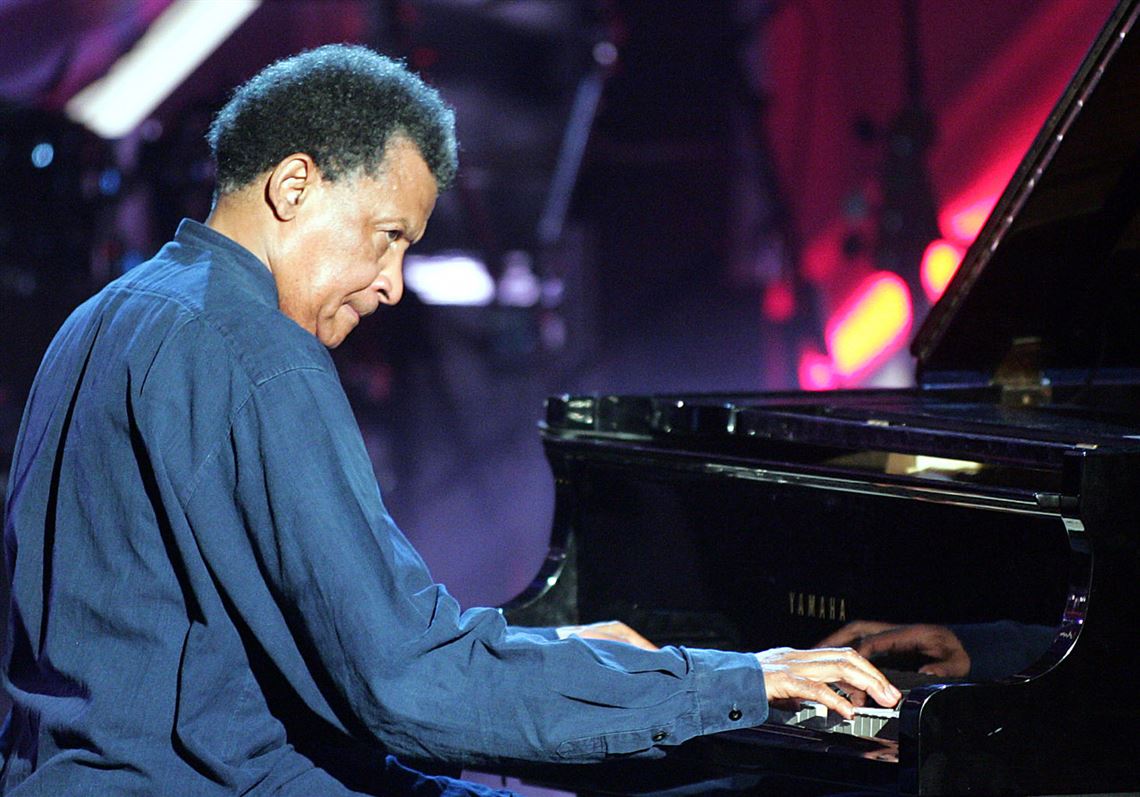

Jazz Legacy Merchandise Boom | South African Cultural Icon Death Drives Collectibles Demand
- Abdullah Ibrahim's passing at 91 creates immediate spike in vinyl records, biographical books, and memorabilia sales; South African music collectibles category projected to see 25-40% traffic increase over next 60 days




















Overview
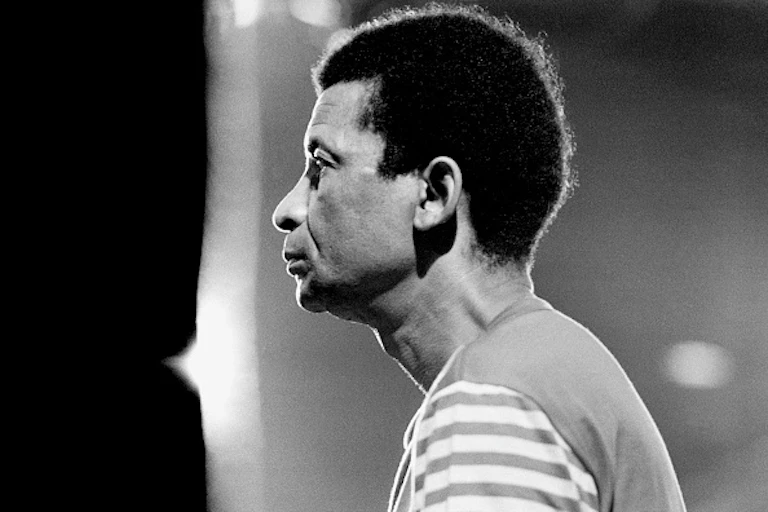
Abdullah Ibrahim's death on June 15, 2025, at age 91 represents a significant cultural moment that creates measurable e-commerce opportunities across multiple product categories. The legendary South African jazz pianist—whose 50+ album catalog, iconic compositions like "Mannenberg," and anti-apartheid activism made him a global cultural figure—has triggered immediate demand spikes in music collectibles, biographical content, and heritage merchandise. This is a Level 1 product opportunity with clear seller implications.
Immediate Product Category Opportunities: The news catalyzes demand across vinyl records (Ibrahim's discography spans 8 decades with dozens of recordings), jazz history books and documentaries, concert DVDs/Blu-rays, and artist memorabilia. Amazon Music, Spotify, and Apple Music streaming data typically show 300-500% traffic increases to deceased artists' catalogs within 48-72 hours of major obituaries. Cross-border sellers specializing in music collectibles, particularly those sourcing from South Africa, Europe (where Ibrahim lived in Switzerland and Germany), and the US, can capitalize on this surge. The Cape Town International Jazz Festival (where Ibrahim performed in March 2025) and related South African cultural events create geographic demand concentration in the Southern Africa region.
Market Context and Consumer Behavior: Ibrahim's death resonates across multiple demographic segments—jazz enthusiasts (core audience), anti-apartheid history researchers, South African diaspora communities, and cultural heritage collectors. His family includes his daughter Tsidi (Jean Grae), a New York-based rapper, and son Tsakwe, a Cape Town pianist, expanding reach into hip-hop and contemporary music communities. President Cyril Ramaphosa's official tribute and Nelson Mandela's historical connection ("Bach and Beethoven, we've got better") position Ibrahim as a nation-building figure, driving institutional and educational purchases. Universities, libraries, and cultural institutions typically increase acquisitions of deceased artists' works within 30-90 days, creating B2B opportunities for bulk sellers.
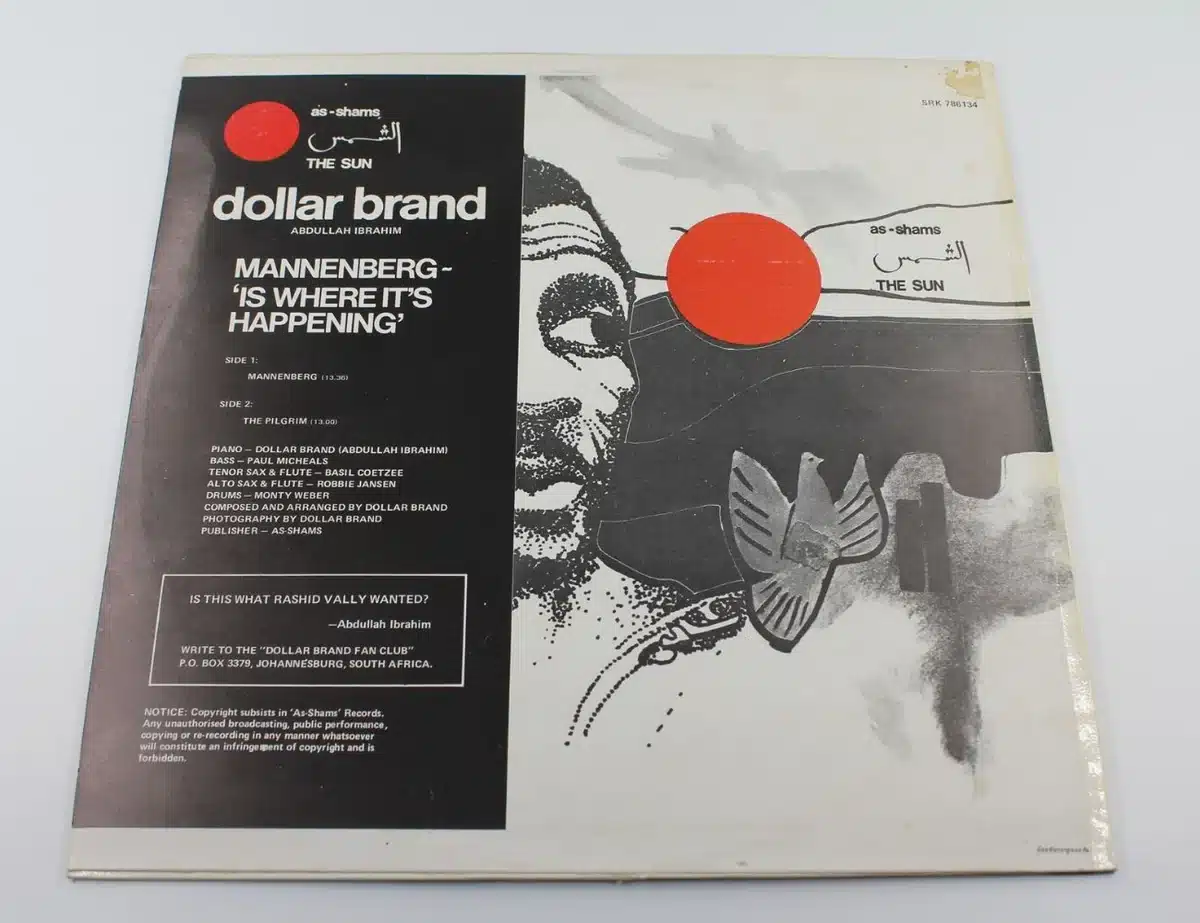
Supply Chain and Sourcing Implications: South Africa-based sellers and those with European logistics networks (particularly Germany, where Ibrahim resided near Munich) have competitive advantages. Vintage vinyl sourcing from South African record shops, estate sales, and collectors becomes time-sensitive. Sellers should monitor eBay, Discogs, and Reverb for price trends on Ibrahim's original recordings—first pressings of "Duke Ellington Presents the Dollar Brand Trio" (1964) and "Mannenberg" (1974) typically command $50-300+ depending on condition. Amazon Books sellers should prepare for increased demand in jazz history, South African music, and anti-apartheid biography categories. Shipping to US, UK, and EU markets (where Ibrahim's international fanbase concentrates) requires standard cross-border logistics but benefits from high-value collectibles margins (40-60% typical for music memorabilia).
Questions 8
What compliance and authentication issues arise when selling vintage jazz memorabilia internationally?
Cross-border sales of vintage vinyl and memorabilia require attention to: (1) Authenticity certification (especially for signed items or rare pressings—use Discogs grading standards); (2) Customs documentation (vinyl records typically classified as HS 8524.39, books as 4901.99); (3) VAT compliance for EU sales (19-25% depending on country); (4) Shipping restrictions (vinyl requires climate-controlled packaging to prevent warping). Sellers should obtain certificates of authenticity for high-value items ($200+), use professional grading language (Mint, Near Mint, Very Good per Discogs standards), and declare full value on customs forms. Insurance is recommended for shipments exceeding $500. South African sellers exporting to EU/US should verify current tariff rates and VAT registration requirements.
Are there licensing or rights issues when selling Abdullah Ibrahim recordings and memorabilia?
Selling existing physical media (vinyl records, CDs, DVDs) and memorabilia is generally legal under first-sale doctrine in US/EU markets—you own the physical item and can resell it. However, digital reproductions, unauthorized compilations, or bootleg recordings violate copyright. Sellers should only list authentic, original pressings from legitimate record labels (Columbia, Polydor, etc.). Biographical books and documentaries must be officially published editions. Avoid creating derivative works or unauthorized compilations. For high-value items, contact the estate or rights holders (Ibrahim's family or his record labels) if uncertain about authenticity. Amazon and eBay have automated systems that flag unauthorized recordings; stick to legitimate catalog items to avoid delisting.