


Persistent Commodity Inflation Reshapes E-Commerce Logistics Costs | Sellers Face 6-12 Month Cost Headwinds
- Strait of Hormuz constraints block 20% global oil transit; shipping surcharges remain elevated even post-Iran deal; food/beverage sellers experience 8-15% margin compression; extended price normalization timeline forces inventory restructuring

















Overview
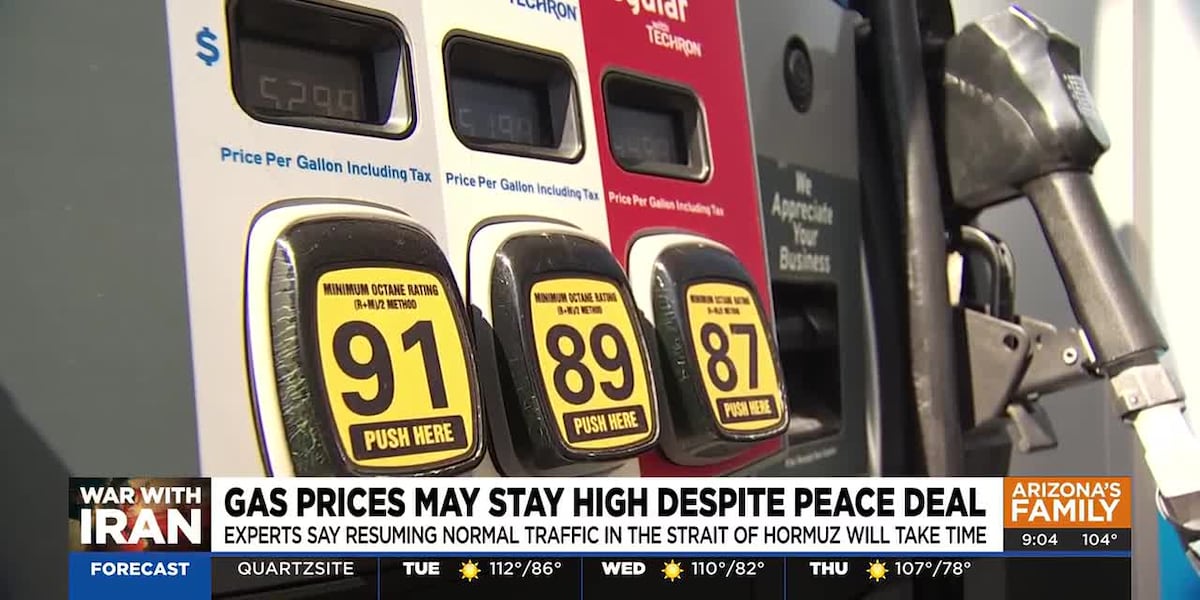
Geopolitical tensions in the Middle East have created structural commodity price inflation that will persist for months beyond any diplomatic resolution. According to AP News reporting, even with potential reopening of the Strait of Hormuz—which currently constrains approximately 20% of global oil transit—market experts indicate price normalization will require weeks or months following deal implementation. This represents a critical shift from temporary geopolitical risk premiums to sticky structural inflation driven by supply-side constraints, production capacity limitations, and market expectations that operate independently of conflict resolution.
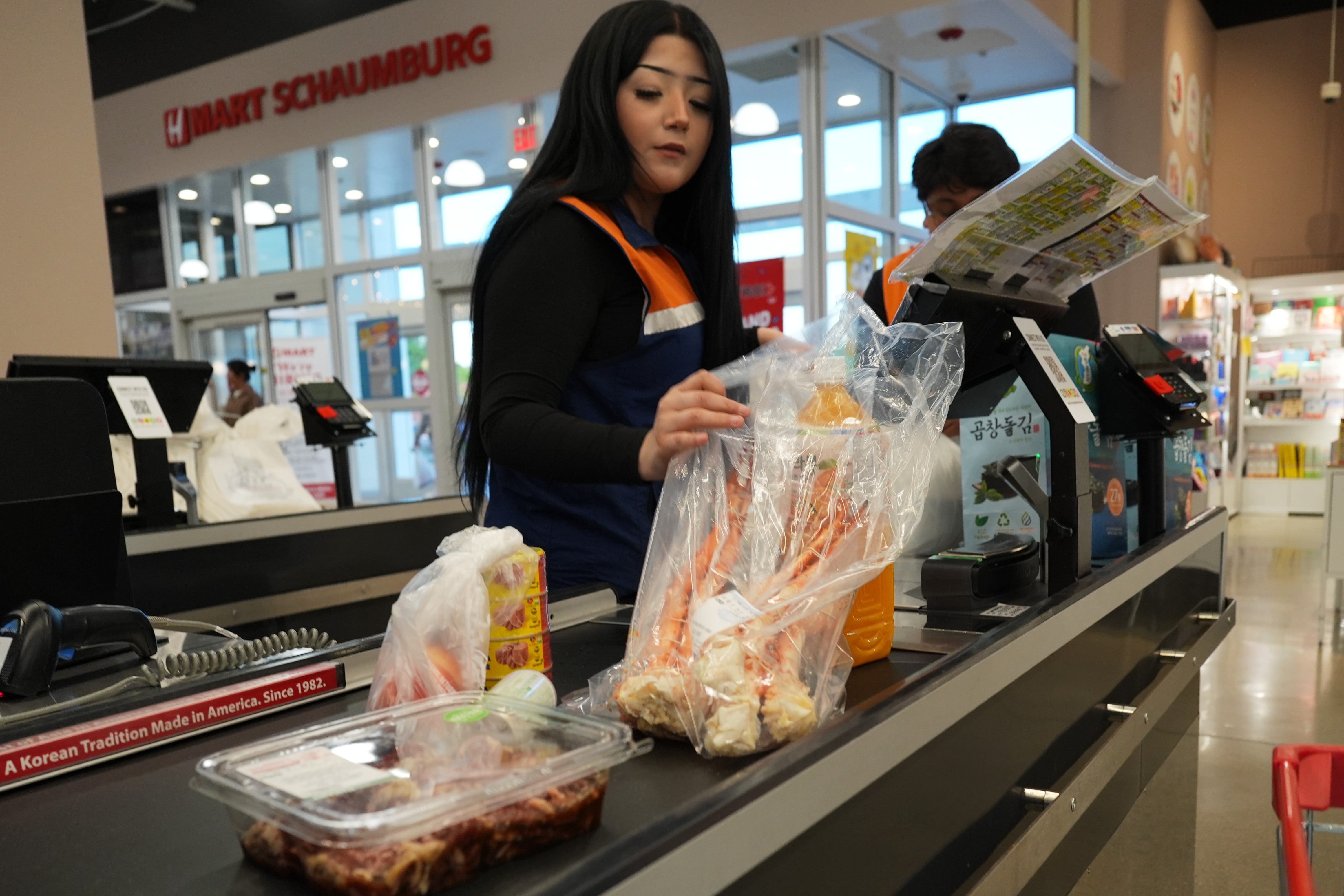
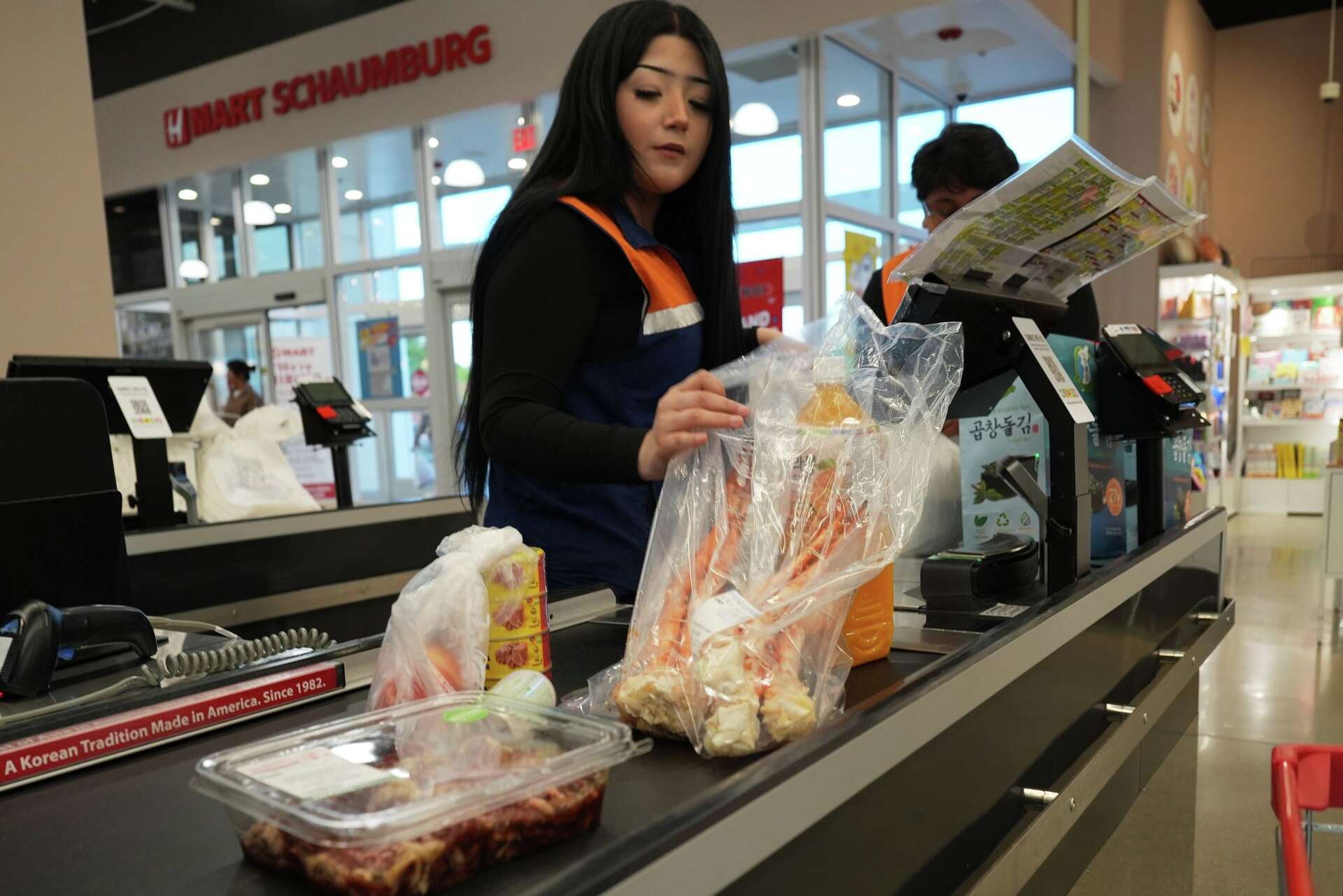
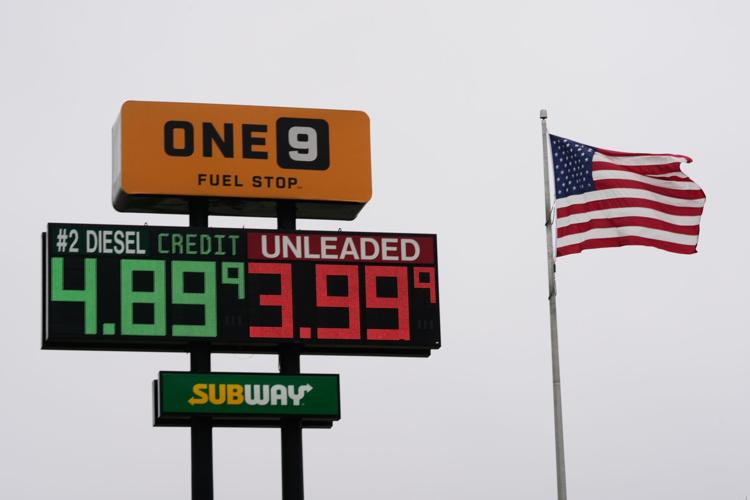
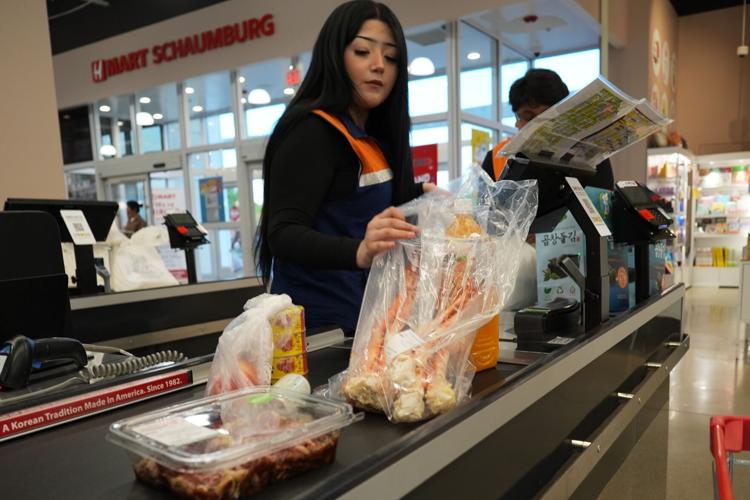
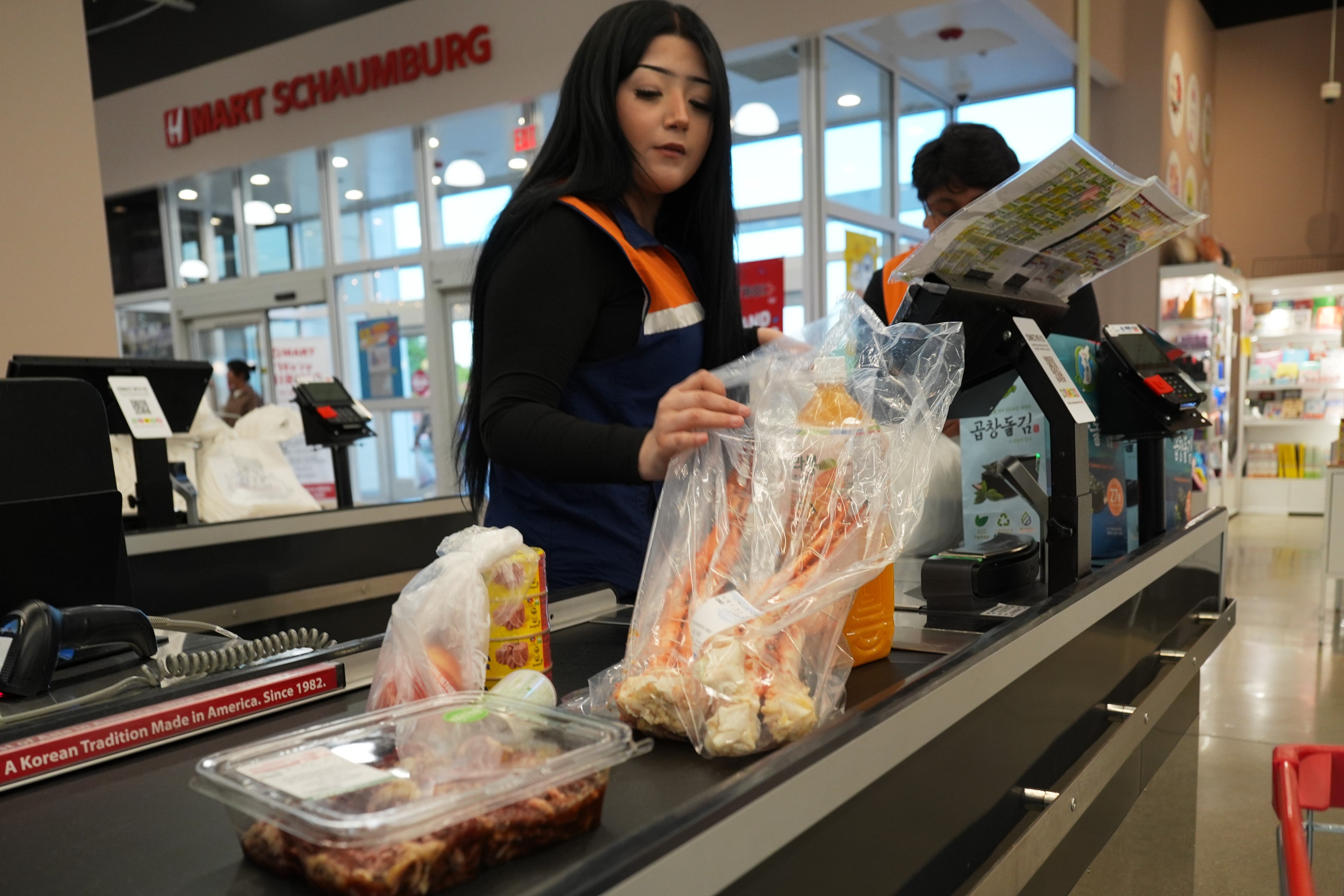
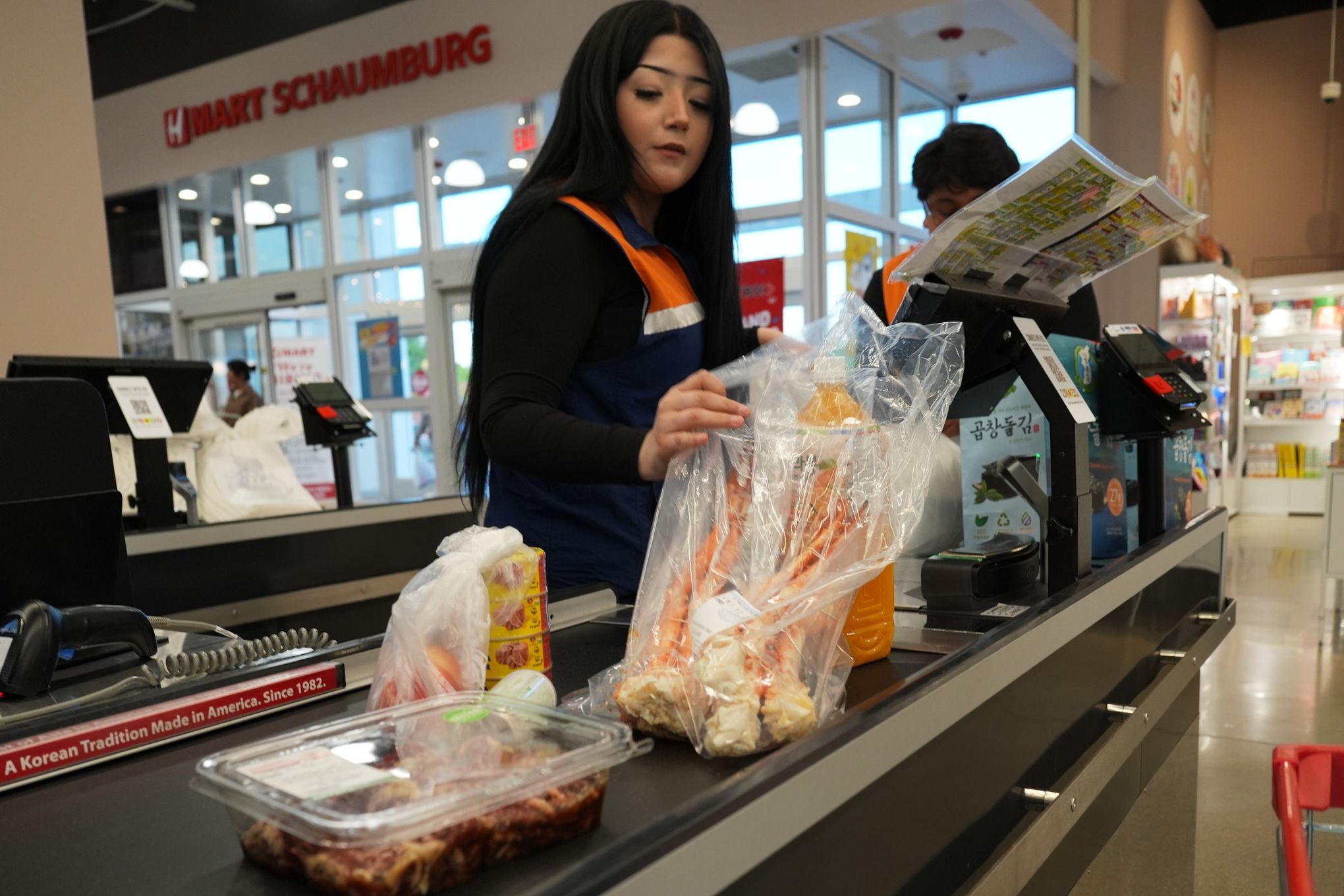
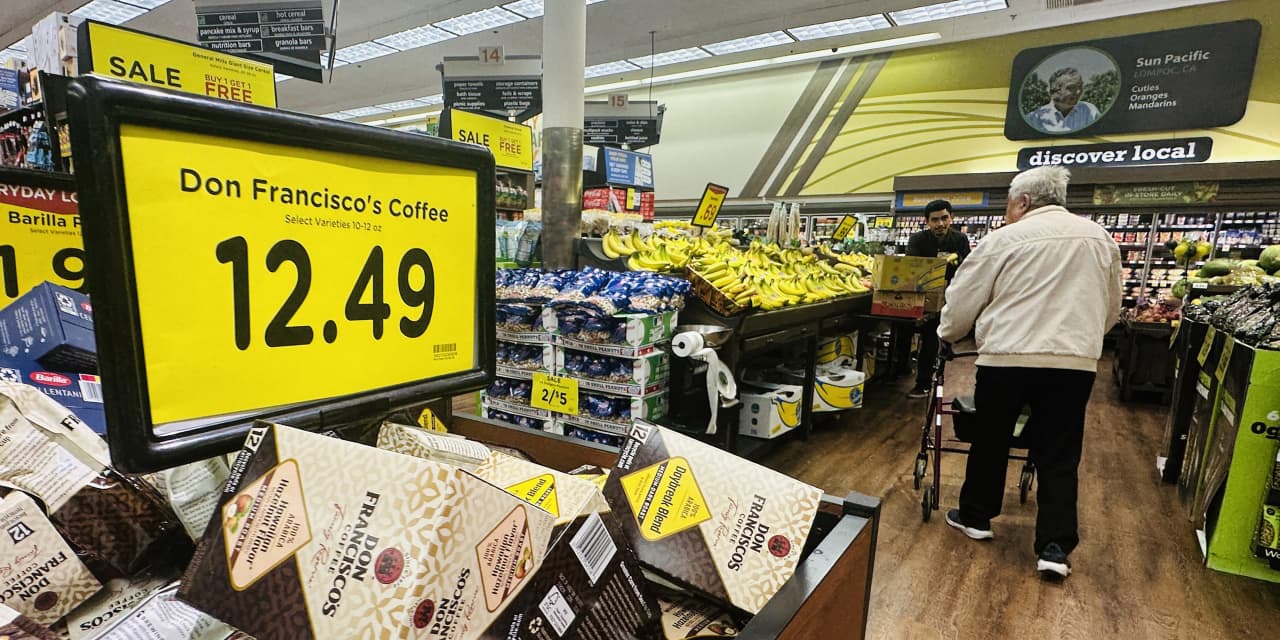
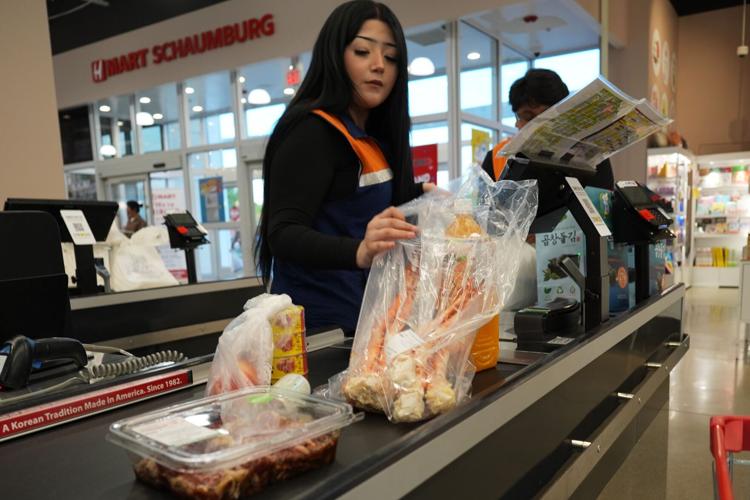
For cross-border e-commerce sellers, this creates sustained operational cost pressures across multiple dimensions. Shipping expenses remain elevated due to persistent fuel surcharges and logistics inflation that cannot be quickly reversed. Sellers importing goods or sourcing from international suppliers face higher procurement costs that cannot be rapidly passed to consumers without triggering demand destruction. Food and beverage sellers experience particular margin compression, with grocery inflation stemming from agricultural commodity volatility, transportation costs, and supply chain inefficiencies that persist independently of geopolitical factors. The extended timeline for price normalization—potentially months beyond conflict resolution—means sellers must budget for prolonged cost headwinds rather than anticipating near-term relief.
This dynamic fundamentally reshapes inventory planning, pricing strategies, and cash flow management across all e-commerce verticals. Sellers cannot rely on historical precedent where geopolitical risk premiums decline rapidly after triggering events resolve. Instead, the post-pandemic economic reality shows supply-side constraints prove more durable than initially anticipated. OPEC production decisions and global demand patterns compound the Iran situation, creating multiple reinforcing factors maintaining elevated energy costs. Sellers must develop realistic financial forecasting that assumes 6-12 month extended cost headwinds rather than near-term relief. This impacts working capital requirements, inventory turnover calculations, and competitive positioning for sellers across Amazon FBA, Shopify, eBay, and 3PL fulfillment networks.
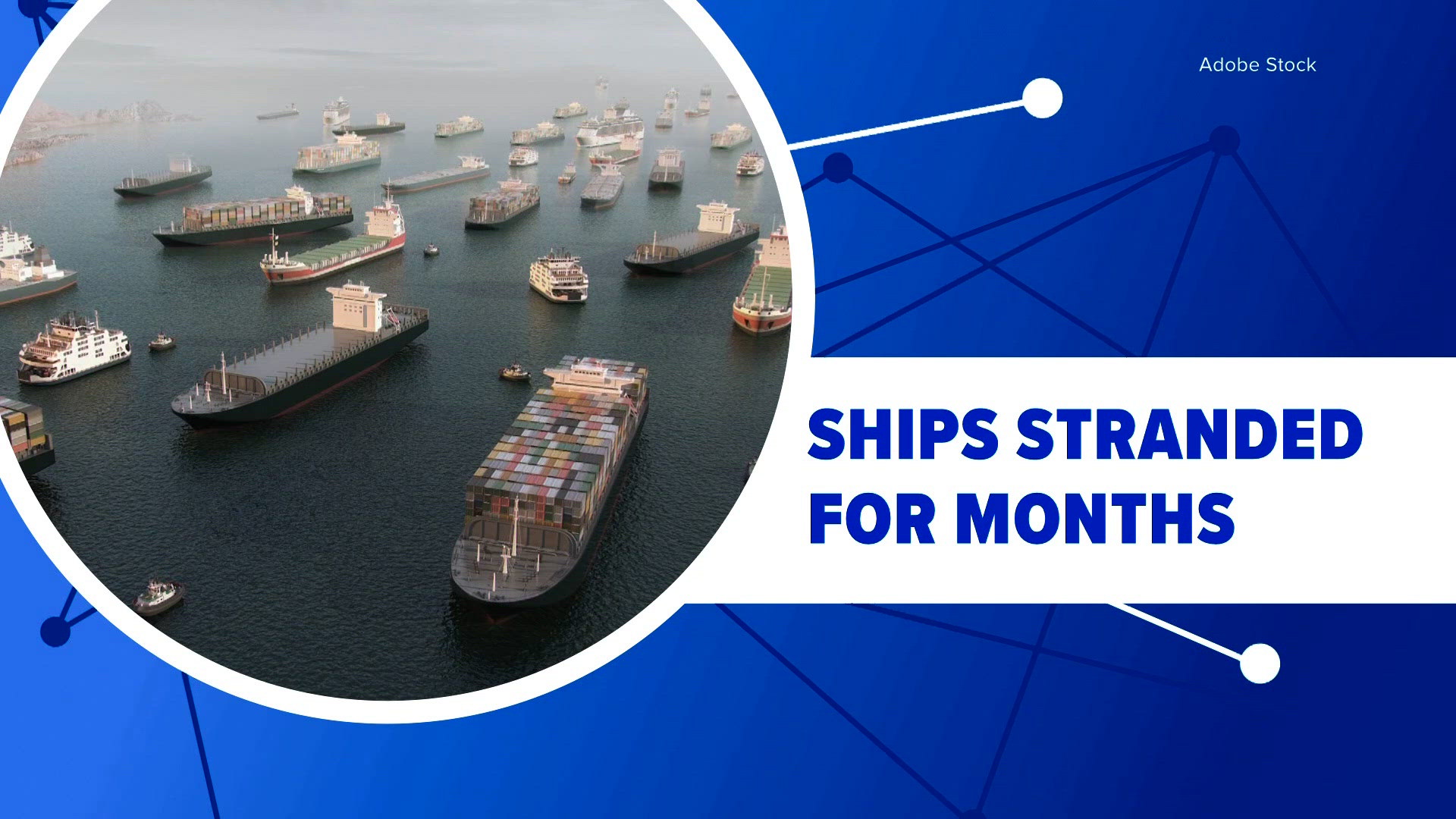
Strategic sourcing decisions become critical. Sellers relying on air freight or expedited shipping face the highest cost impact, while those utilizing ocean freight benefit from relative stability but face extended transit times. Food and beverage sellers on Amazon Fresh, Whole Foods integration, and specialty grocery platforms experience the most acute margin compression. Cross-border sellers importing from Asia face compounded costs: elevated procurement prices plus persistent shipping surcharges. The timing window for action is immediate—sellers must adjust pricing strategies, renegotiate supplier contracts, and rebalance inventory allocation before Q1 2025 to absorb these costs without demand destruction.
Questions 8
How do supply chain disruptions beyond Iran tensions affect e-commerce cost structures?
The news analysis emphasizes that commodity price inflation reflects post-pandemic economic realities where supply-side constraints have proven more durable than initially anticipated. Multiple factors maintain elevated energy costs: OPEC production decisions, global demand patterns, agricultural commodity volatility, and transportation inefficiencies. These operate independently of the Iran situation, meaning even geopolitical resolution provides only partial relief. Sellers must understand that inflation is multi-causal and structural, not dependent on any single geopolitical event. This requires comprehensive cost management across procurement, transportation, and inventory holding rather than waiting for external events to resolve.
Which shipping methods should sellers prioritize to minimize inflation impact?
Ocean freight provides relative stability compared to air freight, though with extended transit times. Sellers should shift inventory allocation toward ocean freight where possible, accepting longer lead times to avoid elevated air freight surcharges. For time-sensitive categories, negotiate fixed-rate shipping contracts now before further escalation. Amazon FBA sellers should evaluate regional fulfillment center placement to minimize long-distance shipping. Cross-border sellers should consolidate shipments to reduce per-unit logistics costs. 3PL providers offer better rate negotiation leverage than individual sellers—consider consolidating volume with single providers to lock in rates.