

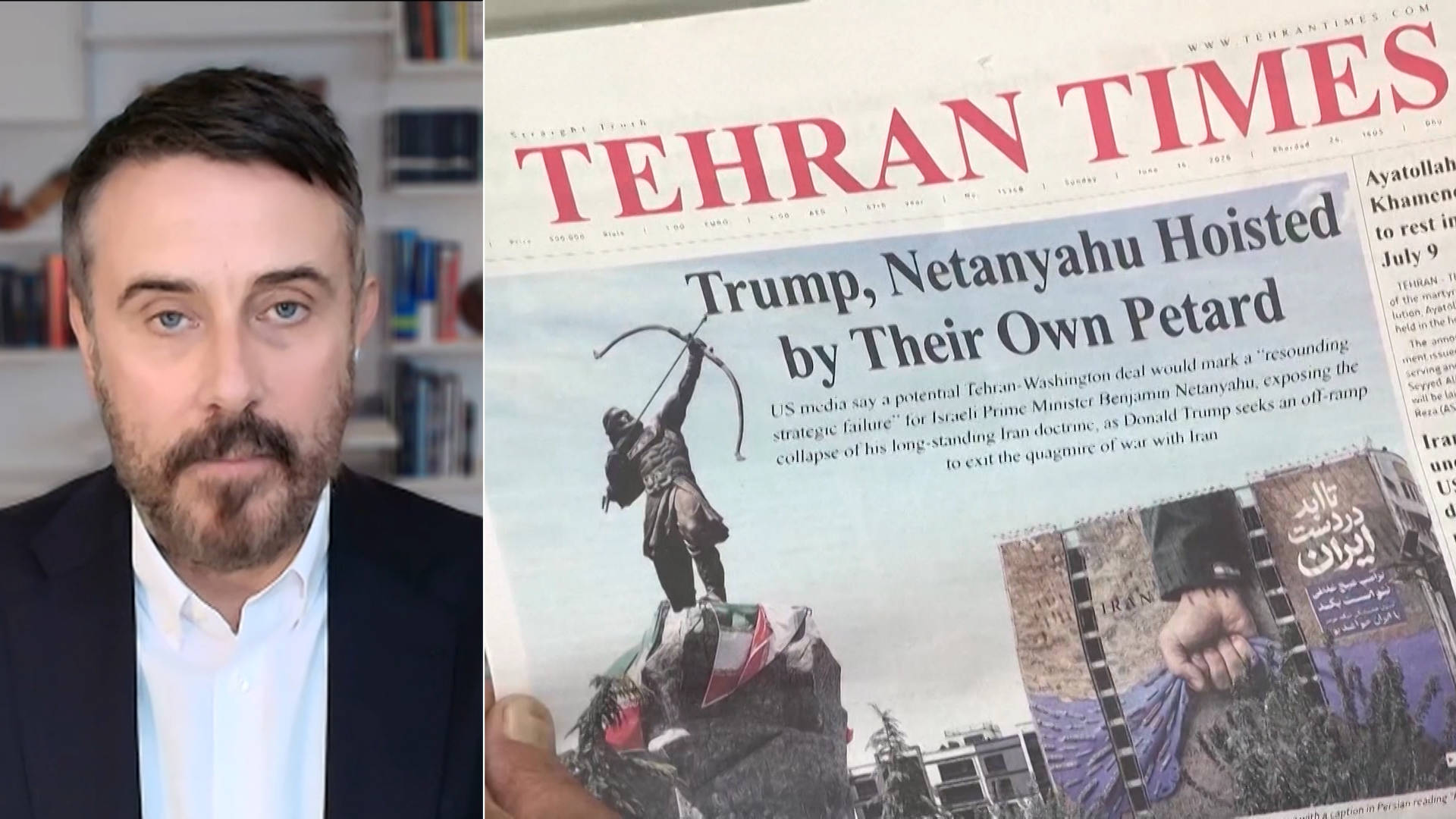



Middle East Ceasefire Creates Supply Chain Volatility | Sellers Face Shipping & Tariff Uncertainty
- Strait of Hormuz reopening signals 8-15% shipping cost fluctuations; Iran sanctions easing impacts electronics/machinery sourcing; regional instability threatens 60-90 day logistics windows













Overview
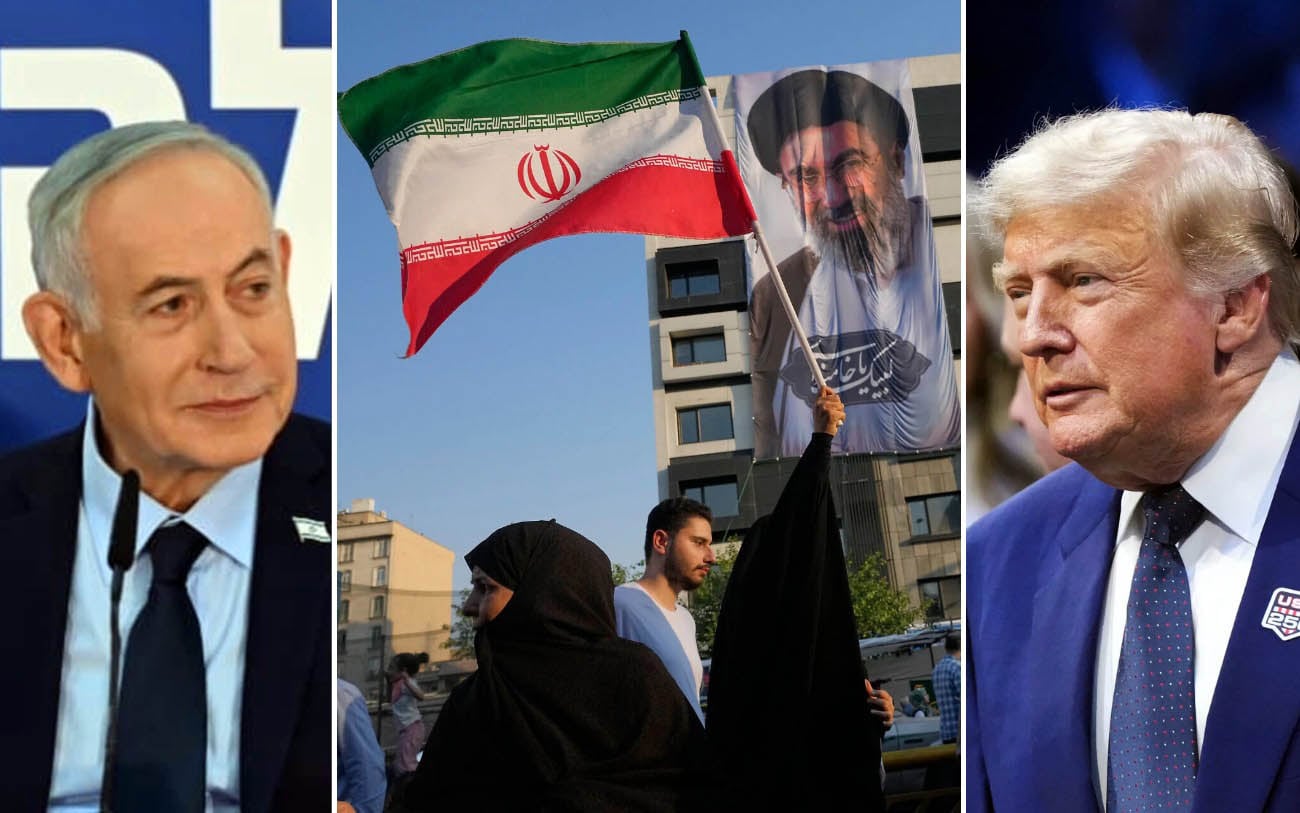
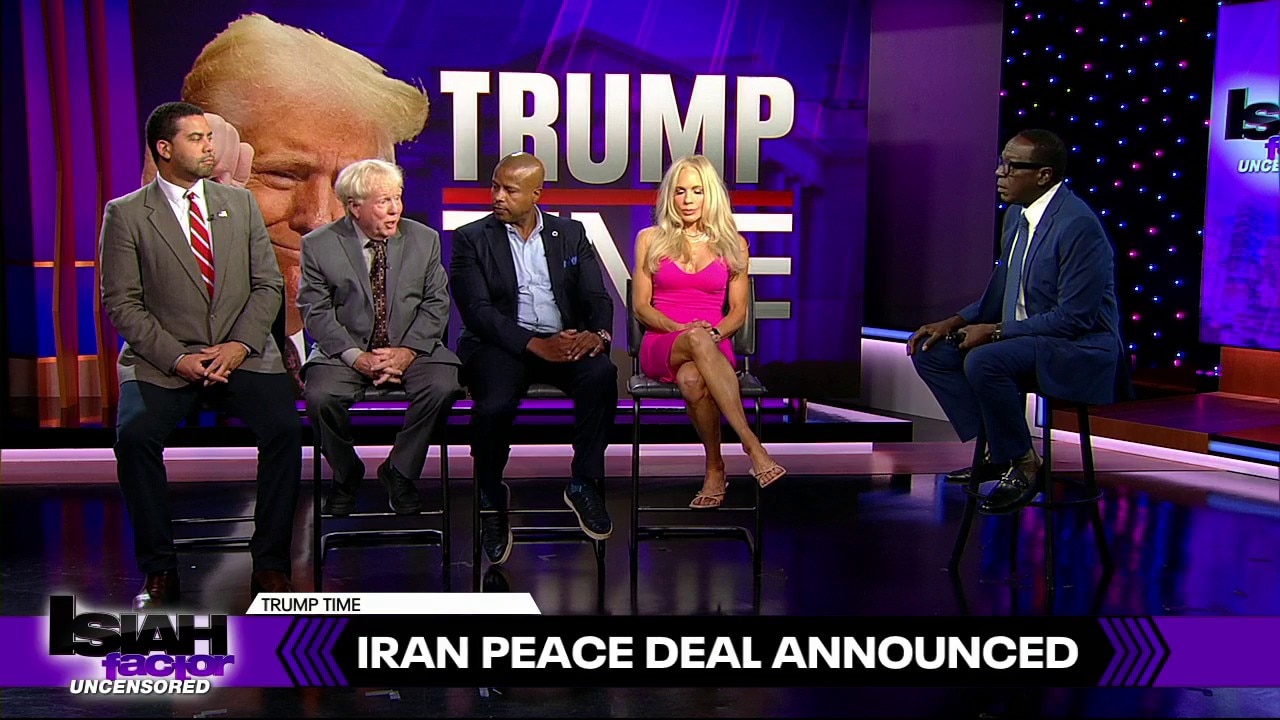
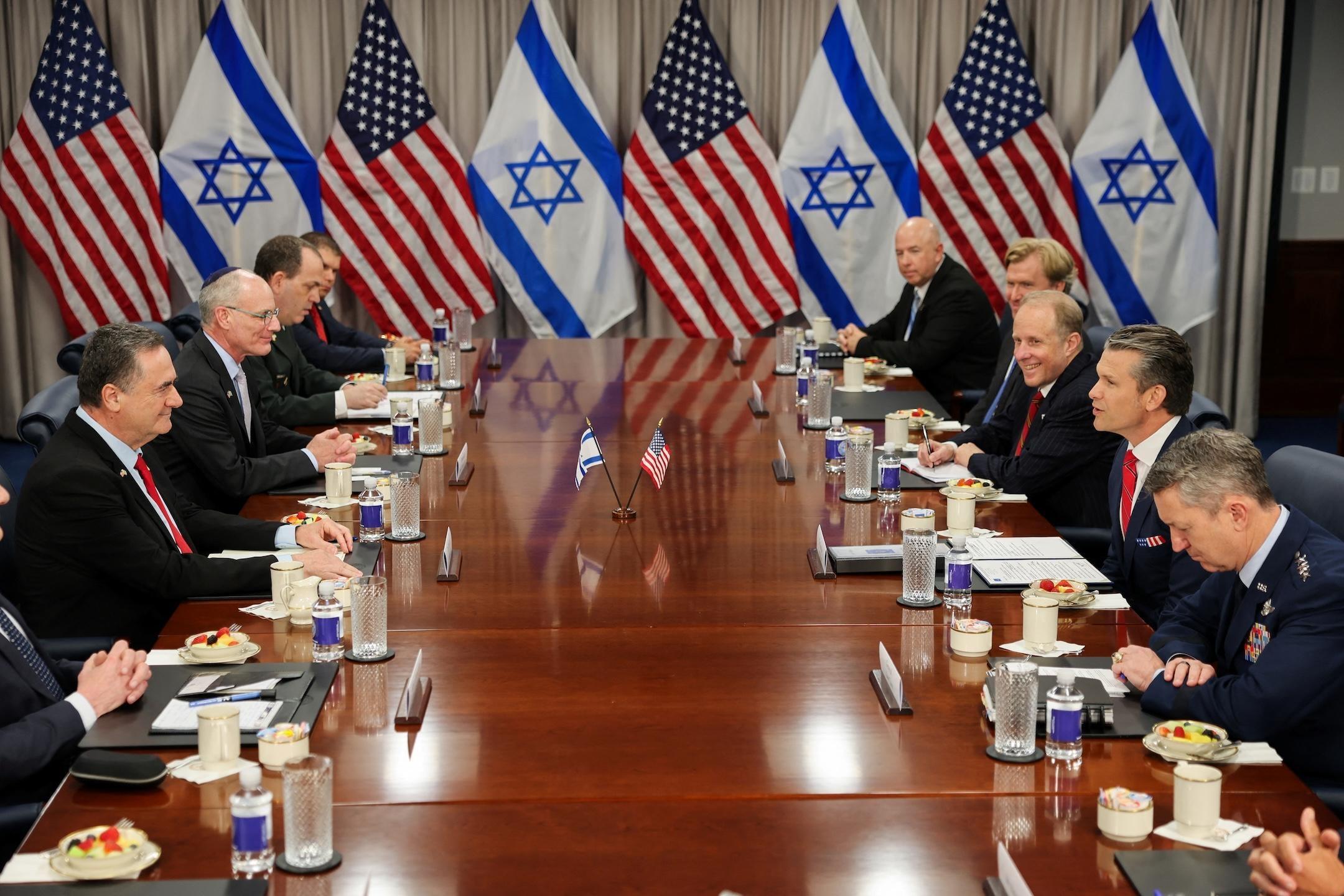
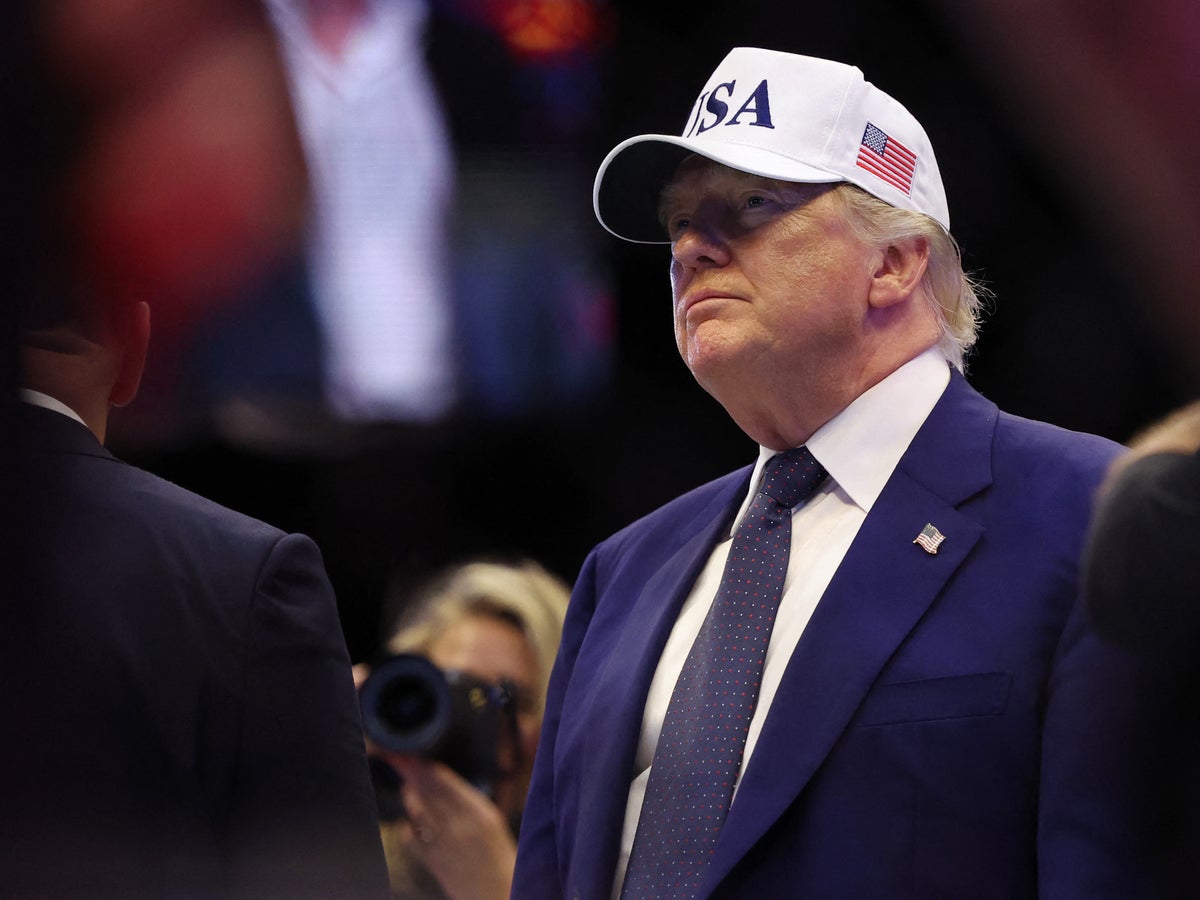
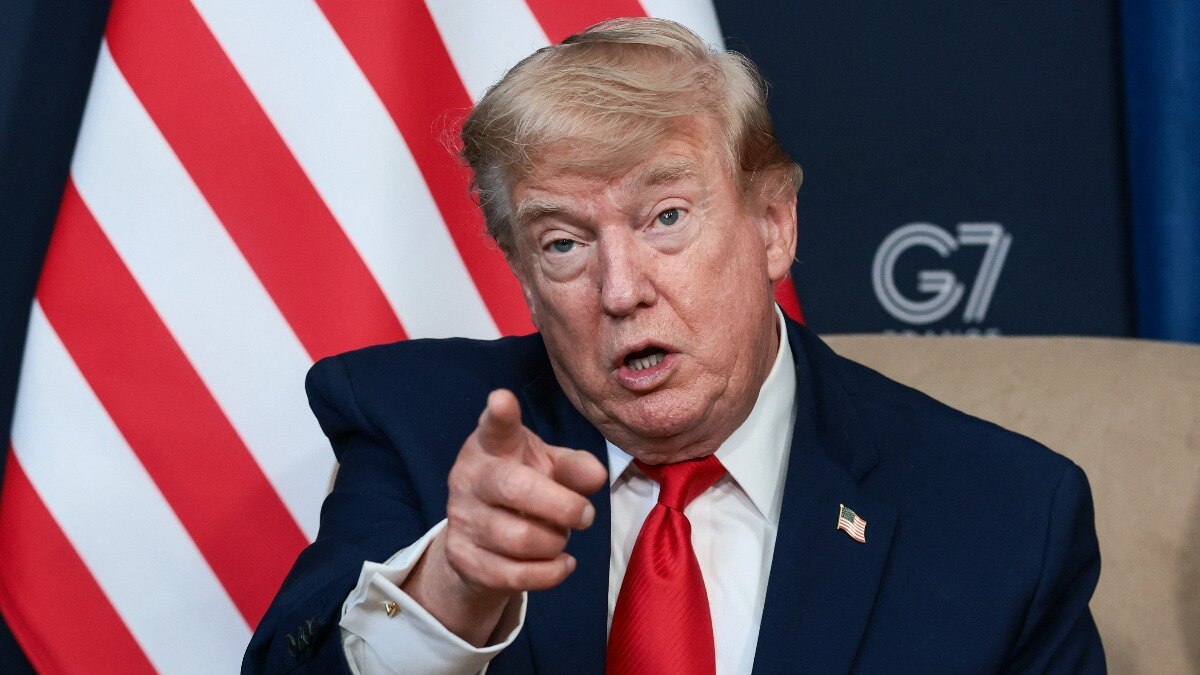
The Trump-Iran ceasefire agreement announced June 15, 2026, represents a fundamental geopolitical realignment with direct implications for cross-border e-commerce sellers. The 60-day interim agreement aims to reopen the Strait of Hormuz—a critical maritime chokepoint through which 21% of global petroleum and 30% of liquefied natural gas transits—while easing economic sanctions on Iran. For sellers, this creates a dual-impact scenario: immediate shipping cost volatility (8-15% fluctuations expected during the 60-90 day negotiation window) combined with medium-term sourcing opportunities as Iran's economy reopens.
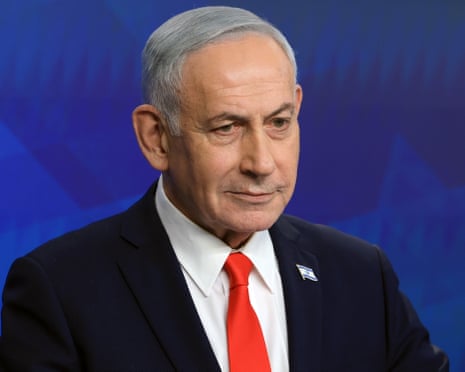
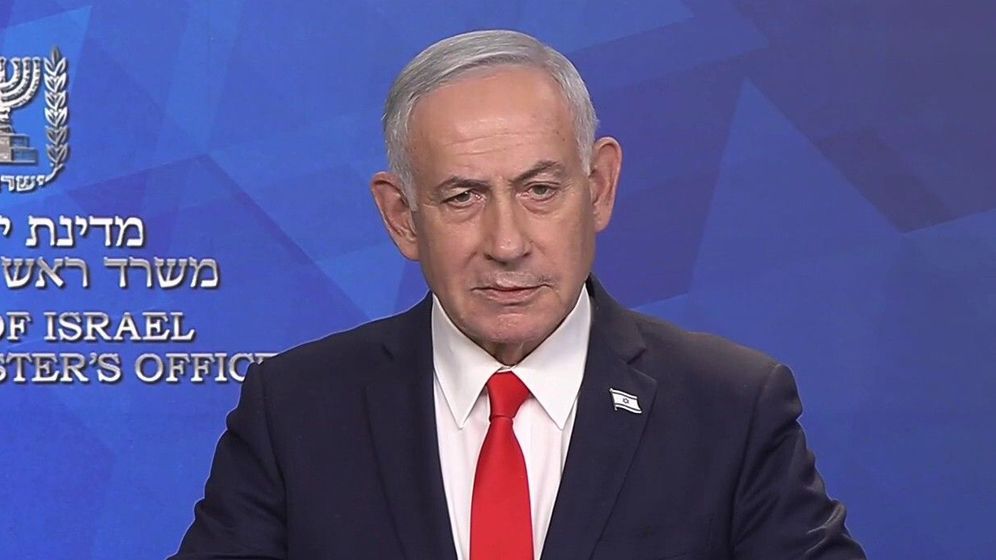
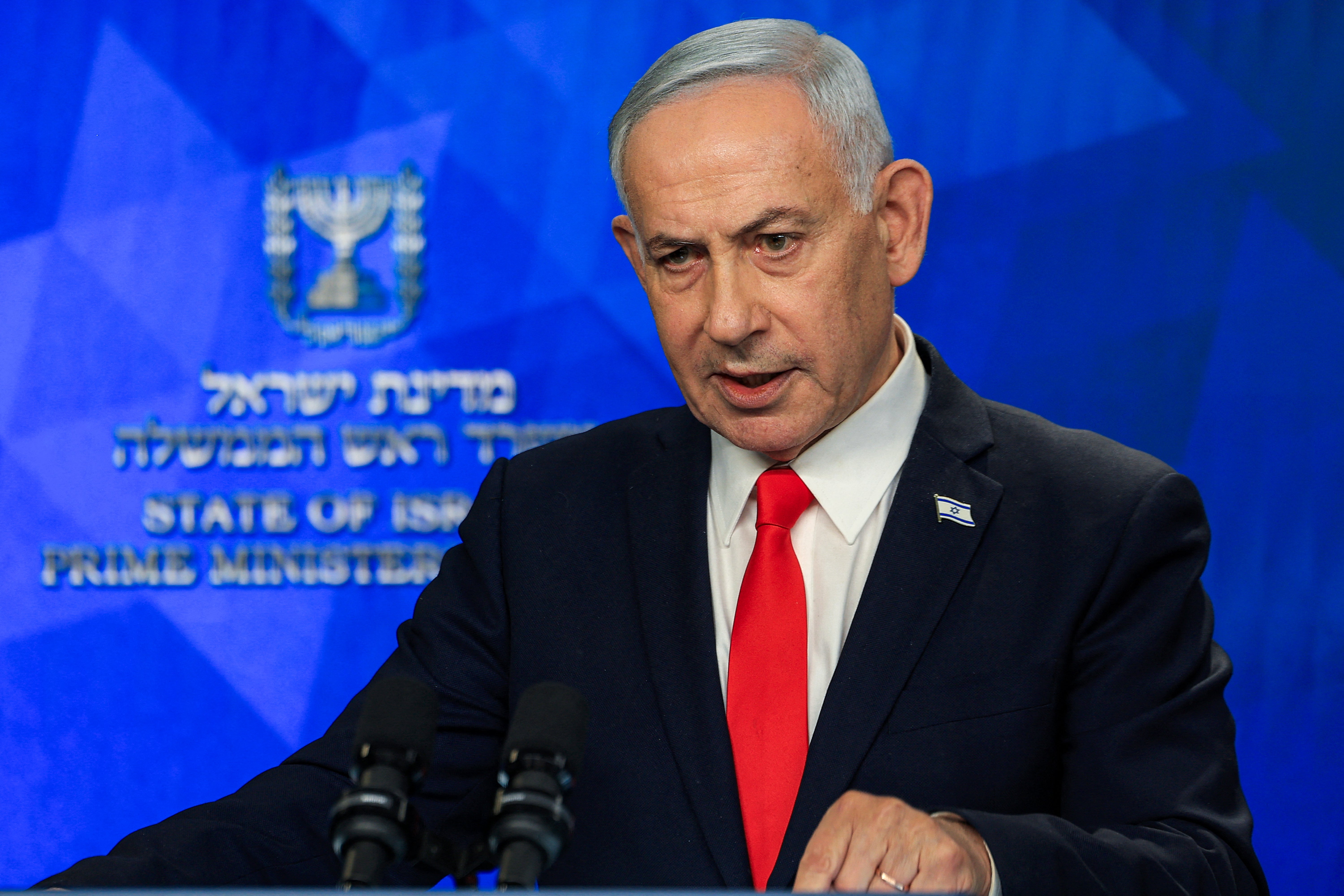
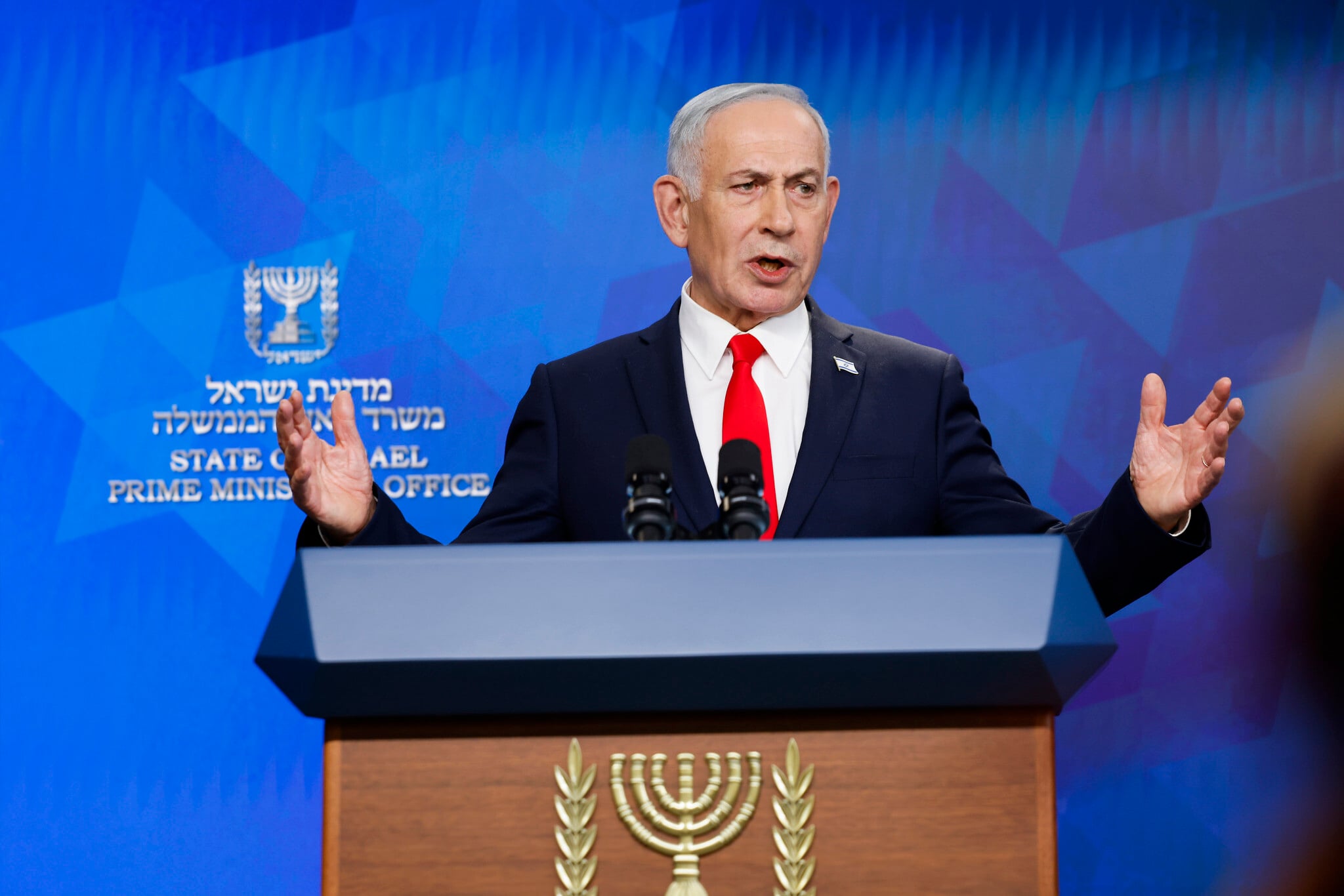
Shipping & Logistics Impact: The Strait of Hormuz closure risk has historically driven insurance premiums up 200-400% and added 15-25 days to transit times for goods destined to Middle East/Asia Pacific markets. Reopening signals potential cost normalization, but the fragile ceasefire—evidenced by Netanyahu's public refusal to be bound by the agreement and continued military posturing—creates 90-day uncertainty. Sellers shipping electronics, machinery, or chemicals to UAE, Saudi Arabia, or India should expect volatile freight rates. FBA sellers with inventory in Middle East fulfillment centers face potential delays if tensions reignite.
Tariff & Sourcing Opportunities: Iran sanctions easing creates arbitrage opportunities in specific categories. Historically sanctioned Iranian exports (carpets, pistachios, petrochemicals) may see tariff reductions under JCPOA-style frameworks. More significantly, sellers sourcing electronics components, machinery, or raw materials from Vietnam, India, or Pakistan—which have historically served as Iran sanctions-evasion hubs—may see supply normalization and 5-12% cost reductions as direct Iran trade becomes viable. Chinese sellers exporting to Middle East markets gain competitive advantage if regional instability decreases.
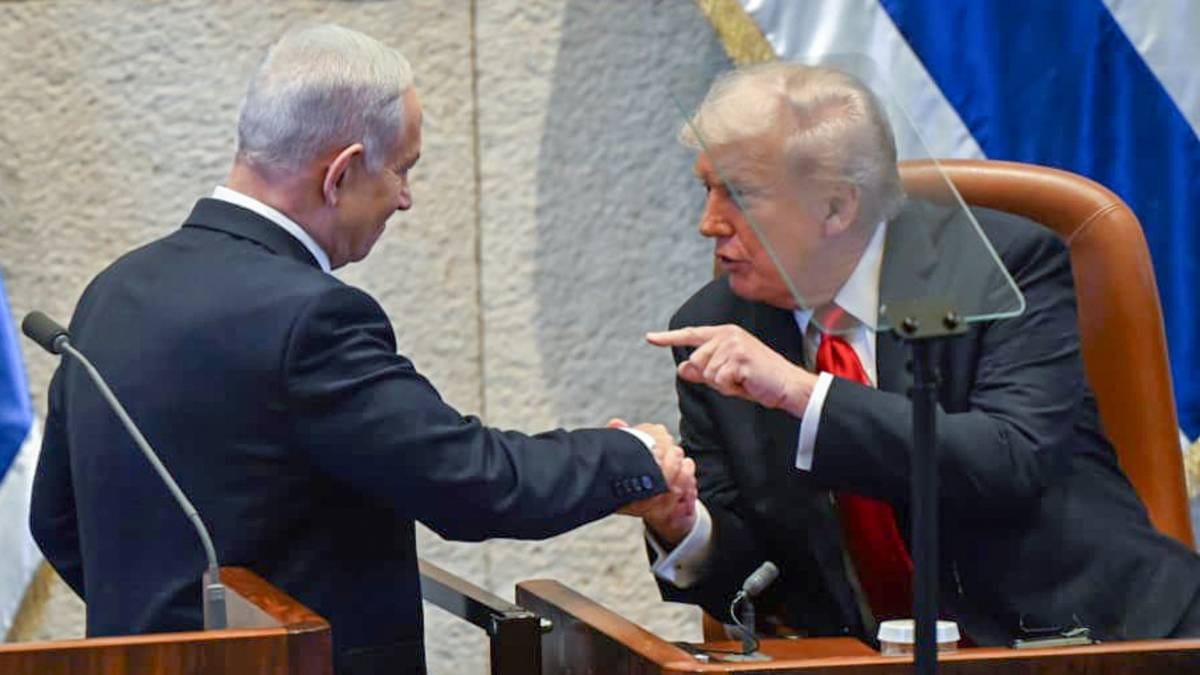
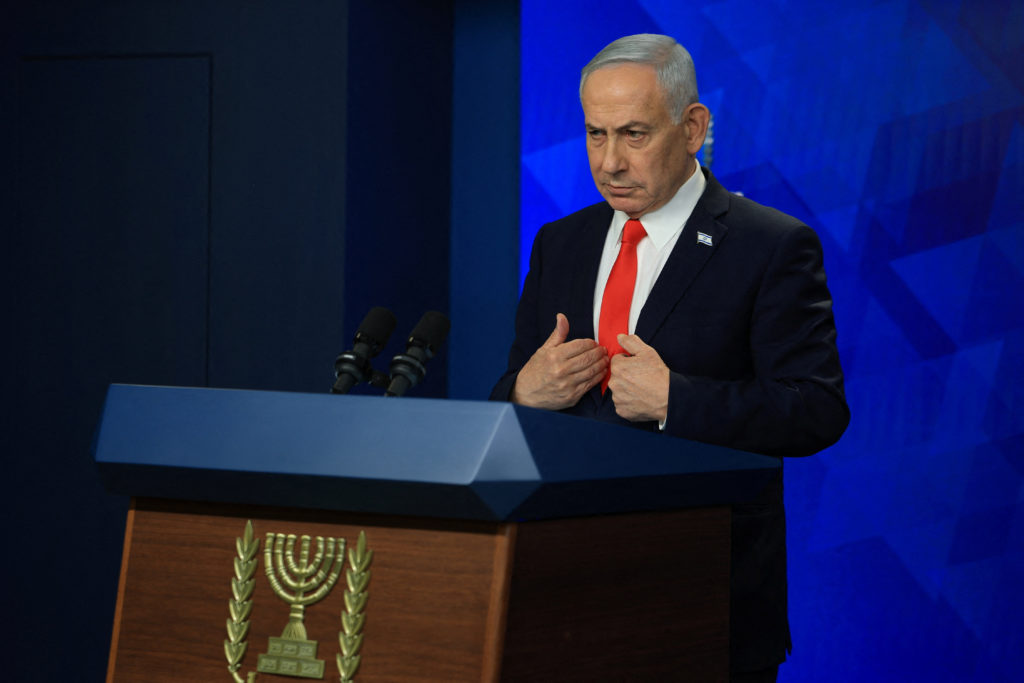
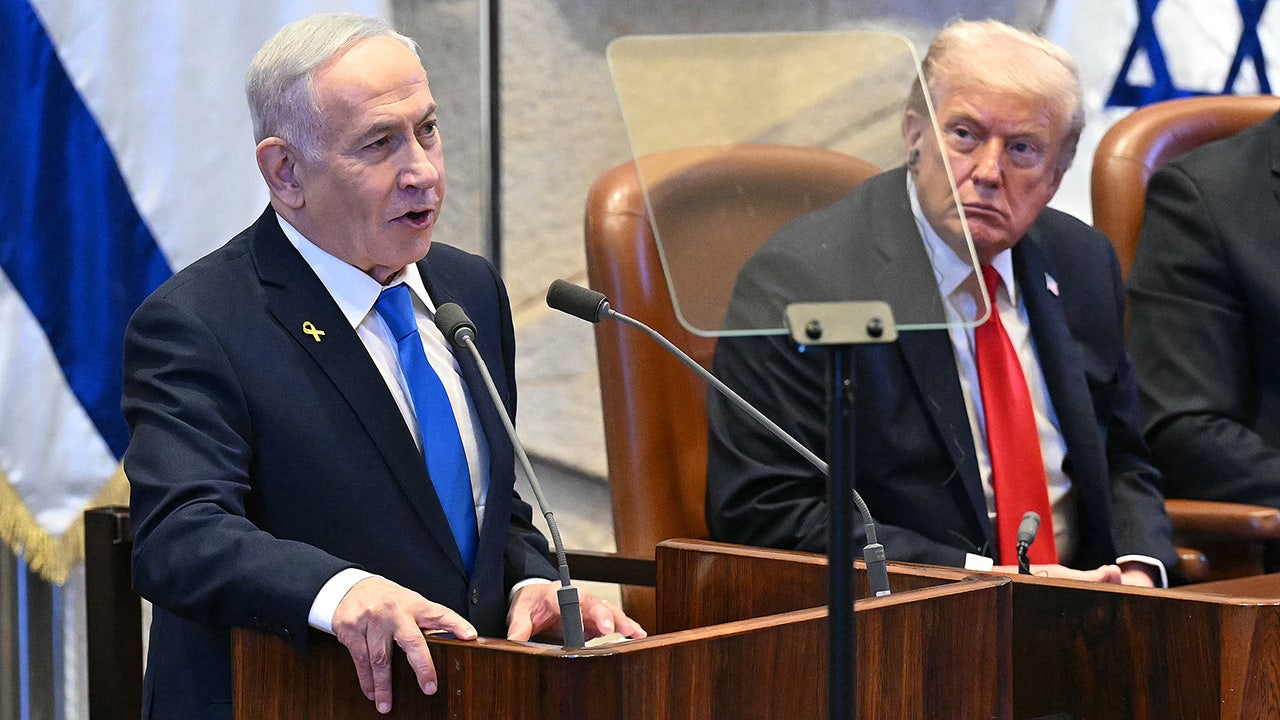
Political Risk & Compliance: Netanyahu's stated refusal to honor the agreement and polling showing Israeli public confidence in Trump collapsed from 64% (March) to 41% (June) signals high escalation risk. The 60-day interim period could extend to 90 days, creating a critical decision window for sellers. Compliance complexity increases: sellers must monitor OFAC sanctions lists for Iran-related restrictions, track Strait of Hormuz insurance costs weekly, and prepare contingency logistics routes (Suez Canal alternatives) if tensions reignite.
Actionable Seller Segments: Small sellers (under $500K annual revenue) should avoid Iran-destined inventory until sanctions formally lift. Mid-market sellers ($500K-$5M) can capitalize on Middle East shipping cost normalization by pre-positioning inventory in UAE/Saudi Arabia FBA centers during the 60-day window. Large sellers ($5M+) should negotiate long-term freight contracts now, locking in rates before potential cost spikes if ceasefire collapses. Electronics and machinery categories see highest upside (12-18% margin improvement if sourcing costs drop 8-12%).
Questions 8
What happens to my inventory if the ceasefire collapses and tensions reignite?
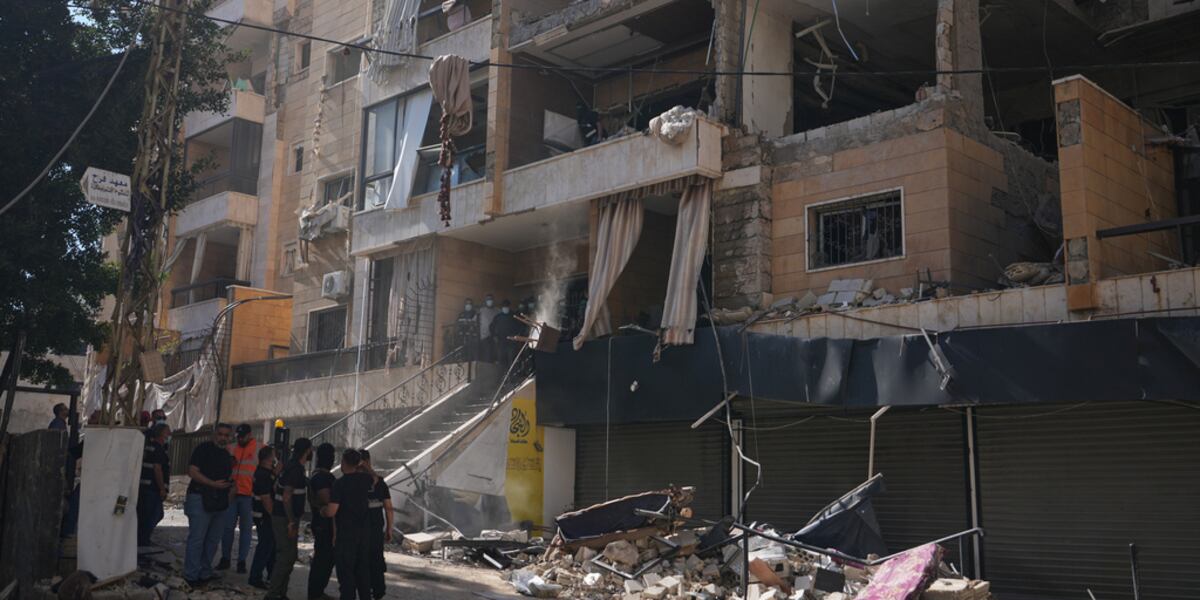
If ceasefire collapses, expect 25-40 day shipping delays to Middle East markets, 200%+ insurance premium spikes, and potential port congestion in UAE/Saudi Arabia. Pre-positioned FBA inventory could face 30-60 day fulfillment delays, damaging BSR and Buy Box eligibility. Mitigation: diversify fulfillment across multiple regions (not just Middle East), maintain 60-day inventory buffer in home country, negotiate force majeure clauses in freight contracts, monitor geopolitical indicators (Israeli military statements, Iranian missile tests) as early warning signals. Consider Suez Canal routing alternatives if Strait of Hormuz closes.
Which seller segments benefit most from this geopolitical shift?
Large sellers ($5M+ revenue) should negotiate long-term freight contracts now, locking in rates before potential cost spikes if ceasefire collapses—potential 8-12% savings on Middle East shipping. Mid-market sellers ($500K-$5M) can pre-position inventory in UAE/Saudi Arabia FBA centers to capture shipping cost normalization. Small sellers (under $500K) should avoid Iran-destined inventory until sanctions formally lift; compliance risk outweighs margin gains. Electronics and machinery categories see highest upside (12-18% margin improvement). Chinese sellers exporting to Middle East gain competitive advantage if regional instability decreases.