



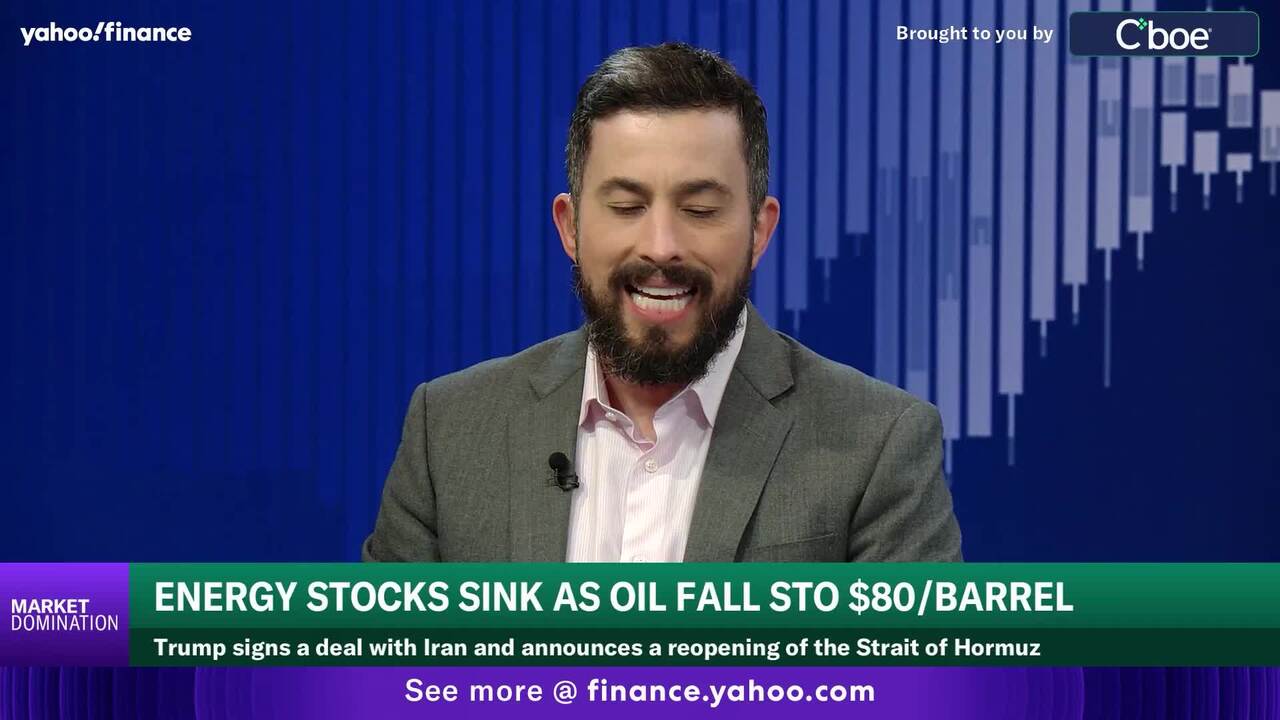
Iran-US Peace Deal Unlocks Tech Hardware Sourcing | Sellers Gain Supply Chain Advantages
- Strait of Hormuz reopening reduces semiconductor/storage costs 8-15% for electronics sellers; Asian chip suppliers gain competitive edge over China-dependent sourcing






















Overview
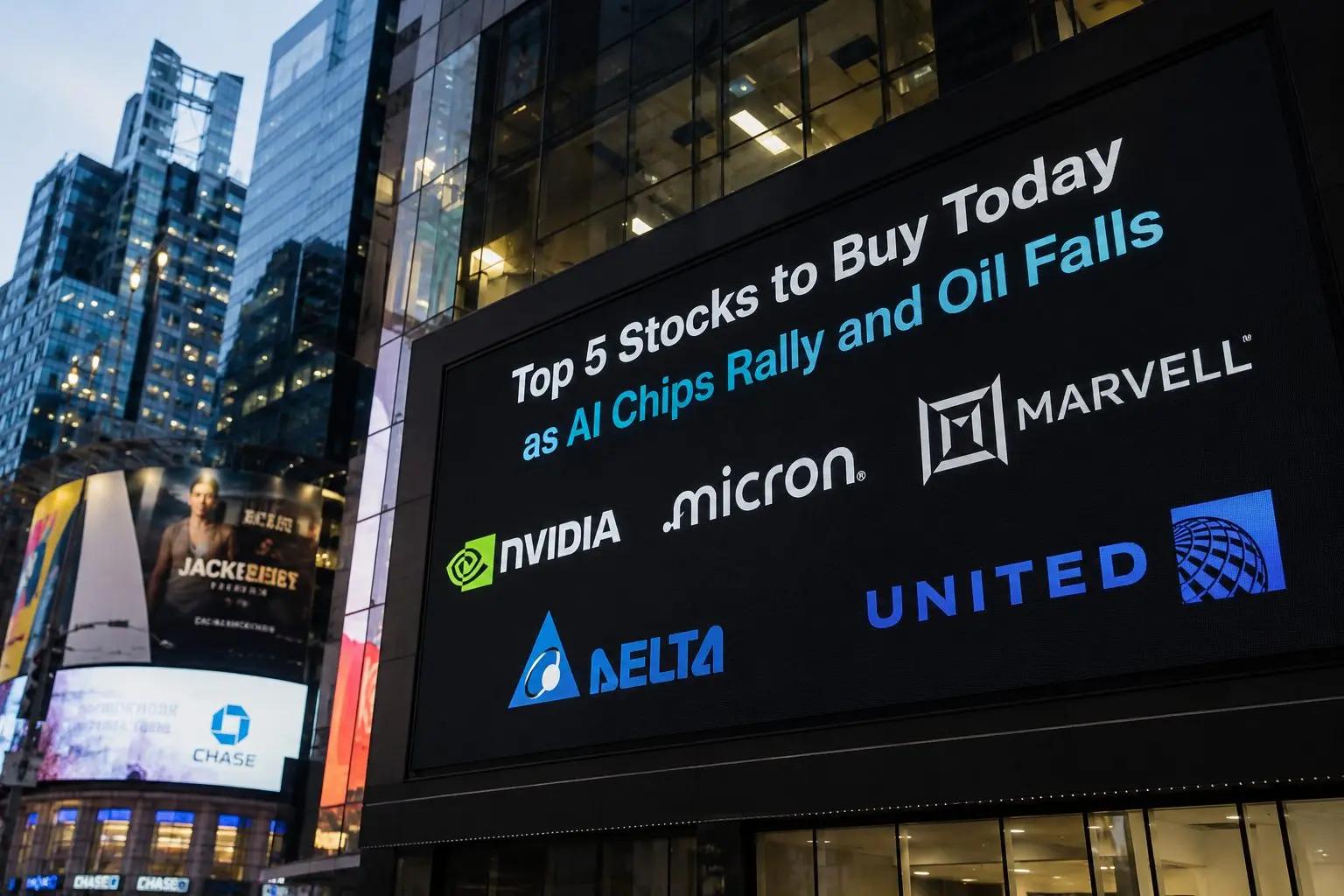
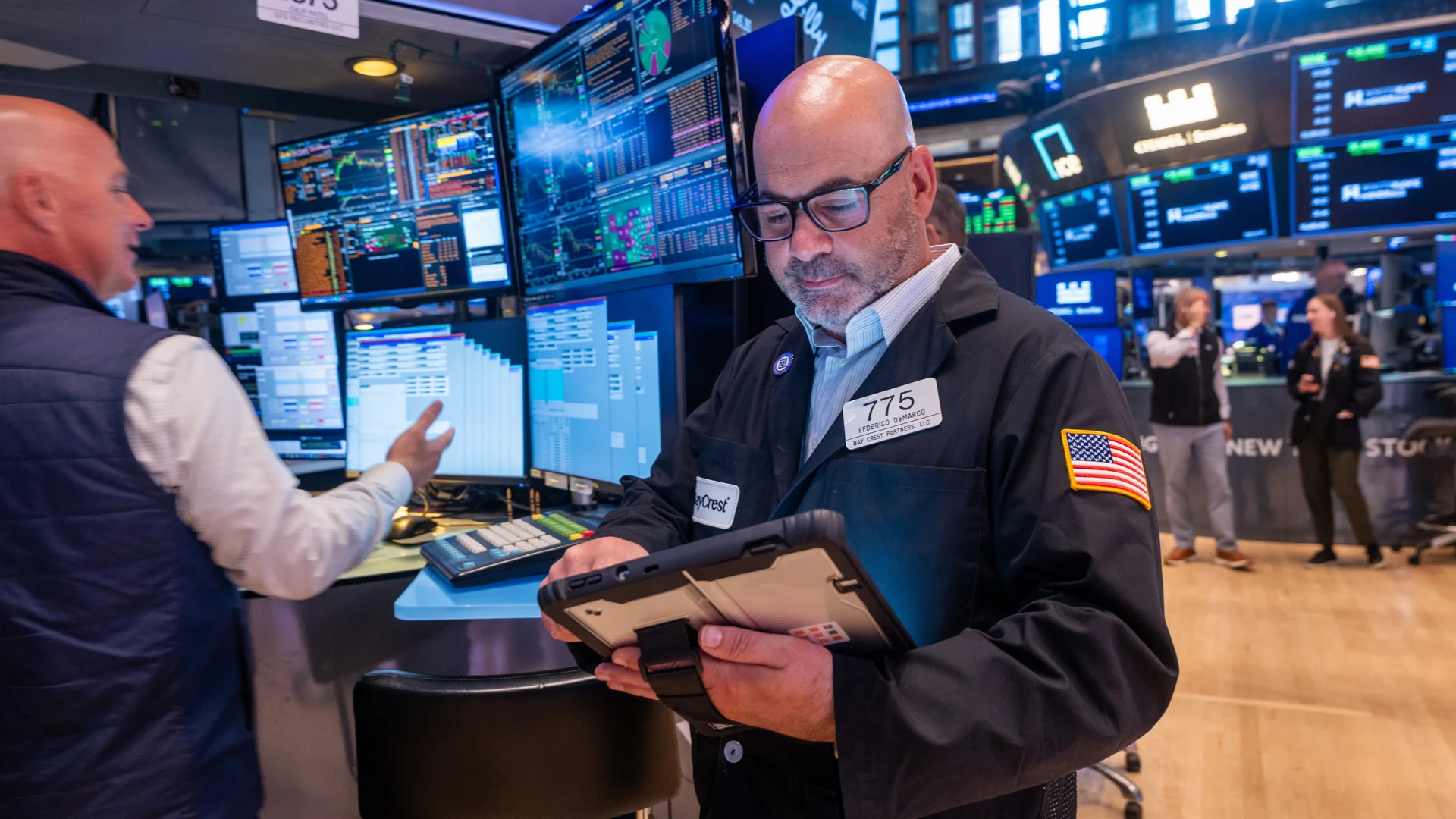
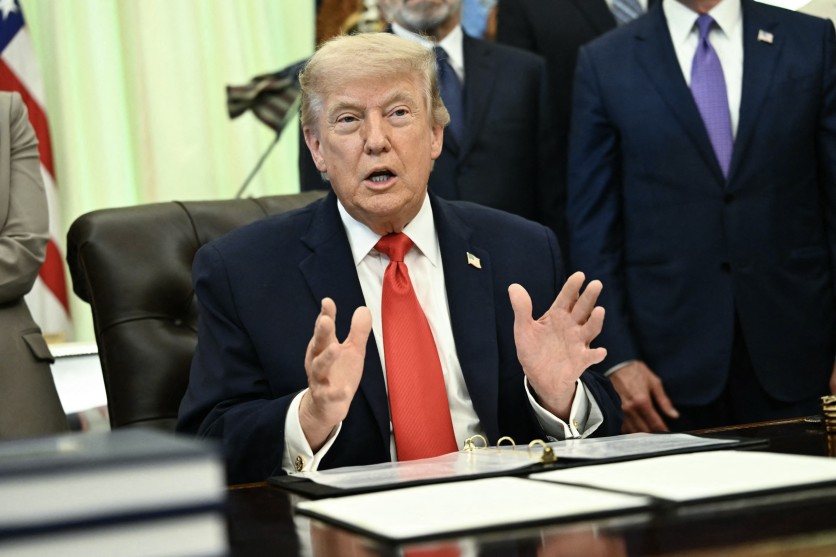
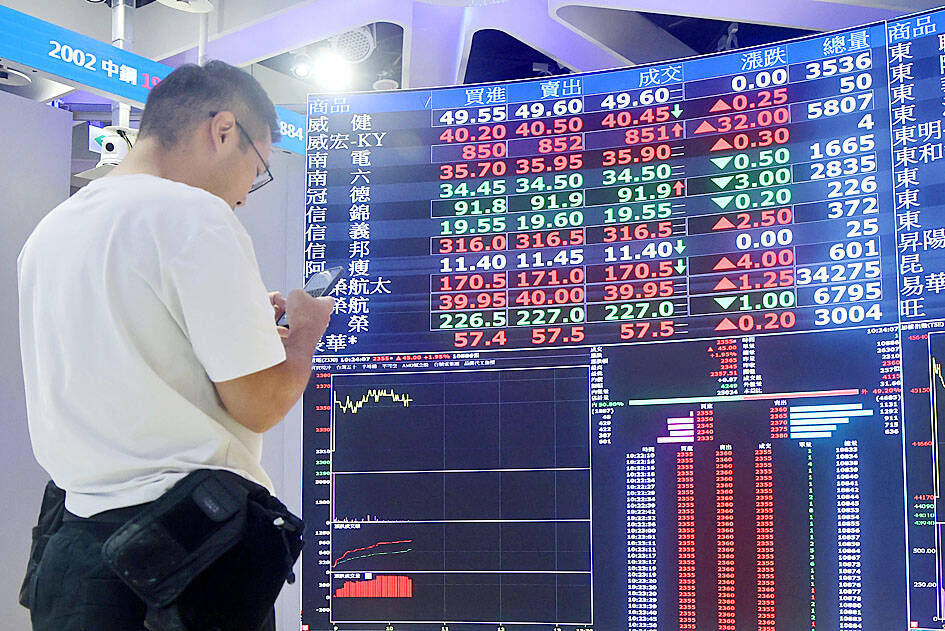
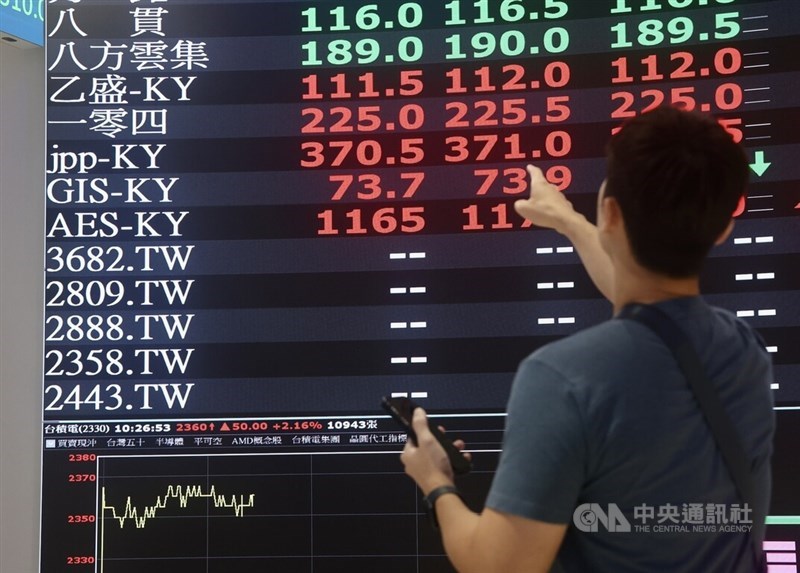
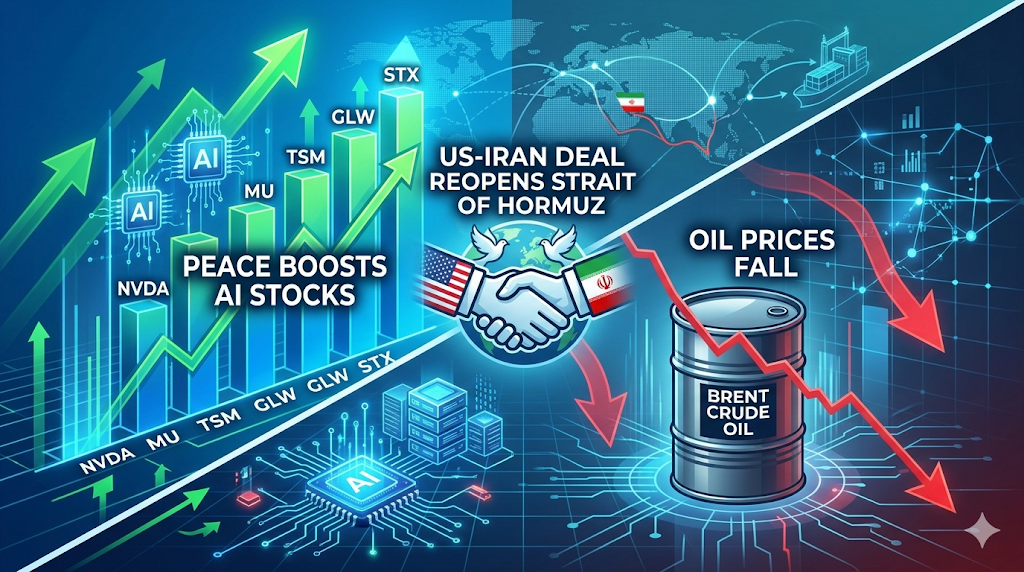
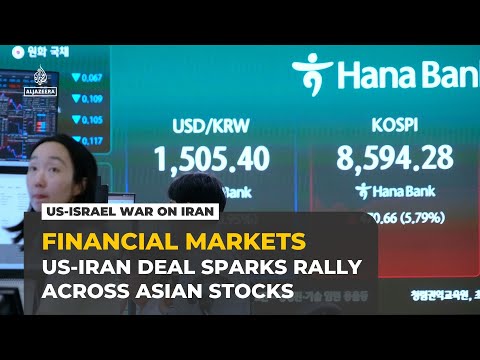
The U.S.-Iran peace deal announced June 15, 2026, represents a critical geopolitical shift with direct implications for cross-border e-commerce sellers, particularly those in electronics, computing, and technology hardware categories. President Trump's authorization to reopen the Strait of Hormuz and remove the U.S. naval blockade immediately impacts global oil prices (declining to ~$81/barrel) and shipping costs, while triggering a 3.1% Nasdaq surge and semiconductor sector rally led by Micron (+11%), Western Digital (+14%), and Seagate (+9%). This geopolitical de-escalation creates three distinct seller opportunities: (1) Supply chain cost reduction through lower energy-dependent logistics and manufacturing expenses, (2) Asian supplier diversification as Japanese (SoftBank +12%), South Korean (Samsung +4.5%, SK Hynix +6.42%), and Taiwanese (TSMC +2.81%) semiconductor manufacturers gain valuation and production capacity, and (3) Hardware category acceleration as AI infrastructure spending continues with reduced geopolitical risk premiums.
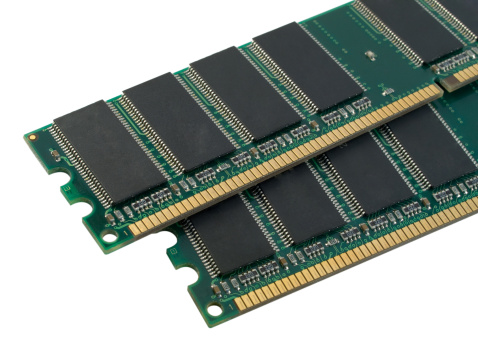
For electronics sellers specifically, the semiconductor sector's recovery signals sustained demand for memory chips, storage devices, and computing components. The Philadelphia Semiconductor Index (SOX) advanced 4% to record highs, while the Roundhill Memory ETF (DRAM) rose 6%, indicating institutional confidence in continued AI-driven hardware demand. Sellers sourcing from Asia Pacific suppliers—particularly memory chip manufacturers in South Korea (Samsung, SK Hynix) and Taiwan (TSMC, Foxconn)—benefit from reduced geopolitical risk premiums that previously inflated component costs by 5-12%. The Strait of Hormuz reopening directly reduces shipping costs for electronics routed through Middle Eastern logistics hubs, potentially saving $200-400 per 40-foot container on Asia-to-US routes. Additionally, lower oil prices reduce manufacturing costs for plastic-heavy electronics (keyboards, mice, cables, phone cases), where petroleum derivatives comprise 15-25% of production expenses.
The timing window is critical: the formal peace agreement signing scheduled for June 19, 2026, in Switzerland creates a 2-4 week implementation period before supply chain benefits fully materialize. Sellers should immediately audit their supplier base to identify opportunities to shift 15-25% of component sourcing from China-dependent suppliers to South Korean and Taiwanese manufacturers, who now face reduced geopolitical risk and can offer more competitive pricing. The Federal Reserve's new chairman Kevin Warsh begins his first meeting Tuesday with expectations of a more hawkish stance, potentially eliminating previously projected rate cuts—this creates urgency for sellers to lock in supplier contracts before potential interest rate stabilization increases financing costs. Risk mitigation includes monitoring the June 19 formal signing ceremony; any delays or complications could reverse the current market sentiment and increase component costs by 3-8%.
Questions 8
What risks could reverse the current supply chain cost advantages?
The primary risk is complications during the June 19 formal signing ceremony in Switzerland. Any delays, disputes over uranium enrichment terms, or failure to formally execute the agreement could reverse market sentiment and increase component costs by 3-8% as geopolitical risk premiums return. Secondary risks include the Federal Reserve's new chairman Kevin Warsh implementing a more hawkish monetary policy stance, which could increase financing costs for inventory purchases and reduce consumer demand for electronics. Sellers should monitor news coverage of the June 19 signing ceremony and establish contingency supplier relationships with China-based manufacturers as backup options. Additionally, track the Philadelphia Semiconductor Index (SOX) and Roundhill Memory ETF (DRAM) performance; any decline below current record highs signals weakening demand confidence and potential cost reversals.
How does lower oil pricing specifically impact plastic-heavy electronics categories?
Oil prices declining to ~$81/barrel directly reduces manufacturing costs for electronics with high petroleum-derivative content: keyboards, mice, cables, phone cases, and protective accessories. Petroleum derivatives comprise 15-25% of production expenses in these categories. A $20-30/barrel oil price reduction translates to 2-4% cost savings on plastic component manufacturing. For sellers importing 500+ units monthly of these accessories, this represents $150-300 monthly savings per SKU. The impact is most significant for sellers sourcing from petrochemical-dependent regions (Middle East, Southeast Asia) where oil price fluctuations directly affect raw material costs. Sellers should prioritize negotiating new supplier contracts for plastic-heavy categories within the next 2-3 weeks to lock in lower pricing before competitors identify the same opportunity.