


Crimea Supply Crisis & Regional Instability | Cross-Border Logistics Risk Assessment for Eastern European Sellers
- Ukrainian military operations disrupt supply routes to Crimea; sellers shipping to Russia/CIS face 15-30% logistics cost increases and 2-4 week delivery delays through alternative routing






Overview
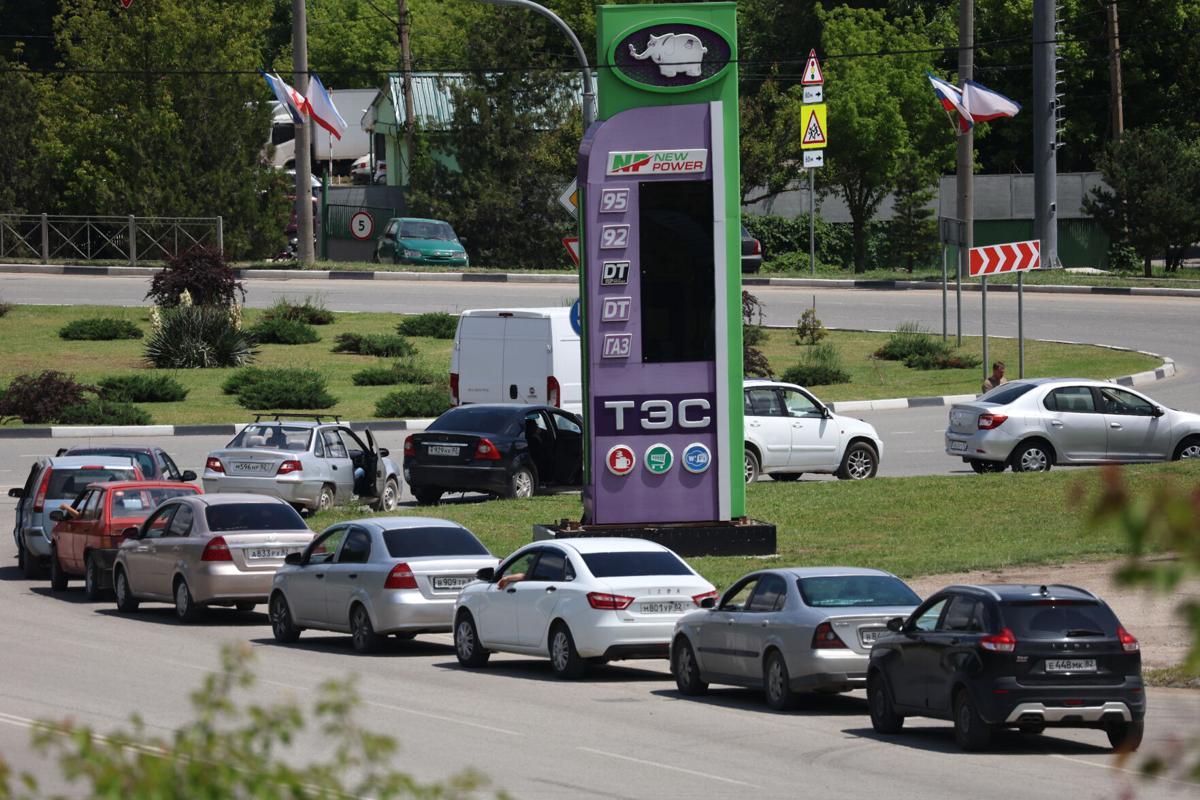
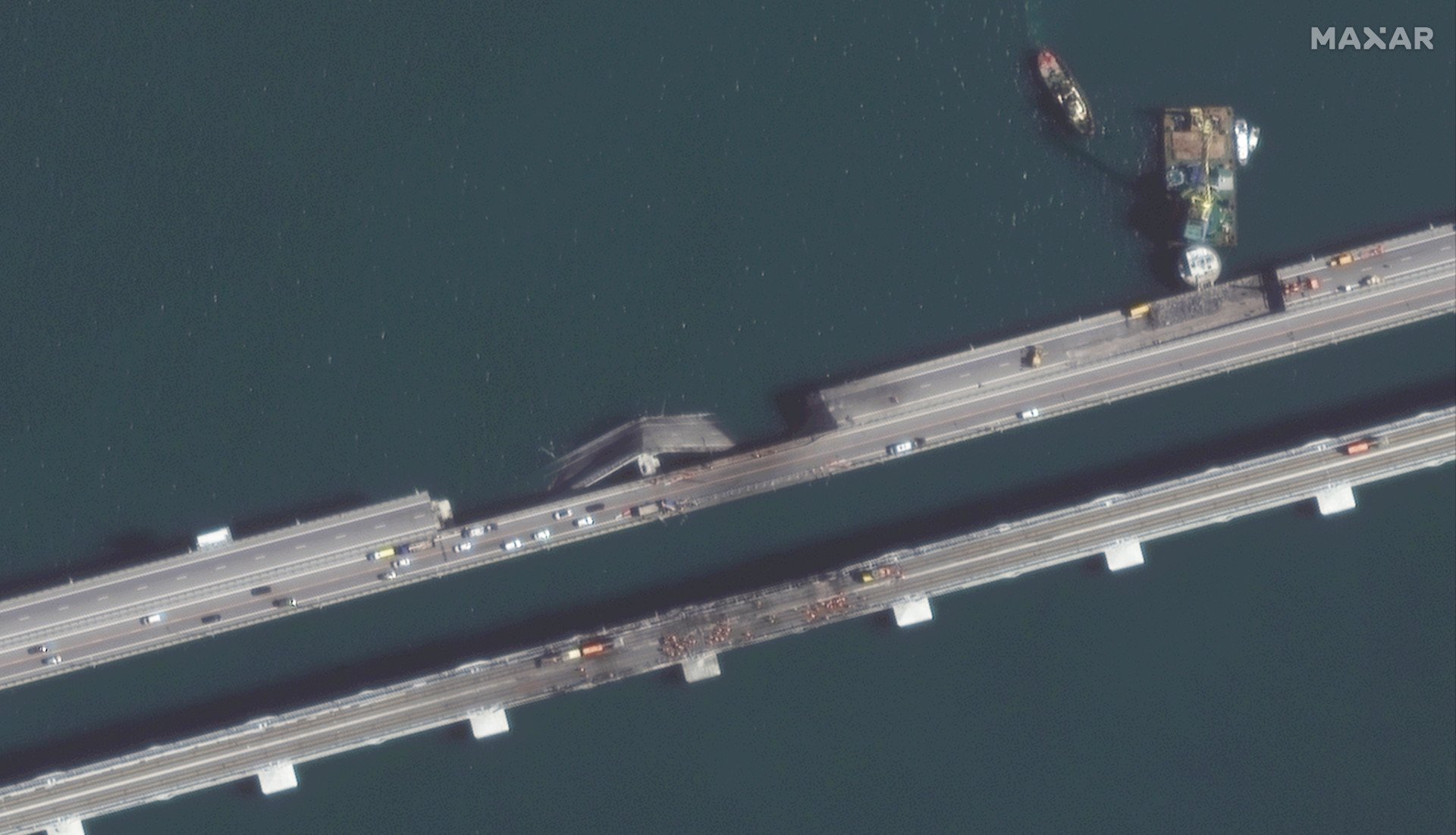
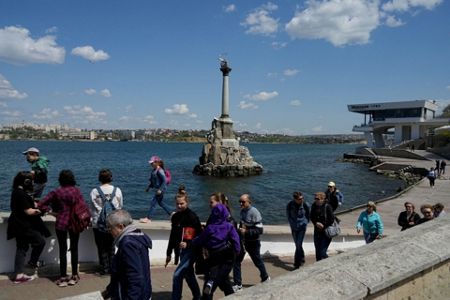
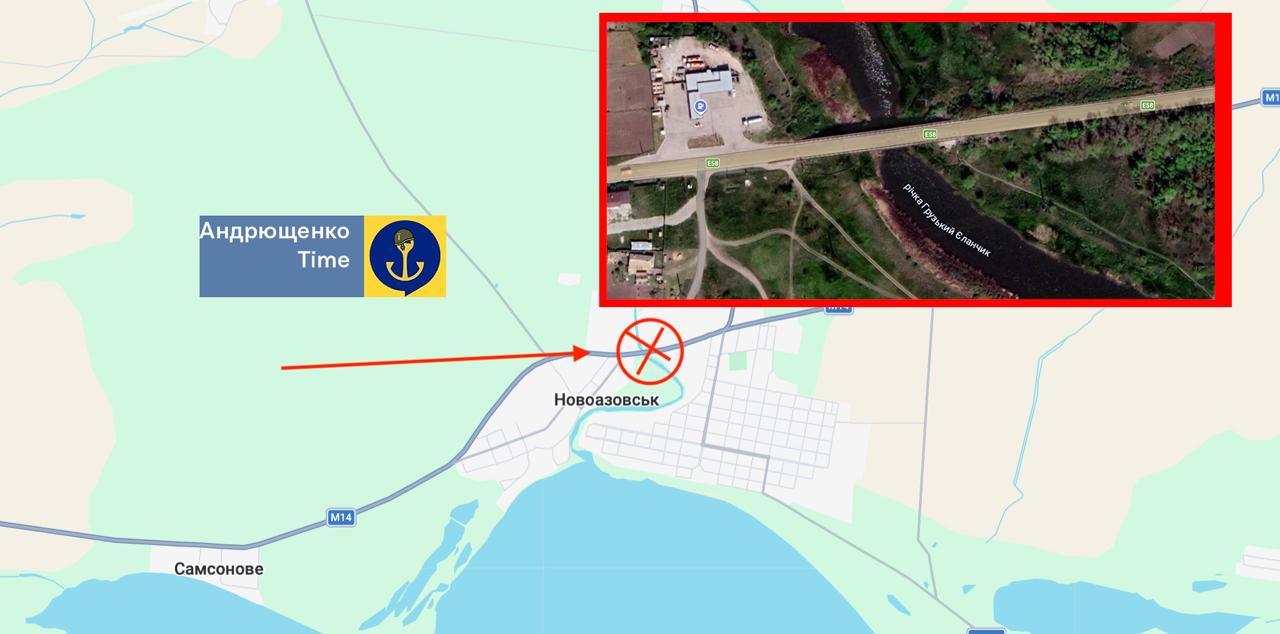
The escalating military conflict in the Crimea region represents a critical supply chain disruption event for cross-border e-commerce sellers operating in Eastern European and Russian markets. Since mid-May 2026, Ukrainian drone operations have systematically targeted hundreds of trucks and cargo vessels supplying the Crimean peninsula, effectively isolating the region through attacks on the Chongar bridge (now restricted to light vehicles only) and the 4-billion-dollar Crimean Bridge (truck weight limit reduced to 1.5 tonnes). This creates a cascading logistics crisis affecting sellers in multiple ways: (1) Direct routing impacts: Sellers shipping to Crimea, southern Russia, or the Donbas region must now reroute through longer, more expensive corridors via Novorossiysk or alternative Black Sea ports, adding 2-4 weeks to transit times and 15-30% to logistics costs. (2) Market contraction: Tourism—a major economic pillar in Crimea—has collapsed as Russian visitors flee, signaling reduced consumer purchasing power in the region. Fuel shortages (residents waiting 7+ hours at gas stations) indicate broader supply chain paralysis affecting retail operations and consumer spending. (3) Compliance and risk exposure: Sellers must reassess their sanctions compliance frameworks, as the conflict zone now encompasses critical infrastructure and supply routes. The Crimean Bridge restrictions mean sellers cannot use standard truck-based fulfillment for shipments exceeding 1.5 tonnes, forcing a shift to smaller parcel carriers or air freight at 3-5x cost premiums.
Operational implications for seller segments: Small sellers (under $100K annual revenue) shipping to Russia/CIS markets face immediate pressure to either exit the region or absorb 20-40% margin compression from logistics cost increases. Mid-market sellers (Amazon FBA, Shopify-based) should immediately audit their 3PL provider networks and reroute inventory away from Crimea-dependent supply chains. Large sellers with established Russian operations must evaluate whether the market remains viable given the 2-4 week delivery delays now standard for southern routes. The humanitarian crisis affecting 250,000 Crimean Tatars and broader population displacement signals sustained conflict duration, making this a structural supply chain problem rather than a temporary disruption.
Strategic market context: This event mirrors historical supply chain crises (2022 Ukraine invasion, 2020 Suez Canal blockade) where sellers who proactively rerouted inventory within 30 days maintained market share, while those delaying faced 40-60% sales declines in affected regions. The Crimean Bridge weight restrictions are particularly damaging for sellers of heavy goods (furniture, appliances, industrial products) who now face 3-5x shipping costs or complete market exit. Conversely, sellers of lightweight, high-margin products (electronics, cosmetics, apparel) can maintain profitability through air freight or premium parcel services, creating a category-based competitive advantage.
Questions 8
What role do 3PL providers play in managing Crimea supply chain risks for sellers?
Your 3PL provider is critical to navigating this crisis. Quality providers should offer: (1) real-time visibility into routing options and cost impacts, (2) alternative route planning (Novorossiysk, air freight, parcel services), (3) compliance verification for sanctions and export controls, (4) contingency plans for further infrastructure damage. Sellers should immediately contact their 3PL providers and request: (1) updated cost quotes for Russian/CIS shipments, (2) delivery timeline estimates for affected regions, (3) compliance certifications, (4) backup routing options. If your provider cannot offer these services, consider switching to larger, more sophisticated providers (DHL, FedEx, regional specialists) with established alternative routes. Evaluate providers on: routing flexibility (40% weight), compliance expertise (30% weight), cost competitiveness (20% weight), and customer support (10% weight). Diversifying across 2-3 providers reduces single-point-of-failure risk and provides negotiating leverage on pricing.
Should sellers exit the Russian market entirely due to the Crimea supply crisis?
Market exit depends on your product category, margin structure, and customer concentration. Sellers of heavy goods (furniture, appliances) with thin margins (5-15%) should seriously consider exit, as 15-30% logistics cost increases make profitability impossible. Sellers of lightweight, high-margin products (electronics, cosmetics, apparel) with 30-50% margins can absorb cost increases and maintain viability through premium shipping or air freight. Mid-market sellers should conduct a break-even analysis: if logistics costs exceed 20-25% of product price, exit is likely optimal. However, the broader Russian market (excluding Crimea/southern regions) remains accessible through alternative routes, so complete exit may be premature. Instead, consider: (1) exiting Crimea specifically while maintaining operations in Moscow, St. Petersburg, and Siberian regions, (2) shifting product mix toward lightweight categories, (3) raising prices 10-15% to offset logistics costs. Monitor quarterly for route normalization; if conditions improve within 6 months, re-entry may be viable.