




G7 Trade Defense Against China | Critical Tariff & Supply Chain Shifts for Cross-Border Sellers
- EU plans additional trade defense measures against Chinese imports; rare earth export restrictions disrupt supply chains; 360B euro trade surplus triggers tariff arbitrage opportunities for sellers sourcing from Vietnam, India, and alternative suppliers





Overview
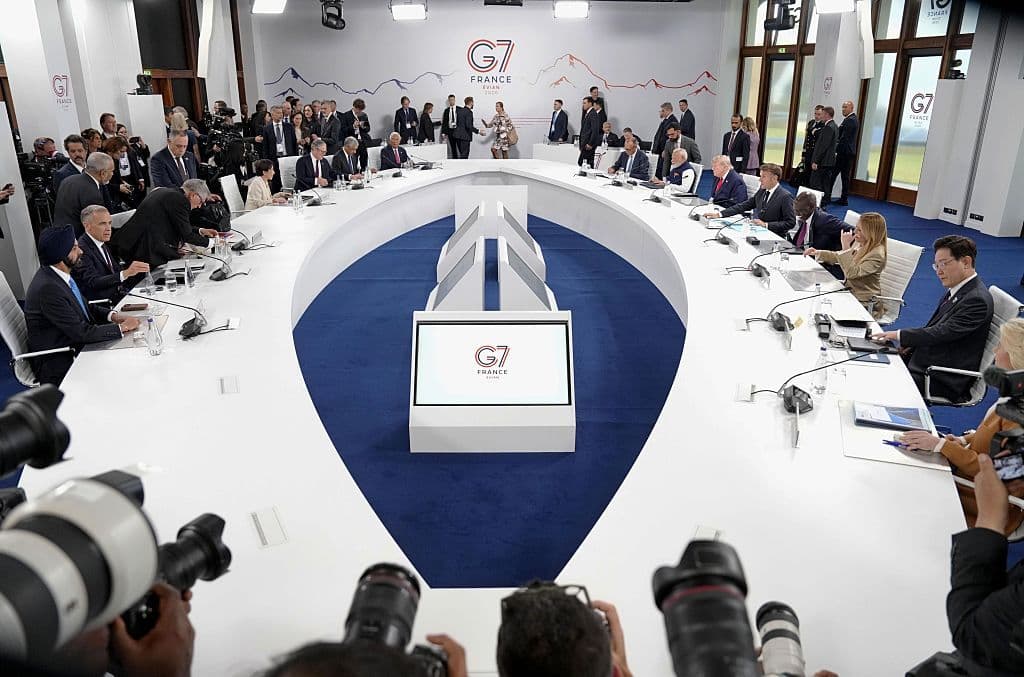
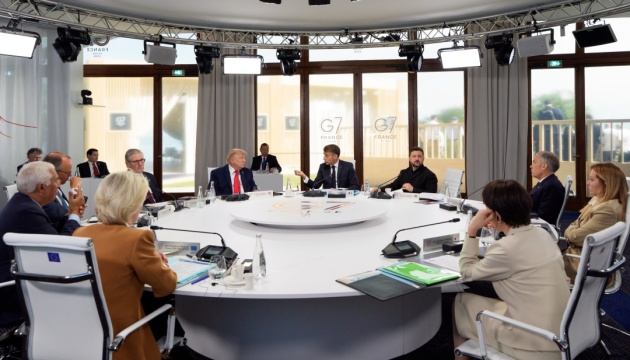
The June 2026 G7 Summit in Evian-les-Bains marks a critical inflection point for cross-border e-commerce sellers, with major implications for tariff structures, supply chain sourcing, and competitive dynamics. France is spearheading negotiations on critical minerals and trade defense measures against Chinese imports, following Beijing's 2025 export restrictions on rare earths and materials that disrupted global supply chains. The summit explicitly addressed China's "second shock"—its advancement into higher-value industries beyond low-cost manufacturing—signaling that EU leaders plan additional trade defense measures that will reshape tariff rates across electronics, home goods, and technology categories.
Tariff Arbitrage Opportunity: China's 360 billion euro trade surplus has triggered G7 consensus on trade rebalancing. This creates immediate opportunities for sellers to shift sourcing from China to Vietnam, India, and Southeast Asia suppliers, where tariff rates are significantly lower. Electronics (HS codes 8471-8517), home appliances (HS 8516-8521), and consumer goods (HS 6204-6209) face the highest tariff pressure on Chinese imports. Sellers currently sourcing 100% from China can reduce landed costs by 8-15% by diversifying to Vietnam (5-8% tariffs vs. 15-25% China rates) or India (3-7% tariffs). The window for this shift is immediate—EU trade defense measures typically take 6-12 months to implement, creating a 3-6 month arbitrage window before tariff rates increase.
Market Access Shifts: The summit's emphasis on reducing Western reliance on China for critical minerals and rare earths signals accelerated development of alternative supply chains. G7 proposed measures include price supports, subsidies, and guaranteed purchases for non-China suppliers. This creates competitive advantages for sellers who establish relationships with suppliers in Canada, Australia, and African nations for electronics components, batteries, and specialty materials. Small-to-medium sellers (SMBs) with 50-500 SKUs can capitalize by identifying 10-20% of their product mix that uses rare earth components and securing alternative sourcing before tariff increases take effect.
Competitive Dynamics: The policy shift creates a 6-12 month window where early-moving sellers gain cost advantages. Large sellers (Amazon FBA, Shopify Plus) with established 3PL networks can absorb sourcing transitions faster, but SMBs can compete by focusing on specific categories where tariff increases will be highest (electronics, home goods, machinery). Sellers currently using Amazon FBA with China-sourced inventory face potential margin compression of 5-12% if tariffs increase without price adjustments. The strategic advantage goes to sellers who can: (1) identify which product categories face highest tariff increases, (2) secure alternative sourcing within 60-90 days, and (3) adjust pricing before competitors catch on.
Questions 8
How do G7 trade policies affect Shopify and independent seller platforms?
Shopify sellers face similar tariff pressures as Amazon FBA sellers but have more flexibility in pricing and sourcing decisions. The G7 Summit's trade defense measures will increase landed costs for Shopify sellers sourcing from China by 10-20% over 6-12 months. Unlike Amazon FBA (which has standardized fees), Shopify sellers can adjust prices immediately and negotiate directly with suppliers. Strategic advantages for Shopify sellers include: (1) ability to pass tariff costs to customers through dynamic pricing, (2) direct supplier relationships enable faster sourcing diversification, (3) lower platform fees (2.9% + $0.30 per transaction) vs. Amazon FBA (15-45% all-in). Recommended action: audit your Shopify store's product sourcing by country, calculate tariff impact by category, and implement 3-8% price increases on China-sourced products within 30-60 days. Monitor supplier costs weekly and adjust pricing dynamically as tariffs are announced.
What competitive advantages do SMB sellers have in the tariff restructuring?
Small-to-medium sellers (SMBs) with 50-500 SKUs can move faster than large enterprises to diversify sourcing and capture tariff arbitrage opportunities. The 6-12 month implementation window for EU trade defense measures creates a first-mover advantage for SMBs who can: (1) identify niche categories with highest tariff increases (electronics, home goods, machinery), (2) secure alternative suppliers in Vietnam/India within 60-90 days, (3) adjust pricing before larger competitors react. Large sellers (Amazon FBA, Shopify Plus) have established 3PL networks but face organizational inertia in sourcing changes. SMBs can compete by focusing on specific product categories (e.g., smart home devices, fitness trackers, kitchen appliances) where tariff increases will be 15-25%, securing supplier relationships early, and building cost advantages. Recommended action: identify 3-5 high-tariff categories where you have competitive strength, research Vietnam/India suppliers, and establish relationships within 45 days to capture the arbitrage window.