


Fed Rate Hold & Inflation Uncertainty | E-Commerce Financing & Currency Risk Alert for 2026
- Unchanged rates maintain borrowing costs; inflation concerns signal potential future hikes affecting inventory financing and cross-border seller margins by 3-8%








Overview
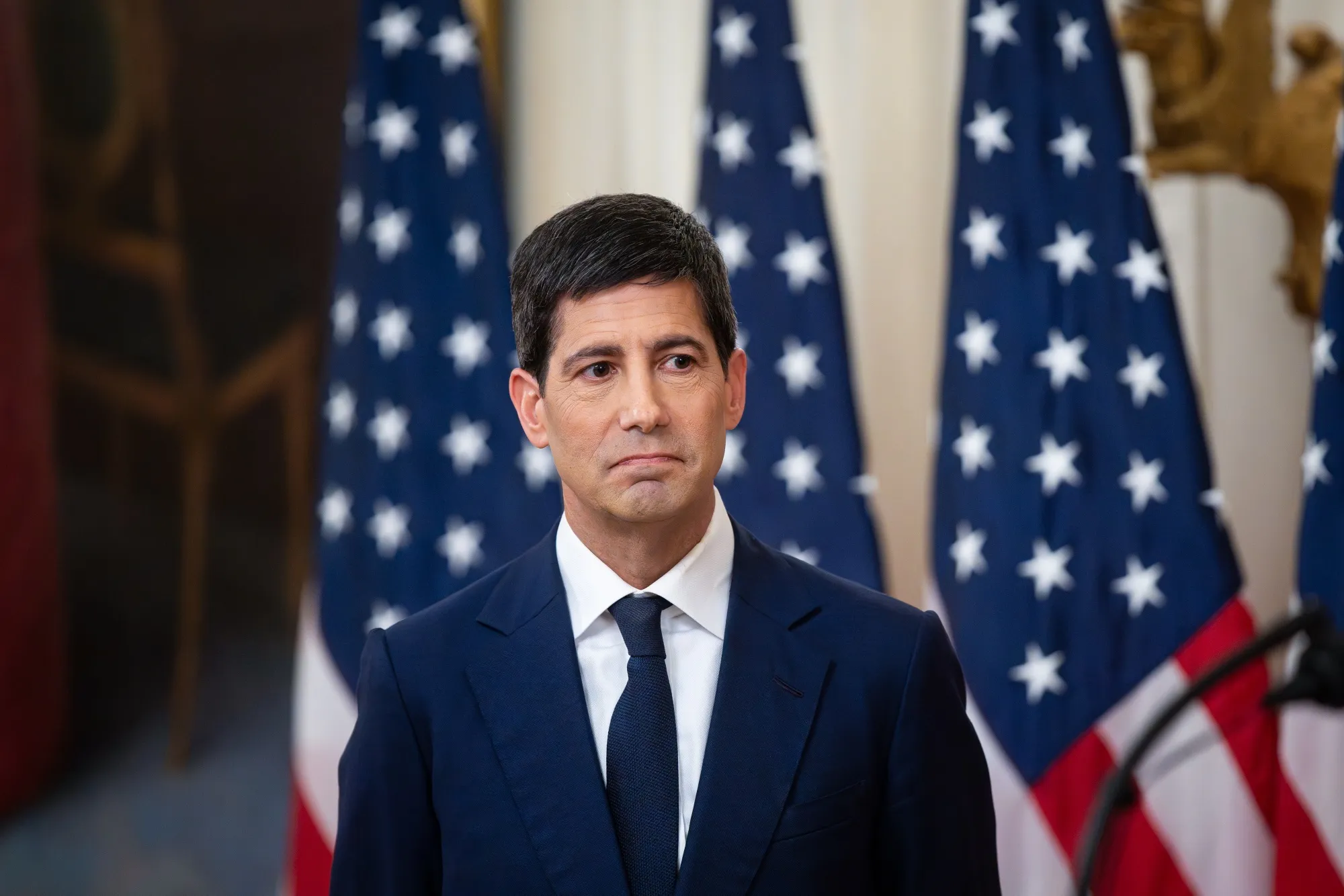
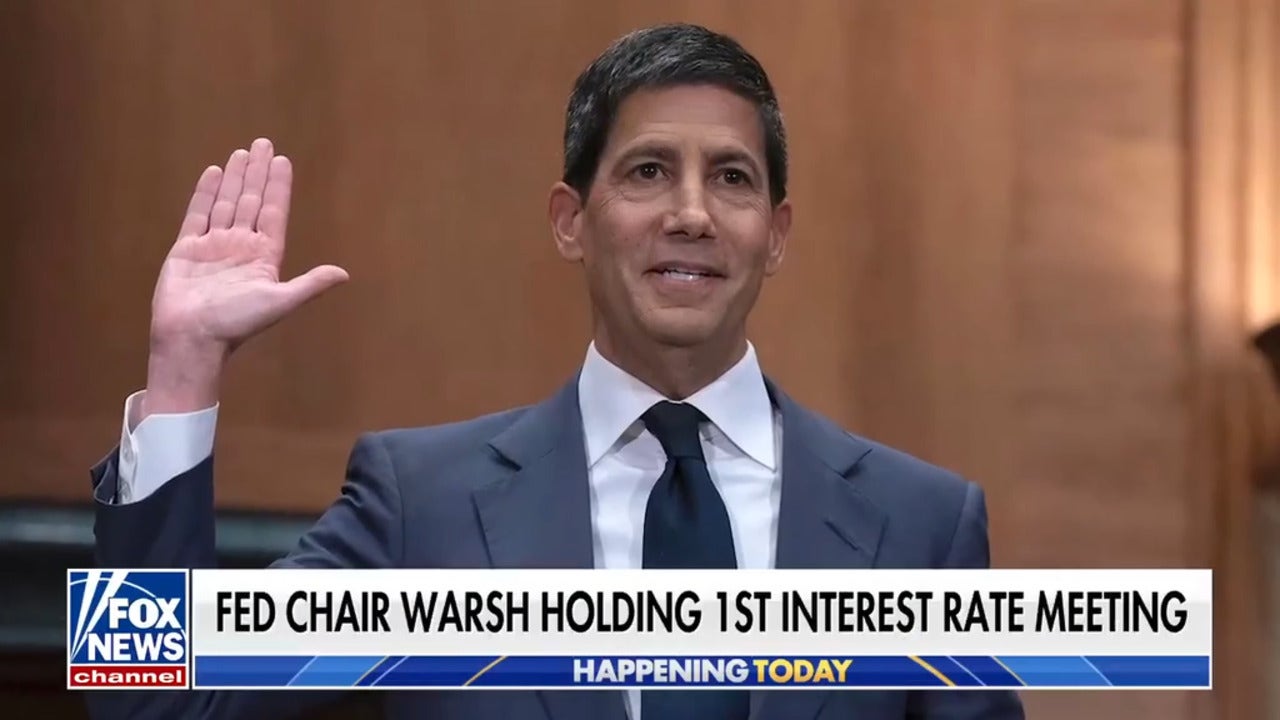
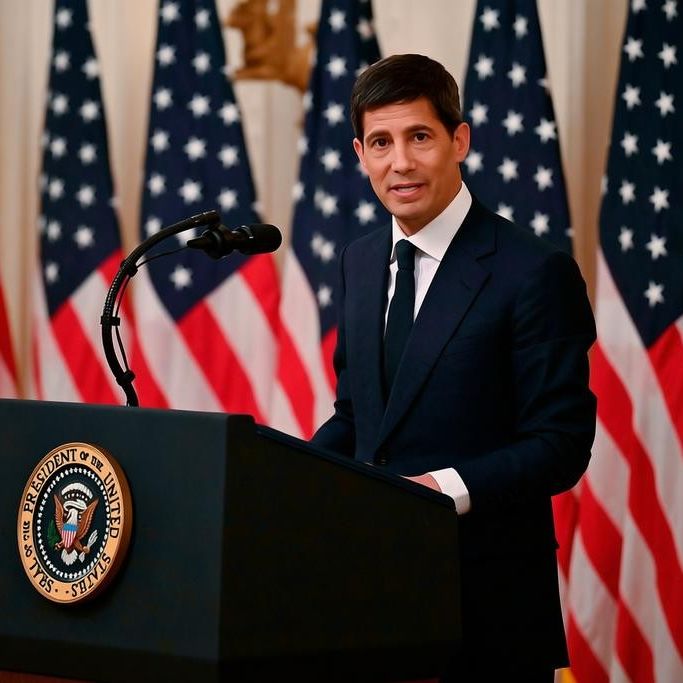
Federal Reserve Chair Kevin Warsh's inaugural policy meeting on June 17, 2026, maintained interest rates unchanged amid competing economic pressures—persistent inflation above target levels and a robust jobs market. This decision creates a critical inflection point for cross-border e-commerce sellers, as the Fed's cautious "wait-and-see" approach masks significant internal divisions and external Trump administration pressure for lower rates. The unchanged rate decision directly impacts three core seller operations: (1) Inventory Financing Costs: With rates held steady, sellers financing inventory through business lines of credit face continued elevated borrowing costs of 8-12% annually, compared to pre-2022 rates of 3-4%. Small-to-medium sellers (SMBs) with $500K-$5M annual revenue are most vulnerable, as they lack institutional financing access. (2) Currency Volatility & International Trade: The Fed's inflation concerns signal potential future rate hikes, creating currency exchange rate uncertainty for sellers sourcing from China, India, and Vietnam. A 2-3% USD appreciation against major trading currencies could compress margins by 4-6% on imported goods. News 2 explicitly notes that "sellers relying on international suppliers face currency volatility risks tied to Fed policy expectations." (3) Consumer Spending Dynamics: The strong jobs market supports discretionary spending, benefiting consumer electronics, apparel, and home goods categories. However, inflation concerns may pressure lower-income consumer segments (40% of e-commerce volume), potentially reducing demand for non-essential categories by 5-10% in Q3-Q4 2026.
The underlying tension—Warsh navigating divided Fed officials while resisting Trump administration pressure for rate cuts—signals policy unpredictability. News 3 highlights that "internal Fed divisions center on the appropriate pace of rate adjustments, inflation targets, and regulatory approaches," creating uncertainty about whether future moves involve rate hikes (supporting USD strength and import costs) or cuts (reducing financing costs but weakening currency). This ambiguity directly affects seller financial planning: those hedging currency exposure or locking in inventory financing rates face timing risks. The crude oil price data from News 1 ($79/barrel, lowest since Iran tensions) indicates geopolitical risk remains elevated, potentially affecting logistics costs and shipping timelines from Asia-Pacific regions.
For cross-border sellers, the immediate implication is rate stability masking medium-term uncertainty. Sellers should monitor Fed communications for inflation trajectory signals—if inflation remains above 2.5% through Q3 2026, rate hikes become likely, increasing financing costs 50-100 basis points. Conversely, if inflation moderates, rate cuts could reduce borrowing costs by 2-3% annually. The strong jobs market provides near-term consumer demand support, but sellers must prepare for potential margin compression if rates rise while consumer spending softens due to inflation concerns.
Questions 8
How should I adjust my financial planning given the uncertainty between potential rate hikes versus cuts?
The Fed's internal divisions (News 3) create policy unpredictability—future moves could involve rate hikes (if inflation persists) or cuts (if growth slows). This uncertainty requires scenario planning: (1) **Rate Hike Scenario**: Lock in fixed-rate financing now; increase prices 2-3% to protect margins; reduce inventory levels by 15-20% to minimize carrying costs. (2) **Rate Cut Scenario**: Maintain current inventory levels; consider expansion financing at lower future rates; invest in marketing to capture market share. Create a decision trigger: if Fed inflation data (released monthly) stays above 2.5% for two consecutive months, assume rate hikes and implement scenario 1. If inflation drops below 2.0%, assume rate cuts and implement scenario 2. Review quarterly based on Fed communications.
Should I expect tariff policy changes based on the Trump administration's pressure on the Fed for lower rates?
The Trump administration's public advocacy for lower interest rates (News 3) suggests a pro-growth, potentially pro-tariff policy stance. News 2 indicates that 'the Fed's inflation concerns may influence future tariff policies and trade negotiations affecting import-export operations.' While the Fed maintains formal independence, political pressure could influence trade policy direction. Expect potential tariff increases on Chinese imports in H2 2026 if the administration pursues protectionist measures. Begin diversifying sourcing away from China toward Vietnam, India, or Mexico now. Calculate tariff impact scenarios (10%, 15%, 25% rates) on your top 20 SKUs and adjust pricing strategies accordingly. Monitor USTR (US Trade Representative) announcements weekly.