


China-Myanmar Economic Corridor Expansion | Cross-Border Trade Corridor Opportunities for Sellers
- Xi Jinping's state visit diplomacy unlocks $1.3B+ infrastructure projects, reshaping Southeast Asia logistics networks and tariff corridors for cross-border sellers targeting Myanmar and regional markets
















Overview
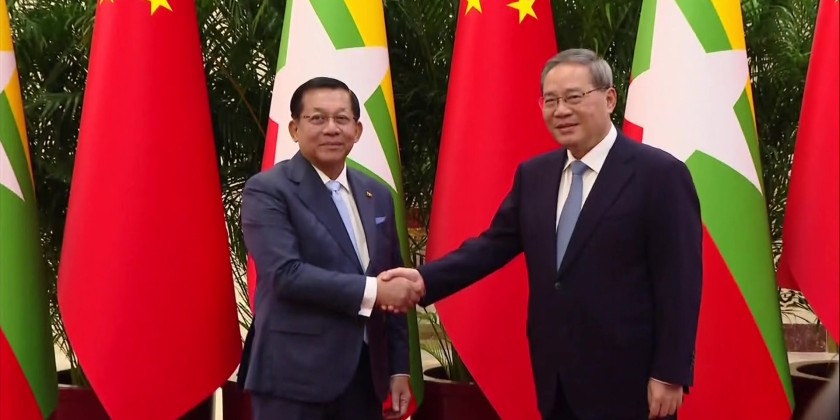
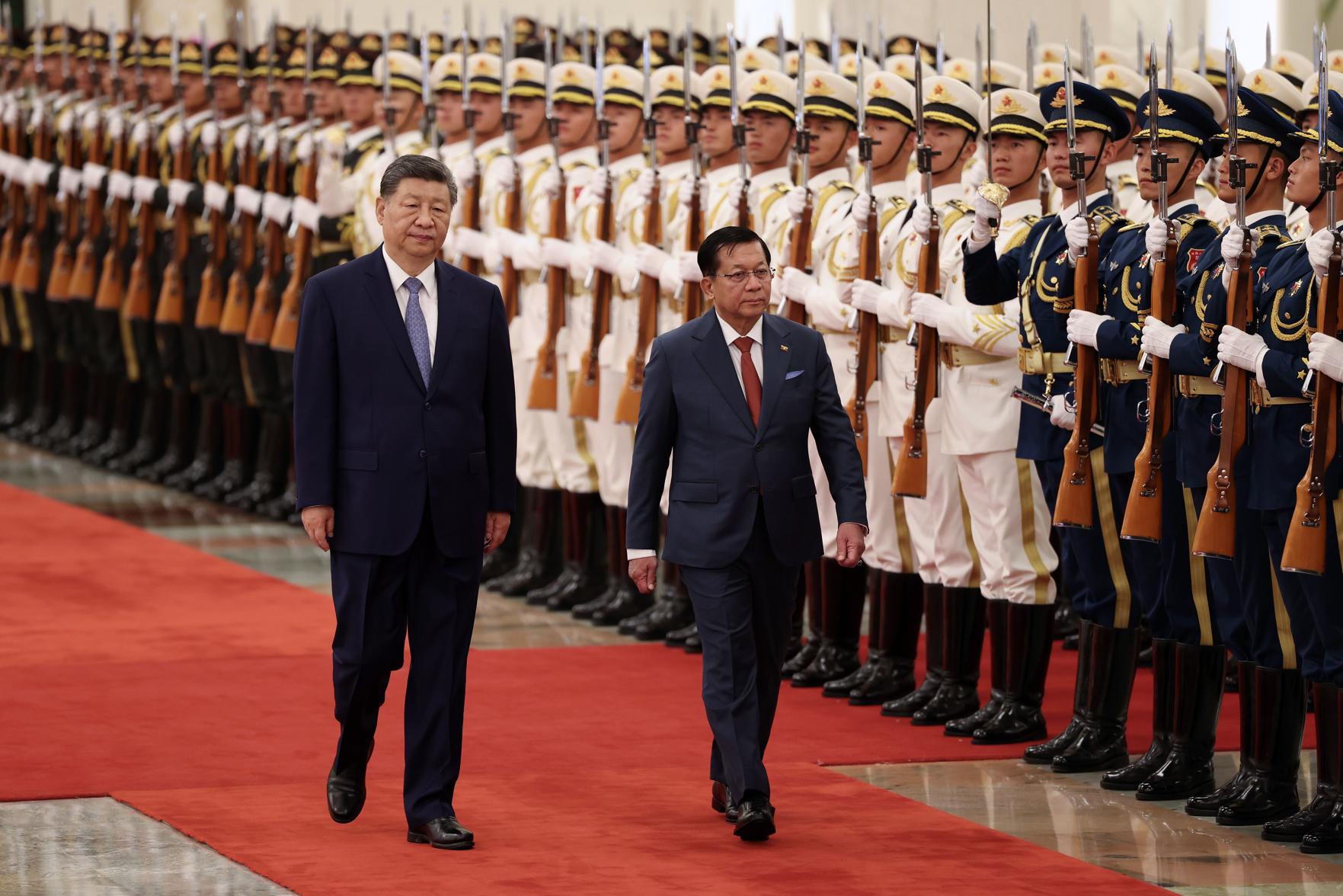
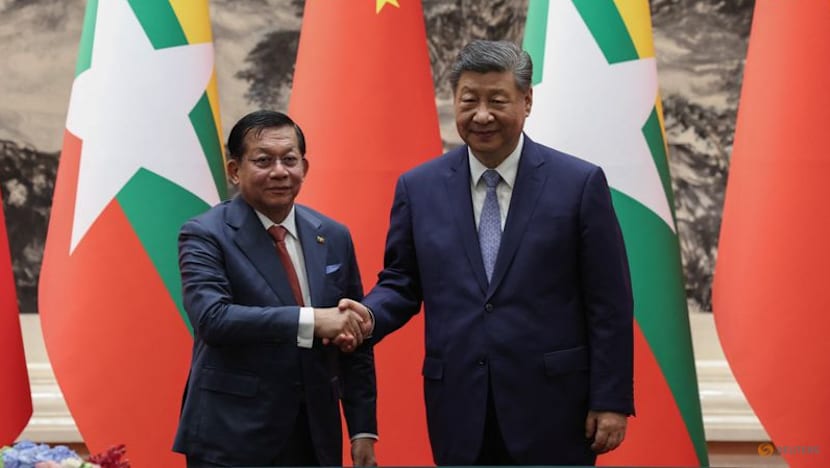
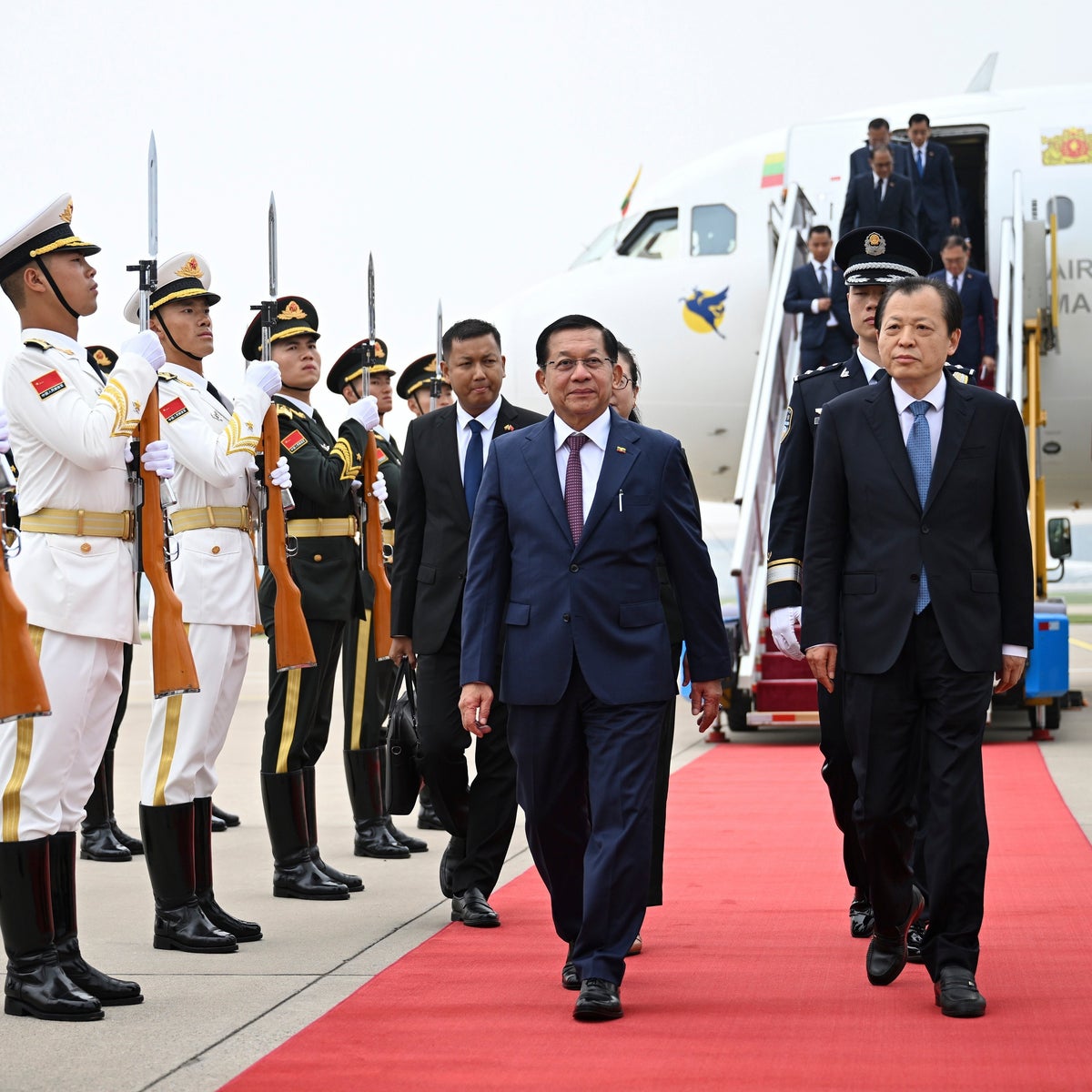
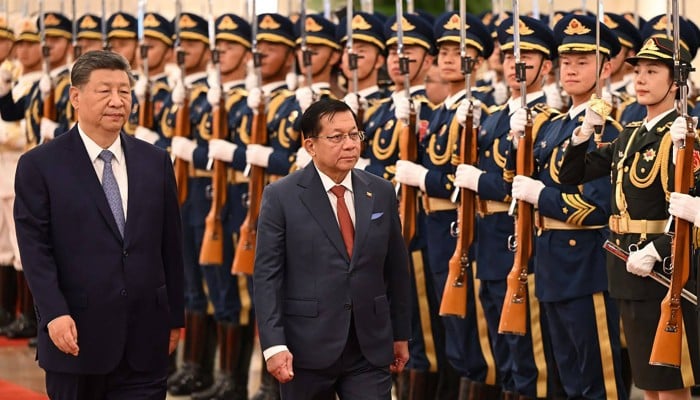
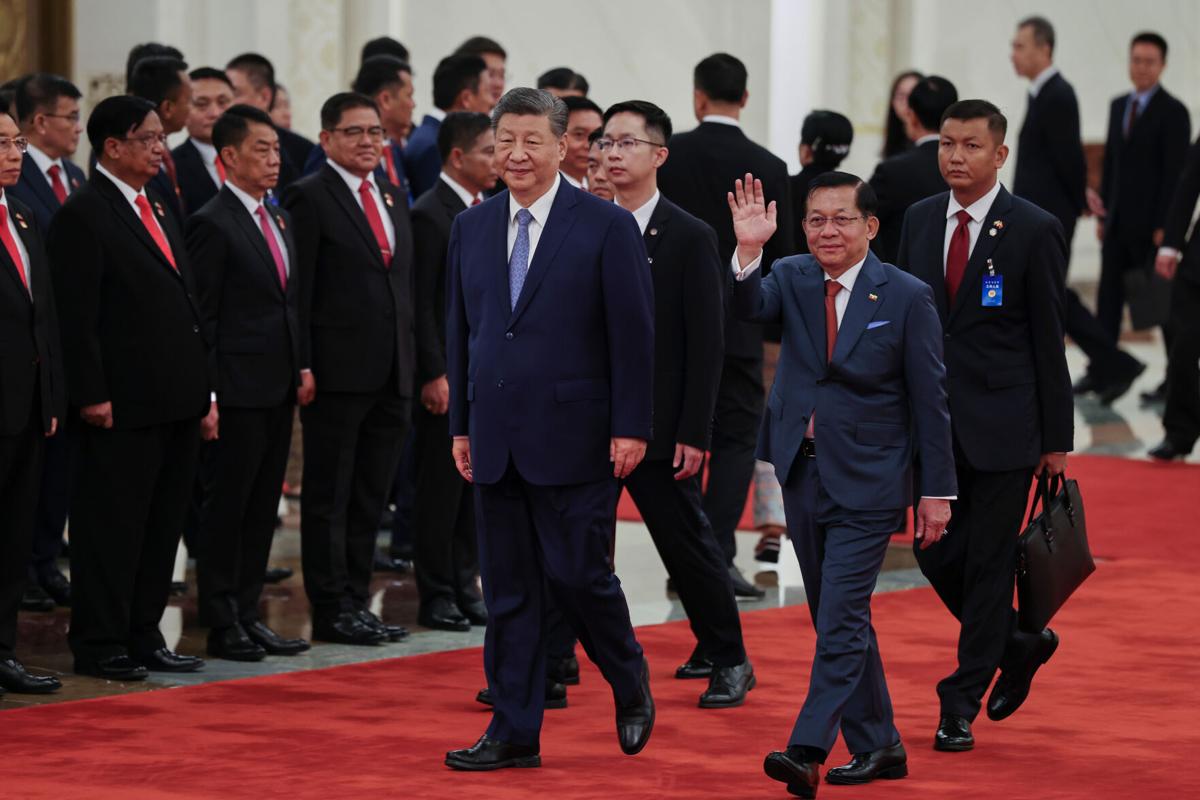
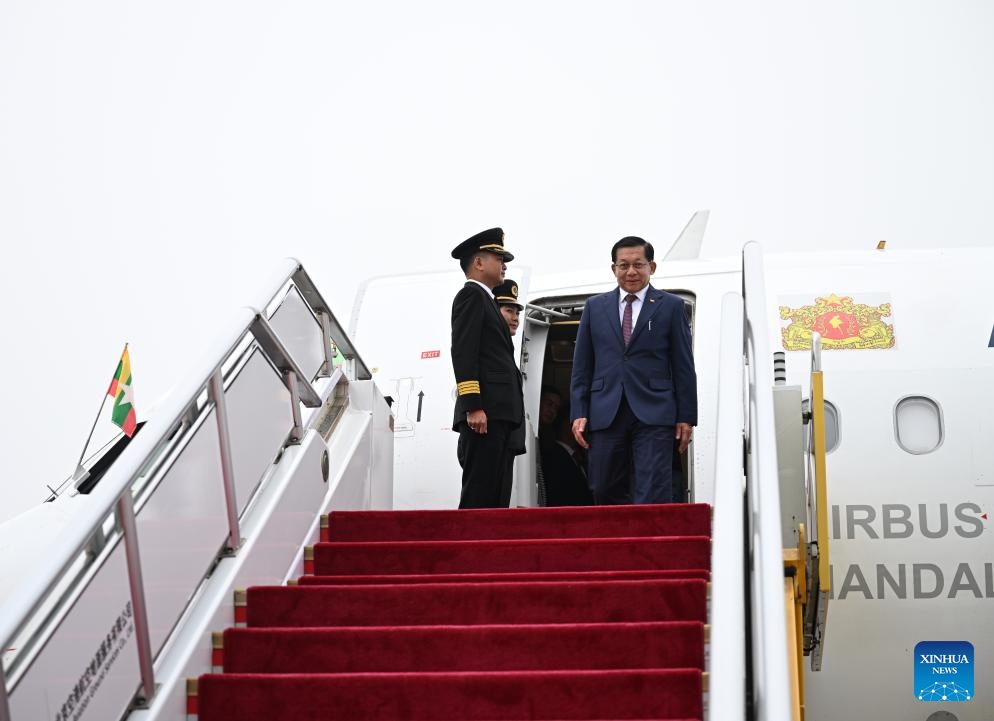
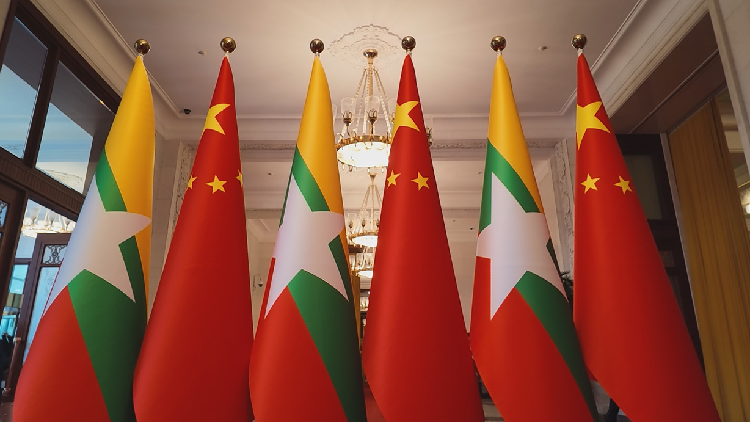
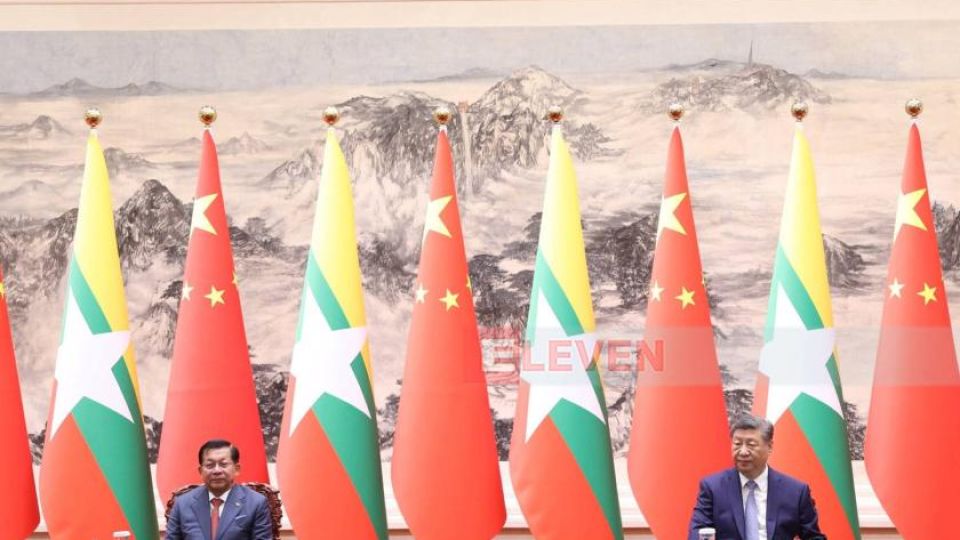
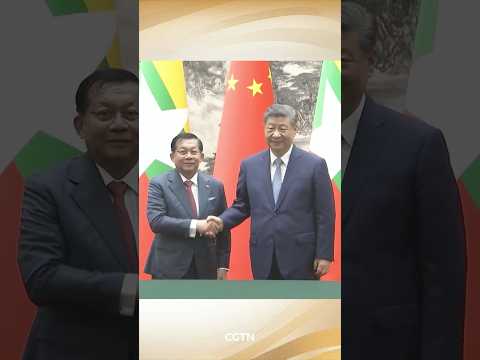
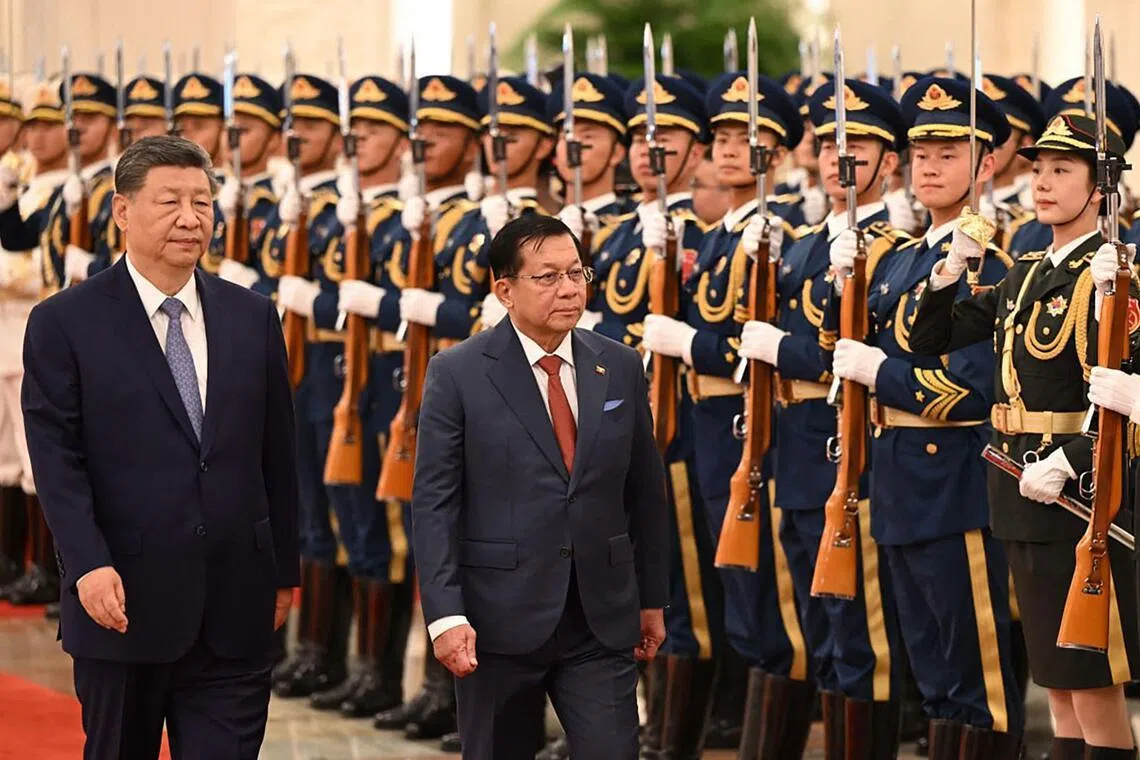
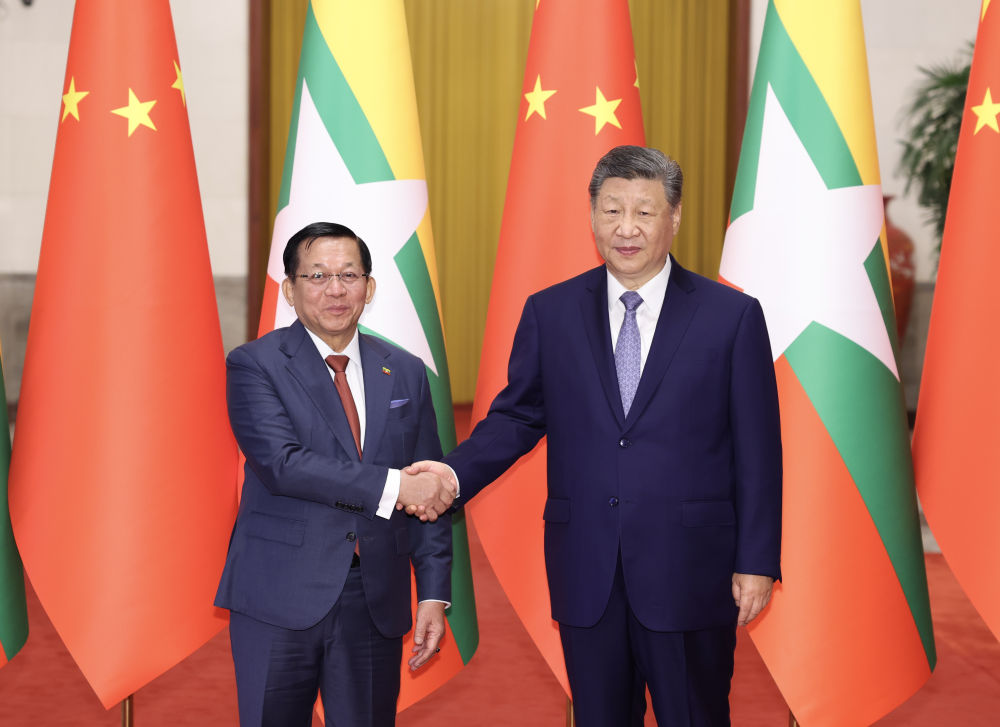
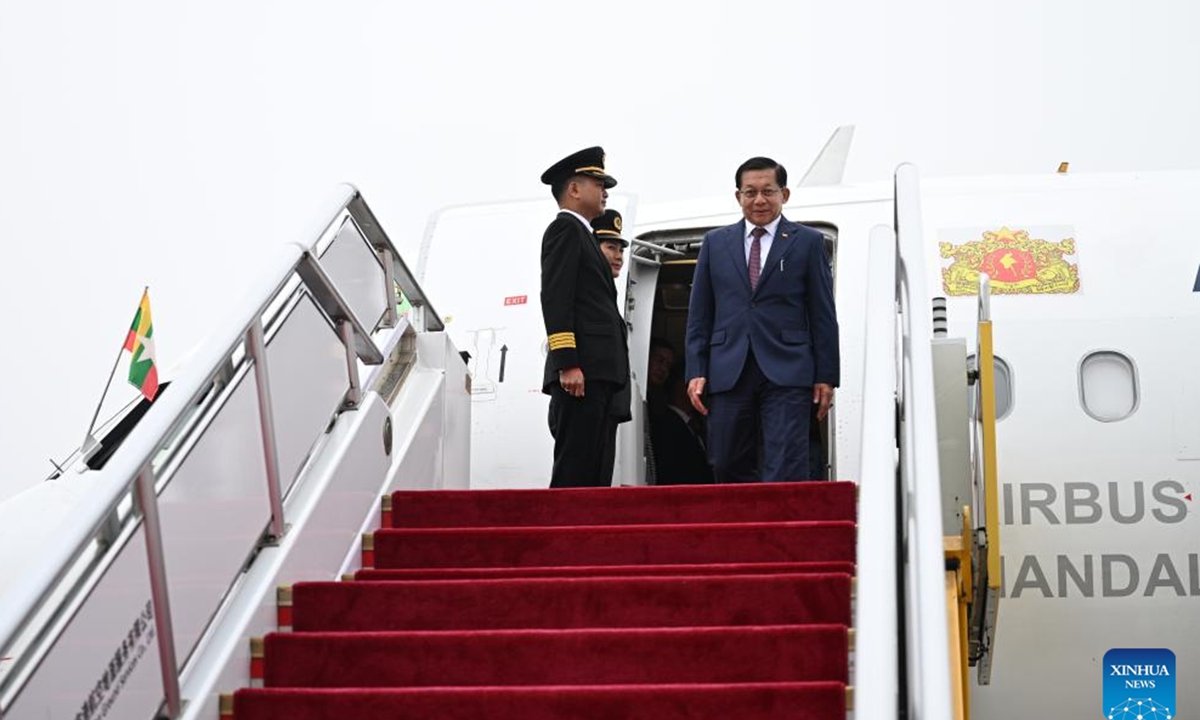
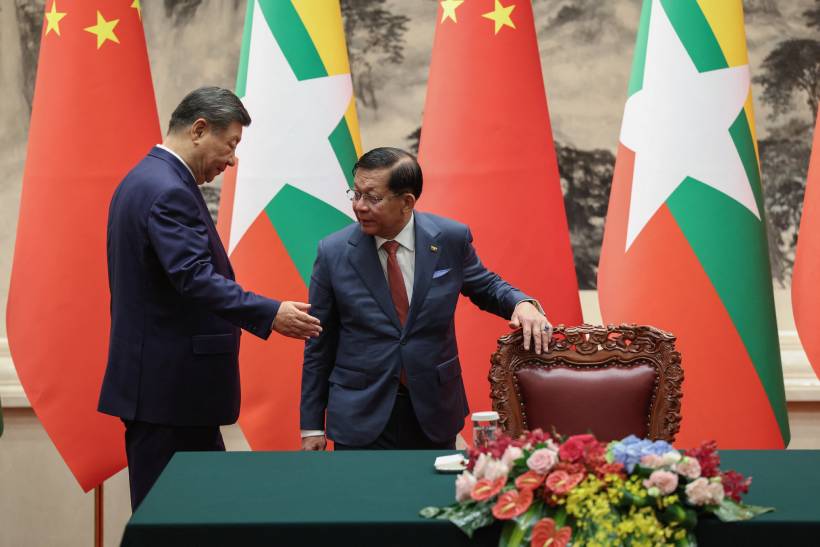
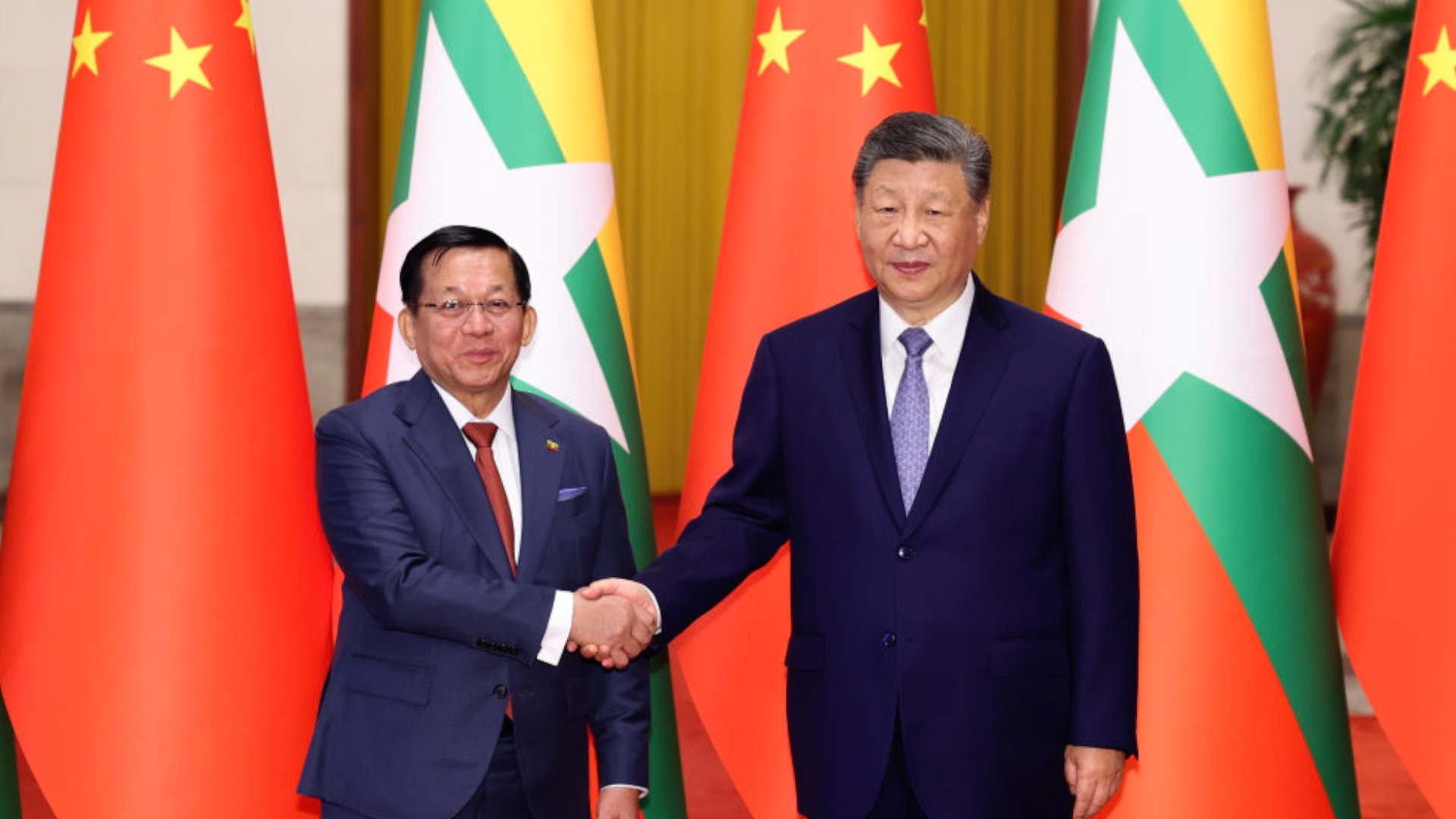
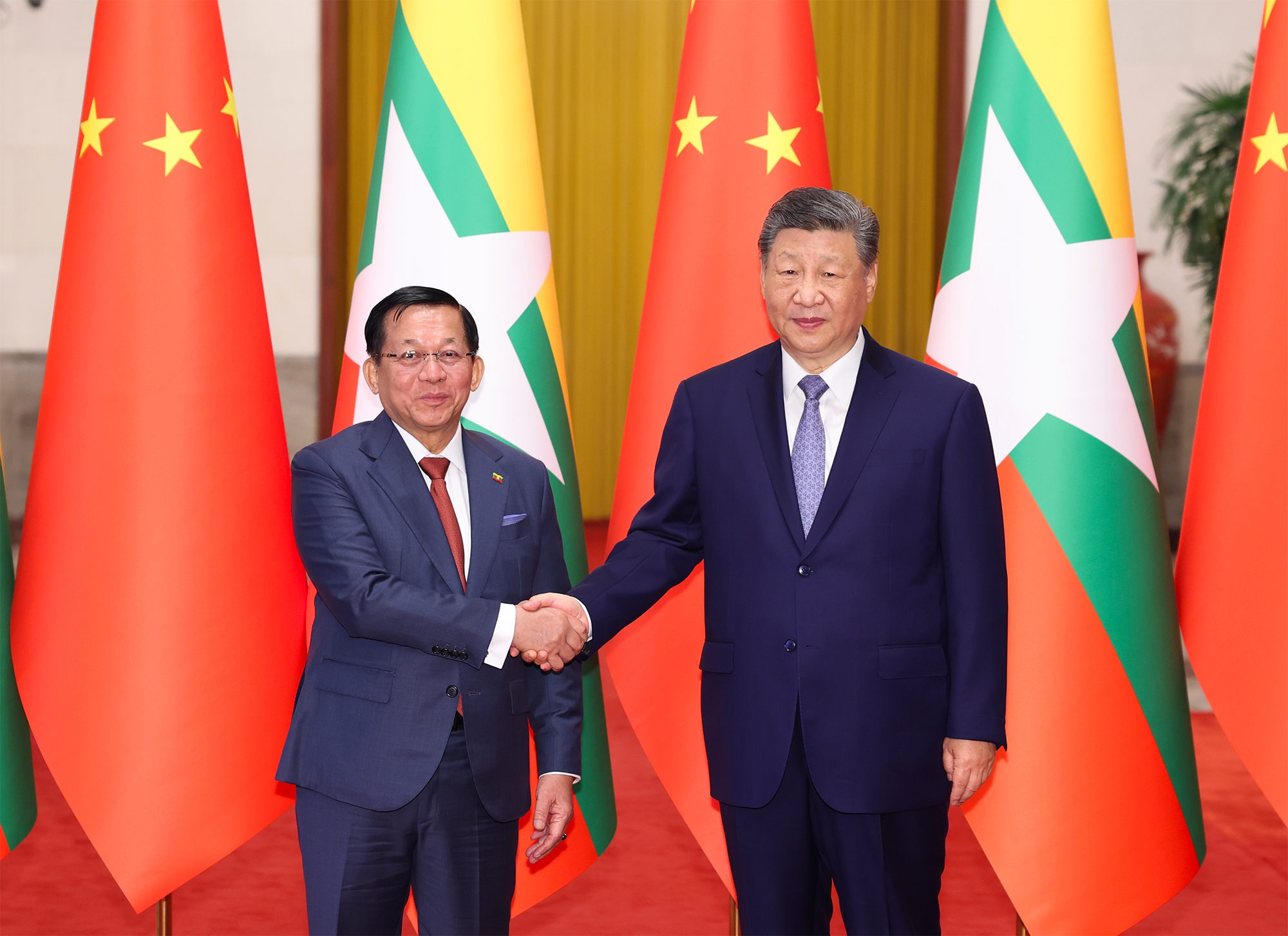
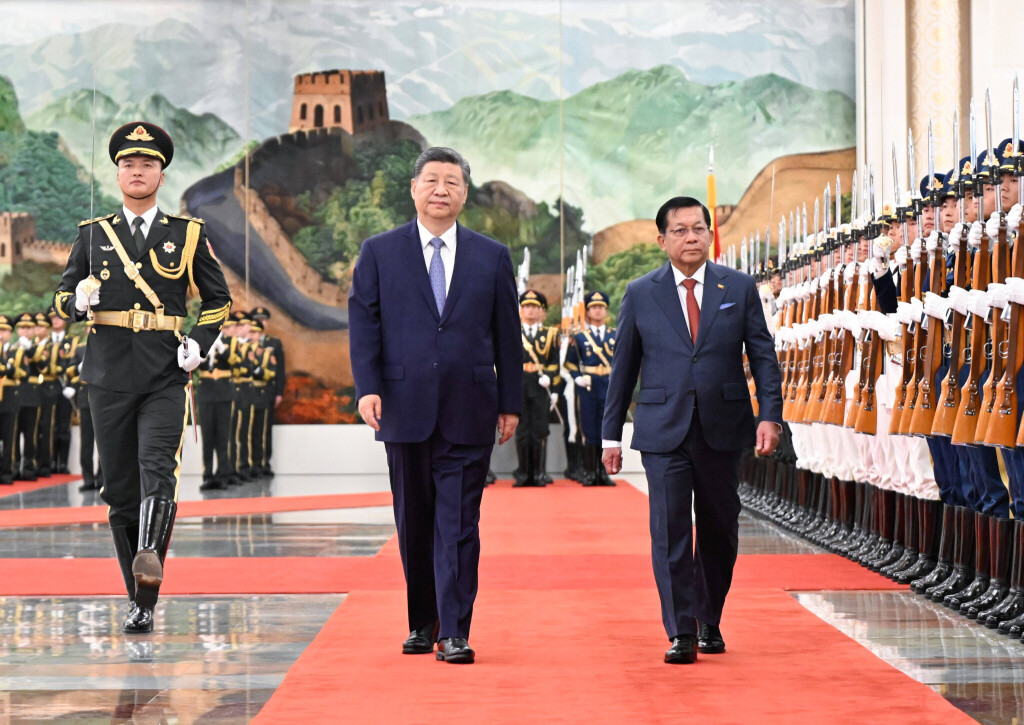
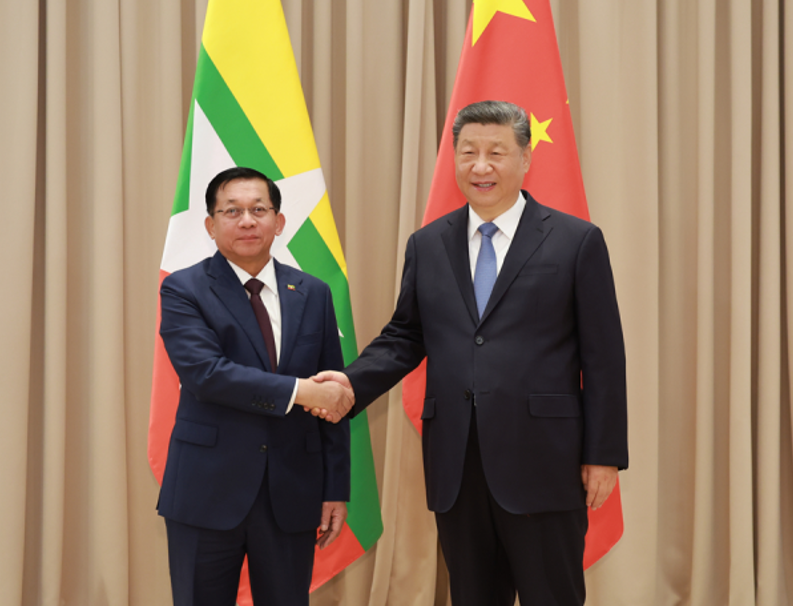
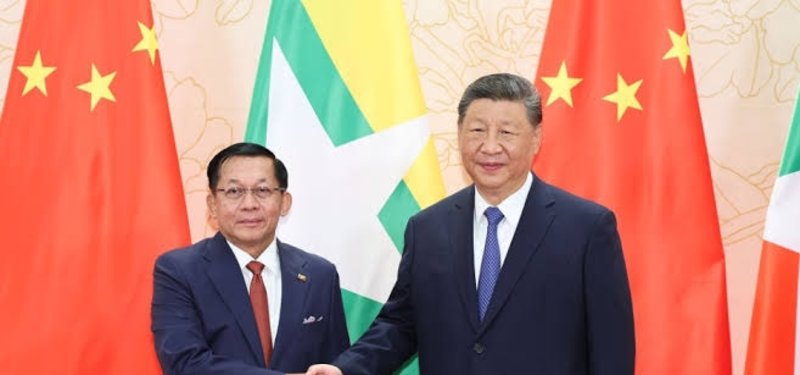
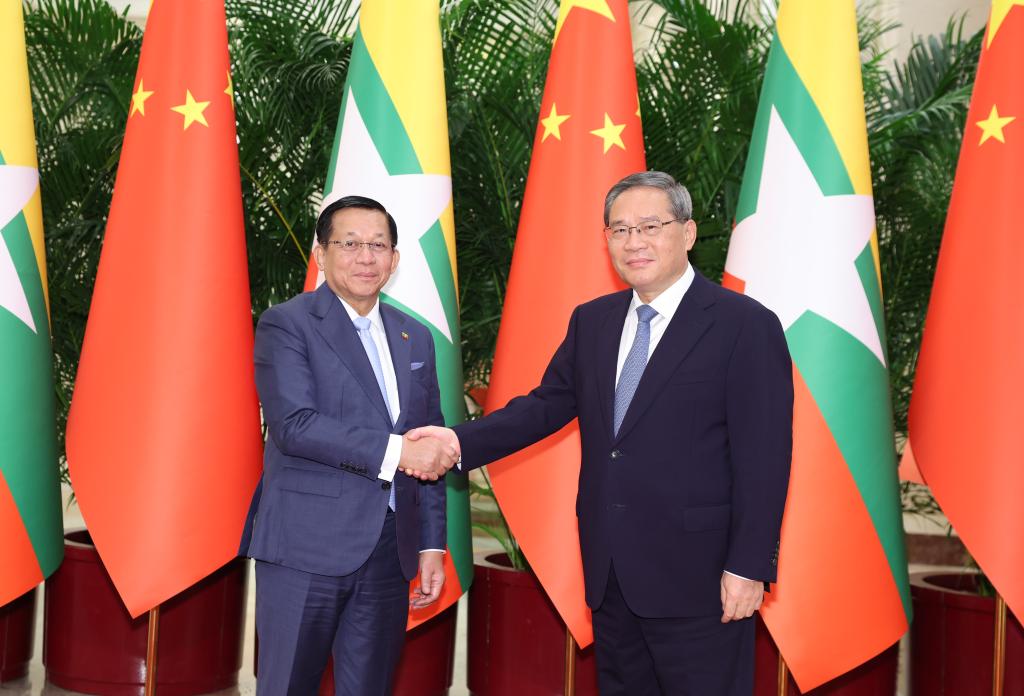
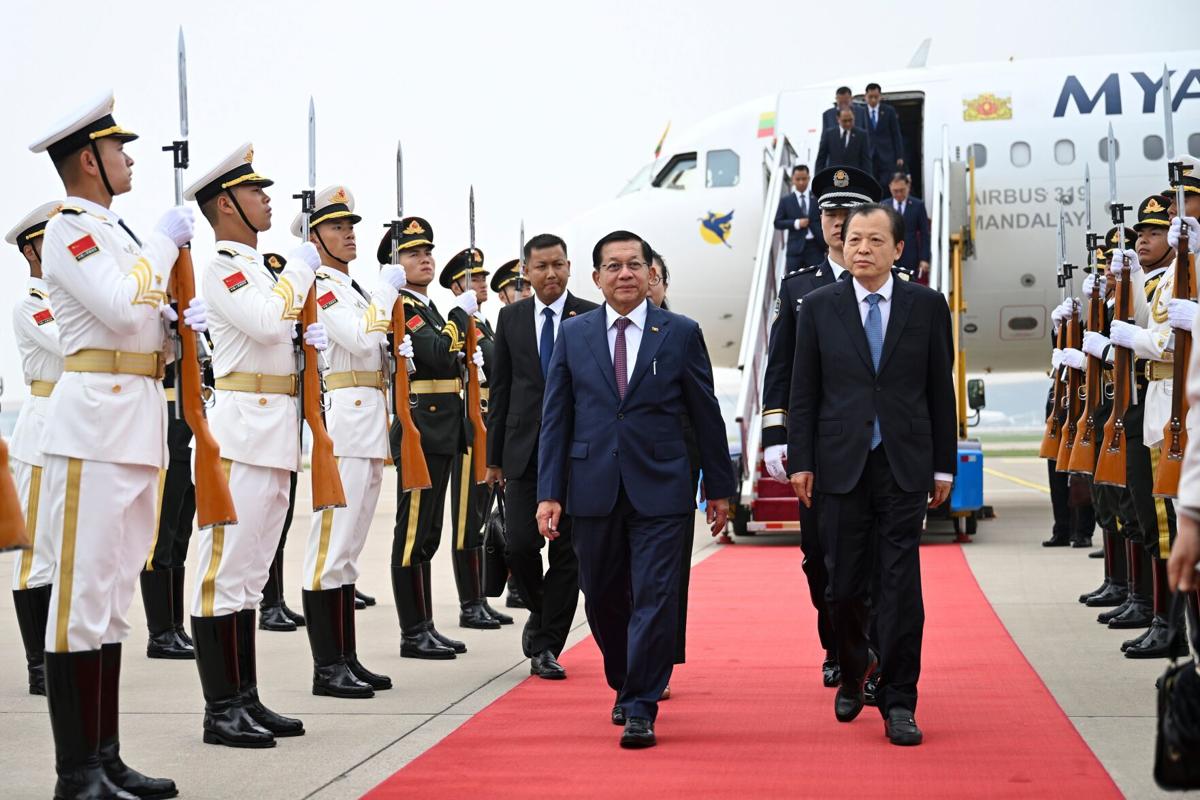
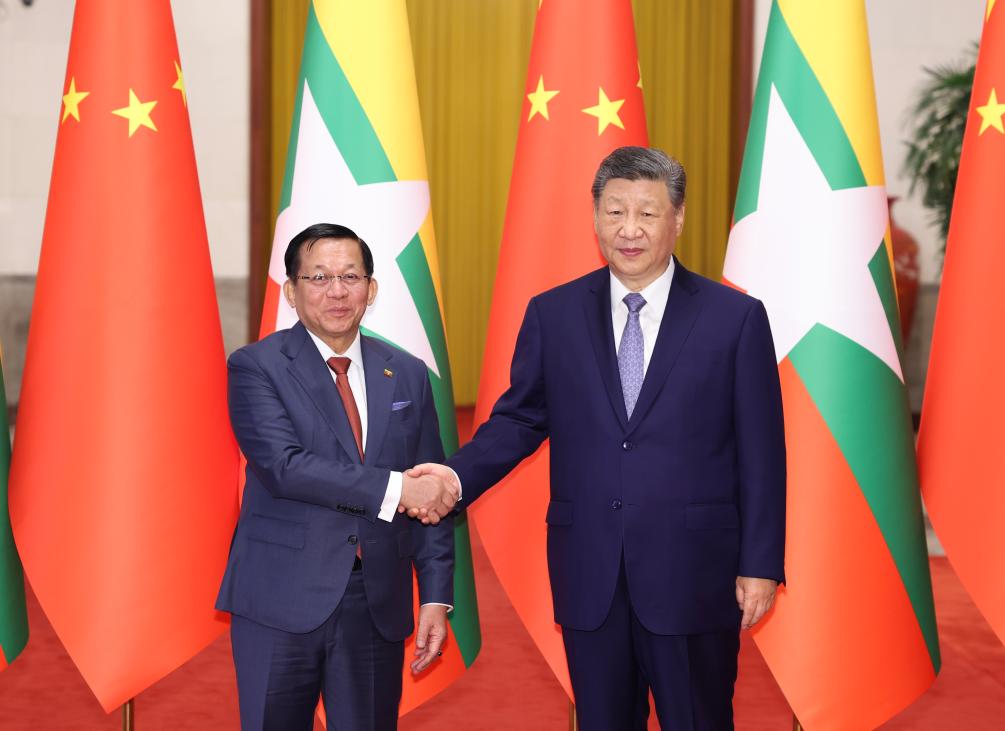
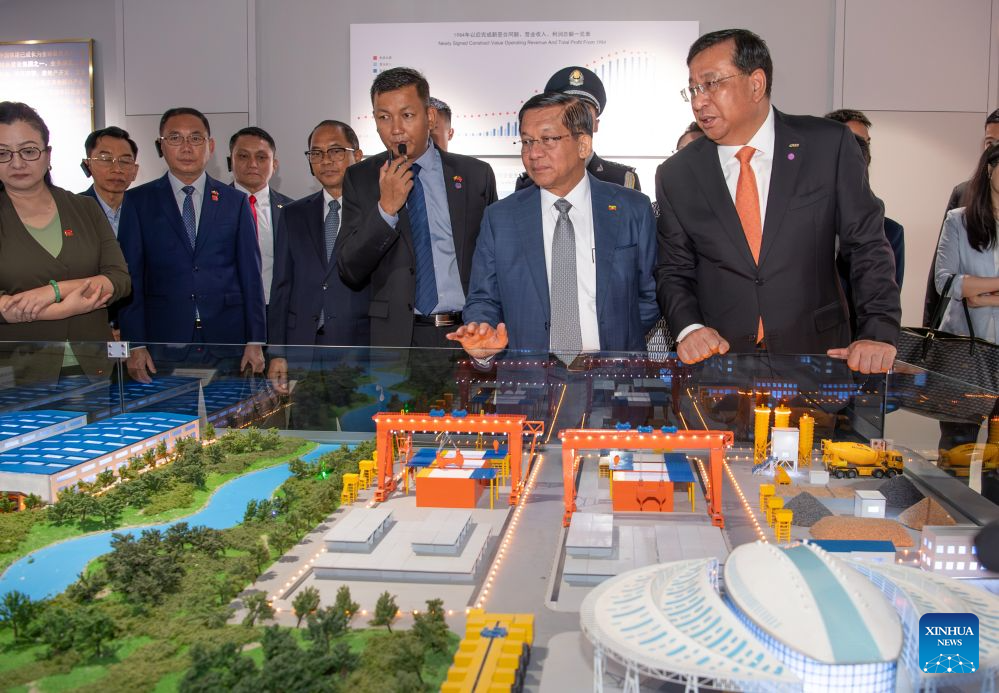
China's strategic embrace of Myanmar's military government through Xi Jinping's high-level state visits (April 2024 and June 2026) signals a critical inflection point for cross-border e-commerce sellers targeting Southeast Asia. The two leaders signed 18 memorandums of understanding covering cross-border transport and free trade, with explicit focus on the China-Myanmar Economic Corridor—a multibillion-dollar Belt and Road Initiative flagship project designed to link southwestern China directly to the Indian Ocean via Myanmar's proposed $1.3 billion deep-sea port on the Bay of Bengal. This infrastructure development directly impacts tariff arbitrage opportunities and supply chain routing for sellers.
For cross-border sellers, the immediate opportunity centers on tariff reduction corridors and improved logistics efficiency. The 18 MOUs explicitly cover "cross-border transport" and "free trade" frameworks, signaling potential tariff exemptions or preferential rates for goods moving through the China-Myanmar Economic Corridor. Sellers currently routing goods through the Malacca Strait (handling 80% of China's Middle Eastern oil imports) face congestion and piracy risks; the new Myanmar port alternative could reduce shipping costs 8-15% for goods destined for Southeast Asian markets. Additionally, Myanmar's inflation at 25% (April 2024) creates pricing opportunities for imported consumer goods—electronics, apparel, and home products face supply constraints, making cross-border imports increasingly attractive to Myanmar retailers and consumers.
The geopolitical legitimacy granted to Min Aung Hlaing's government opens market access previously restricted by Western sanctions. China's official state visit designation (June 2026) signals Beijing's willingness to treat Myanmar as a "full strategic partner," which historically precedes normalized trade relationships. The delegation included Kachin and Shan state ministers focused on "border trade and resource development," indicating China is prioritizing cross-border commerce zones. For sellers, this means: (1) reduced customs friction at Myanmar-China border crossings, (2) potential tariff preferential treatment for goods transiting the corridor, and (3) expanded market access to Myanmar's 54 million population currently underserved by foreign retailers due to civil conflict and economic isolation. However, sellers must monitor regulatory uncertainty—Myanmar's international isolation in Western markets continues to create compliance risks around sanctions screening and export controls.
Strategic sourcing shifts are already underway. The news emphasizes China's focus on securing rare earth resources from Kachin State's mining belt and restarting the $3.6 billion Myitsone Dam project (shelved since 2011). This signals China is consolidating Myanmar as a critical raw materials supplier, which will increase competition for manufacturing inputs. Sellers sourcing electronics, batteries, or rare earth-dependent products should expect: (1) tighter supply availability as Chinese manufacturers prioritize Myanmar inputs, (2) potential price increases of 5-12% for rare earth components, and (3) opportunities to source finished goods from Chinese manufacturers relocating production to Myanmar to access preferential tariffs. The timing window is critical—infrastructure projects typically take 18-36 months to generate measurable tariff benefits, suggesting sellers should begin exploring Myanmar sourcing partnerships by Q4 2024 to capture first-mover advantages.
Compliance and risk considerations are substantial. Both leaders addressed cybercrime concerns, with Myanmar committing to crack down on "cross-border online scam networks." This signals increased regulatory scrutiny of e-commerce transactions and payment flows through Myanmar. Sellers must implement enhanced KYC (Know Your Customer) procedures and ensure payment processors comply with Myanmar's emerging cybercrime regulations. Additionally, Western sanctions on Myanmar's military government remain in effect—sellers must verify that goods and services don't violate OFAC (Office of Foreign Assets Control) restrictions, particularly for dual-use technologies or military-adjacent products. The arrest of American scholar Min Zin on espionage charges indicates Beijing is tightening information controls, which could affect data localization requirements for sellers operating Myanmar-facing platforms.
Questions 8
What compliance risks should sellers monitor for Myanmar operations?
Myanmar's military government remains under Western sanctions, requiring sellers to implement OFAC screening procedures. The news highlights cybercrime crackdowns and the arrest of an American scholar on espionage charges, signaling increased regulatory scrutiny. Sellers must: (1) verify all transactions against OFAC's Specially Designated Nationals list, (2) implement enhanced KYC procedures for Myanmar customers, (3) ensure payment processors comply with Myanmar's emerging cybercrime regulations, and (4) avoid dual-use technologies or military-adjacent products. Additionally, monitor for potential data localization requirements, as China's influence over Myanmar's governance could lead to data residency mandates similar to other Belt and Road Initiative countries.
When will infrastructure improvements reduce logistics costs for Myanmar shipping?
The news indicates Xi urged 'steady progress' on the multibillion-dollar infrastructure initiative, with Myanmar committing to construction. Typical Belt and Road projects take 18-36 months from diplomatic agreement to operational impact. Based on the June 2026 state visit timeline, sellers should expect measurable logistics improvements by Q4 2027-Q1 2028. The $1.3 billion deep-sea port project will likely be completed in phases—initial container handling capacity could launch by late 2027. Sellers should begin exploring Myanmar sourcing and logistics partnerships now to position for first-mover advantages when tariff benefits activate.