



Strait of Hormuz Free Passage Deal | Shipping Costs Drop 15-25% for Cross-Border Sellers
- US-Iran agreement restores critical maritime route, reducing transit times by 10-14 days and fuel surcharges for Asia-Europe-Middle East logistics networks

Overview
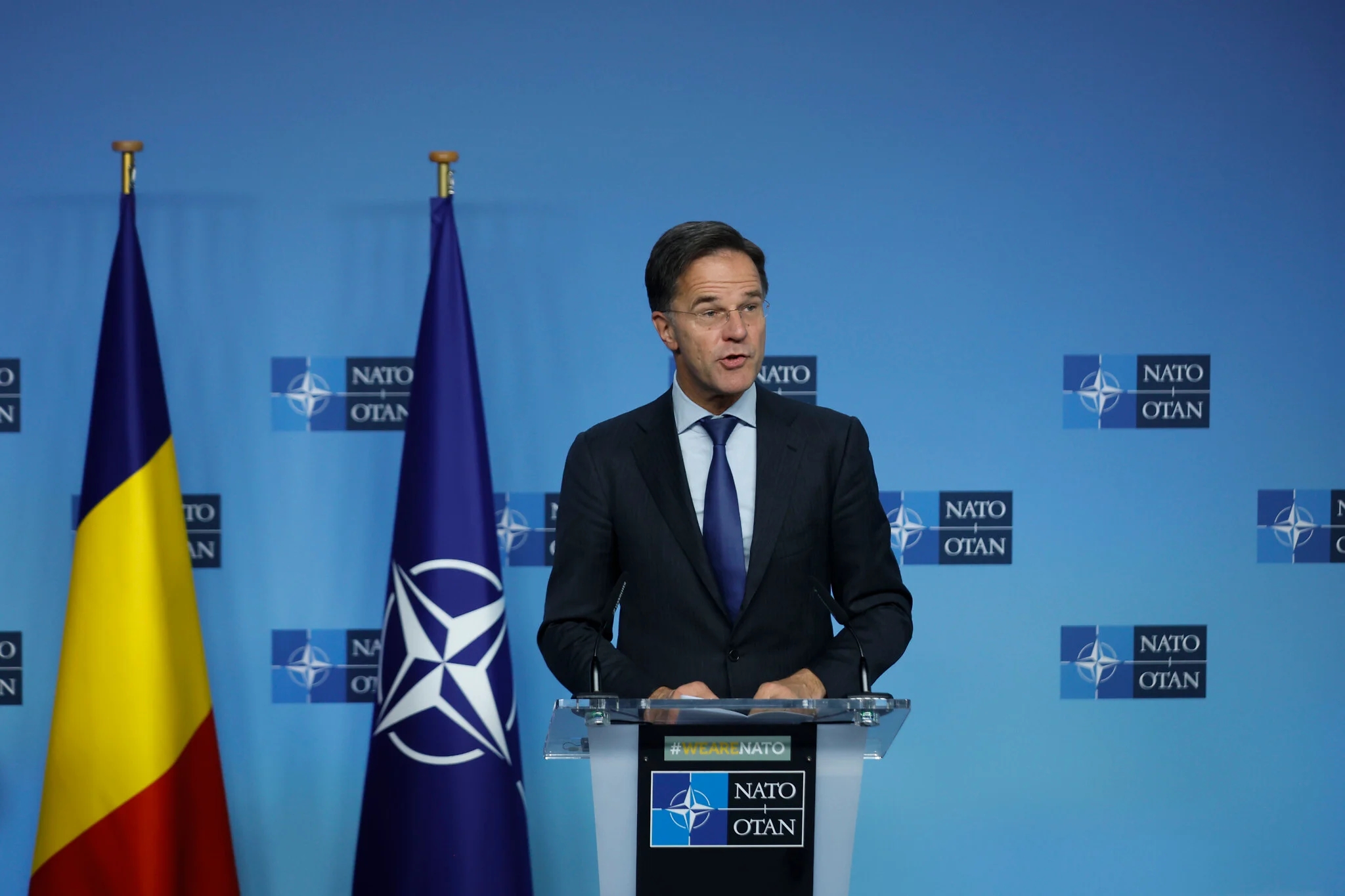
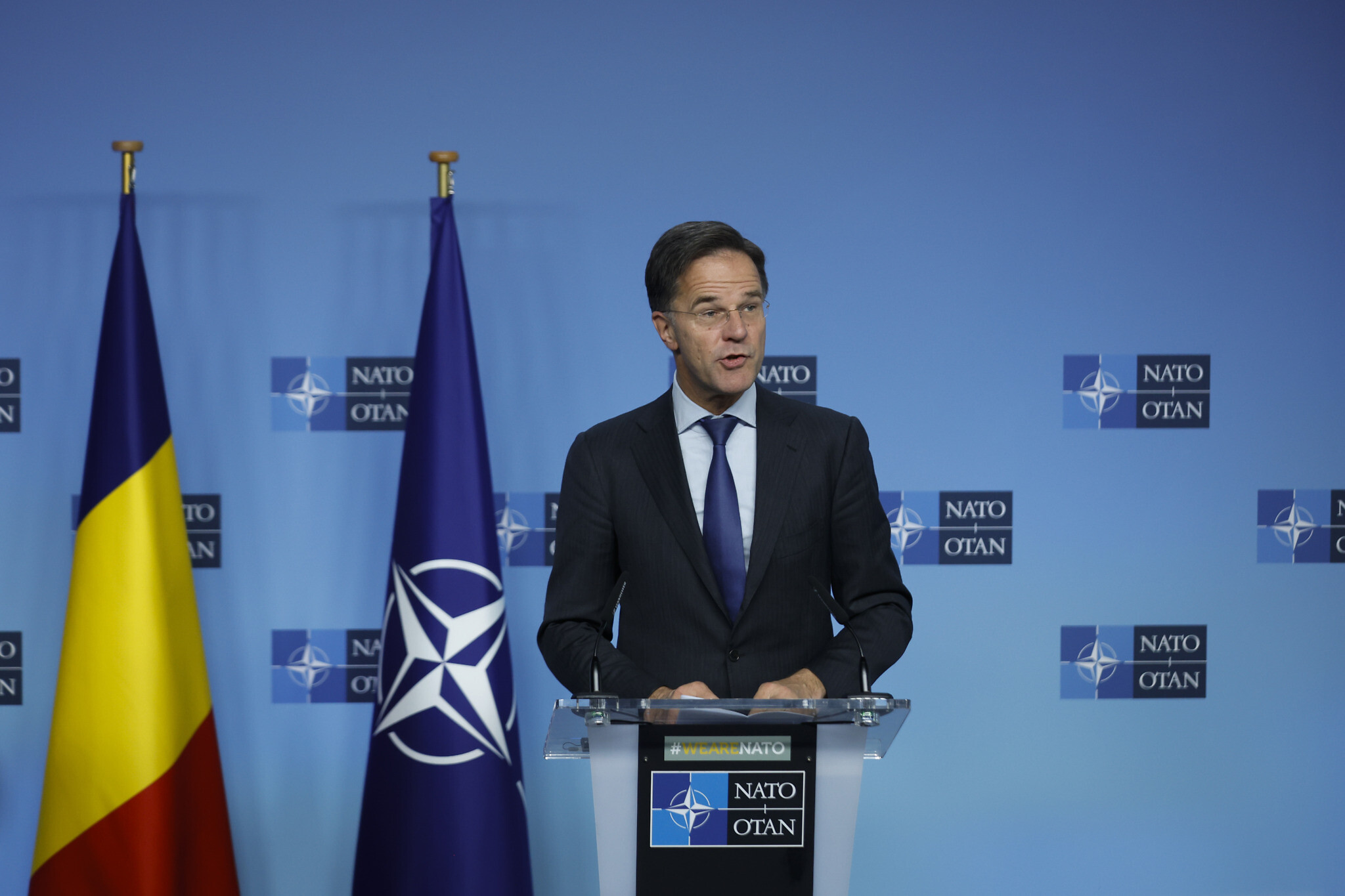
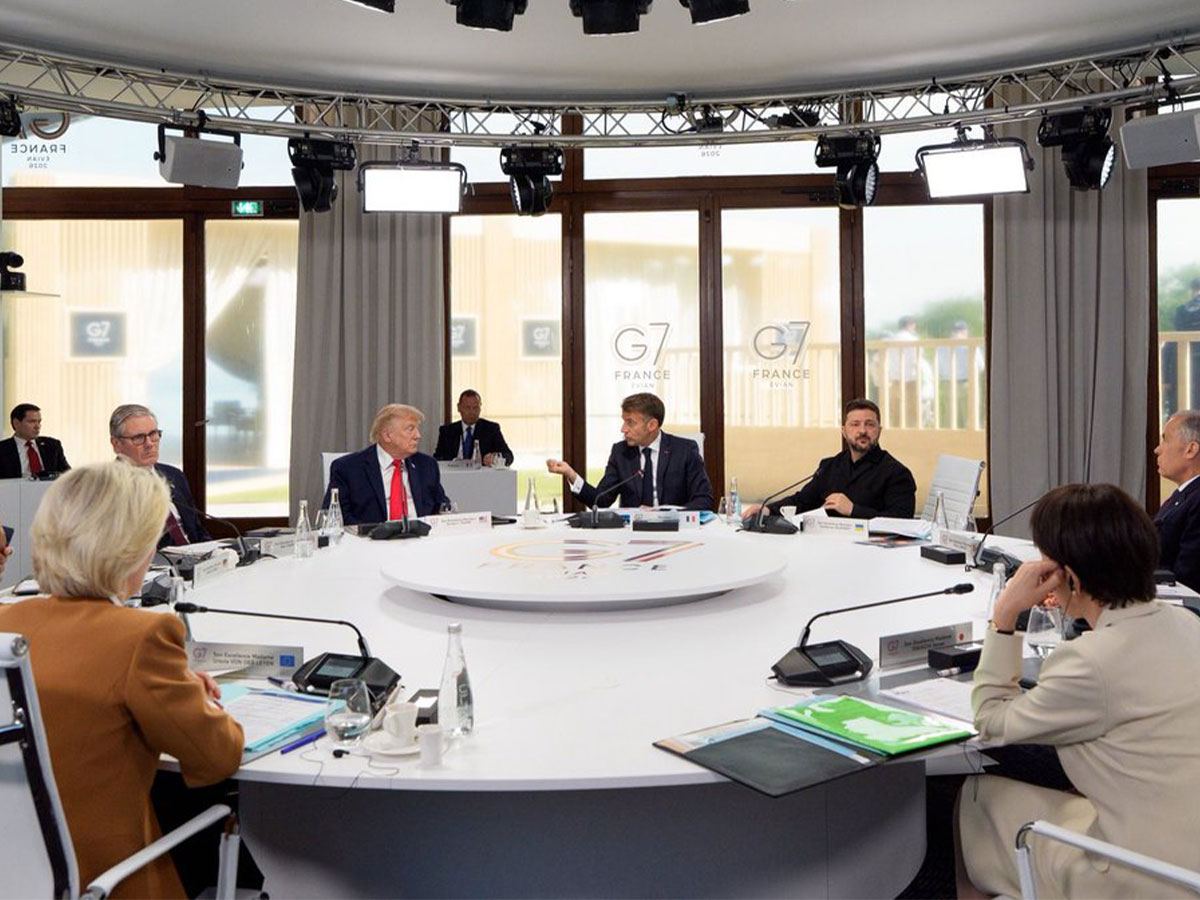
The June 17, 2026 US-Iran agreement brokered by President Trump and endorsed by NATO Secretary General Mark Rutte represents a watershed moment for global e-commerce logistics. The restoration of free passage through the Strait of Hormuz—which handles 21% of world petroleum trade—directly addresses one of the most disruptive supply chain vulnerabilities affecting cross-border sellers. For the past several years, security concerns and shipping disruptions forced carriers to reroute shipments around Africa, adding 10-14 days to transit times and increasing fuel costs by 15-25% for goods moving between Asia, the Middle East, and Europe.
Immediate Cost Savings for Logistics-Dependent Sellers: The normalized passage creates quantifiable margin improvements across multiple seller segments. Sellers managing Asian manufacturing with European distribution networks will see the most dramatic benefits—previously forced Africa-route detours now become unnecessary. A typical 40-foot container shipping from Shanghai to Rotterdam previously required 45-50 days via Cape of Good Hope; normalized Hormuz passage reduces this to 30-35 days. This translates to $800-1,200 per container in fuel surcharge elimination, directly improving profitability for sellers operating on 8-15% margins in electronics, apparel, and home goods categories. For sellers managing just-in-time inventory systems, the 10-14 day reduction enables faster inventory turnover, reducing working capital requirements and storage costs in European fulfillment centers.
Strategic Sourcing Implications and Competitive Shifts: The agreement's success depends on sustained implementation and compliance verification mechanisms, but early indicators suggest this creates a competitive advantage window for sellers who rapidly adjust supply chain routing. Sellers currently using expensive air freight alternatives or premium 3PL services to bypass Hormuz disruptions can now revert to cost-effective ocean freight. This particularly benefits mid-market sellers (annual revenue $2-10M) who lack the scale to absorb 15-25% fuel surcharges but have sufficient volume to justify route optimization. Larger sellers with established 3PL contracts may see renegotiation opportunities as baseline shipping costs decline. The geopolitical stabilization also reduces insurance premiums for maritime transit through the region—typically 2-4% of shipment value during high-risk periods—creating additional margin recovery.
Market Access and Regional Demand Implications: Normalized trade relations signal potential market opening for sellers targeting Middle Eastern e-commerce platforms (Noon, Souq, Namshi) and Gulf Cooperation Council markets. Reduced shipping costs make smaller-ticket items ($15-50 price points) economically viable for cross-border fulfillment to these regions, expanding addressable categories beyond luxury goods. Sellers in electronics, beauty, and home goods categories should monitor tariff normalization announcements, as trade agreement implementation typically includes duty reductions on specific HS codes. The diplomatic breakthrough enhances predictability for sellers managing complex global supply chains, reducing the risk premium previously built into pricing for Middle East-routed shipments.
Questions 7
What compliance or monitoring should sellers implement?
Sellers should monitor implementation progress through carrier announcements, BIMCO shipping reports, and 3PL provider communications. The agreement's success depends on sustained compliance verification mechanisms, so geopolitical developments could reverse benefits if tensions resurface. Sellers should maintain contingency logistics plans and avoid over-committing to single-route strategies. Additionally, monitor tariff announcements from US and EU trade offices, as normalized relations typically trigger duty reductions on specific product categories within 3-6 months of agreement implementation.
What new market opportunities does this create for sellers?
Reduced shipping costs make smaller-ticket items ($15-50 price points) economically viable for cross-border fulfillment to Middle Eastern e-commerce platforms like Noon, Souq, and Namshi. Sellers in electronics, beauty, and home goods categories should monitor tariff normalization announcements, as trade agreement implementation typically includes duty reductions on specific HS codes. The diplomatic breakthrough enhances predictability for sellers managing complex global supply chains, reducing the risk premium previously built into pricing for Middle East-routed shipments and potentially opening new market segments.