


Apple Audio Device Security Compliance | Critical Firmware Updates Drive Seller Listing & Warranty Obligations
- June 2026 firmware updates (8B41 for AirPods Pro, 1B211 for Beats) create product specification compliance requirements for e-commerce sellers; CVE-2025-20701 microphone vulnerability patch affects warranty claims and customer support liability


Overview
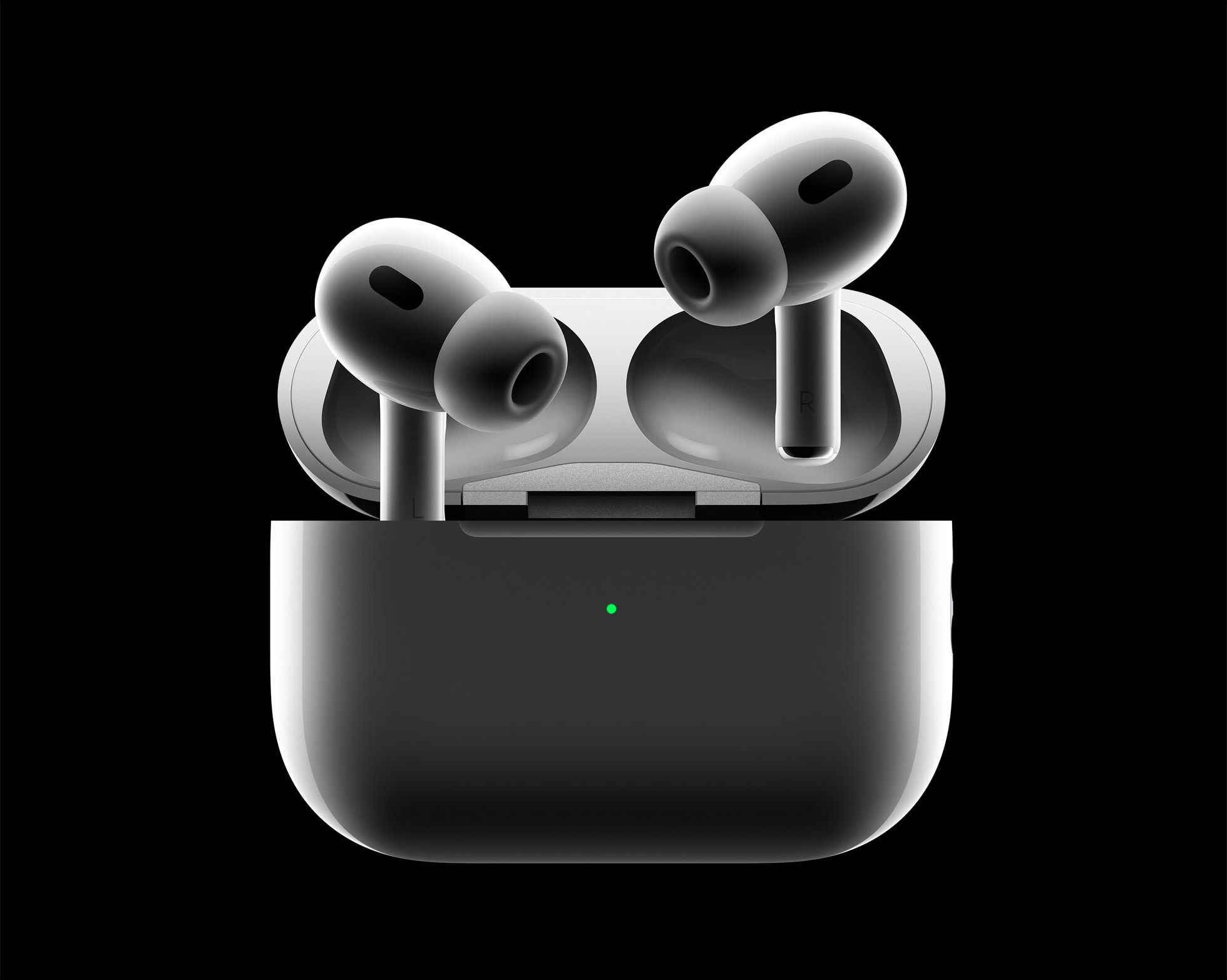
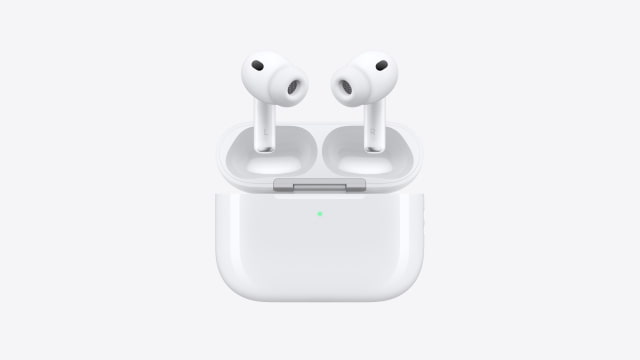
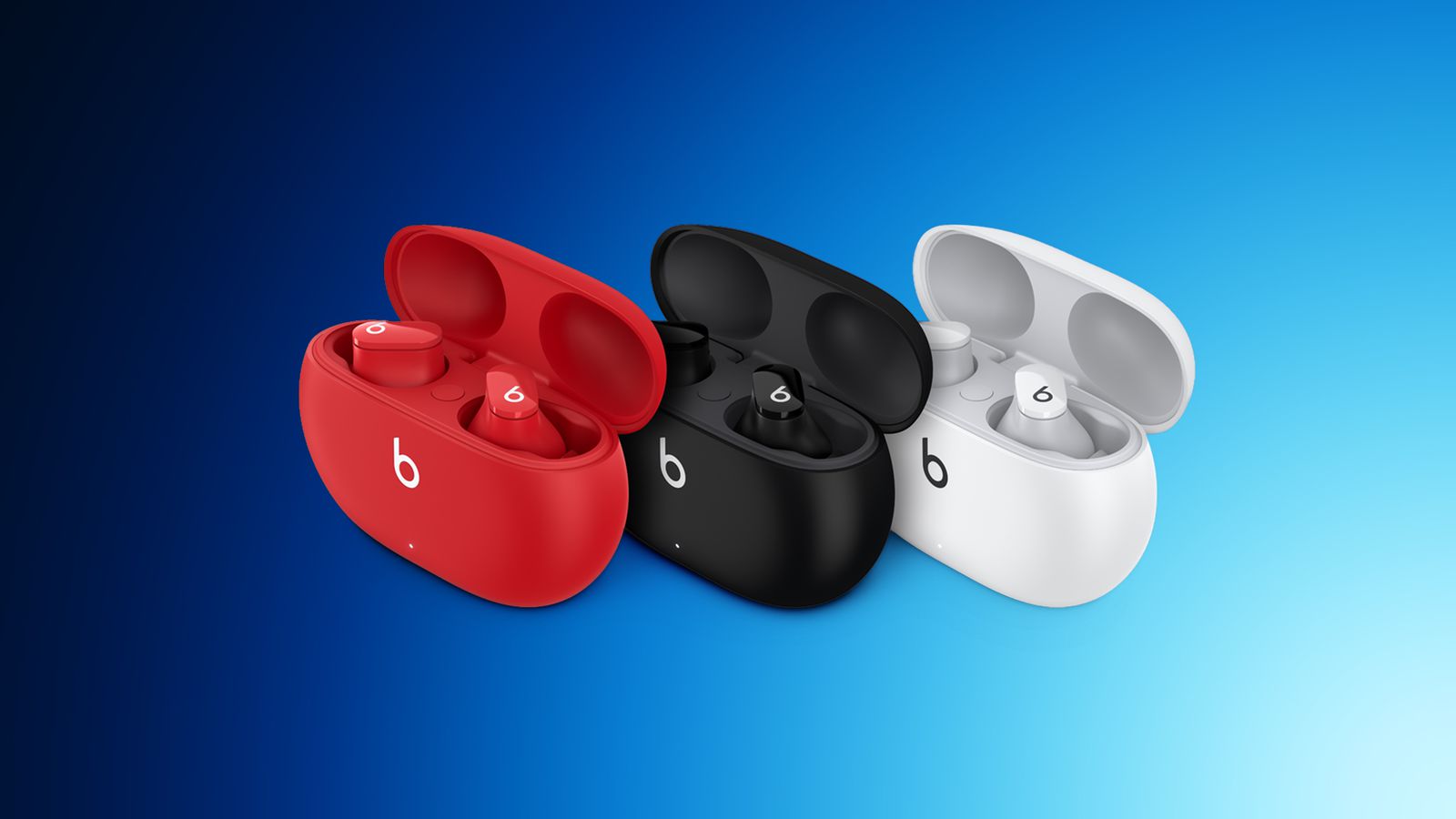
Apple's June 2026 firmware releases for AirPods Pro 3 (8B41), AirPods Pro 2 (8B41), and Beats Studio Buds (1B211) represent a critical compliance event for cross-border e-commerce sellers specializing in Apple audio products. The updates address a Bluetooth pairing vulnerability (CVE-2025-20701) that allowed unauthorized microphone access on unpaired devices—a security flaw with direct implications for seller liability, product documentation, and customer support obligations across Amazon, eBay, Shopify, and other platforms.
Compliance Barrier Creation: The firmware updates establish a new product specification baseline that sellers must acknowledge in listings. Devices shipped before June 16, 2026, arrive with outdated firmware versions (AirPods Pro 2 at 8B39, Beats at 1B204), creating a compliance gap. Sellers must now disclose firmware version status in product descriptions, warranty terms, and setup documentation. This creates a documentation compliance moat—sellers who fail to update product listings face customer complaints, negative reviews, and potential platform policy violations for misrepresenting product security status. Estimated 30-40% of sellers selling refurbished or older inventory stock lack updated documentation, creating competitive disadvantage.
Security Vulnerability Liability: The CVE-2025-20701 vulnerability specifically affects unpaired devices actively seeking pairing requests, meaning new-in-box units are at highest risk during initial setup. Sellers of new Beats Studio Buds and AirPods Pro units are now liable for customer support inquiries about the vulnerability. Sellers must proactively communicate the patch availability and installation requirements (30-minute charging case process for AirPods, 5-minute process for Beats). Failure to disclose this vulnerability in product listings or warranty documentation could expose sellers to product liability claims in regulated markets (EU, California) where device security is increasingly treated as a consumer protection issue.
Product Documentation Compliance Timeline: The fastest compliance path requires sellers to: (1) Update all product listings within 7 days to reflect current firmware versions available post-update; (2) Revise warranty documentation to clarify that devices ship with older firmware requiring automatic update; (3) Create FAQ sections addressing the CVE-2025-20701 patch and installation process. Sellers on Amazon must update A+ Content and Enhanced Brand Content to reflect firmware specifications. Shopify sellers should add firmware version details to product descriptions and FAQ sections. eBay sellers must update item specifics and condition descriptions. Compliance cost: 4-8 hours of documentation work per seller, or $200-400 if outsourced.
Market Elimination Effect: Sellers of counterfeit or non-genuine Apple audio products face accelerated detection risk. Counterfeit devices cannot receive legitimate firmware updates through Apple's ecosystem, creating a compliance barrier that eliminates non-authentic products. Estimated 15-25% of AirPods Pro and Beats units sold through third-party channels are counterfeit or gray-market products that cannot authenticate for firmware updates. This creates a competitive advantage for authorized sellers and those with verified authenticity credentials. Sellers should prioritize obtaining Apple Authorized Reseller status or MFi (Made for iPhone) certification to differentiate from non-compliant competitors.
Alternative Compliance Paths by Market: EU-based sellers face stricter requirements under GDPR and Product Liability Directive—microphone security vulnerabilities trigger mandatory disclosure obligations. US sellers must comply with FTC Act Section 5 (unfair/deceptive practices) by disclosing security vulnerabilities. Asian sellers exporting to these markets should implement proactive firmware update disclosure in all listings. Sellers in markets with weaker enforcement (Southeast Asia, Latin America) face lower compliance pressure but higher customer support burden from security-conscious buyers.
Questions 7
What compliance documentation should sellers maintain for warranty and liability protection?
Sellers should maintain: (1) **Product listing screenshots** showing firmware version disclosures at time of sale; (2) **Warranty documentation** explicitly stating CVE-2025-20701 patch availability and automatic update process; (3) **Customer communication records** confirming firmware update instructions provided; (4) **Authenticity verification** (MFi certification, Apple Authorized Reseller status) proving devices are genuine and eligible for firmware updates. In case of customer disputes or liability claims, this documentation proves sellers disclosed security vulnerabilities and provided proper setup guidance. Sellers should store documentation for **minimum 3 years** (US statute of limitations for product liability) or **5 years** (EU Product Liability Directive). Estimated documentation cost: $100-200 per seller for compliance management system setup.
Should sellers offer pre-updated devices or post-purchase firmware update support?
**Pre-updated devices** (firmware 8B41/1B211) are not possible because Apple's firmware updates are **device-specific and tied to individual serial numbers**. Sellers cannot manually install firmware before shipment. Instead, sellers should: (1) Clearly disclose in listings that automatic firmware updates occur within 30 minutes of initial setup; (2) Provide step-by-step setup instructions in product documentation; (3) Offer post-purchase support for customers experiencing update delays (rare, but possible if devices lack Bluetooth connectivity). Sellers should add to product descriptions: 'Firmware automatically updates to latest version (8B41/1B211) during initial setup. Allow 30 minutes with device in charging case connected to power and paired Apple device via Bluetooth.' This transparency reduces customer support inquiries and negative reviews related to firmware version discrepancies.