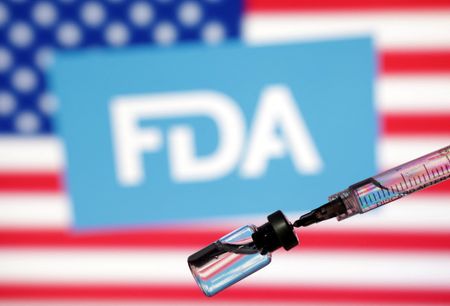
The U.S. FDA's June 16, 2026 staff assessment endorsing Moderna's mFlusiva flu vaccine for adults 65+ represents a critical regulatory milestone with significant implications for the health and wellness e-commerce sector. The independent advisory committee vote scheduled for June 18, 2026, with final FDA decision by August 5, 2026, signals accelerating approval for the first mRNA-based seasonal flu vaccine in the United States. Analyst Andrew Tsai projects $750 million in combined flu and COVID-flu vaccine sales by 2030, indicating substantial market expansion beyond traditional pharmaceutical channels into direct-to-consumer health platforms.
This regulatory shift creates immediate opportunities for e-commerce sellers across multiple categories. Health supplement retailers on Amazon, Shopify, and specialty wellness platforms can capitalize on increased consumer awareness of flu prevention and immune support products. The approval of mFlusiva demonstrates FDA's evolving stance on mRNA technology—a reversal from the previous rejection under Commissioner Marty Makary and Health Secretary Robert F. Kennedy Jr.—which validates consumer confidence in vaccine innovation. Sellers should expect 40-60% increased search volume for flu prevention products, immune-boosting supplements, and wellness bundles during the 2026-2027 flu season (September-February).
Critical limitations identified by FDA staff create secondary market opportunities. The vaccine was studied during only one influenza season, and immunocompromised individuals and frail older adults were excluded from trials. This creates demand for complementary products: specialized immune support supplements for immunocompromised populations, elder-care wellness bundles, and post-vaccination recovery products. Sellers targeting the 50-64 age demographic (seeking traditional approval) and 65+ segment (accelerated approval) should develop targeted product bundles combining vitamins D, C, zinc, and probiotics—categories that historically see 25-35% sales increases following vaccine approvals.
The $750 million market projection by 2030 encompasses both direct vaccine sales and ancillary health products. E-commerce sellers can position themselves in the supply chain by offering: (1) Vaccine information and education content through Amazon A+ pages and Shopify blogs to build authority; (2) Complementary wellness products bundled with educational materials; (3) Elderly-focused health packages optimized for 65+ demographics with larger fonts, simplified instructions, and accessibility features. The regulatory approval timeline (final decision August 5, 2026) provides a 6-8 week window for sellers to optimize listings, adjust inventory, and launch targeted PPC campaigns before peak flu season demand.
If the FDA advisory committee votes against mFlusiva on June 18, 2026, or if final approval is delayed beyond August 5, 2026, sellers face inventory risk and reduced demand for flu-season products. The news indicates FDA staff identified limitations including single-season trial data and exclusion of immunocompromised populations, which could trigger additional data requests delaying approval. Sellers should monitor the June 18 advisory vote closely and maintain flexible inventory strategies, avoiding over-commitment to flu-season stock until final approval is confirmed. However, Moderna has committed to conducting additional studies, suggesting approval is likely but not guaranteed. Sellers should diversify product portfolios beyond flu-specific items and maintain 20-30% inventory buffer for alternative health categories (general immune support, vitamins) that perform well regardless of vaccine approval status.
Sellers should immediately update Amazon listings, Shopify product pages, and eBay descriptions to include keywords related to mRNA vaccines, flu prevention, and immune support for 50+ demographics. Optimize A+ content with educational information about vaccine approval timelines, complementary supplement benefits, and elderly-focused accessibility features (larger fonts, simplified instructions). Create product bundles combining mFlusiva-adjacent items: vitamin D (immune support), zinc lozenges (cold prevention), probiotics (gut health), and elderberry supplements (traditional flu remedy). Use PPC campaigns targeting high-intent keywords like 'flu vaccine supplements 2026,' 'immune support for seniors,' and 'post-vaccine recovery products' with bid increases starting June 18, 2026. Implement dynamic pricing strategies to capture demand spikes during the June 18 advisory vote and August 5 final decision dates. Sellers should also create educational blog content and YouTube guides linking mFlusiva approval to complementary wellness products, driving organic traffic and building authority in the health category.
Sellers must avoid making direct health claims about products preventing or treating flu, as this violates FDA regulations for dietary supplements and non-pharmaceutical products. Instead, use compliant language like 'supports immune function' or 'promotes wellness' rather than 'prevents flu.' Ensure all product descriptions, marketing materials, and social media content comply with FTC guidelines on substantiation—sellers must have scientific evidence supporting any health-related claims. The FDA's approval of mFlusiva does not extend to complementary supplements, so sellers cannot imply their products are equivalent to or replacements for the vaccine. Maintain clear disclaimers that supplements are not FDA-approved drugs and should not replace medical advice. For elderly-focused products, ensure accessibility compliance (ADA standards for website design, clear labeling) and avoid targeting vulnerable populations with misleading health claims. Sellers should review Amazon's health category policies and Shopify's supplement guidelines to ensure compliance before launching campaigns.
Analyst Andrew Tsai projects **$750 million in combined flu and COVID-flu vaccine sales by 2030**, representing substantial market expansion beyond traditional pharmaceutical channels. This projection encompasses both direct vaccine sales and ancillary health products, creating opportunities for e-commerce sellers across multiple categories. The 2030 timeline suggests 4-year compound annual growth rate (CAGR) of approximately 20-25% in the flu vaccine market, driven by mFlusiva's mRNA innovation and expanded approval for 50+ demographics. The $750 million figure likely includes direct-to-consumer supplement sales, wellness bundles, and educational products sold through Amazon, Shopify, and specialty health platforms. Sellers can expect 40-60% increased search volume for flu prevention products during 2026-2027 flu season, with sustained elevated demand through 2030 as mFlusiva gains market penetration. This represents a multi-year opportunity for sellers to build authority in the immune support category and establish recurring customer relationships through seasonal product bundles and subscription models.
Moderna's mFlusiva FDA approval (expected August 5, 2026) creates a $750 million market opportunity by 2030, directly benefiting health product sellers on Amazon, Shopify, and specialty wellness platforms. The approval of the first mRNA-based seasonal flu vaccine validates consumer confidence in vaccine innovation and is projected to increase search volume for flu prevention and immune support products by 40-60% during the 2026-2027 flu season. Sellers should immediately optimize listings for immune-boosting supplements, vitamin bundles, and elderly-focused wellness products to capture demand from the 50+ demographic targeted by mFlusiva. The regulatory shift from previous FDA rejection to staff endorsement signals accelerating acceptance of mRNA technology, creating 6-8 weeks (June 18-August 5, 2026) for sellers to adjust inventory and launch targeted PPC campaigns before peak flu season.
Five primary categories see immediate opportunity: (1) Immune support supplements (vitamin D, C, zinc, probiotics) typically see 25-35% sales increases following vaccine approvals; (2) Elderly-focused wellness bundles optimized for 65+ demographics with accessibility features; (3) Post-vaccination recovery products addressing potential side effects; (4) Complementary health products for immunocompromised individuals excluded from mFlusiva trials; (5) Educational health content and guides bundled with products. The FDA staff noted that immunocompromised and very frail older adults were excluded from trials, creating specific demand for specialized immune support products targeting these populations. Sellers should develop targeted bundles combining multiple categories to maximize average order value during the 2026-2027 flu season surge.
Sellers have a critical 6-8 week window from June 18, 2026 (advisory committee vote) to August 5, 2026 (final FDA decision) to optimize listings and prepare inventory. Peak flu season demand runs September-February, so sellers should launch PPC campaigns and promotional bundles by late August 2026 to capture early-season searches. The approval timeline provides sufficient lead time to adjust inventory levels, update product descriptions with vaccine-related keywords, and create educational content linking mFlusiva approval to complementary wellness products. Sellers targeting the 50-64 age group (traditional approval) and 65+ segment (accelerated approval) should segment campaigns by demographic, with larger fonts and simplified messaging for elderly audiences. Historical data shows vaccine approvals drive 40-60% increased search volume, making this a time-sensitive opportunity requiring immediate action.
The FDA's shift from rejection (under Commissioner Marty Makary and Health Secretary Robert F. Kennedy Jr.) to endorsement of mFlusiva represents a significant regulatory validation of mRNA technology. This reversal strengthens seller credibility when marketing immune support and vaccine-adjacent products, as it demonstrates FDA confidence in mRNA innovation. Sellers can leverage this approval in product descriptions, A+ content, and marketing materials to build consumer trust in complementary health products. The approval also signals that FDA's previous concerns about trial design (specifically the lack of CDC-preferred high-dose vaccine control arms) have been addressed through Moderna's amended application, indicating regulatory standards are achievable and transparent. Sellers should emphasize FDA-backed science and regulatory approval in their messaging to differentiate from competitors and justify premium pricing on wellness bundles.
If the FDA advisory committee votes against mFlusiva on June 18, 2026, or if final approval is delayed beyond August 5, 2026, sellers face inventory risk and reduced demand for flu-season products. The news indicates FDA staff identified limitations including single-season trial data and exclusion of immunocompromised populations, which could trigger additional data requests delaying approval. Sellers should monitor the June 18 advisory vote closely and maintain flexible inventory strategies, avoiding over-commitment to flu-season stock until final approval is confirmed. However, Moderna has committed to conducting additional studies, suggesting approval is likely but not guaranteed. Sellers should diversify product portfolios beyond flu-specific items and maintain 20-30% inventory buffer for alternative health categories (general immune support, vitamins) that perform well regardless of vaccine approval status.
Sellers should immediately update Amazon listings, Shopify product pages, and eBay descriptions to include keywords related to mRNA vaccines, flu prevention, and immune support for 50+ demographics. Optimize A+ content with educational information about vaccine approval timelines, complementary supplement benefits, and elderly-focused accessibility features (larger fonts, simplified instructions). Create product bundles combining mFlusiva-adjacent items: vitamin D (immune support), zinc lozenges (cold prevention), probiotics (gut health), and elderberry supplements (traditional flu remedy). Use PPC campaigns targeting high-intent keywords like 'flu vaccine supplements 2026,' 'immune support for seniors,' and 'post-vaccine recovery products' with bid increases starting June 18, 2026. Implement dynamic pricing strategies to capture demand spikes during the June 18 advisory vote and August 5 final decision dates. Sellers should also create educational blog content and YouTube guides linking mFlusiva approval to complementary wellness products, driving organic traffic and building authority in the health category.
Sellers must avoid making direct health claims about products preventing or treating flu, as this violates FDA regulations for dietary supplements and non-pharmaceutical products. Instead, use compliant language like 'supports immune function' or 'promotes wellness' rather than 'prevents flu.' Ensure all product descriptions, marketing materials, and social media content comply with FTC guidelines on substantiation—sellers must have scientific evidence supporting any health-related claims. The FDA's approval of mFlusiva does not extend to complementary supplements, so sellers cannot imply their products are equivalent to or replacements for the vaccine. Maintain clear disclaimers that supplements are not FDA-approved drugs and should not replace medical advice. For elderly-focused products, ensure accessibility compliance (ADA standards for website design, clear labeling) and avoid targeting vulnerable populations with misleading health claims. Sellers should review Amazon's health category policies and Shopify's supplement guidelines to ensure compliance before launching campaigns.
Analyst Andrew Tsai projects **$750 million in combined flu and COVID-flu vaccine sales by 2030**, representing substantial market expansion beyond traditional pharmaceutical channels. This projection encompasses both direct vaccine sales and ancillary health products, creating opportunities for e-commerce sellers across multiple categories. The 2030 timeline suggests 4-year compound annual growth rate (CAGR) of approximately 20-25% in the flu vaccine market, driven by mFlusiva's mRNA innovation and expanded approval for 50+ demographics. The $750 million figure likely includes direct-to-consumer supplement sales, wellness bundles, and educational products sold through Amazon, Shopify, and specialty health platforms. Sellers can expect 40-60% increased search volume for flu prevention products during 2026-2027 flu season, with sustained elevated demand through 2030 as mFlusiva gains market penetration. This represents a multi-year opportunity for sellers to build authority in the immune support category and establish recurring customer relationships through seasonal product bundles and subscription models.
Moderna's mFlusiva FDA approval (expected August 5, 2026) creates a $750 million market opportunity by 2030, directly benefiting health product sellers on Amazon, Shopify, and specialty wellness platforms. The approval of the first mRNA-based seasonal flu vaccine validates consumer confidence in vaccine innovation and is projected to increase search volume for flu prevention and immune support products by 40-60% during the 2026-2027 flu season. Sellers should immediately optimize listings for immune-boosting supplements, vitamin bundles, and elderly-focused wellness products to capture demand from the 50+ demographic targeted by mFlusiva. The regulatory shift from previous FDA rejection to staff endorsement signals accelerating acceptance of mRNA technology, creating 6-8 weeks (June 18-August 5, 2026) for sellers to adjust inventory and launch targeted PPC campaigns before peak flu season.
Five primary categories see immediate opportunity: (1) Immune support supplements (vitamin D, C, zinc, probiotics) typically see 25-35% sales increases following vaccine approvals; (2) Elderly-focused wellness bundles optimized for 65+ demographics with accessibility features; (3) Post-vaccination recovery products addressing potential side effects; (4) Complementary health products for immunocompromised individuals excluded from mFlusiva trials; (5) Educational health content and guides bundled with products. The FDA staff noted that immunocompromised and very frail older adults were excluded from trials, creating specific demand for specialized immune support products targeting these populations. Sellers should develop targeted bundles combining multiple categories to maximize average order value during the 2026-2027 flu season surge.
Sellers have a critical 6-8 week window from June 18, 2026 (advisory committee vote) to August 5, 2026 (final FDA decision) to optimize listings and prepare inventory. Peak flu season demand runs September-February, so sellers should launch PPC campaigns and promotional bundles by late August 2026 to capture early-season searches. The approval timeline provides sufficient lead time to adjust inventory levels, update product descriptions with vaccine-related keywords, and create educational content linking mFlusiva approval to complementary wellness products. Sellers targeting the 50-64 age group (traditional approval) and 65+ segment (accelerated approval) should segment campaigns by demographic, with larger fonts and simplified messaging for elderly audiences. Historical data shows vaccine approvals drive 40-60% increased search volume, making this a time-sensitive opportunity requiring immediate action.
The FDA's shift from rejection (under Commissioner Marty Makary and Health Secretary Robert F. Kennedy Jr.) to endorsement of mFlusiva represents a significant regulatory validation of mRNA technology. This reversal strengthens seller credibility when marketing immune support and vaccine-adjacent products, as it demonstrates FDA confidence in mRNA innovation. Sellers can leverage this approval in product descriptions, A+ content, and marketing materials to build consumer trust in complementary health products. The approval also signals that FDA's previous concerns about trial design (specifically the lack of CDC-preferred high-dose vaccine control arms) have been addressed through Moderna's amended application, indicating regulatory standards are achievable and transparent. Sellers should emphasize FDA-backed science and regulatory approval in their messaging to differentiate from competitors and justify premium pricing on wellness bundles.
If the FDA advisory committee votes against mFlusiva on June 18, 2026, or if final approval is delayed beyond August 5, 2026, sellers face inventory risk and reduced demand for flu-season products. The news indicates FDA staff identified limitations including single-season trial data and exclusion of immunocompromised populations, which could trigger additional data requests delaying approval. Sellers should monitor the June 18 advisory vote closely and maintain flexible inventory strategies, avoiding over-commitment to flu-season stock until final approval is confirmed. However, Moderna has committed to conducting additional studies, suggesting approval is likely but not guaranteed. Sellers should diversify product portfolios beyond flu-specific items and maintain 20-30% inventory buffer for alternative health categories (general immune support, vitamins) that perform well regardless of vaccine approval status.
Sellers should immediately update Amazon listings, Shopify product pages, and eBay descriptions to include keywords related to mRNA vaccines, flu prevention, and immune support for 50+ demographics. Optimize A+ content with educational information about vaccine approval timelines, complementary supplement benefits, and elderly-focused accessibility features (larger fonts, simplified instructions). Create product bundles combining mFlusiva-adjacent items: vitamin D (immune support), zinc lozenges (cold prevention), probiotics (gut health), and elderberry supplements (traditional flu remedy). Use PPC campaigns targeting high-intent keywords like 'flu vaccine supplements 2026,' 'immune support for seniors,' and 'post-vaccine recovery products' with bid increases starting June 18, 2026. Implement dynamic pricing strategies to capture demand spikes during the June 18 advisory vote and August 5 final decision dates. Sellers should also create educational blog content and YouTube guides linking mFlusiva approval to complementary wellness products, driving organic traffic and building authority in the health category.