
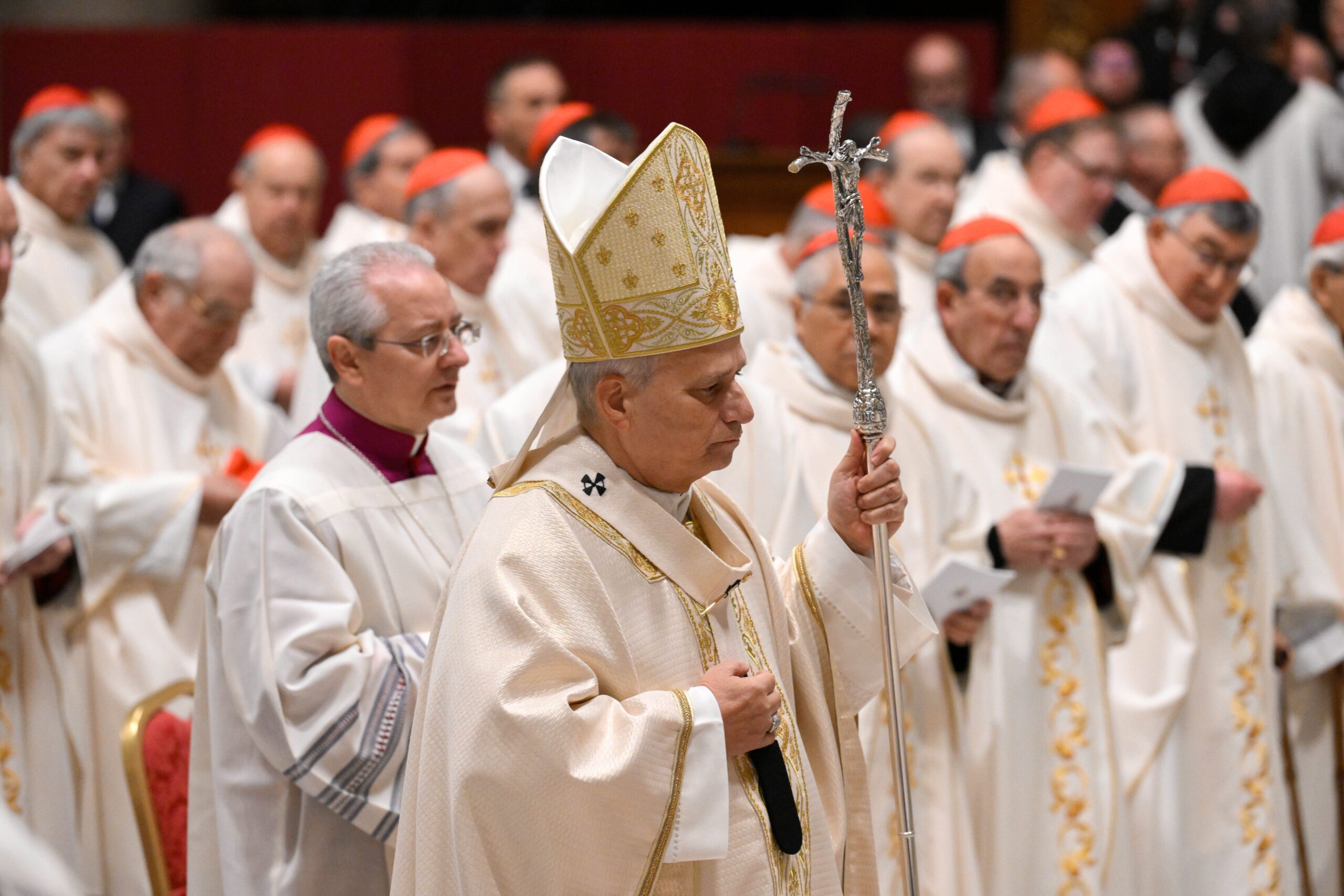
Vatican Leadership Shift | Global Collaboration Strategy 2024
- Transformative Governance Model Impacts Organizational Dynamics Across Sectors

Overview
The Catholic Church's recent governance transformation under Pope Leo XIV represents a critical case study in institutional adaptation and collaborative leadership with profound implications for organizational management across global enterprises.
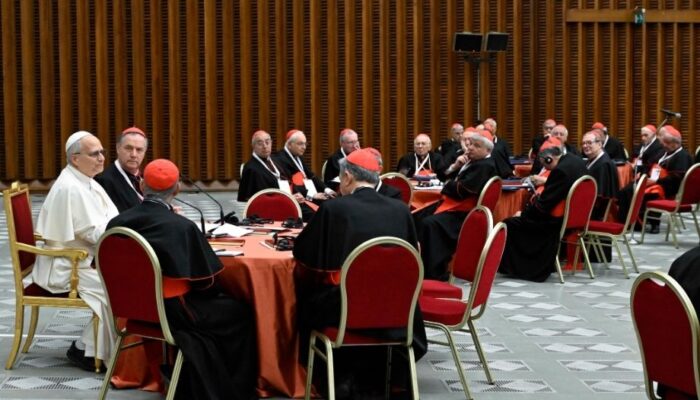
Strategic Governance Reimagined emerges as the core narrative, with the Pope's annual consistory meetings signaling a radical departure from centralized decision-making. By inviting cardinals from worldwide locations to Rome for structured dialogues, the Vatican is demonstrating a model of inclusive leadership that transcends religious institutions and offers insights for multinational corporations, non-profits, and complex hierarchical organizations.
The key innovation lies in the deliberate shift from a top-down approach to a more consultative framework. Scheduled for June 27-28, these annual meetings create unprecedented opportunities for interpersonal relationship building among global church leaders. Cardinal Stefen Brislin's observation about limited interaction opportunities highlights the critical human element often overlooked in large, geographically dispersed organizations.
Organizational Transformation Principles embedded in this approach include:
- Transparent communication channels
- Regular structured engagement
- Diverse perspective integration
- Breaking geographical and hierarchical barriers
- Promoting mutual understanding through direct interaction
For cross-sector leaders, this Vatican model provides a compelling blueprint for reimagining organizational governance. The emphasis on dialogue, collective problem-solving, and inclusive decision-making represents a sophisticated approach to managing complex, globally distributed teams. Enterprises can learn from this strategy of creating intentional spaces for communication, relationship-building, and collaborative strategic planning.
Questions 5
How does Pope Leo XIV's approach differ from previous leadership models?
Unlike his predecessor's centralized approach, Pope Leo XIV is introducing annual consistory meetings that invite cardinals from around the world, creating a more inclusive, transparent, and collaborative decision-making process.
What are the key benefits of this new governance strategy?
The strategy promotes better communication, builds stronger interpersonal relationships among global leaders, breaks down hierarchical barriers, and allows for more diverse perspectives in strategic planning.