




US Semiconductor Reshoring Accelerates | AI Infrastructure Supply Chain Implications for E-Commerce Sellers
- $650M Texas facility expansion signals domestic chip manufacturing boom, reducing import dependencies and reshaping logistics costs for electronics sellers by 2026-2027




Overview
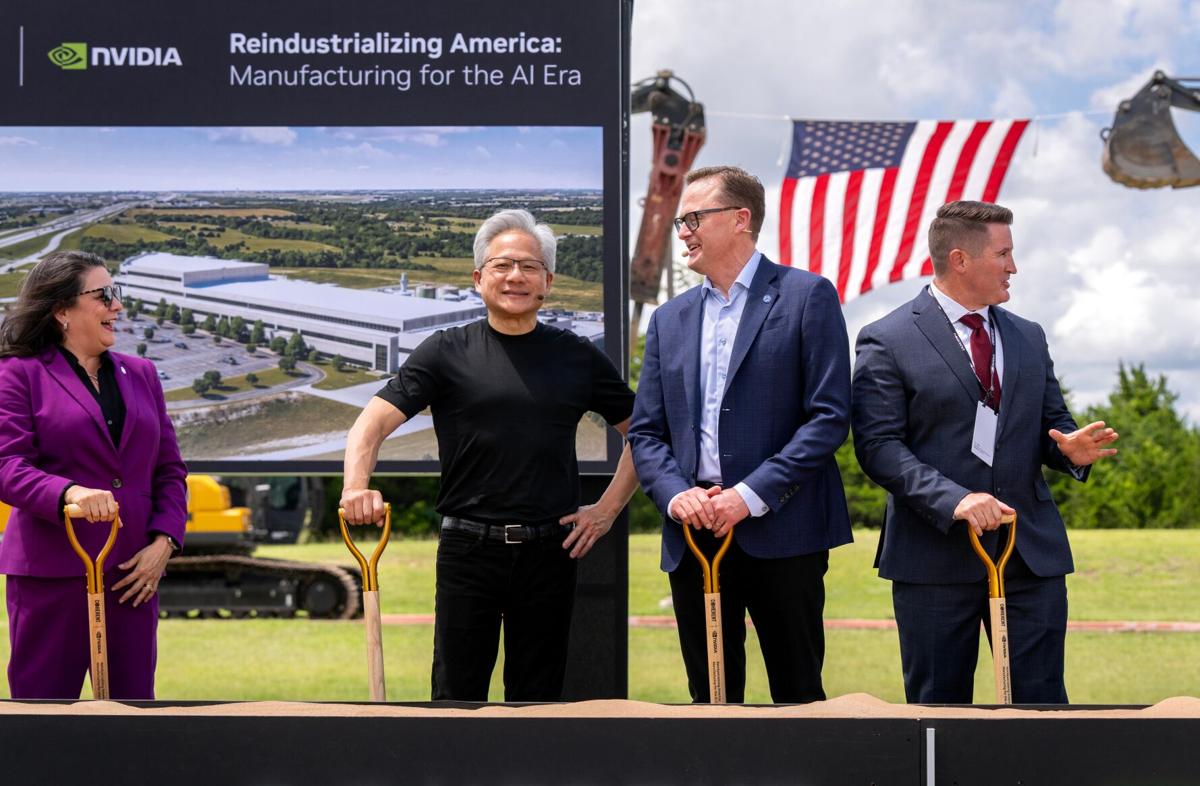
Nvidia's $2 billion investment in Coherent's Sherman, Texas semiconductor facility marks a pivotal shift in U.S. manufacturing strategy with direct implications for cross-border e-commerce sellers. The expansion—announced in March 2026 with a June 16 groundbreaking—will quadruple production capacity at the world's largest 6-inch indium phosphide fabrication plant, accumulating $650 million in total investment including a $50 million federal CHIPS Act grant. This facility produces lasers, optical components, and compound semiconductors critical for AI data center connectivity infrastructure.
For electronics and tech accessory sellers, this reshoring trend fundamentally alters supply chain economics. Historically, optical components and semiconductor materials sourced from Asia incurred 15-25% tariff premiums and 4-8 week lead times. Domestic production at the Dallas-Fort Worth hub—positioned alongside Texas Instruments' megasite—reduces import dependencies and creates opportunities for sellers to source locally, potentially lowering landed costs by 8-12% while improving inventory velocity. The facility's projected 1,000+ direct and indirect jobs signals workforce expansion in North Texas, creating regional consumer spending increases that benefit home electronics, smart home devices, and tech accessories categories on Amazon, eBay, and Shopify.
Supply chain consolidation around the Dallas-Fort Worth semiconductor corridor reshapes logistics networks for sellers. As AI infrastructure demands grow, connectivity components become equally critical as computing capacity itself. Sellers currently importing optical components from Taiwan, South Korea, or Japan face rising geopolitical risks and tariff volatility. The Texas facility offers a 2-3 year transition window (2026-2028) to diversify sourcing, negotiate domestic supplier contracts, and reduce exposure to international supply disruptions. Electronics sellers should monitor Coherent's commercial availability timelines and evaluate partnerships with U.S.-based distributors to capture margin improvements before competitors establish domestic supply relationships.
The CHIPS Act investment signals sustained U.S. government commitment to semiconductor independence, creating regulatory tailwinds for domestic sourcing. Future tariff policies and export controls may favor domestically-manufactured components, potentially disadvantaging sellers relying exclusively on Asian supply chains. This creates a 12-18 month window for strategic repositioning before competitive dynamics shift. Sellers in electronics, smart home, and networking equipment categories should begin supplier diversification planning immediately to capitalize on cost advantages and reduce tariff exposure.
Questions 8
How does the Texas semiconductor facility expansion affect electronics sellers' sourcing costs?
The $650 million Coherent facility expansion in Sherman, Texas creates domestic alternatives to Asian-sourced optical components and compound semiconductors, potentially reducing landed costs by 8-12% for electronics sellers. Historically, importing these components from Taiwan, South Korea, or Japan incurs 15-25% tariff premiums plus 4-8 week lead times. As the facility ramps production through 2026-2027, sellers can negotiate domestic supplier contracts with lower tariff exposure and faster inventory replenishment cycles. Early adopters who establish relationships with U.S. distributors before 2027 will gain competitive margin advantages as geopolitical supply chain risks increase.
What product categories benefit most from U.S. semiconductor reshoring?
Electronics, smart home devices, networking equipment, and AI-adjacent products benefit most from domestic semiconductor manufacturing. The facility specializes in optical components and connectivity infrastructure critical for data centers and high-speed networking. Sellers in these categories—particularly those on Amazon Electronics, eBay Tech, and Shopify tech stores—can reduce import tariffs and improve inventory velocity. Home automation, security systems, and IoT devices using optical sensors or networking components will see the most immediate supply chain improvements as production scales through 2027.