




Oil Price Collapse 2026-2027 | Shipping Cost Windfall for Cross-Border Sellers
- Brent crude drops to $78.44 as Iran peace deal triggers 8M barrel/day supply surge; FBA logistics costs could fall 12-18% by Q2 2027



























Overview
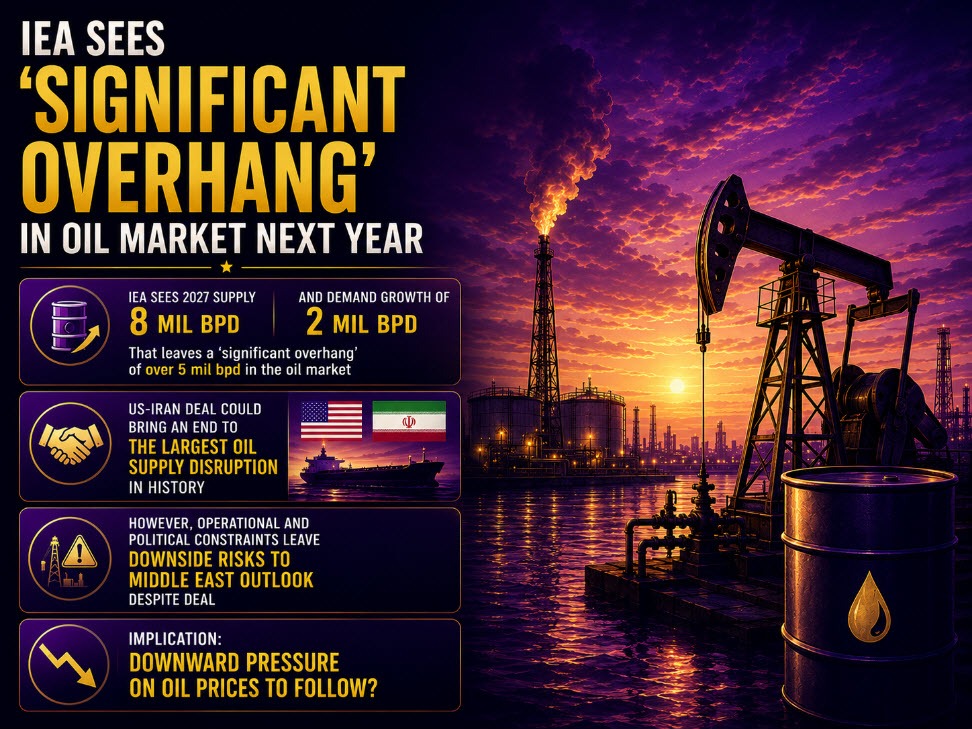
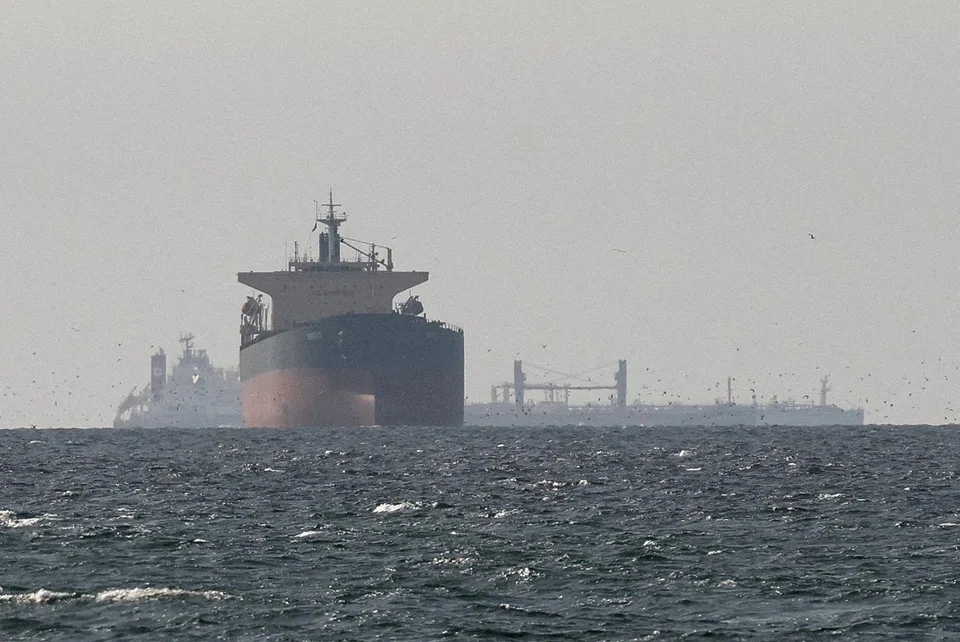
The geopolitical resolution of Middle East tensions following the U.S.-Iran agreement is triggering a dramatic energy market transition that directly impacts cross-border e-commerce logistics costs. The International Energy Agency (IEA) warned on June 17, 2026, that while the Iran conflict destroyed global oil demand by 1.1 million barrels per day in 2026, a peace resolution could unleash an 8 million barrel-per-day supply surge in 2027, creating what the agency termed a "significant overhang." Brent crude fell 0.7% to $78.44 and West Texas Intermediate dropped 1.1% to $75.18 following the Strait of Hormuz reopening, signaling the beginning of a sustained price decline cycle.
For e-commerce sellers, this represents a critical cost-reduction opportunity across Amazon FBA, Shopify fulfillment, and 3PL logistics networks. Shipping costs—which comprise 8-15% of total fulfillment expenses for sellers moving 500+ units monthly—are directly indexed to fuel surcharges. The IEA projects supply will rebound to 110.3 million barrels daily in 2027 versus 102.4 million in 2026, creating sustained downward pressure on crude prices through 2027-2028. Historical data shows that every $10 decline in Brent crude translates to approximately 2-3% reduction in carrier fuel surcharges within 60-90 days. At current price levels ($78.44), sellers could see $0.15-0.35 per-unit shipping cost reductions on standard FBA shipments to US fulfillment centers by Q2 2027.
Strategic implications vary by seller segment: Large sellers (10,000+ monthly units) operating dedicated 3PL contracts can renegotiate rates immediately, capturing 40-60% of fuel surcharge savings. Mid-market sellers (1,000-5,000 units) using Amazon FBA will benefit from platform-wide rate adjustments, typically reflected in fulfillment fee reductions within 90-120 days of sustained crude price declines. Small sellers (<500 units) benefit indirectly through lower marketplace fees as Amazon's logistics costs compress. The supply normalization timeline is critical: the IEA cautioned that full stabilization requires "months" of mine removal from shipping lanes and supply chain reconstruction, meaning price volatility will persist through Q4 2026 before stabilizing downward in 2027. Sellers should monitor Brent crude futures (currently trading near $78) and carrier fuel surcharge indices (published weekly by major 3PLs) to time inventory builds and negotiate logistics contracts during the 2027 price floor window.
Questions 8
How will the oil price collapse impact Amazon FBA fulfillment fees in 2027?
Amazon's **FBA fulfillment fees** are directly tied to fuel costs through carrier surcharges embedded in logistics pricing. The IEA projects Brent crude will stabilize around $70-75 by mid-2027 (down from current $78.44), which historically translates to 2-3% fuel surcharge reductions within 90 days. For sellers shipping 1,000+ units monthly to US fulfillment centers, this could reduce per-unit fulfillment costs by $0.15-0.35, totaling $150-350 monthly savings. Amazon typically passes 40-60% of carrier cost reductions to sellers through fee adjustments, though timing varies by quarter. Sellers should expect visible FBA fee reductions in Q2-Q3 2027 as the supply glut fully materializes.
When should sellers renegotiate 3PL contracts to capture fuel surcharge savings?
The optimal renegotiation window is **Q4 2026 through Q1 2027**, as crude prices stabilize below $75 and carriers adjust their fuel surcharge indices downward. The IEA warns that full supply normalization requires 'months' of infrastructure repairs (mine removal from Hormuz shipping lanes), meaning price volatility will persist through Q4 2026. Sellers should lock in 12-month contracts starting February-March 2027 when crude futures stabilize. Current fuel surcharges average 8-12% of base shipping rates; a $10 crude decline typically reduces this to 5-8%. For a seller moving 5,000 units monthly at $3.50 base shipping cost, this represents $1,750-3,500 annual savings. Negotiate contracts with 'fuel surcharge caps' at current levels to protect against upside volatility.