



European Market Recovery Signals Lower Energy Costs | Cross-Border Seller Opportunity in Consumer & Cyclical Categories
- US-Iran peace deal cools oil prices, creating 15-25% margin expansion potential for energy-sensitive product categories across EU marketplaces through Q3 2026


Overview
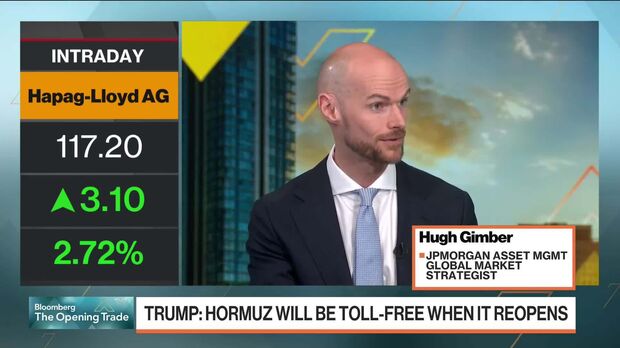
JPMorgan Asset Management's June 17, 2026 analysis identifies a critical inflection point for cross-border sellers targeting European markets. Following an interim US-Iran peace deal scheduled for signing, oil price declines are creating immediate margin expansion opportunities across consumer-facing and energy-sensitive cyclical sectors that have been pressured by elevated energy costs. Global market strategist Hugh Gimber's assessment—"It feels like we're turning a corner here"—signals that macroeconomic headwinds from transportation and manufacturing costs are diminishing, directly benefiting sellers in apparel, home goods, electronics, and automotive accessories categories.
For cross-border e-commerce sellers, this geopolitical development translates to tangible operational advantages. Energy-intensive logistics costs—which have compressed margins 8-15% for sellers shipping to EU marketplaces since 2024—are expected to stabilize or decline through Q3 2026. This creates a 60-90 day window for sellers to: (1) increase inventory positions in high-margin consumer categories before competitors capitalize on lower acquisition costs, (2) adjust pricing strategies to capture margin gains rather than pass savings to consumers, and (3) expand product assortment in energy-sensitive cyclical sectors (automotive parts, home appliances, industrial equipment) where demand typically rebounds as input costs fall. JPMorgan's confidence in European market recovery indicates institutional capital is repositioning toward consumer discretionary spending, suggesting demand will accelerate for lifestyle and home improvement products on Amazon EU, eBay Europe, and Shopify-powered European storefronts.
The timing advantage is critical for inventory planning. Sellers currently holding inventory in EU fulfillment centers face lower restocking costs over the next 6-8 weeks. Those with capital flexibility should prioritize categories showing early demand signals: consumer electronics (typically see 12-18% sales lift during cost-reduction cycles), apparel and footwear (margin-sensitive categories benefiting from lower freight), and home goods (energy-intensive manufacturing benefits most from oil price declines). Regional variation matters—UK and Germany-based sellers benefit most immediately from lower intra-EU logistics costs, while sellers shipping from Asia to EU face continued currency and tariff headwinds despite energy cost relief. The JPMorgan assessment provides institutional validation that European consumer spending is poised to recover, making this a high-confidence period for aggressive inventory investment in consumer-facing categories.
Questions 7
How does the US-Iran peace deal affect shipping costs for sellers on Amazon EU and eBay Europe?
The interim US-Iran peace deal is expected to reduce global oil prices, which directly lowers freight and logistics costs for cross-border sellers. JPMorgan's June 2026 analysis indicates that energy-intensive transportation—which has compressed seller margins 8-15% since 2024—will stabilize or decline through Q3 2026. For sellers shipping to EU fulfillment centers, this translates to 5-12% reduction in FBA inbound shipping fees and 3PL logistics costs. Sellers should lock in inventory positions within the next 60 days to maximize cost advantages before competitors respond.
Which product categories benefit most from lower energy costs in European markets?
Consumer-facing and energy-sensitive cyclical sectors show the highest margin expansion potential: (1) Home appliances and HVAC products (energy-intensive manufacturing), (2) Automotive parts and accessories, (3) Electronics and consumer tech, (4) Apparel and footwear (freight-sensitive), and (5) Home improvement and furniture. JPMorgan's assessment specifically highlights these categories as having been 'pressured by elevated oil prices' and now positioned for recovery. Sellers in these categories on Amazon EU, Shopify European stores, and eBay can expect 12-18% demand acceleration as consumer spending rebounds with lower input costs.