





AI-Powered Data Infrastructure Transforms E-Commerce Operations | Databricks LTAP & Genie Agents Drive Real-Time Analytics & Automation
- Databricks' unified data platform reduces operational overhead 30-40% for enterprises; Genie One agents ($1.7B revenue run rate) enable non-technical teams to automate demand forecasting, pricing optimization, and inventory management—critical capabilities for mid-to-large sellers managing complex supply chains


/smstreet/media/media_files/2026/01/06/databricks-2026-01-06-10-32-56.jpg)





















Overview
Databricks' announcement of LTAP (Lake Transactional-Analytical Processing) and Genie One represents a fundamental shift in how enterprises—including e-commerce operators—manage data infrastructure and AI-driven decision-making. The company reported $1.7 billion in AI product revenue (up from $1 billion in September 2025), with early adopters like Albertsons using Genie agents to analyze promotional impacts on shelf allocation and brand performance, and Rivian leveraging the platform for demand forecasting and production operations analysis. For e-commerce sellers, this infrastructure evolution directly impacts three critical operational areas: real-time inventory visibility, dynamic pricing optimization, and predictive demand forecasting.
LTAP eliminates the 40-year-old OLTP/OLAP separation, enabling sellers to access live transactional data (orders, returns, inventory levels) alongside historical analytics without maintaining separate databases. LakehouseRT delivers sub-100ms query latency with 12,000 queries per second throughput—enabling real-time dashboard updates for inventory management and sales performance monitoring. This is particularly valuable for sellers managing multi-channel operations (Amazon, Shopify, eBay, TikTok Shop) where inventory synchronization delays create stockouts and overselling risks. The 30-40% operational overhead reduction translates to freed-up engineering resources that sellers can redirect toward product research, content optimization, and customer service automation.
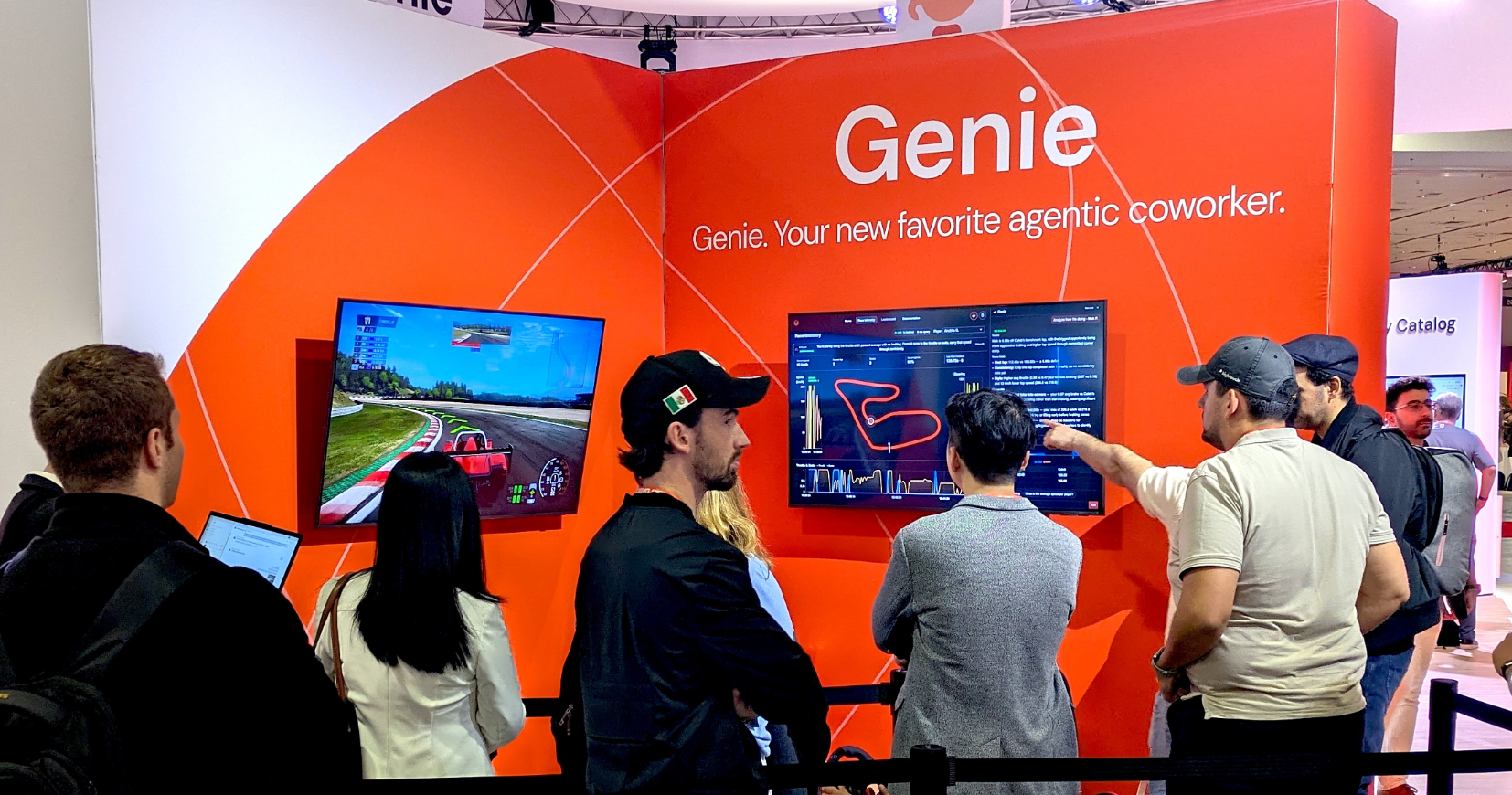
Genie One's autonomous agents address a critical seller pain point: non-technical teams lack access to data-driven insights. The platform's three products—Genie Agents (business users), Genie App Builder (custom applications), and Genie Code (developers)—democratize AI-powered analysis. For e-commerce sellers, this means marketing teams can independently analyze promotional ROI, operations teams can detect inventory anomalies before stockouts occur, and finance teams can forecast cash flow based on real-time sales patterns. The Genie Ontology (real-time knowledge graph) reduces token costs while improving accuracy—critical for sellers operating on thin margins where AI tool costs directly impact profitability.
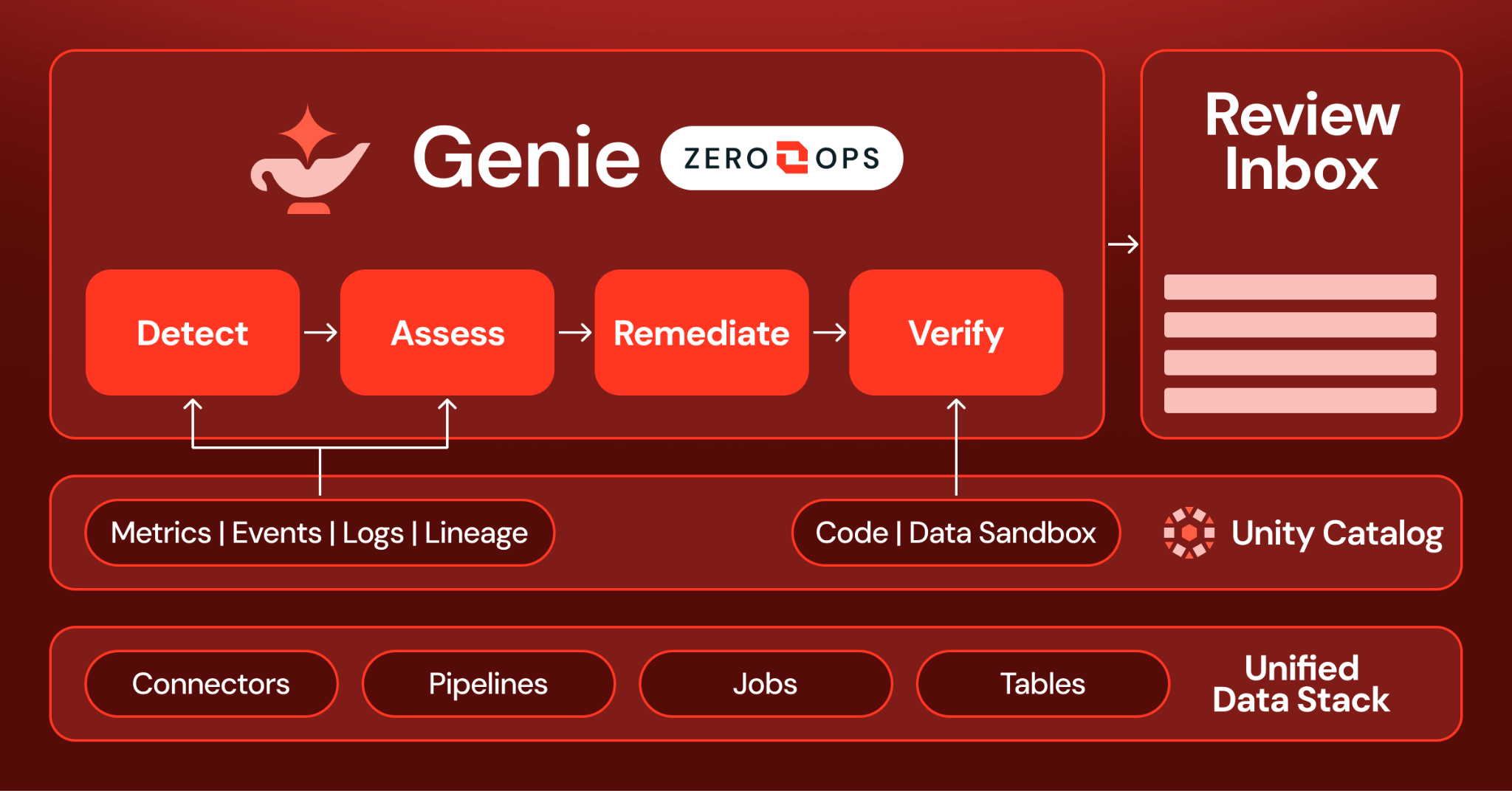
Genie ZeroOps introduces autonomous operations monitoring, automatically detecting pipeline failures, data quality issues, and ML model drift. For sellers using AI-powered pricing engines or demand forecasting models, this eliminates the "silent failure" risk where models degrade without detection, leading to suboptimal pricing or inventory decisions. The sandbox environment with zero-copy cloning enables safe testing of new pricing strategies or inventory allocation algorithms without production risk—a capability that previously required expensive engineering overhead.
Market adoption signals are accelerating: VB Pulse Q1 2026 data shows hybrid retrieval intent tripled from 10.3% to 33.3% quarterly, while standalone vector database adoption declined across all vendors. This indicates enterprise data teams are consolidating infrastructure rather than adding specialized tools—a trend that benefits sellers who can adopt unified platforms like Databricks' Lakehouse. Approximately 480 databases on Databricks' platform are now created by AI agents rather than humans, signaling that infrastructure provisioning itself is becoming automated.
For mid-to-large sellers (especially those with 1000+ SKUs or multi-channel operations), the competitive advantage is immediate: sellers who implement unified data infrastructure can respond to market changes 2-3x faster than competitors managing separate operational and analytical systems. Real-time inventory visibility prevents stockouts that cost 5-10% of potential revenue per category. Dynamic pricing based on live demand data can improve margins 2-4% by capturing price elasticity in real-time rather than using static rules.
Questions 8
How can e-commerce sellers use Databricks' unified data platform to improve inventory management?
Databricks' LTAP eliminates the need for separate operational and analytical databases, enabling sellers to access real-time inventory levels, order data, and returns simultaneously with historical sales patterns. LakehouseRT delivers sub-100ms query latency, allowing inventory dashboards to update in real-time across multiple sales channels (Amazon, Shopify, eBay). This prevents stockouts that typically cost 5-10% of potential revenue per category and eliminates overselling risks. For sellers managing 1000+ SKUs, unified data infrastructure reduces inventory management overhead by 30-40%, freeing engineering resources for product research and optimization.
How does Genie ZeroOps prevent silent failures in AI-powered pricing and forecasting models?
Genie ZeroOps is an autonomous agent that continuously monitors data pipelines, ML models, and related assets, detecting failures before they impact business operations. For sellers using AI-powered dynamic pricing engines or demand forecasting models, the platform automatically diagnoses model performance degradation, generates corrected candidates, and validates improvements against production criteria before deployment. The sandbox environment uses zero-copy cloning, enabling safe testing of new pricing strategies without production risk. This eliminates the risk of pricing models degrading silently, which can cost sellers 2-4% in margin compression over time.