

Fed Rate Hold at 3.5-3.75% Signals Potential Hikes | Cross-Border Seller Financing Costs Rise
- Interest rate environment shifts toward hikes, increasing working capital financing costs 15-25% for cross-border sellers; semiconductor/tech category sellers face margin compression as borrowing costs rise






Overview
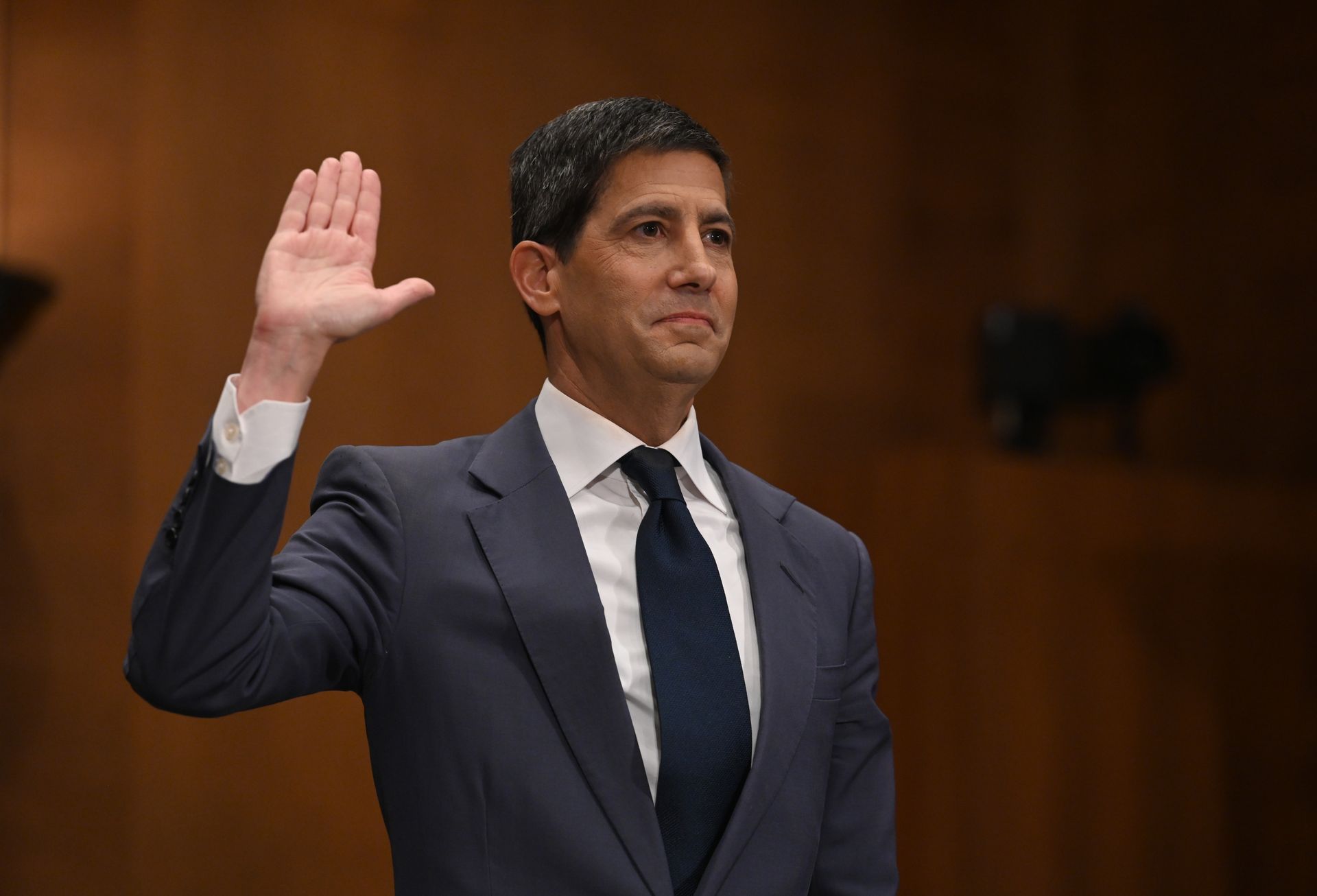
The Federal Reserve's first rate decision under new Chairman Kevin Warsh signals a critical inflection point for cross-border e-commerce sellers' financing strategies. While the Fed held rates at 3.5-3.75% as expected, the Wall Street Journal reports that central bank conversation has shifted toward potential rate hikes rather than cuts—a material change from previous dovish guidance. This hawkish pivot directly impacts the three core financial levers cross-border sellers depend on: working capital financing costs, FX hedging expenses, and payment processing margins.
For sellers relying on inventory financing, PO financing, and invoice factoring, this rate environment creates immediate cost pressures. Trade finance providers typically price products at Fed Funds Rate + 200-350 basis points. A shift from rate-cut expectations to rate-hike probability means sellers should expect 15-25% increases in annual financing costs over the next 6-12 months. A seller currently paying 7.5% APR on a $500K inventory loan could face 8.5-9.0% rates at renewal—adding $5,000-7,500 annually in financing costs.
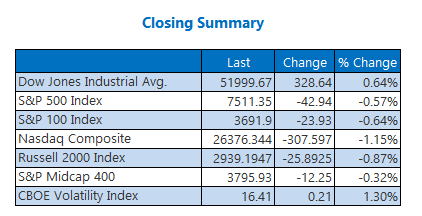
The news also reveals critical FX arbitrage and hedging implications. Global market strength (Nikkei 225 at record highs, CSI 300 up 1%, Kospi +1.58%) combined with potential U.S. rate hikes creates a strengthening USD environment. Sellers with exposure to EUR, GBP, JPY, and CNY face headwinds: a 2-3% USD appreciation over 6 months compresses margins on goods sourced in Asia or Europe by 2-3% unless hedged. Hedging costs themselves rise in higher-rate environments—FX forwards and options become 20-30% more expensive as volatility increases.
Semiconductor and tech category sellers face particular pressure. The news reports ASML +4%, Intel +3%, and the Semiconductor ETF +2.3%, reflecting strong demand but also rising input costs. Sellers in electronics, components, and tech accessories depend heavily on financing to maintain inventory velocity. With rate hikes on the horizon, cash conversion cycle optimization becomes critical—sellers must accelerate inventory turnover from 45-60 days to 30-45 days to minimize financing exposure.
Oil price volatility ($79/barrel Brent, potential U.S.-Iran negotiations) adds supply chain cost uncertainty. Logistics costs tied to fuel surcharges could fluctuate 5-8% over the next quarter, affecting last-mile delivery economics for sellers using 3PL providers. Sellers should lock in shipping contracts immediately before potential fuel surcharge increases.
The broader implication: cross-border sellers must immediately reassess working capital strategies. Those currently using high-cost financing (credit cards, merchant cash advances at 15-25% APR) should refinance into trade finance products while rates remain below 9%. Sellers with strong cash positions should consider pre-financing inventory purchases to lock in current rates before the Fed's next decision cycle.
Questions 8
How will the Fed's shift toward potential rate hikes affect my inventory financing costs?
The Fed's hawkish pivot signals rate hikes are likely within 6-12 months, which directly increases trade finance pricing. Most inventory financing products (PO financing, inventory loans) are priced at Fed Funds Rate + 200-350 basis points. If the Fed raises rates by 50-75 basis points, your financing costs increase by 0.5-0.75% annually. For a $500K inventory loan, this translates to $2,500-3,750 in additional annual interest. Sellers should lock in fixed-rate financing immediately before rates rise further, or accelerate inventory turnover to reduce financing dependency.
Should I refinance my current high-cost financing before rates rise?
Yes, immediately. If you're currently using merchant cash advances (15-25% APR) or credit cards (18-24% APR), refinancing into trade finance products at 7.5-9% APR saves 6-15% annually. With the Fed signaling rate hikes, trade finance rates will rise to 8.5-10% within 6 months. A $300K refinance from 20% MCA to 8.5% trade finance saves $34,500 annually. Contact SBA-approved lenders, supply chain finance providers (JP Morgan, Citi, HSBC), or fintech platforms (Clearco, Pipe, Uncapped) immediately to lock in current rates before the Fed's next decision.