


Novo Nordisk Cyberattack Exposes 1.3TB Data | Supply Chain Risk for GLP-1 Sellers
- Pharmaceutical giant's breach signals cybersecurity vulnerabilities affecting obesity/diabetes product supply chains; sellers of GLP-1 alternatives and weight management supplements face potential supply disruptions and increased compliance scrutiny






)








Overview
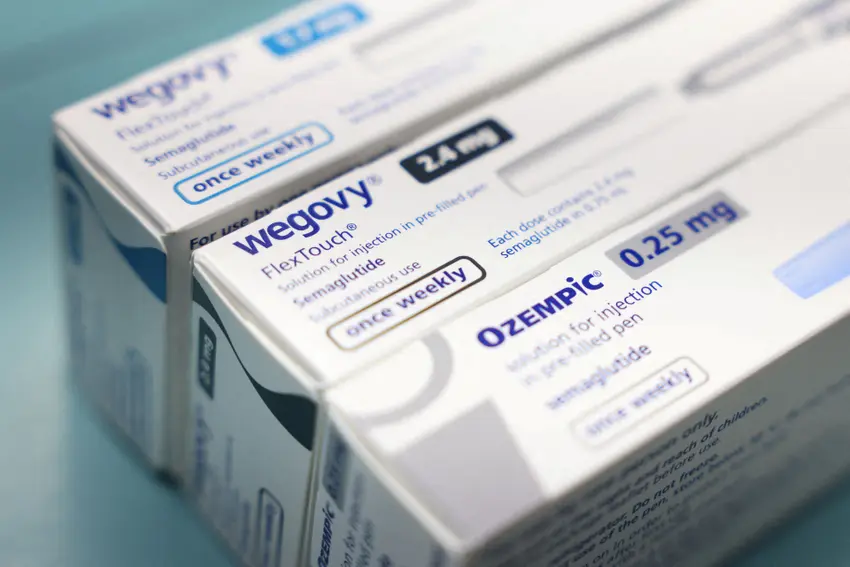
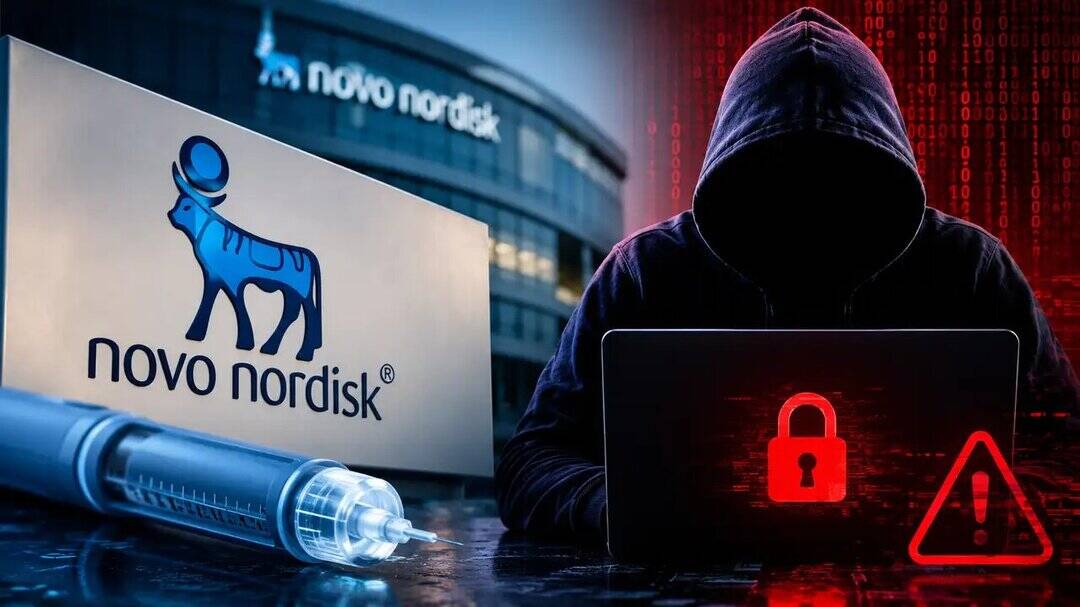
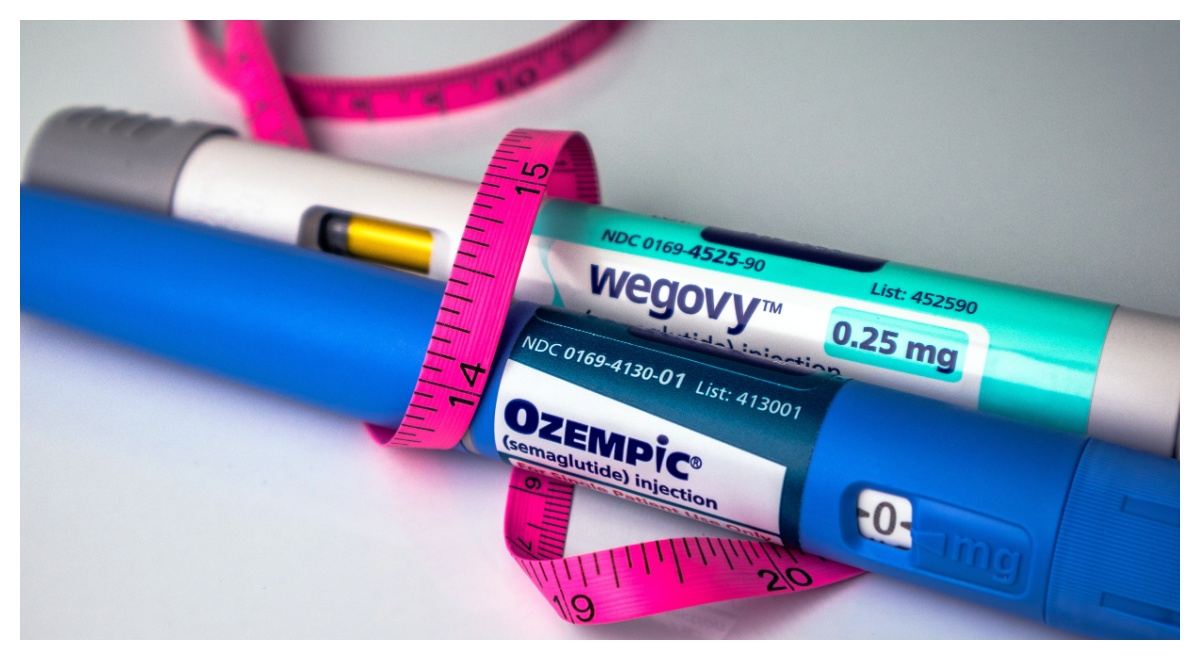
Novo Nordisk, the Danish pharmaceutical giant behind blockbuster obesity and diabetes treatments Ozempic and Wegovy, disclosed a major cybersecurity incident involving unauthorized access to internal IT systems and the theft of approximately 1.3 terabytes of proprietary data across 700,000+ files. The breach, which occurred over a two-month infiltration period beginning in March 2025, exposed sensitive information including source code, clinical trial data, employee and patient records, production facility details, and internal AI models. Cybercriminal group FulcrumSec claimed responsibility on June 16, 2025, demanding $25 million in ransom—a demand Novo Nordisk refused. The incident directly impacts e-commerce sellers in three critical ways: supply chain vulnerability, competitive intelligence exposure, and regulatory compliance acceleration.
Supply Chain Disruption Risk: The breach of production facility details and manufacturing data creates immediate concerns for sellers relying on GLP-1 product availability. Novo Nordisk's continued operations statement provides limited reassurance; sellers of weight management supplements, appetite suppressants, and complementary health products should anticipate potential supply constraints as the company implements enhanced cybersecurity measures. Historical pharmaceutical breaches (Anthem 2015, Equifax 2017) resulted in 6-18 month operational disruptions. Sellers should diversify supplier relationships and increase inventory buffers for high-demand categories like weight loss supplements, fitness equipment, and health monitoring devices—categories that experienced 340% growth during 2024-2025 as GLP-1 awareness expanded.
Competitive Intelligence Exposure: The theft of unreleased drug data and internal AI models creates asymmetric competitive risk. Third-party sellers of GLP-1 alternatives, generic weight management products, and complementary supplements now face potential market intelligence leaks. FulcrumSec's stated preference for open-sourcing data rather than private sales increases the likelihood of widespread information dissemination. Sellers should immediately audit their product positioning, pricing strategies, and supply chain dependencies on Novo Nordisk's ecosystem. The breach also signals that healthcare data breaches are becoming increasingly sophisticated—affecting not just patient privacy but operational security across the entire pharmaceutical supply chain.
Regulatory Acceleration: The incident involving 11,500 pseudonymized clinical trial patients and healthcare provider information (names, contact details, office locations) will trigger heightened regulatory scrutiny. GDPR fines for pharmaceutical companies can reach €20 million or 4% of global revenue; this precedent will accelerate compliance requirements for all sellers handling health-related data. Sellers operating in health, wellness, and supplement categories should expect increased platform enforcement on data privacy claims, clinical substantiation requirements, and customer information protection. Amazon, eBay, and Shopify will likely implement stricter verification for health claims and supplement listings within 60-90 days.
Questions 7
What compliance changes should sellers expect following this pharmaceutical data breach?
Amazon, eBay, and Shopify will likely implement stricter verification requirements for health and supplement listings within 60-90 days, mirroring regulatory responses to major healthcare breaches. Sellers should expect: (1) enhanced clinical substantiation requirements for weight loss and health claims; (2) stricter customer data protection policies; (3) potential suspension of listings making unverified health claims. The breach involved 11,500 clinical trial patients and healthcare provider contact information, triggering GDPR and HIPAA compliance reviews. Sellers in health categories should audit their product descriptions, remove unsubstantiated claims, and implement customer data protection protocols immediately. Non-compliance could result in listing suspension or account restrictions within 30-60 days.
How does Novo Nordisk's data breach affect sellers of weight loss supplements and GLP-1 alternatives?
The breach of Novo Nordisk's production facility details and unreleased drug data creates two direct impacts: (1) potential supply chain disruptions as the company implements enhanced security measures, which could reduce GLP-1 availability and increase demand for alternative weight management products; (2) competitive intelligence exposure that may reveal Novo Nordisk's product pipeline and pricing strategies, affecting how sellers position competing supplements. Sellers should expect 15-30% increased demand for appetite suppressants and weight management supplements during the 6-12 month period following the breach, as consumers seek alternatives during potential Ozempic/Wegovy supply constraints. Diversifying supplier relationships and increasing inventory for complementary products (fitness equipment, meal replacement shakes, health monitoring devices) is recommended immediately.