

Google Gemini Outages Impact AI-Dependent E-Commerce Operations | Critical Reliability Gaps
- Multiple service disruptions affecting sellers using Gemini for product descriptions, customer service automation, and business workflows; outages disrupt content creation and customer communications for cross-border sellers








Overview
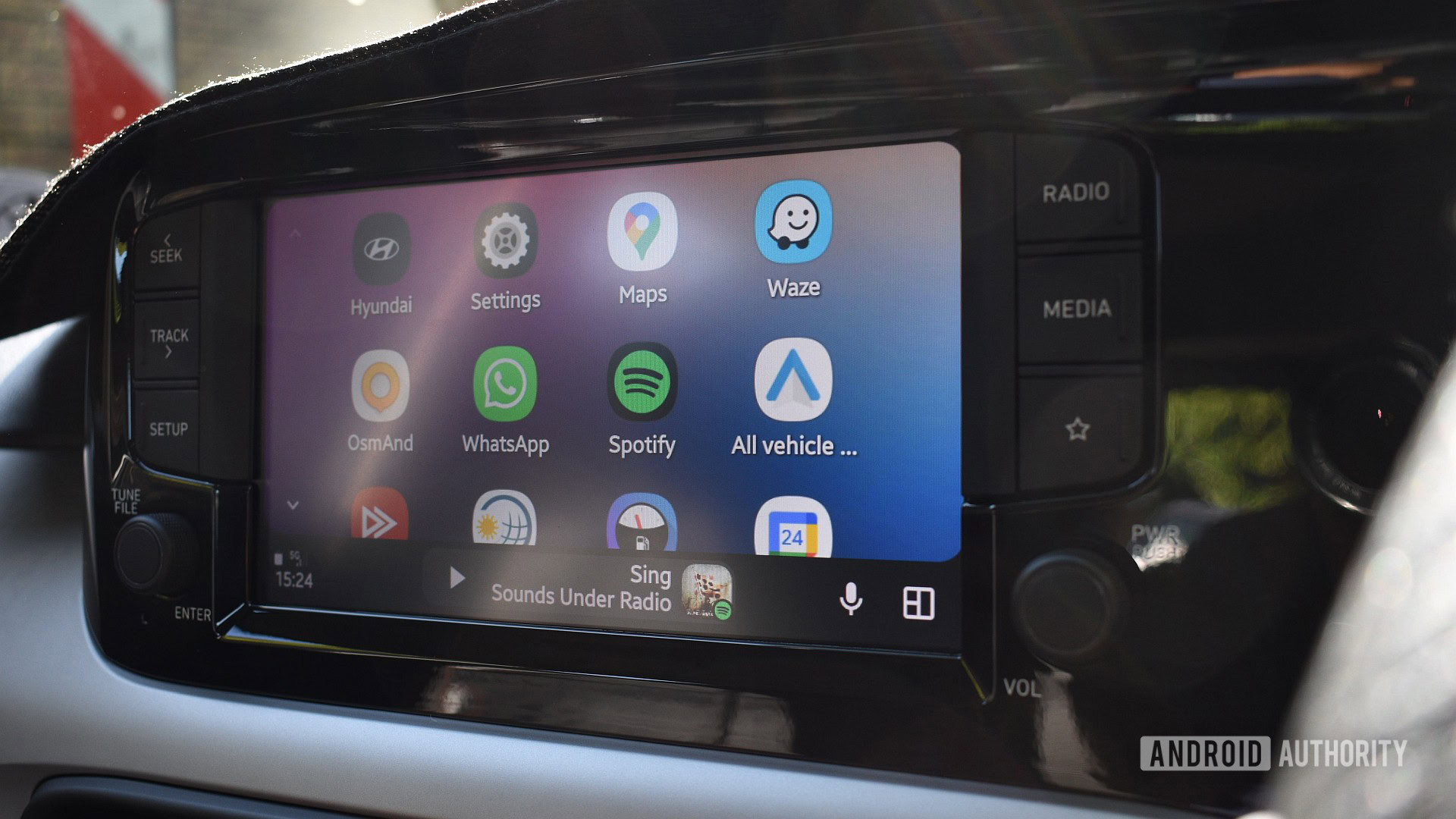
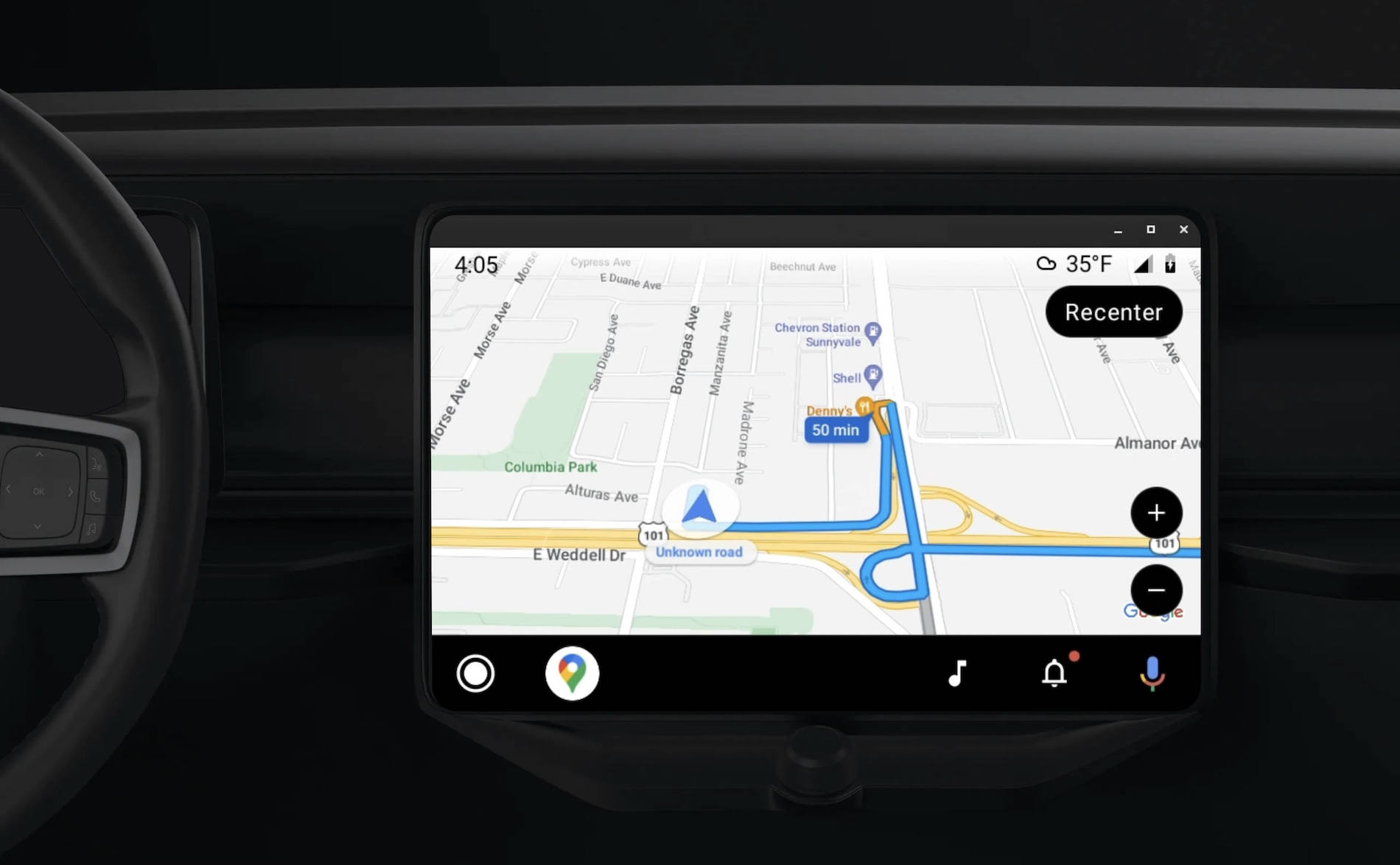
Google Gemini is experiencing critical reliability issues across multiple platforms, with three distinct failure patterns affecting e-commerce sellers who depend on the AI assistant for business operations. The first issue involves a calling functionality bug on Android Auto that displays "Something went wrong. Please try again" error messages, affecting users attempting hands-free calling while driving—a feature launched in late 2025 that has already reached most Android users through automatic updates. Google confirmed the bug and deployed a fix via Google Play Store, though some users report the issue persists intermittently. The second problem manifests as additional Android Auto failures including incorrect location information and app crashes during driving, with standard troubleshooting methods proving ineffective. Most critically, Google Gemini experienced a complete service outage affecting the app, website, login functionality, integrations, automation workflows, and save/sync features across multiple regions and user segments. According to Downdetector reports, the outage disrupted login access entirely for some users while others experienced slow responses or intermittent failures—not a uniform outage but rather a cascading failure affecting critical business functions.
For e-commerce sellers relying on Gemini for content creation, customer service automation, and business operations, these outages directly impact daily workflows. Sellers using Gemini to generate product descriptions, manage customer communications, and automate business processes face productivity losses when the service becomes unavailable. The outage affected Gemini's integration across Google's ecosystem including Search, Workspace, Google One, and Google Cloud—platforms many cross-border sellers depend on for market research, content management, and customer engagement. Login issues prevented some users from accessing the assistant entirely, while sync problems disrupted saved chats and productivity workflows. The incident underscores a critical operational risk: relying on third-party AI tools for business-critical functions without redundancy or backup systems creates vulnerability. Sellers dependent on Gemini for product research, competitor analysis, and content optimization faced workflow interruptions with no official communication from Google about the cause or resolution timeline.
The pattern of issues—calling bugs, location errors, app crashes, and complete outages—suggests systemic reliability problems with Gemini's infrastructure rather than isolated incidents. Google's delayed public acknowledgment and lack of official solutions compound the operational risk for sellers who have integrated Gemini into their daily business processes. This incident reveals a critical gap in AI tool reliability for e-commerce operations: while Gemini offers powerful automation capabilities, its stability cannot yet match legacy tools like Google Assistant or traditional business software. Sellers must now evaluate whether Gemini's productivity gains justify the operational risk of service disruptions, particularly for mission-critical functions like customer service and content generation.
Questions 7
How do Google Gemini outages impact e-commerce sellers using the tool for product descriptions?
Google Gemini outages directly disrupt sellers' ability to generate product descriptions, customer communications, and market research content. When Gemini experiences login failures or sync problems—as documented in the recent outages affecting the app, website, and integrations—sellers lose access to saved chats, product templates, and automation workflows. For cross-border sellers managing multiple product listings across Amazon, eBay, or Shopify, even a 2-4 hour outage can delay content updates by 1-2 days. Sellers should implement backup content creation workflows and avoid relying solely on Gemini for mission-critical product information.
Should sellers switch away from Gemini due to these reliability issues?
The recent outages and Android Auto bugs suggest Gemini is still maturing as a business-critical tool, but switching entirely may be premature. Google's prompt deployment of fixes for the calling bug and the company's historical reliability with core services indicate these issues are likely temporary. However, sellers should adopt a risk-mitigation strategy: use Gemini for non-critical tasks (brainstorming, research, draft content) while maintaining traditional tools for mission-critical functions (customer responses, order processing, payment handling). Consider Gemini as a productivity accelerator rather than a replacement for established business software. Monitor Gemini's reliability over the next 2-3 months before making long-term commitments.