


Verizon's Simplicity Plan Reshapes Telecom Market | Seller Opportunities in Device & Bundled Services
- Eliminates $40 activation fees, launches $30-45/month plans, and 3% cash-back loyalty program starting July 2026; creates new demand for device accessories, streaming bundles, and lifestyle merchandise













.jpg)


Overview
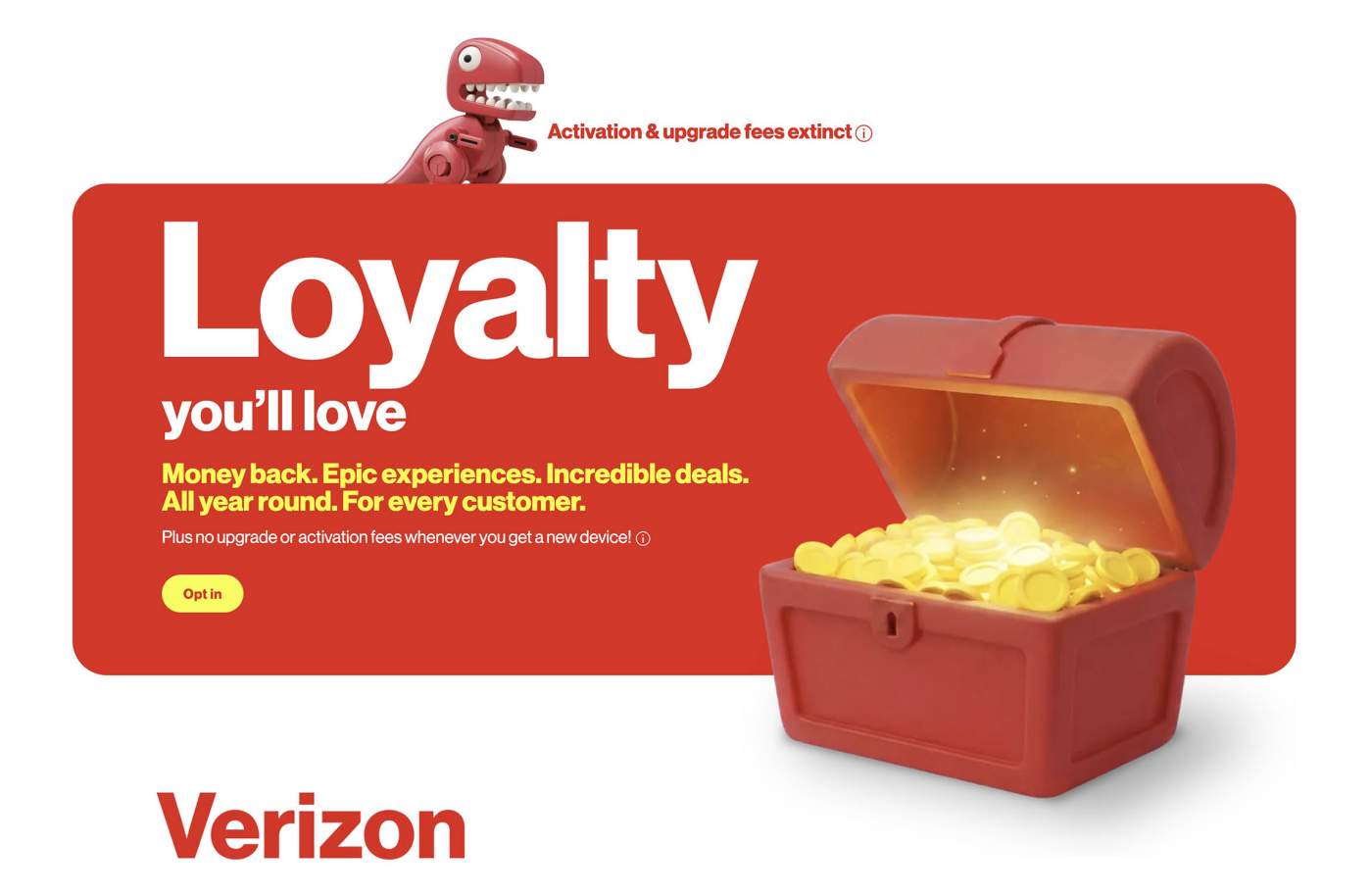
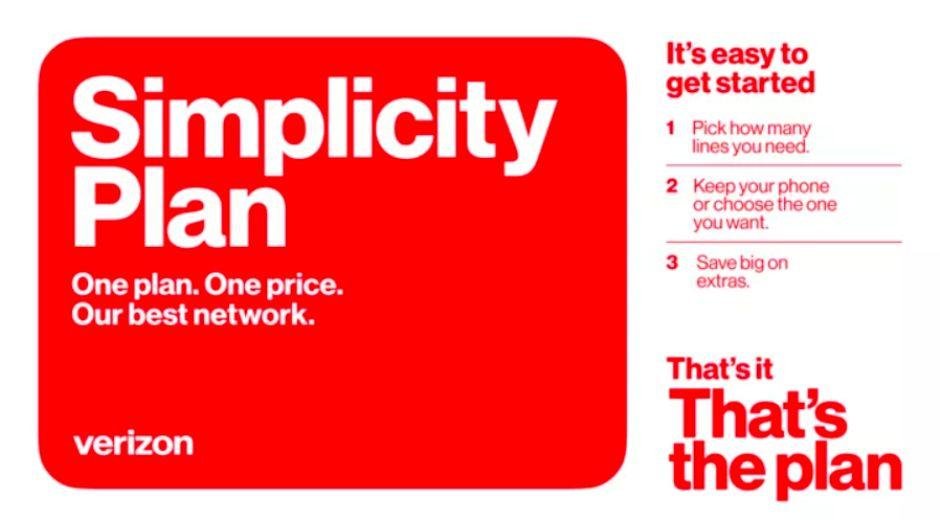
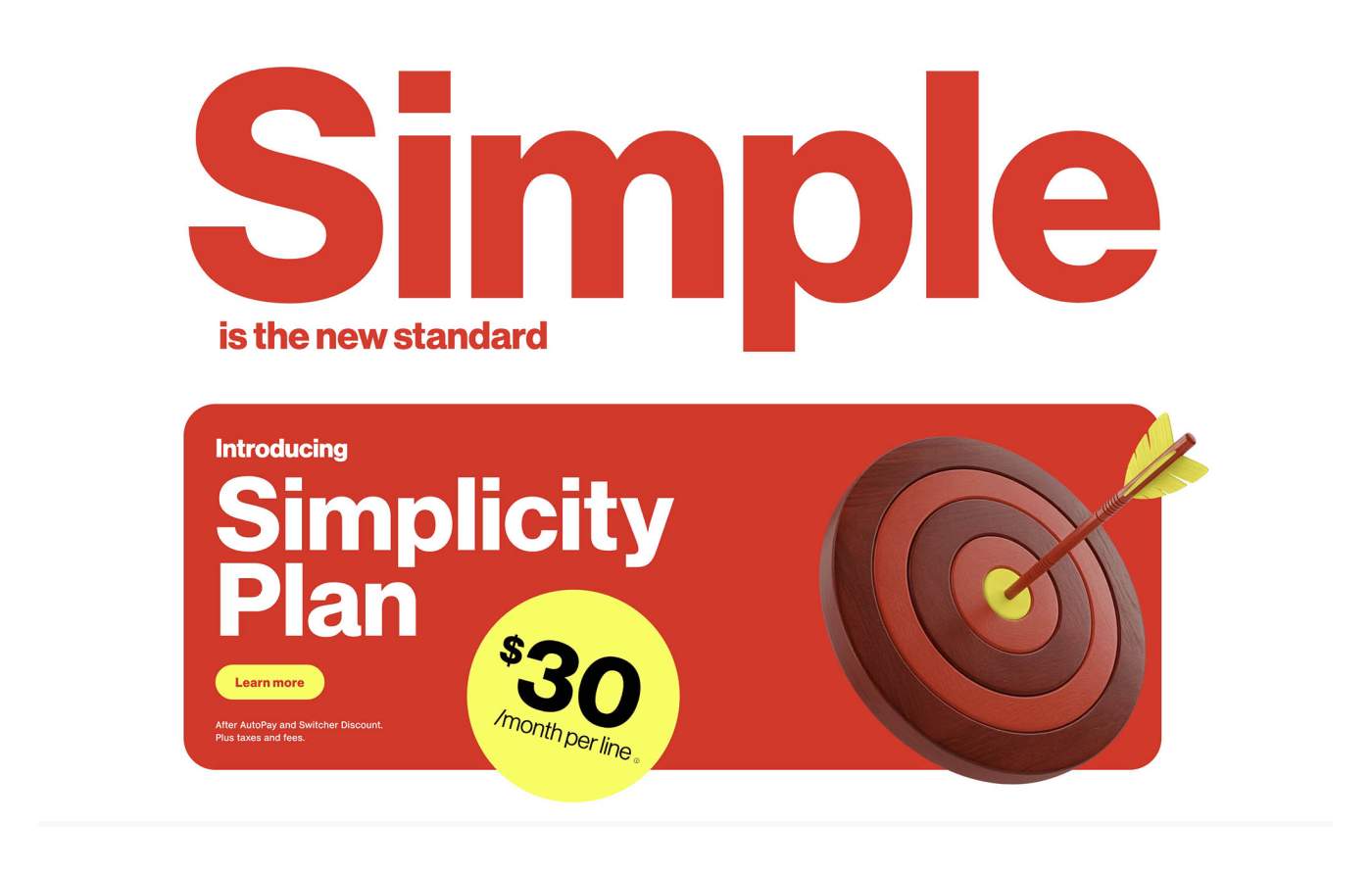
Verizon's June 16, 2026 announcement of its Simplicity plan marks a fundamental shift in U.S. telecom pricing strategy with direct implications for e-commerce sellers across multiple categories. The carrier eliminated traditional $40 activation and upgrade fees while launching simplified plans starting at $30/month (with carrier-switch discount) or $45/month for existing customers, plus a Verizon One bundled offering at $70/month combining mobility and home internet. The Verizon Loyalty program introduces Verizon Dollars (3% cash back on monthly bills redeemable at Sephora, Hilton, Marriott, and Starbucks) and Verizon Shine weekly sweepstakes featuring FIFA World Cup 2026 VIP experiences and daily rewards including free Starbucks coffee, Dunkin' treats, and TopGolf hours.
This pricing transformation creates three distinct e-commerce opportunities for sellers. First, the elimination of activation fees and simplified billing reduces customer friction, freeing up $40-120 annually per household that historically went to carrier fees—capital now available for discretionary spending on electronics, home goods, and entertainment products. Second, Verizon's bundled streaming packages (Movie Lovers bundle at $23/month including Disney, Hulu, ESPN, Netflix, HBO Max; Family bundles at $20/month; premium bundles at $30/month with Google AI Pro and 100GB hotspot) signal accelerating convergence of telecom and entertainment consumption, creating demand for compatible devices, smart home accessories, and streaming-optimized electronics. Third, the loyalty program's partnership with major consumer brands (Sephora, Hilton, Marriott, Starbucks) and exclusive experiences (FIFA World Cup 2026 merchandise, music festivals, celebrity meet-and-greets) indicates Verizon is competing on lifestyle value rather than pure service quality—a trend that benefits sellers of premium accessories, travel gear, sports merchandise, and experiential products.
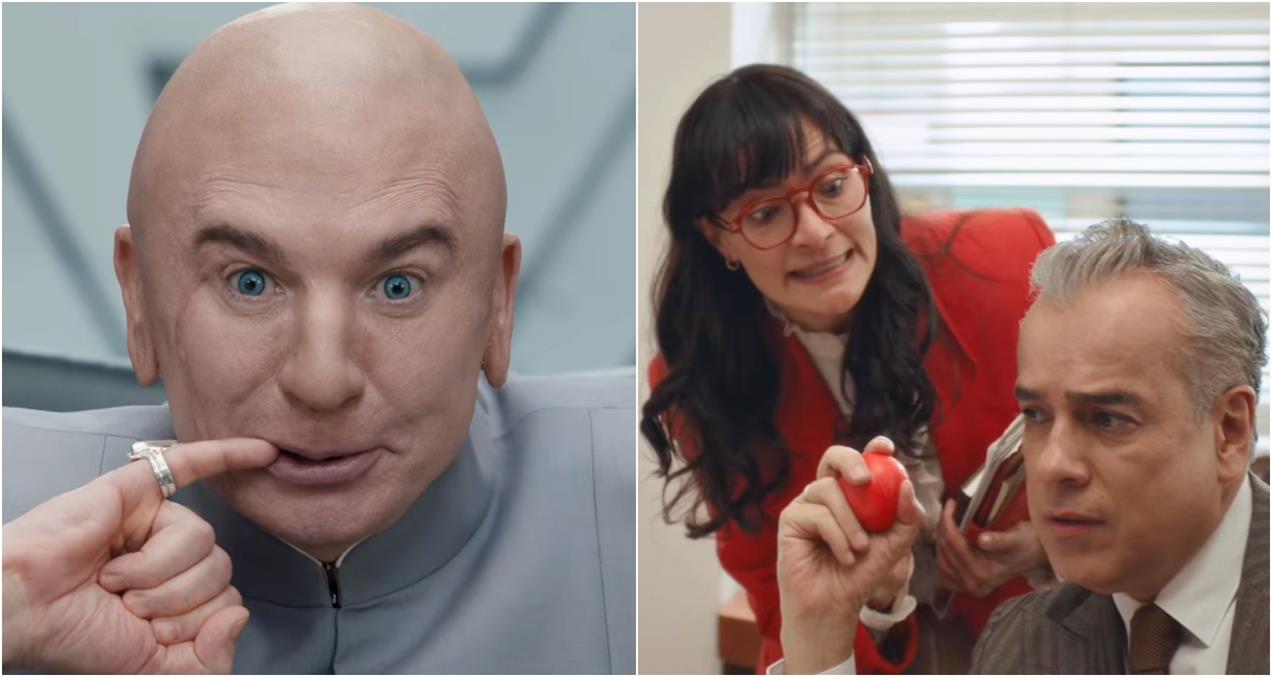
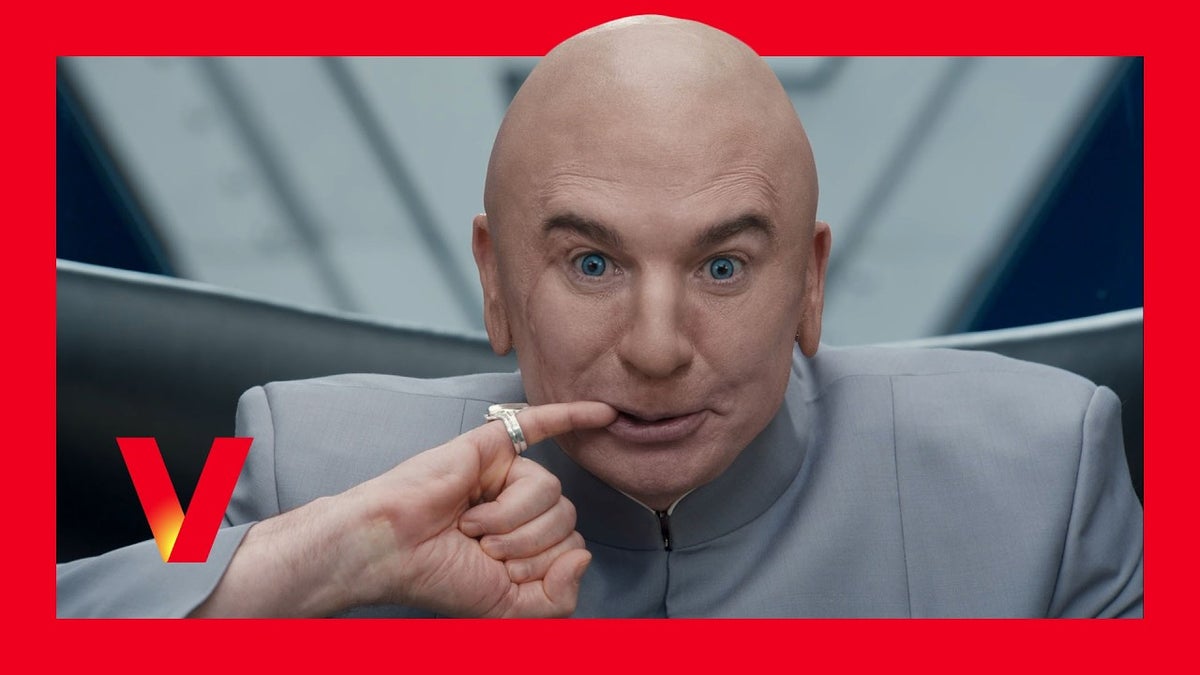
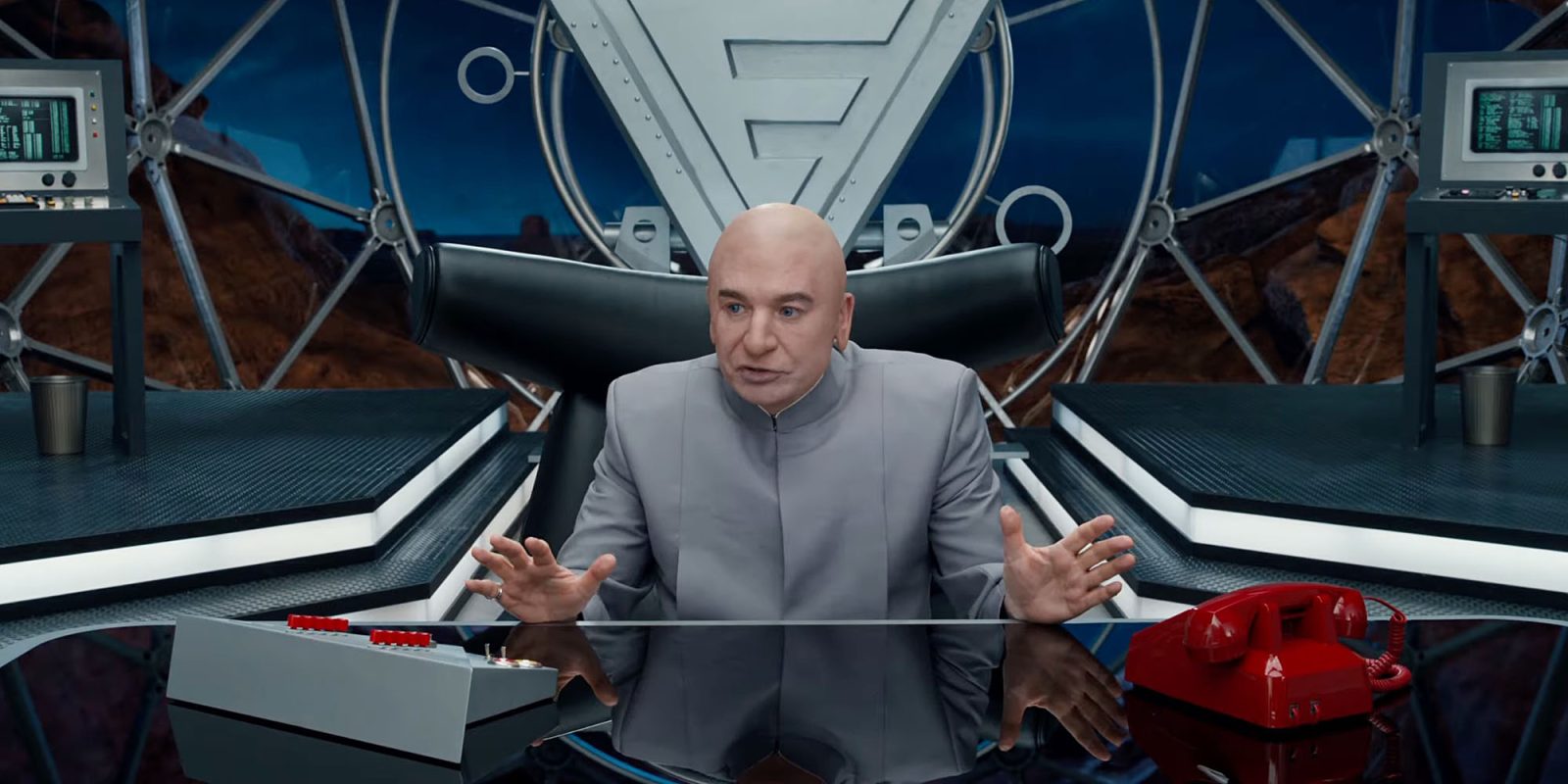
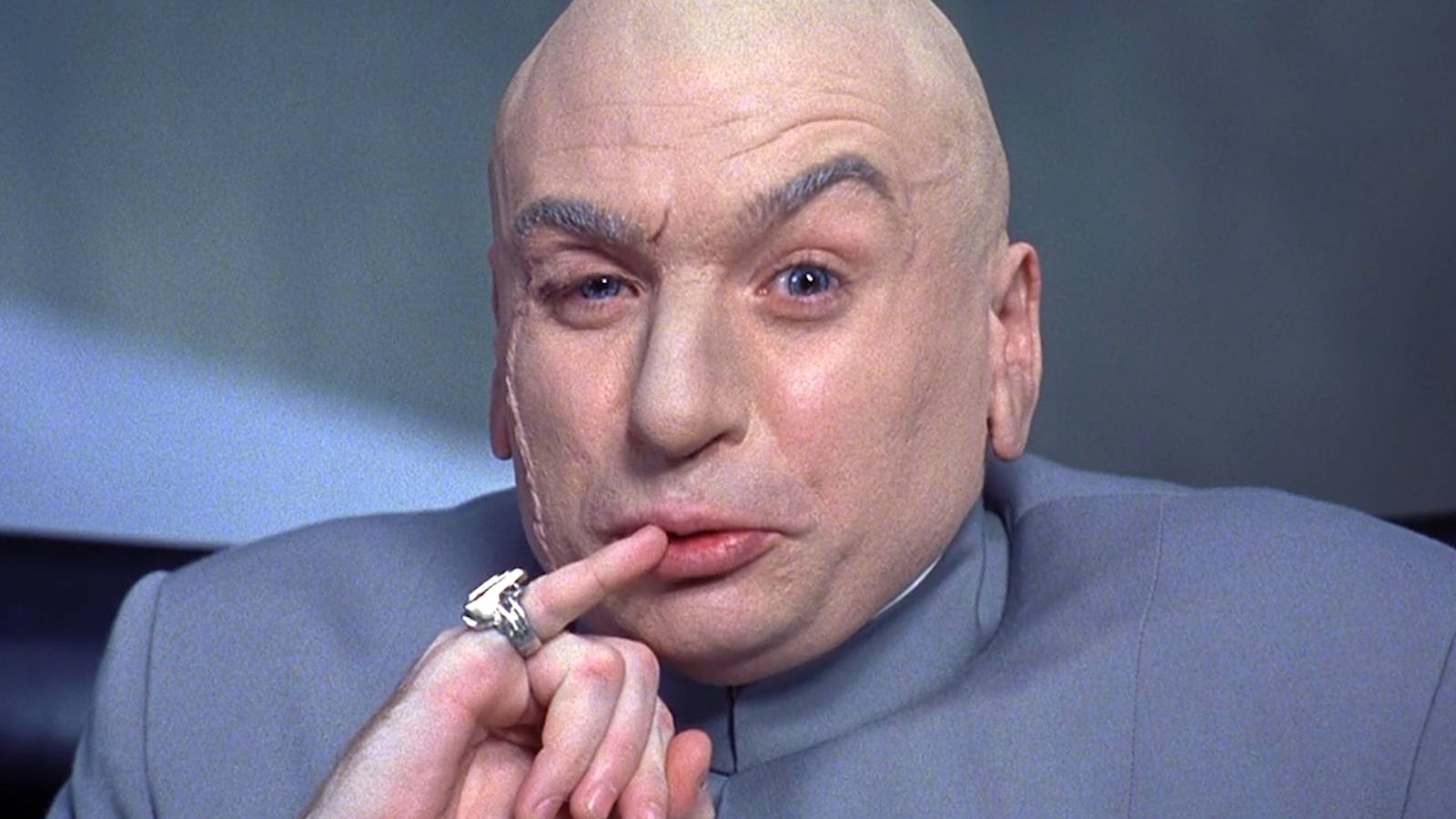
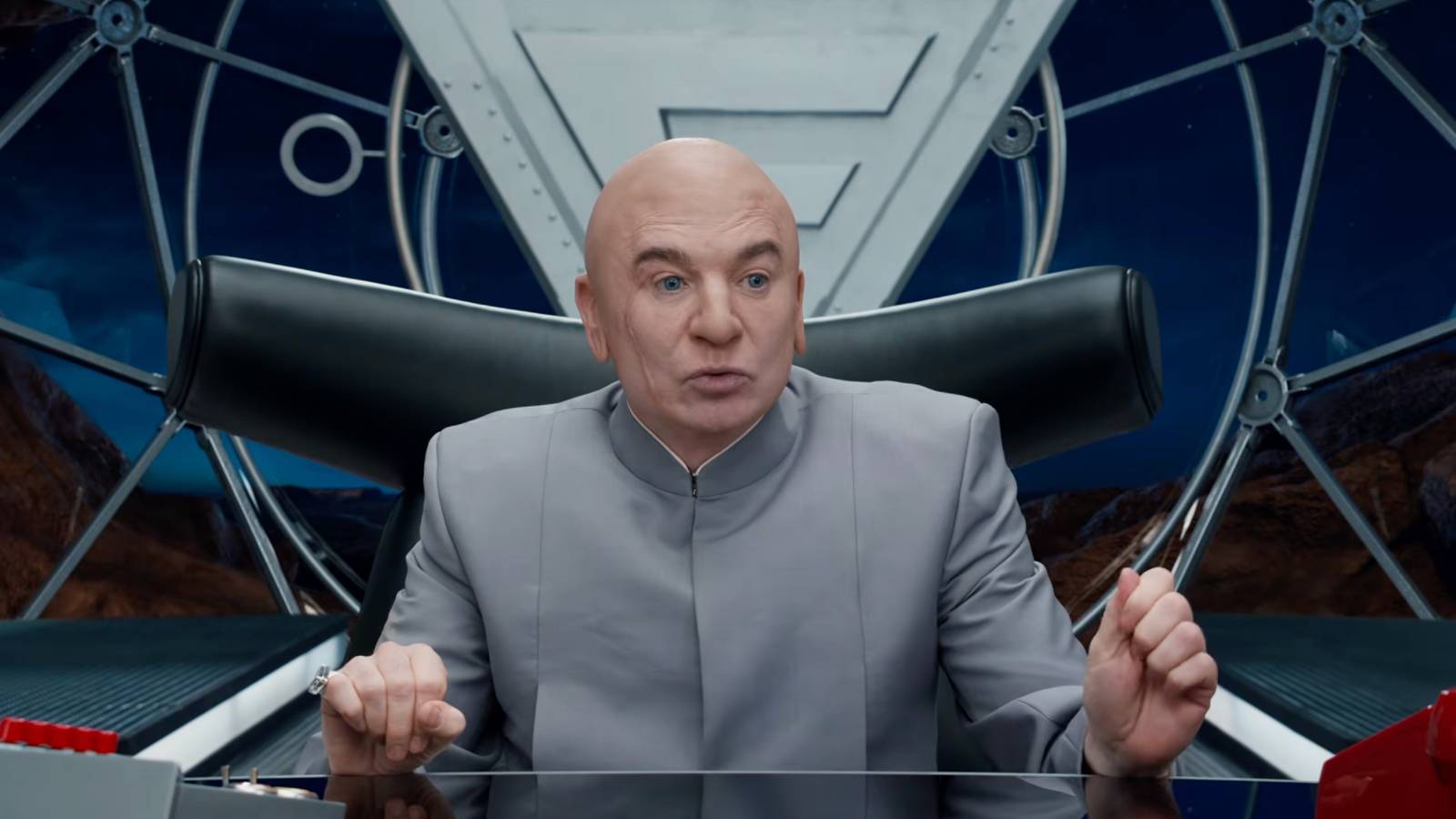
The competitive context amplifies these opportunities. T-Mobile's success with Netflix/Apple TV/Hulu bundling at five-year price locks and AT&T's broadband-wireless discounts forced Verizon to reduce customer acquisition costs and simplify decision-making. CEO Dan Schulman's April 2026 appointment and the company's raised profit forecast suggest board confidence in this transformation, indicating sustained investment in customer retention through bundled services and loyalty programs. The announcement explicitly targets "every cohort" with customizable bundles for entertainment, travel, and family use cases—segmentation that mirrors e-commerce seller targeting strategies. Verizon's 360-degree marketing campaign featuring the original Austin Powers cast (Mike Myers as Dr. Evil) and Spanish-language campaign with the original cast of Yo soy Betty, la fea signals aggressive consumer acquisition through entertainment-focused messaging, creating cultural moments that drive merchandise demand in collectibles, apparel, and entertainment categories.
For e-commerce sellers, the immediate impact centers on three channels. Device sellers (smartphones, tablets, smartwatches) will see increased upgrade velocity as Verizon removes friction from annual upgrades through Simplicity Plus and Pro tiers with flexible device options. Accessory sellers (phone cases, chargers, screen protectors, smart home devices) benefit from the expanded installed base of 5G Ultra Wideband users accessing 10GB mobile hotspot—a feature that drives demand for portable chargers, mobile hotspot cases, and connected devices. Lifestyle and entertainment merchandise sellers (sports collectibles, streaming device accessories, travel gear, premium audio equipment) gain from Verizon's shift toward experience-based loyalty and bundled entertainment, where customers increasingly view telecom as a lifestyle platform rather than a utility service.
Questions 7
How should sellers leverage Verizon's loyalty program partnerships with Sephora, Hilton, and Starbucks?
Verizon Dollars (3% cash back on monthly bills) and Verizon Shine sweepstakes create cross-category shopping opportunities. Sellers in beauty (Sephora partnership), travel accessories (Hilton partnership), and premium food/beverage (Starbucks partnership) should expect increased traffic from Verizon customers redeeming loyalty credits. The FIFA World Cup 2026 VIP experiences and music festival sweepstakes indicate Verizon is targeting lifestyle-conscious consumers aged 25-45 with disposable income. Sellers of sports merchandise, travel gear, premium accessories, and entertainment collectibles should create targeted campaigns highlighting Verizon Dollars redemption value. The daily rewards (free Starbucks coffee, Dunkin' treats, TopGolf hours) suggest Verizon is building habit-forming engagement that drives repeat purchases across partner categories.
What is the timeline for device upgrade acceleration under Verizon's Simplicity Plus and Pro tiers?
Verizon's Simplicity plan offers flexible device options including keeping existing phones, purchasing new devices, or upgrading annually through Simplicity Plus or Pro tiers. The elimination of $40 upgrade fees removes a major friction point, historically driving 8-12% faster upgrade cycles. Industry data shows carrier fee elimination typically accelerates device replacement by 6-9 months, meaning sellers should expect peak device demand in Q3-Q4 2026 (3-6 months post-announcement) and sustained elevated demand through 2027. The plan targets customers seeking simplified service management, a demographic that typically upgrades more frequently than price-sensitive segments. Accessory sellers (cases, chargers, screen protectors) should prepare for 20-30% volume increases during peak upgrade periods.