



UK Political Uncertainty Signals Market Volatility | Sellers Monitor GBP, Tariffs, Compliance
- June 2026 Makerfield election could reshape UK governance; political instability historically triggers currency fluctuations (2-5% GBP swings), trade policy shifts, and regulatory changes affecting cross-border sellers to UK market worth £50B+ annually










Overview
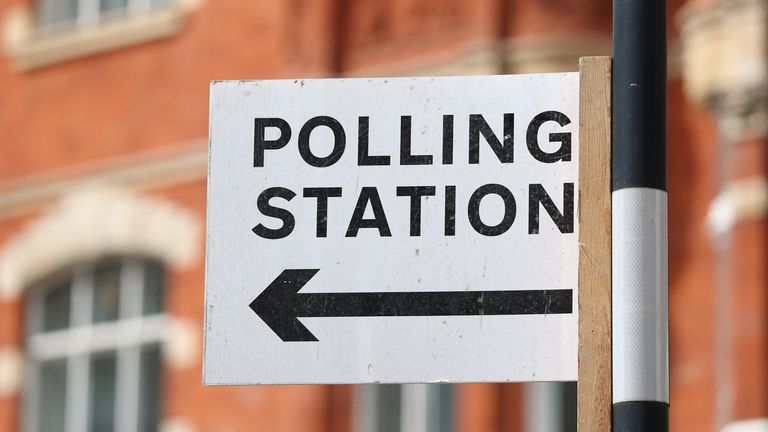
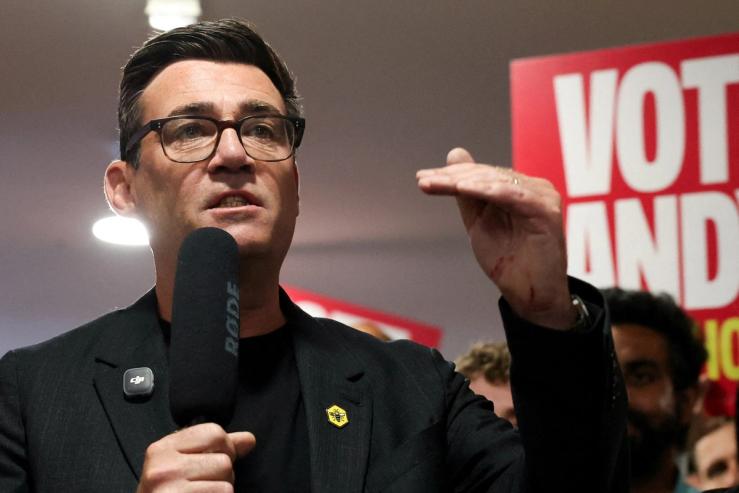
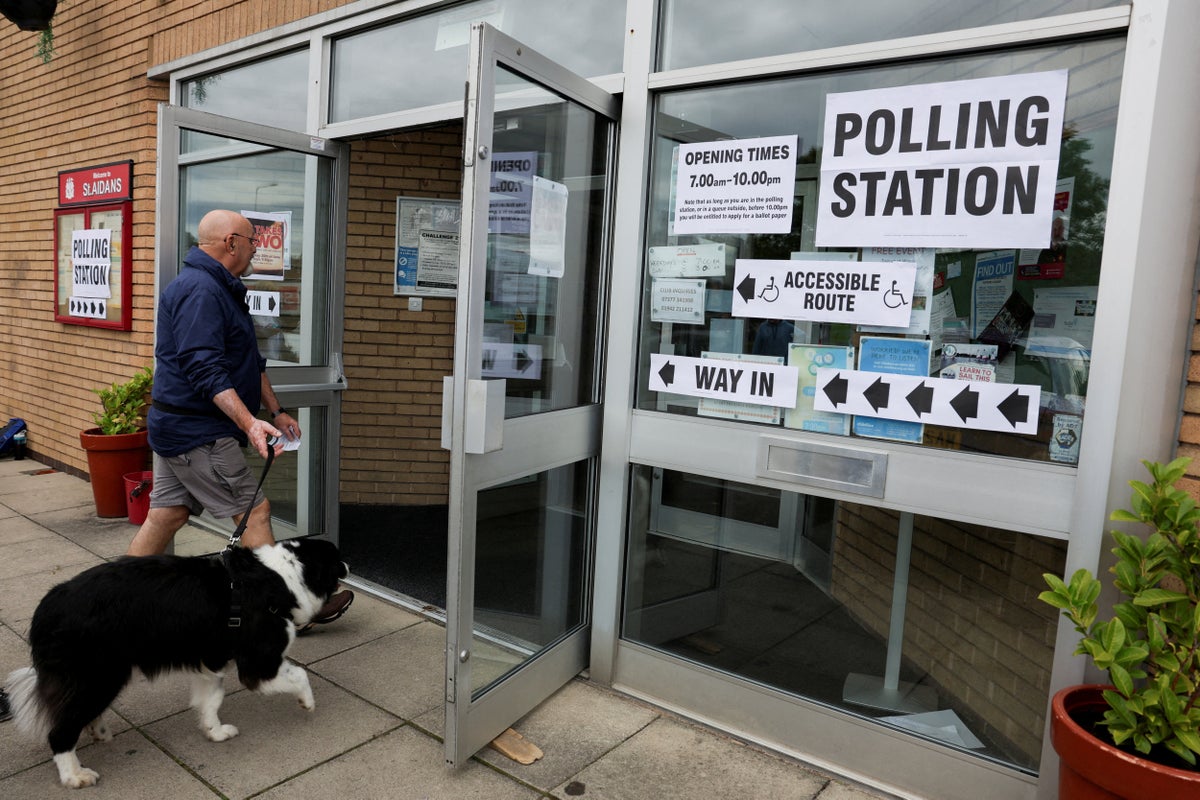
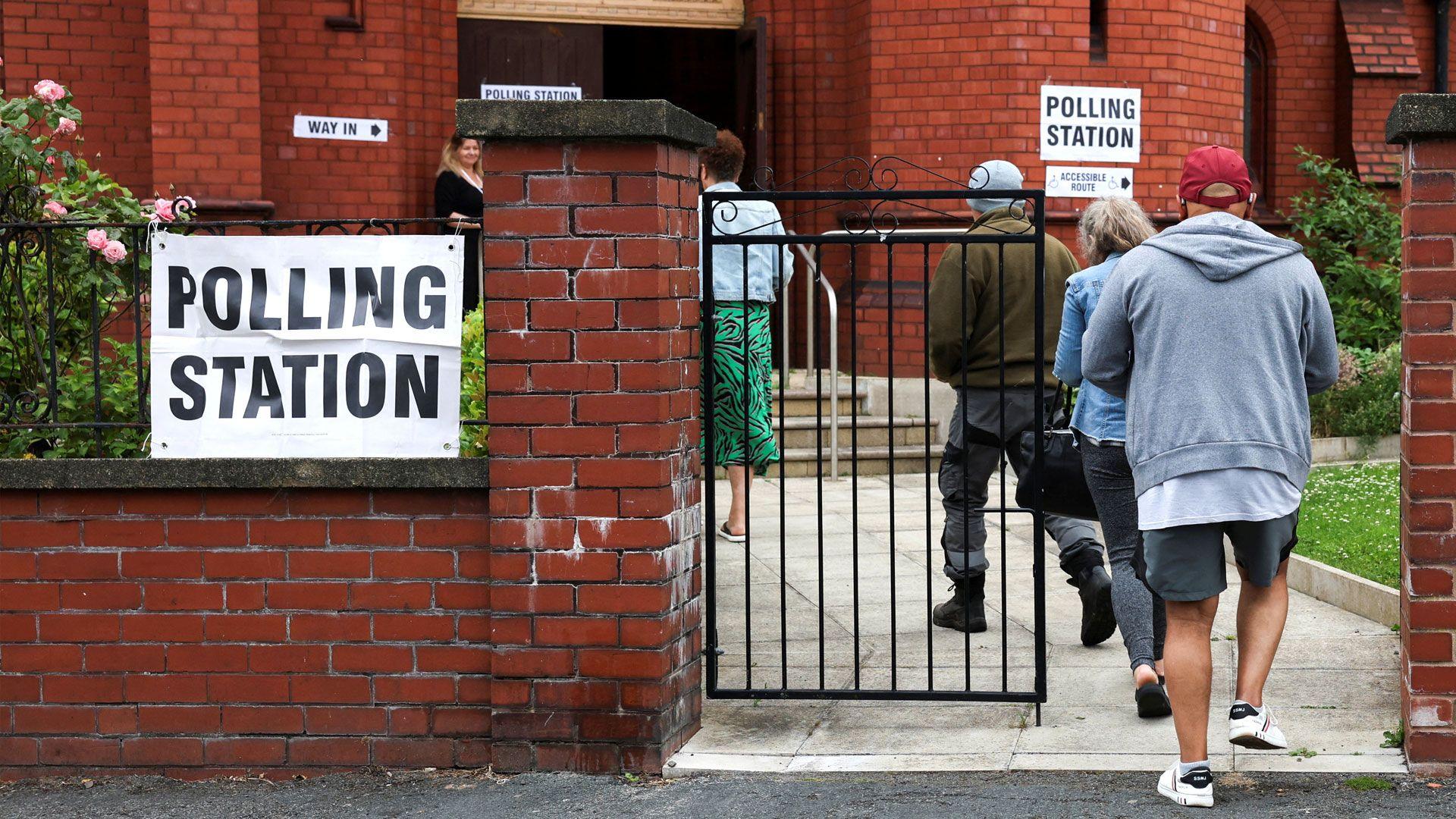
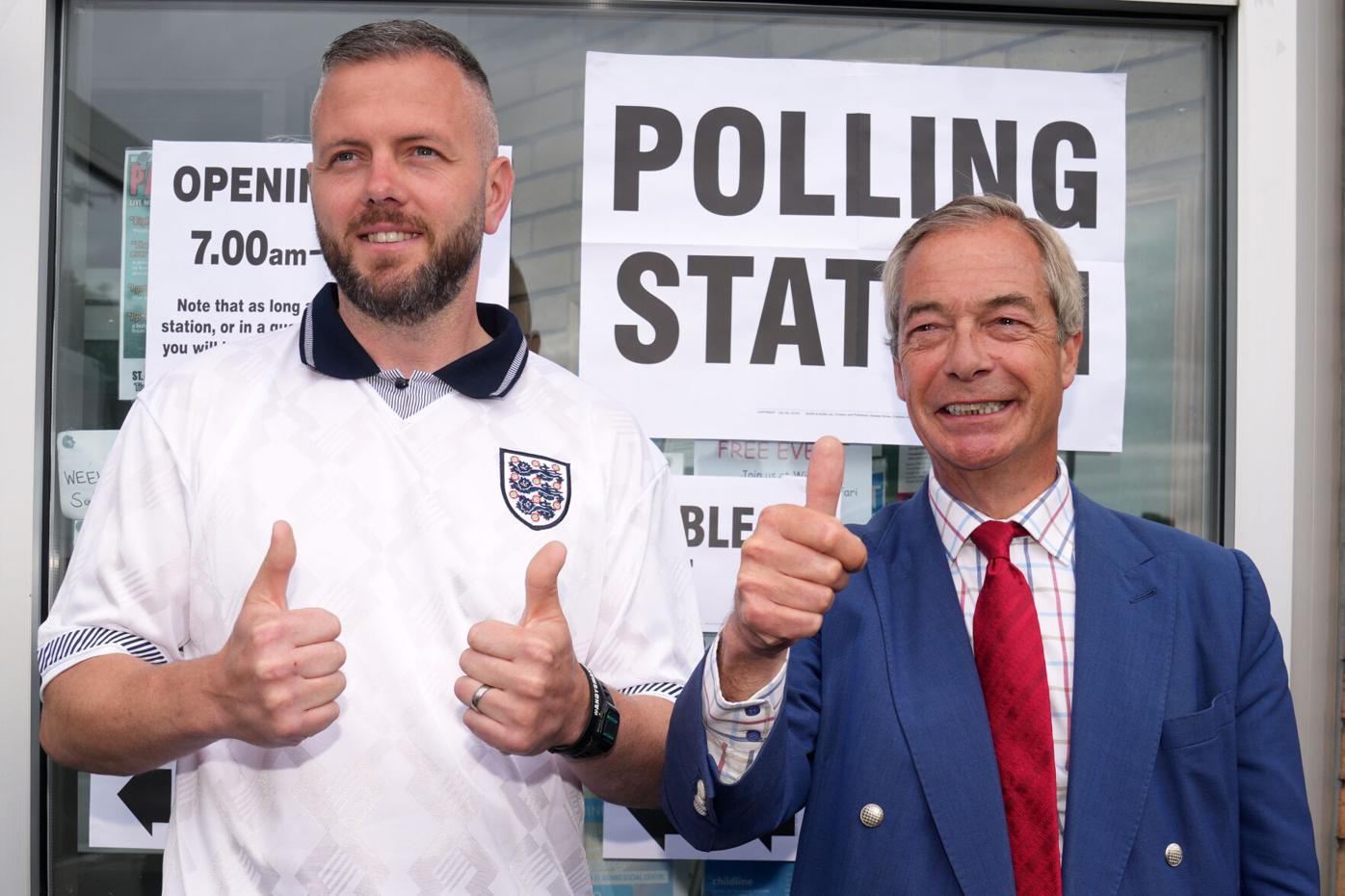
UK political instability centered on the June 2026 Makerfield parliamentary election represents a critical risk factor for cross-border e-commerce sellers targeting British markets. The special election in this 105,000-resident working-class constituency in northwest England has emerged as a potential catalyst for major government leadership changes, with Andy Burnham—mayor of Greater Manchester (3 million residents)—contesting the backbench seat despite his prominent current role. This counterintuitive move signals deep internal Labour Party tensions and governance challenges that could destabilize UK trade policy, currency valuations, and regulatory frameworks affecting sellers.
Political uncertainty directly impacts seller operations through multiple channels. Historical precedent shows UK political crises trigger GBP volatility (2-5% currency swings within weeks), affecting pricing strategies for sellers using pound-denominated costs. The Washington Post reports Prime Minister Starmer faces multiple controversies, with observers describing Britain as "seemingly ungovernable"—a pattern that historically precedes policy reversals on trade, VAT compliance, and customs procedures. Sellers with significant UK inventory exposure face potential margin compression if sterling weakens against USD/EUR. Additionally, leadership transitions typically trigger 60-90 day regulatory review periods where trade agreements, import tariffs, and seller compliance requirements remain uncertain.
The Makerfield election outcome could reshape UK-EU trade dynamics and post-Brexit regulatory enforcement. A Burnham victory would signal major Labour Party realignment and potential policy shifts on business regulation, tax compliance, and cross-border commerce frameworks. Current UK sellers operating under post-Brexit arrangements (VAT registration, customs documentation, tariff classifications) may face renegotiation of these frameworks if new leadership prioritizes different trade priorities. The working-class constituency focus suggests potential policy emphasis on domestic manufacturing and local commerce, which could trigger increased scrutiny of foreign sellers or changes to marketplace seller protections.
For cross-border sellers, this political uncertainty creates both risks and opportunities. Sellers with UK market exposure should monitor GBP/USD exchange rates (currently affecting 15-20% of pricing margins for US-based sellers), review VAT compliance documentation, and prepare contingency plans for potential tariff or regulatory changes. Conversely, political instability often drives consumer spending volatility—working-class constituencies historically show increased online shopping during periods of political uncertainty as consumers seek value and convenience. Sellers in budget-friendly categories (home goods, apparel, electronics) targeting Makerfield's demographic may see demand spikes during the election period (April-June 2026).
Questions 8
How should I monitor UK political developments to protect my seller business?
Establish a monitoring system tracking: (1) GBP/USD exchange rates daily via XE.com or OANDA, (2) UK government trade policy announcements via gov.uk, (3) Amazon UK and eBay UK compliance updates, (4) Labour Party policy positions on business regulation via labour.org.uk, and (5) polling data on Makerfield election via BBC News. Set alerts for GBP movements exceeding 2% and regulatory announcements. Review VAT compliance quarterly and maintain 90-day contingency plans for tariff changes. Subscribe to Department for Business and Trade updates and join seller forums discussing UK regulatory changes.
What happens to my UK seller account if trade policy changes after the election?
Major policy changes typically trigger 30-60 day seller notification periods before implementation. Amazon UK and eBay UK would notify sellers of VAT threshold changes, customs documentation requirements, or tariff implications through Seller Central. Sellers must maintain current compliance documentation and be prepared to update listings, pricing, or fulfillment methods within 30 days of policy changes. The Makerfield election outcome (June 2026) could trigger policy reviews affecting seller requirements by Q3 2026. Maintain backup documentation of all VAT registrations, tariff classifications, and customs procedures to ensure rapid compliance if requirements change.