
Strait of Hormuz Disruptions & EU Energy Crisis | Logistics Cost Surge 5-15% for Cross-Border Sellers
- Rising energy costs increase European fulfillment expenses; 20% LNG trade halted; €48B EU gas bill impact; IMEC corridor emergence creates medium-term shipping alternatives for sellers













Overview
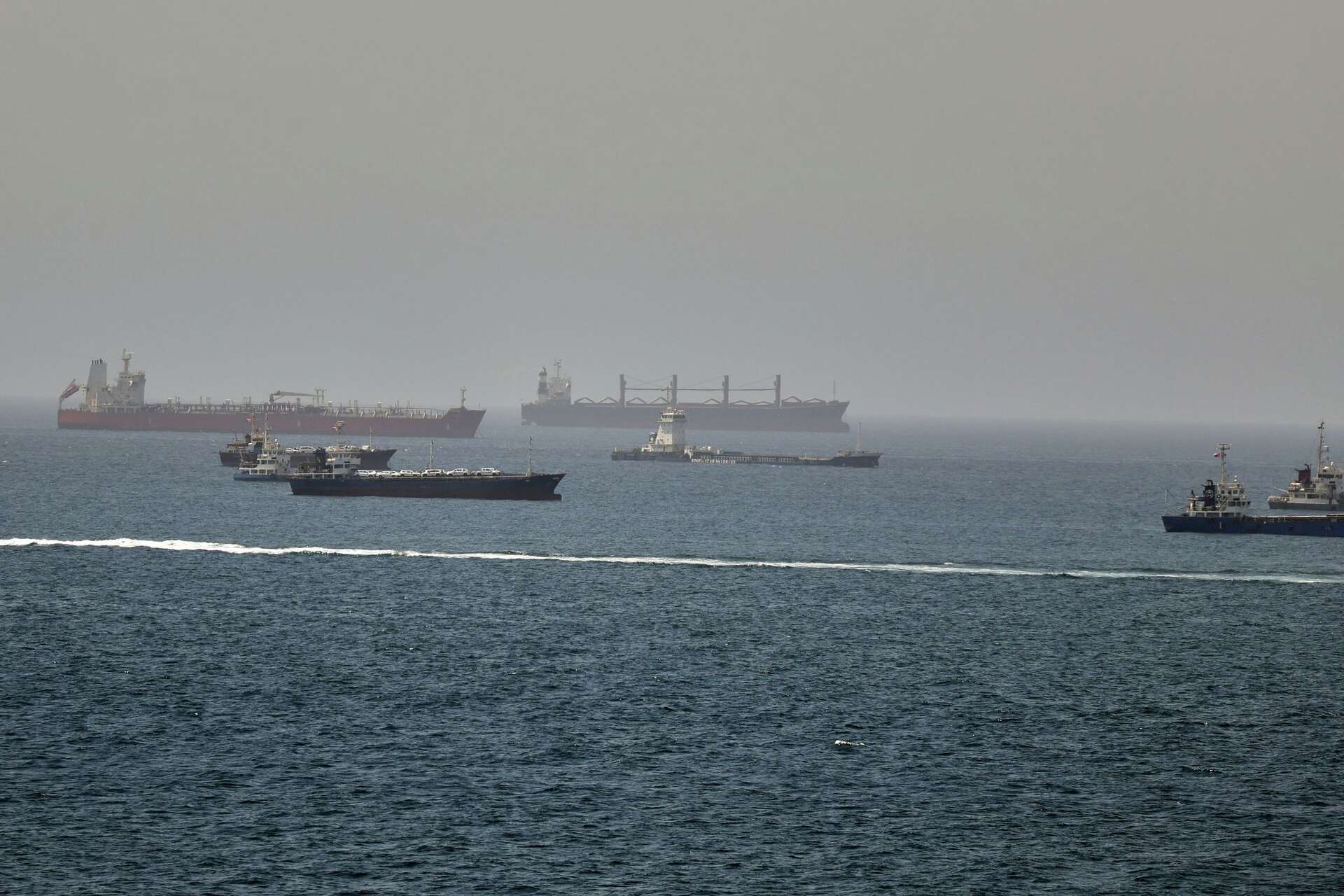
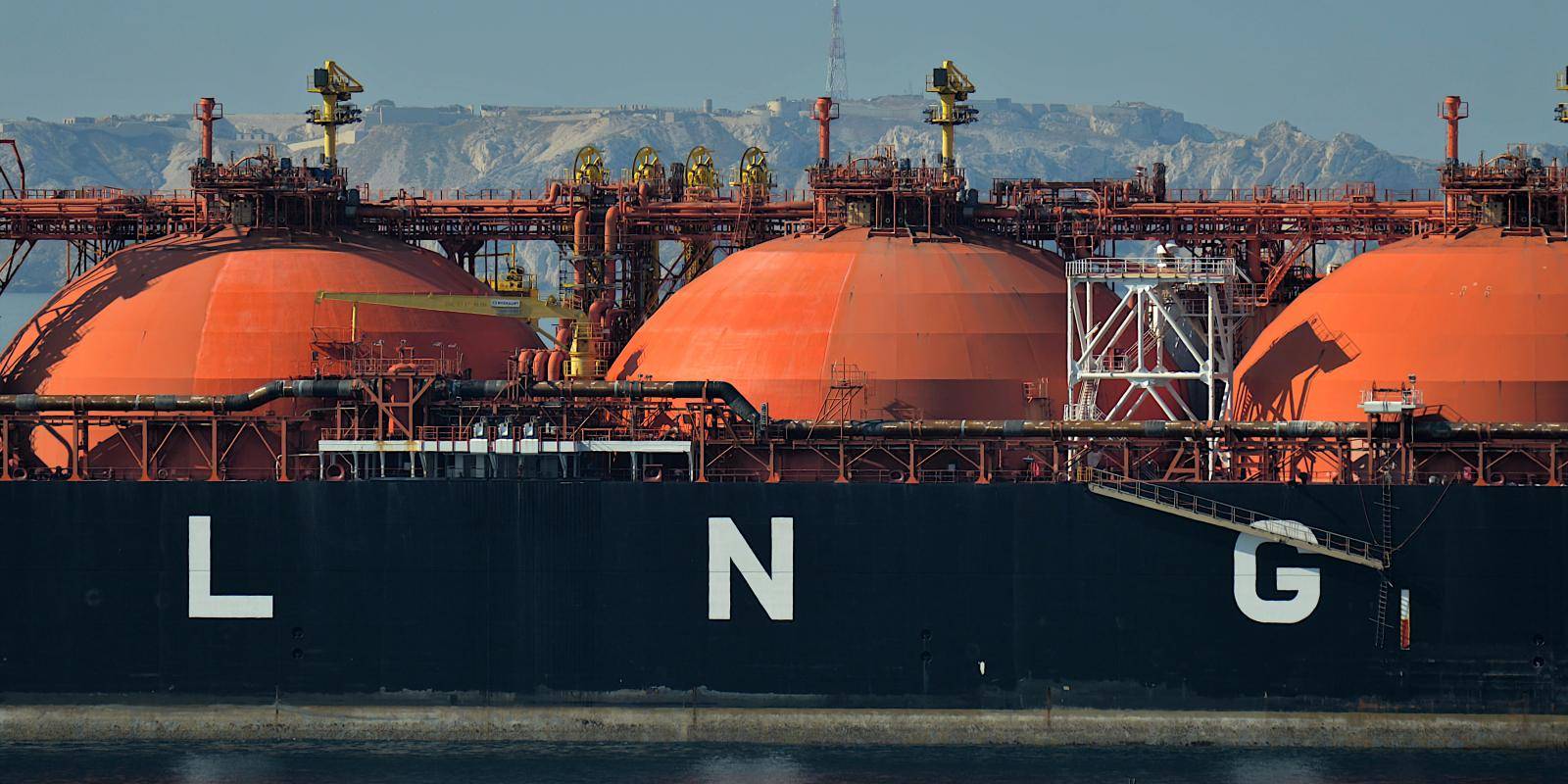
Europe faces a structural energy security crisis that directly threatens cross-border e-commerce profitability. The Strait of Hormuz disruption halted approximately 20% of global liquefied natural gas (LNG) trade, causing European gas prices to surge €31 per megawatt hour since February 28, 2026, and inflating the EU's annual gas bill by €48 billion. This geopolitical shock cascades directly into seller operational costs: logistics expenses for European distribution networks face potential increases of 5-15% depending on product category and shipping distance, with supply chain delays extending delivery times by 1-3 weeks as alternative routes are established.
The energy cost structure is reshaping European logistics economics. New regasification terminals in the Baltic, Adriatic, and Aegean Seas, combined with expanded interconnector infrastructure in Central and Eastern Europe, are being deployed to replace Russian volumes with additional LNG imports. However, modeling by the Regional Centre for Energy Policy Research (REKK) and Center for the Study of Democracy (CSD) reveals a critical long-term challenge: European gas demand will decline sharply through 2040 across all scenarios. Under current trends (€35/MWh), EU gas consumption would drop to 2,300 terawatt-hours annually by 2040—a 30% reduction from 2030 levels. This demand destruction, combined with U.S. LNG projected to dominate European imports (rising from 60% currently to 80% by 2030), signals structurally higher energy costs will persist, accelerating Europe's transition away from gas and forcing sellers to absorb elevated fulfillment expenses.
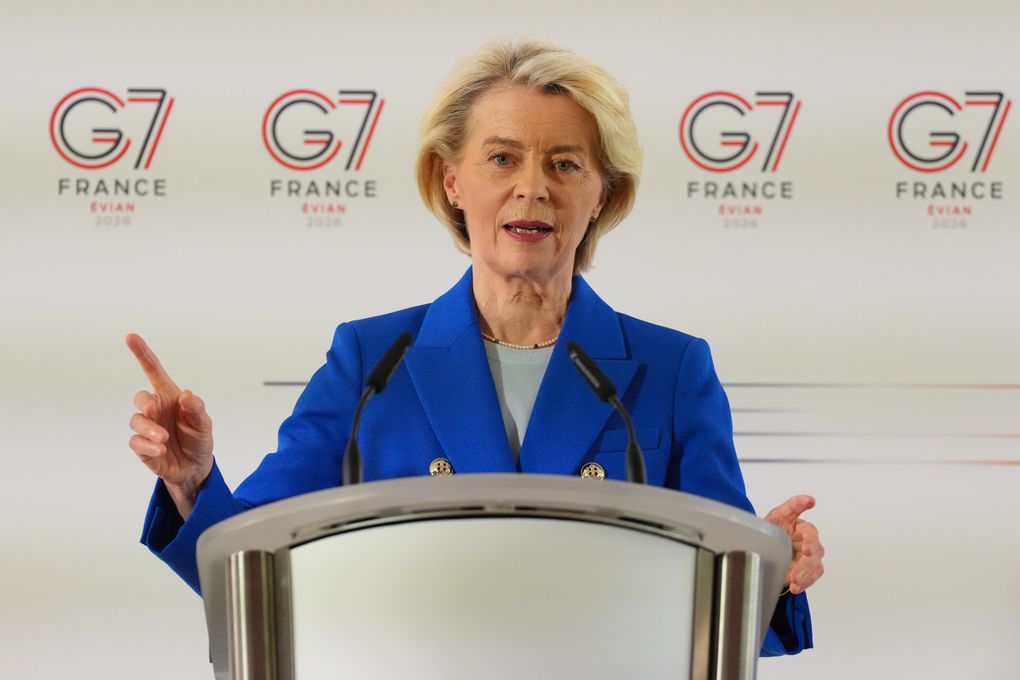
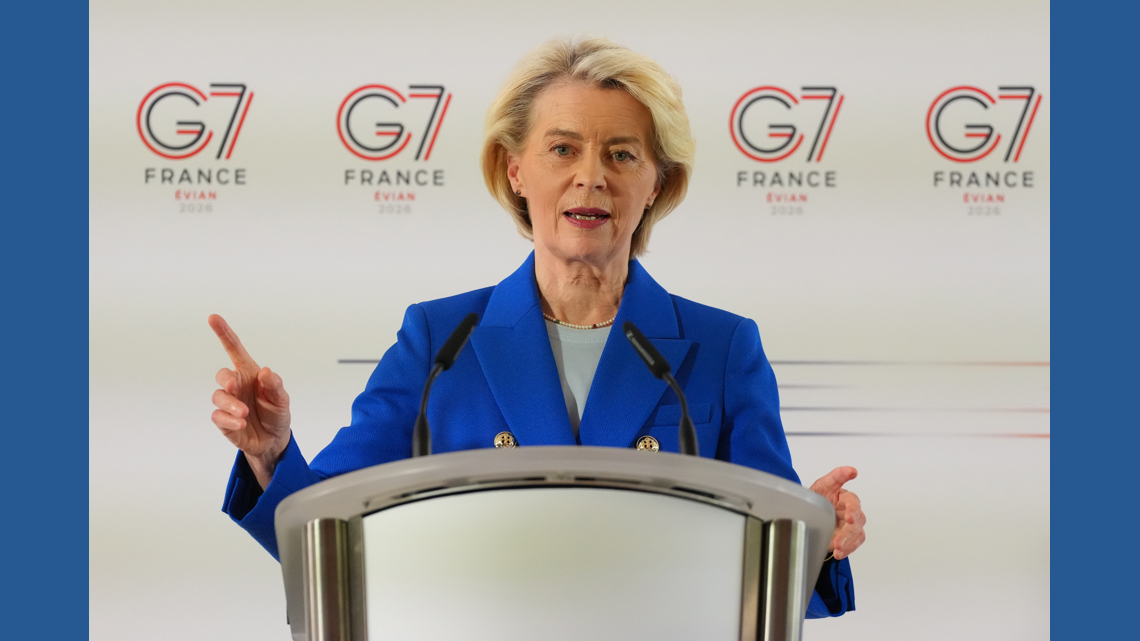
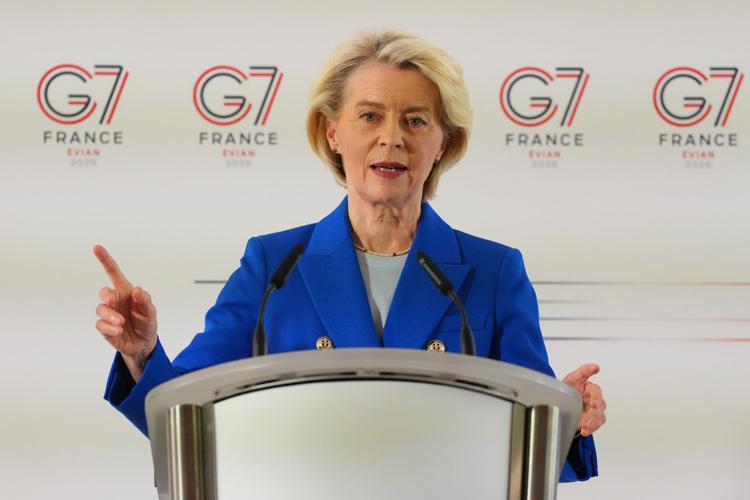
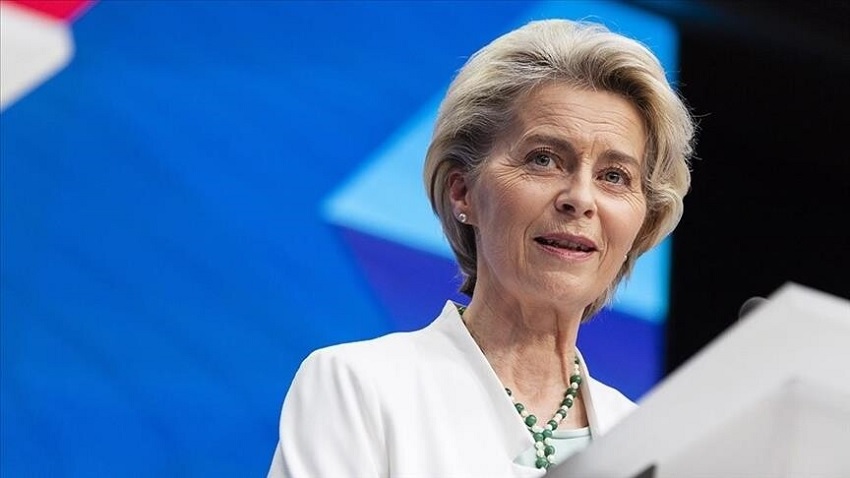
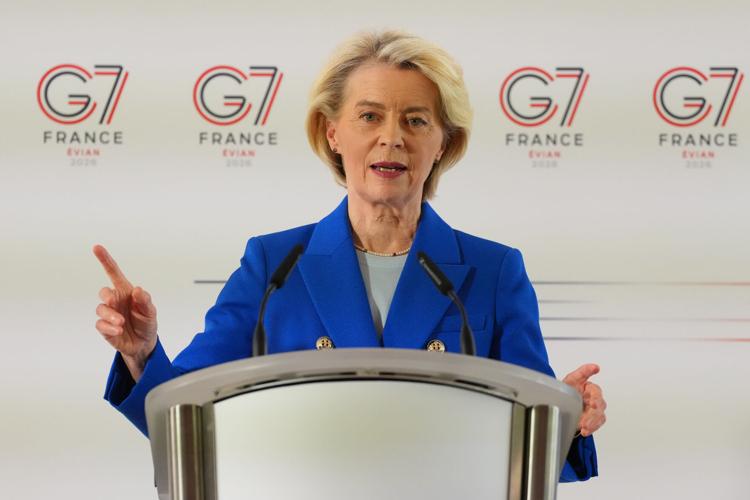
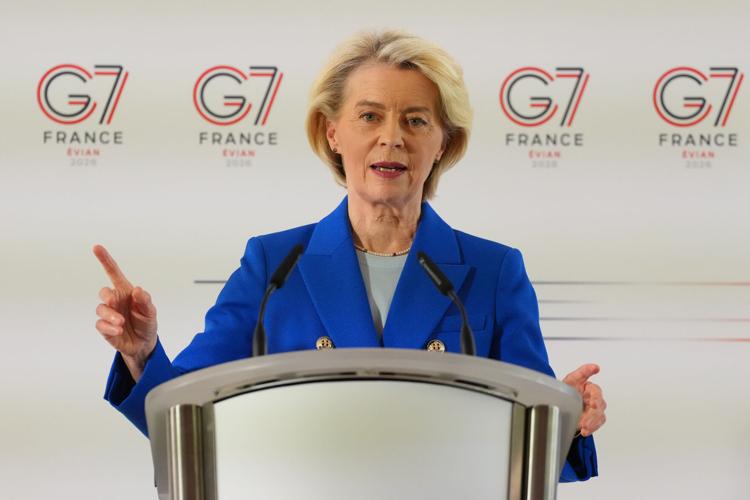
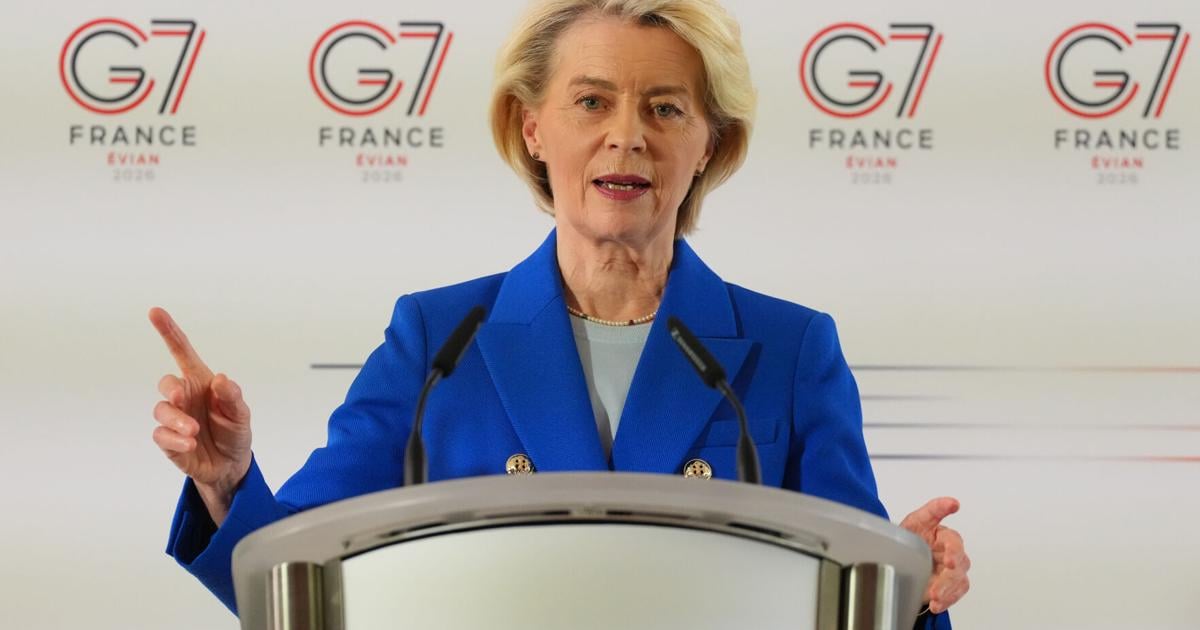
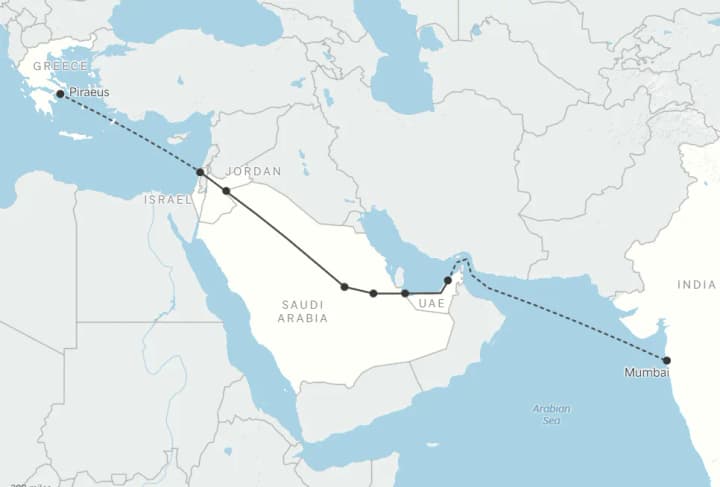
The India-Middle East-Europe Corridor (IMEC) represents a medium-term logistics opportunity, but implementation timelines remain uncertain. European Commission President Ursula von der Leyen's June 16, 2026 statement emphasizing "alternative supply routes and new corridors" signals EU commitment to reducing Strait of Hormuz dependency. Approximately 21% of global petroleum and 30% of LNG transit through this chokepoint; corridor diversification could eventually lower freight costs and improve delivery predictability. However, sellers cannot rely on IMEC relief in the immediate 1-3 month window. Immediate actions required: sellers must adjust pricing strategies to reflect 5-15% cost increases, evaluate nearshoring or regional warehousing solutions to mitigate energy-related pressures, and monitor energy price indices (Brent crude, TTF natural gas futures) for dynamic cost management. European regulatory bodies may implement energy efficiency standards for logistics operations, requiring operational practice adaptations. Sellers relying on temperature-sensitive goods (pharmaceuticals, perishables, electronics) face the highest margin compression risk due to elevated cold chain and transportation costs.
Questions 8
What immediate actions should sellers take to manage energy cost increases?
Sellers should take three immediate actions: (1) Adjust pricing strategies to reflect 5-15% cost increases by end of Q2 2026, accounting for product category and shipping distance variations; (2) Monitor energy price indices (Brent crude, TTF natural gas futures) for dynamic cost management and quarterly pricing reviews; (3) Evaluate nearshoring or regional warehousing solutions to mitigate energy-related pressures—consider shifting 20-30% of inventory to 3PL providers in lower-cost energy regions (Poland, Hungary, Romania). Maintain flexible supplier relationships and prepare for potential EU energy efficiency standards implementation that may require operational practice changes.
How does the Hormuz disruption affect sellers in Asia and the Middle East?
Sellers in Asia and the Middle East face increased shipping expenses and longer transit times due to the Strait of Hormuz disruption affecting 21% of global petroleum and 30% of LNG transit. The near-total closure halted approximately 20% of global LNG trade, creating supply chain fragmentation risks. However, Europe successfully mitigated the shock through abundant U.S. LNG deliveries and increased volumes from Algeria and Nigeria. Asian sellers exporting to Europe should expect 1-3 week delivery delays and higher freight costs. Middle East-based sellers should monitor regional stability initiatives, particularly regarding Lebanon, as these support the broader objective of creating predictable trade environments.