




Russia Oil Exports & Energy Costs Impact Cross-Border Shipping Logistics 2025
- Elevated fuel prices increase FBA shipping costs 8-15% for sellers; logistics arbitrage opportunities in alternative sourcing corridors



Overview
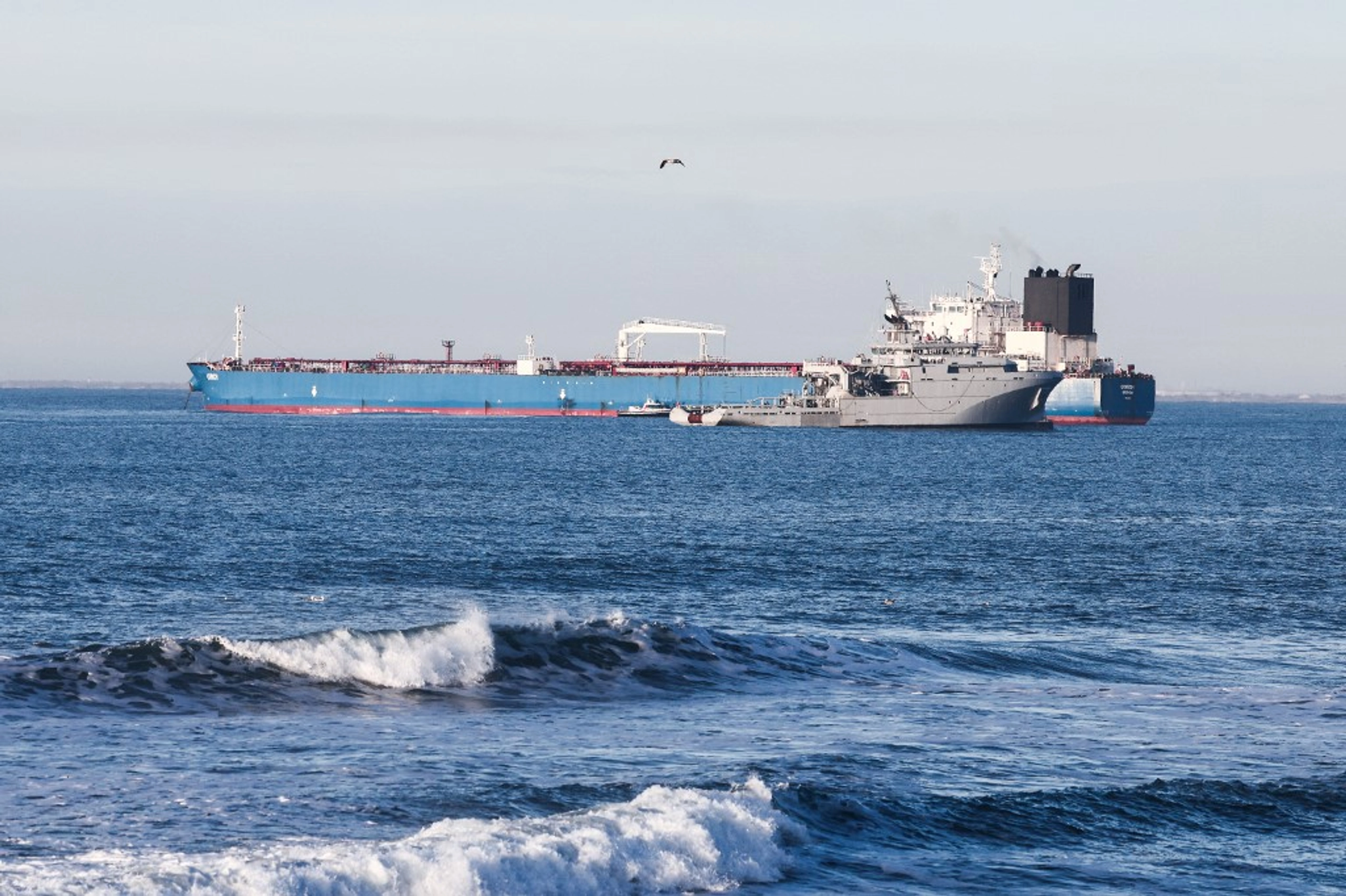
Russia's elevated oil export volumes amid geopolitical tensions directly impact cross-border e-commerce logistics costs and supply chain routing strategies. According to Bloomberg reporting, Russia maintains near-record oil shipping pace despite Ukrainian refinery attacks, signaling sustained elevated global energy prices. This geopolitical dynamic creates immediate cost pressures on Amazon FBA sellers, Shopify merchants, and eBay vendors relying on air and ocean freight for inventory movement.
Shipping Cost Implications for E-Commerce Sellers: Elevated crude oil prices translate to higher fuel surcharges on international logistics. FBA sellers shipping from China to US fulfillment centers typically face fuel surcharges of 8-15% above baseline rates when crude exceeds $80/barrel. For a seller moving 500 units monthly (average 2kg per unit), this represents an additional $400-800 monthly cost. EU-based sellers exporting to UK and US markets experience similar pressures, with DHL and FedEx fuel surcharges indexed to Brent crude pricing. Small-to-medium sellers (SMBs) with 1,000-5,000 monthly units face cumulative cost increases of $2,000-6,000 monthly, compressing margins by 3-8% depending on category and pricing power.
Strategic Sourcing Arbitrage Opportunities: The geopolitical energy crisis creates incentives to shift sourcing away from Russia-dependent logistics corridors. Sellers currently sourcing from Russia or routing through Russian ports face supply chain disruption risks and potential sanctions compliance complications. Alternative sourcing corridors—Vietnam, India, Indonesia for electronics/apparel; Mexico for nearshoring to US—offer logistics cost advantages when accounting for fuel surcharges on traditional China-to-US routes. Sellers can reduce effective shipping costs 5-12% by diversifying sourcing to Southeast Asia or nearshoring, offsetting fuel surcharge increases. This represents a 6-18 month window before competitors optimize supply chains.
Platform-Specific Impacts: Amazon FBA sellers see immediate cost pressure through increased fulfillment fees (storage and handling indexed to logistics costs). Shopify merchants using 3PL providers experience direct fuel surcharge pass-through. eBay sellers relying on USPS/UPS face rate increases tied to fuel indices. Sellers with high inventory turnover (electronics, beauty, apparel) feel impact faster than slow-moving categories. Regional sellers (US-based dropshippers, EU VAT-registered sellers) have different exposure profiles based on sourcing geography and fulfillment network choices.
Compliance and Risk Considerations: Sellers must monitor sanctions implications if sourcing from Russia or using Russian logistics providers. The ongoing geopolitical situation creates unpredictable fuel price volatility, making long-term pricing contracts difficult. Sellers should audit supply chain dependencies on Russian energy infrastructure and develop contingency sourcing plans.
Questions 7
How do fuel surcharges work on DHL, FedEx, and UPS for cross-border shipments?
All major carriers index fuel surcharges to crude oil prices, typically adding 2-8% to base rates when crude exceeds $70/barrel. DHL's fuel surcharge formula: (Brent crude price - $60) × 0.05 = surcharge percentage. FedEx and UPS use similar mechanisms with slight variations. For a 20kg shipment from Shanghai to Los Angeles (typical cost $180-220), fuel surcharge adds $15-35 depending on crude price. Carriers publish surcharge rates weekly; check carrier websites every Monday to forecast cost changes. Lock in rates with 3PL providers for 90-day contracts when crude prices dip below $75/barrel to hedge against future increases.
Which product categories are most affected by shipping cost increases?
Heavy, low-margin categories suffer most: electronics (average 15-25% margins), home goods (10-20% margins), and apparel (20-35% margins). A 10% shipping cost increase compresses electronics margins by 2-4 percentage points, making products unprofitable. High-margin categories (beauty, supplements, collectibles with 40-60% margins) absorb cost increases more easily. Lightweight, high-value items (jewelry, watches, premium accessories) are least affected. Review your product portfolio: identify items with <20% margins and consider discontinuing or repricing. Shift inventory allocation toward higher-margin categories to offset fuel surcharge impact.