


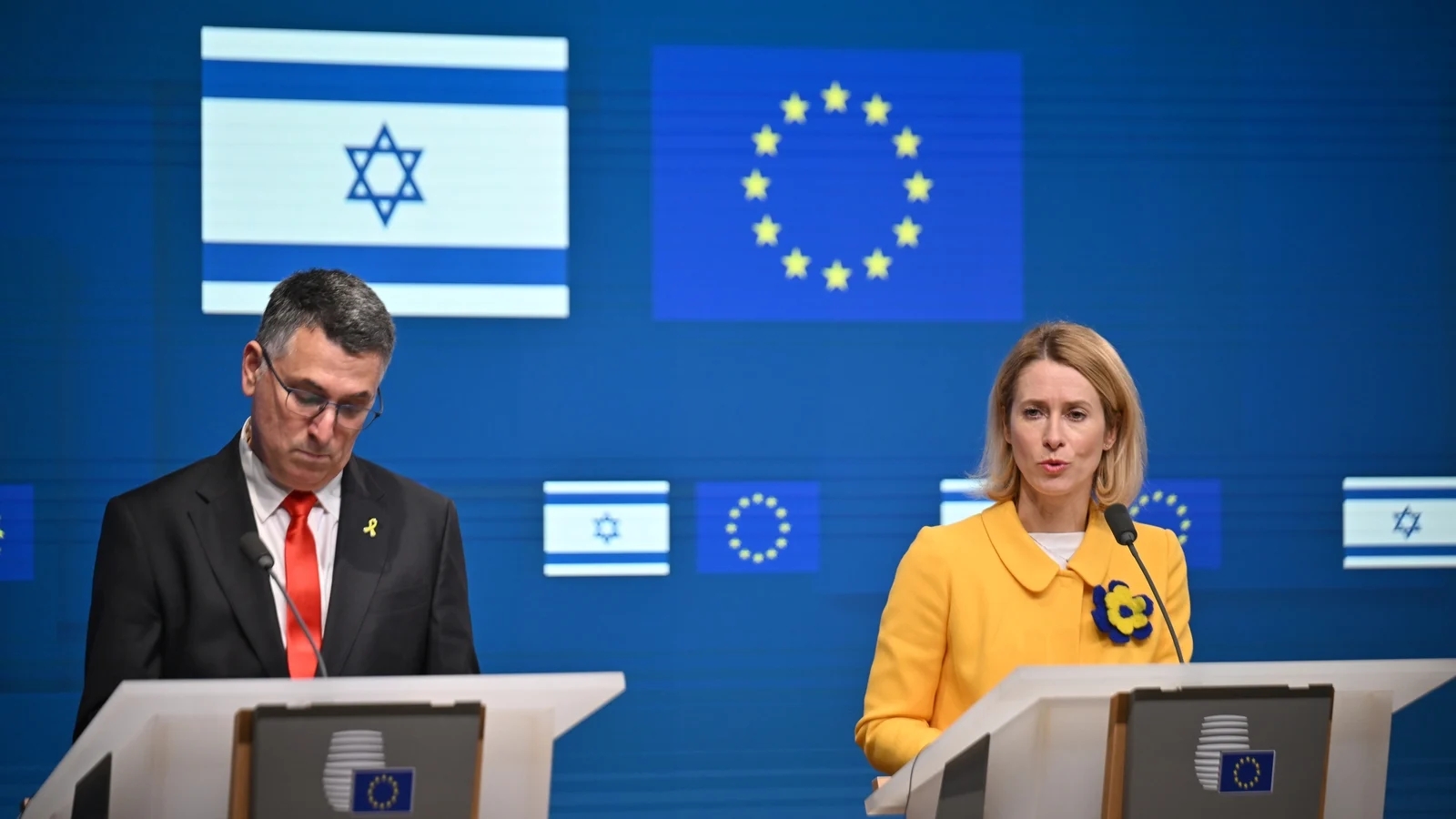


EU-Israel Trade Risk Alert | Diplomatic Rupture Threatens Tariff Negotiations & Market Access
- Ministerial-level contact severance on June 18, 2026 signals potential tariff policy shifts; sellers face 3-6 month window before customs/regulatory changes materialize























Overview
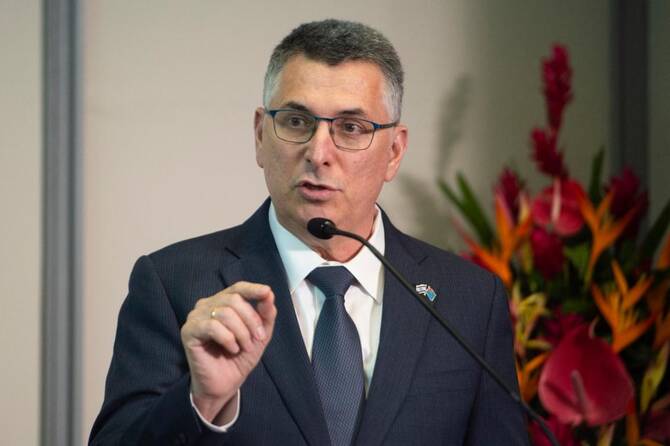
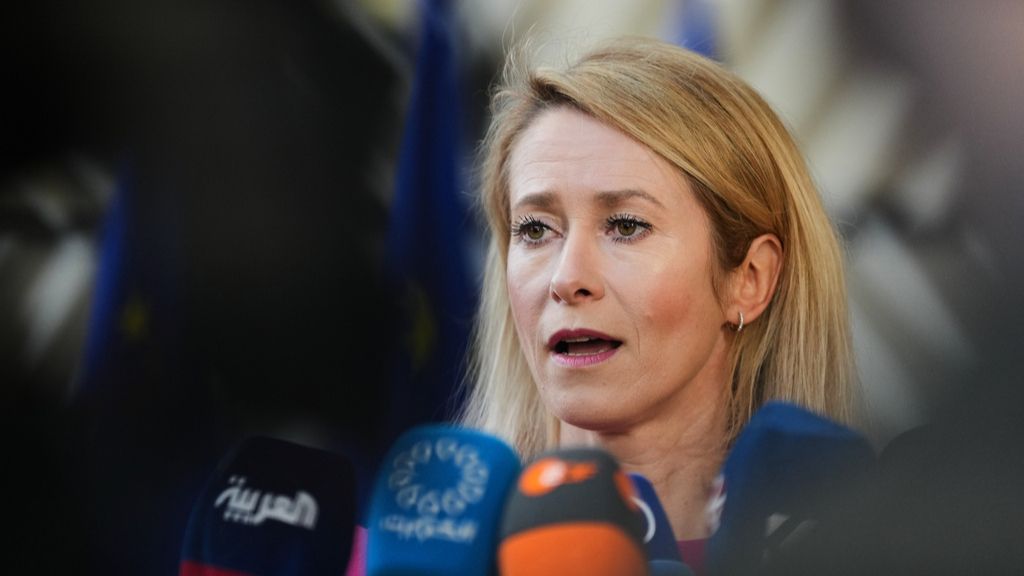
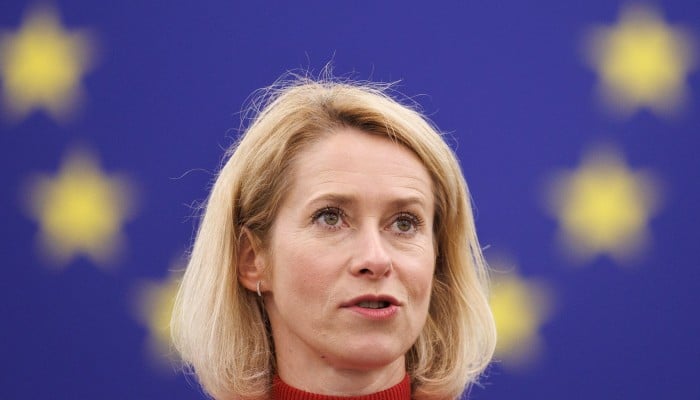
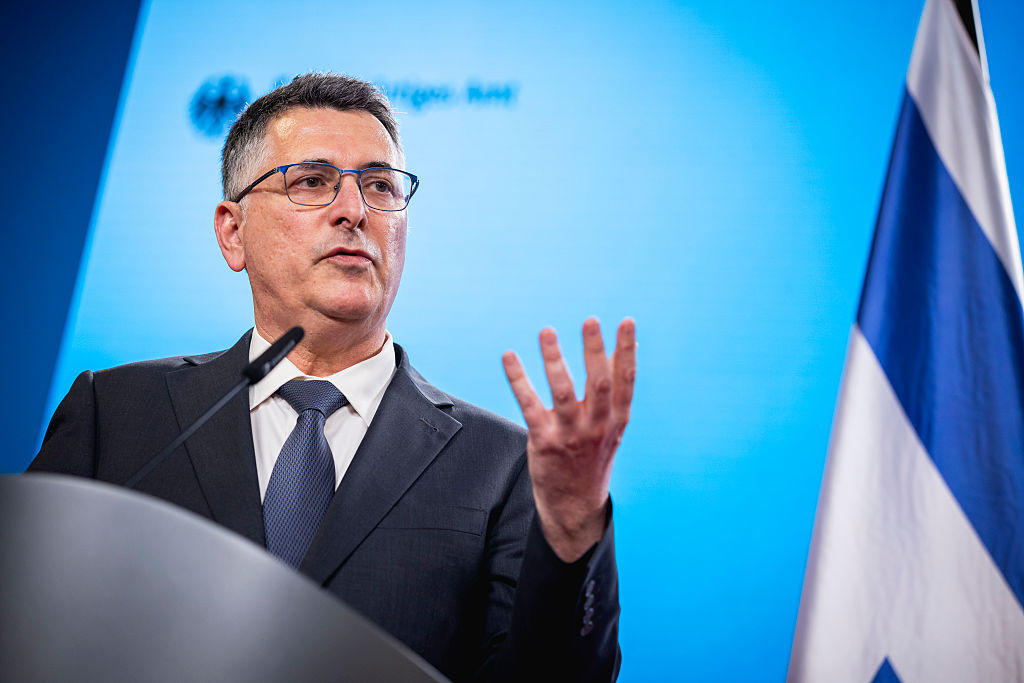
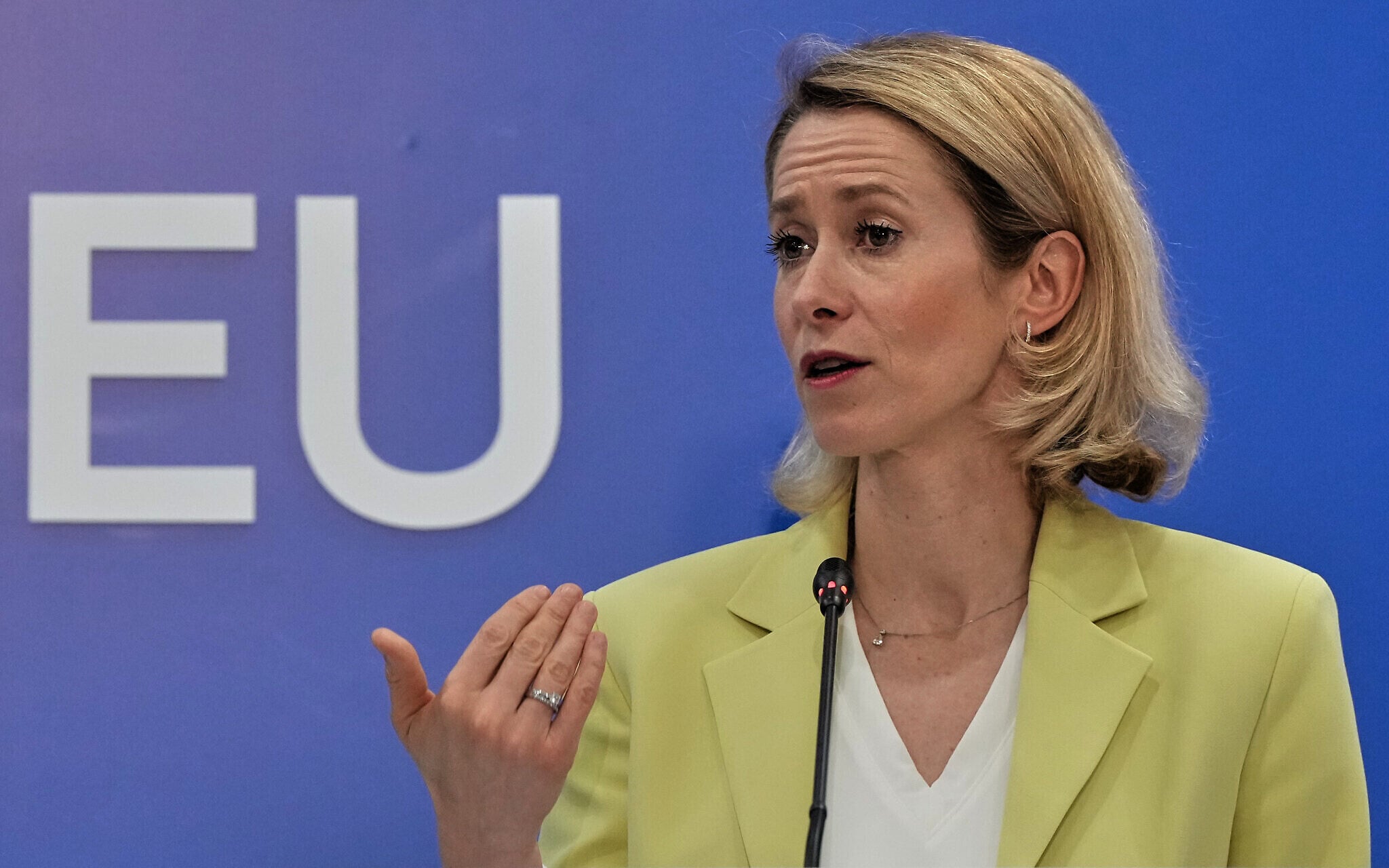
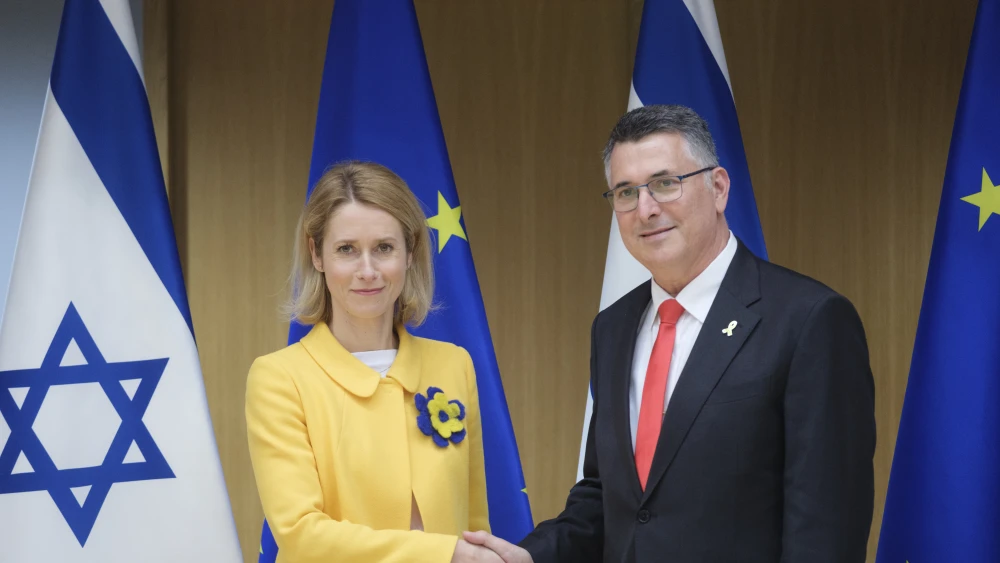
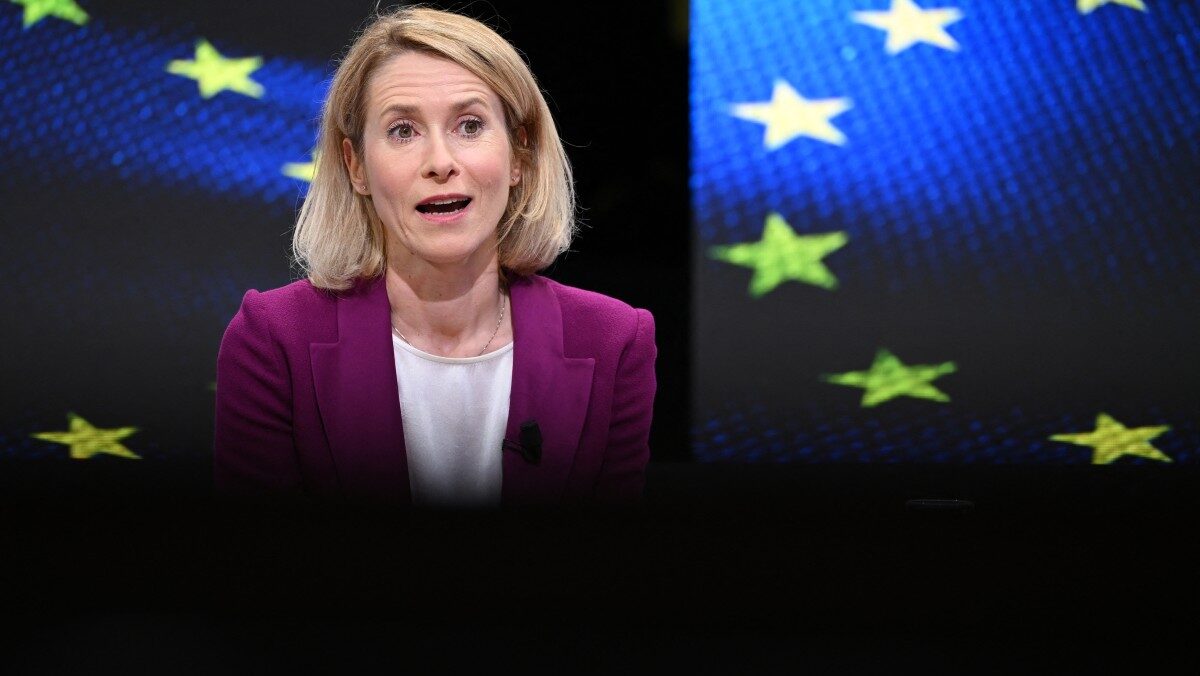
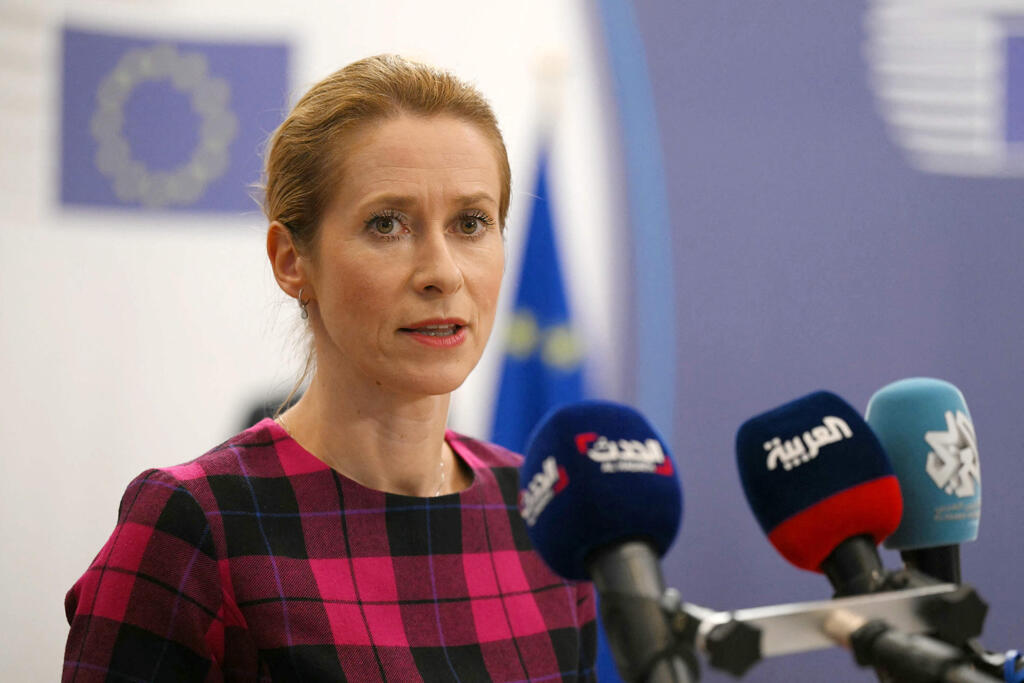
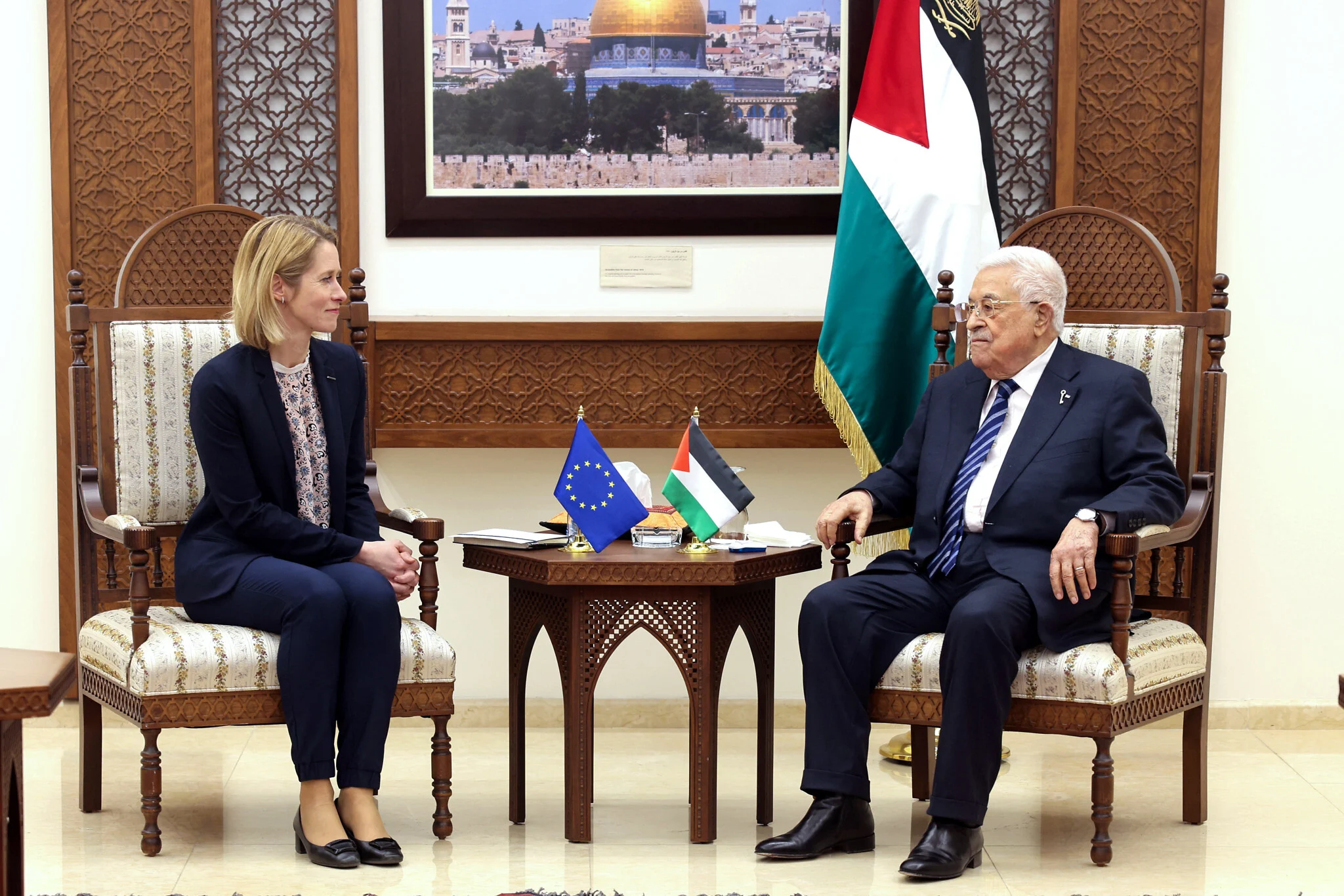
On June 18, 2026, Israeli Foreign Minister Gideon Saar severed all diplomatic contact with EU Foreign Policy Chief Kaja Kallas following her reported comparison of Israel to apartheid South Africa—a critical escalation in EU-Israel relations that directly threatens cross-border e-commerce operations. This ministerial-level rupture represents the most severe diplomatic breakdown since Josep Borrell's tenure, with Kallas holding decisive influence over EU trade policy, tariff frameworks, and regulatory harmonization. The news explicitly warns that "diplomatic severance carries significant implications for Israel-EU trade relations and cross-border commerce," with potential impacts on "trade agreements, customs procedures, and regulatory harmonization efforts."
Tariff & Market Access Implications: The EU maintains a divided stance across 27 member states, with some nations highly critical of Israeli policies while others maintain close economic ties. This fracture creates immediate uncertainty for sellers operating the Israel-EU corridor. Historically, ministerial-level diplomatic ruptures precede tariff policy shifts within 90-180 days. Sellers should anticipate: (1) potential tariff rate increases on Israeli-origin products (electronics, chemicals, textiles) as EU hardliners gain negotiating leverage; (2) customs procedure delays as diplomatic channels deteriorate, increasing clearance times from 5-7 days to 14-21 days; (3) regulatory non-harmonization, forcing sellers to maintain separate compliance frameworks for EU vs. Israeli markets rather than unified standards.
Competitive Advantage Shifts: The May 2026 EU sanctions on three individuals and four entities for alleged human rights abuses signal escalating enforcement. Sellers with Israeli supply chains face heightened compliance scrutiny, while EU-based sellers exporting to Israel gain relative advantage as diplomatic isolation increases Israeli import costs. Small/medium sellers (<$5M annual revenue) lack resources to navigate dual compliance regimes and should consider supply chain diversification away from Israel-EU trade within 90 days. Large sellers (>$50M) can absorb compliance costs but face margin compression of 3-8% on affected categories (electronics, home goods, apparel) due to tariff uncertainty premiums.
Timing Window: The 3-6 month window before formal policy changes is critical. Sellers should lock in current tariff rates through advance shipments, secure inventory positions in lower-tariff categories, and establish alternative sourcing from Vietnam, India, or Turkey for products currently sourced from Israel. The diplomatic breakdown's public nature (announced via Bloomberg) indicates Israel's intent to formalize the rupture, making private negotiation unlikely. EU's measured response ("constructive relationship") suggests tariff escalation rather than trade suspension, but customs delays are virtually certain within 60-90 days as diplomatic staff reductions cascade through trade administration.
Questions 7
Which product categories face the highest tariff risk from EU-Israel tensions?
Electronics (HS 8471-8517), chemicals (HS 2800-2930), and textiles (HS 5000-6310) represent Israel's largest export categories to the EU. These categories face highest tariff escalation risk as they generate significant EU revenue. Apparel and home goods (HS 6200-9406) face moderate risk. Agricultural products (HS 0700-2400) face lowest risk due to EU's strategic food security interests. Sellers should diversify sourcing from Vietnam, India, or Turkey for high-risk categories within 90 days.
How should sellers adjust supply chain strategy given the diplomatic crisis?
The 3-6 month window before formal policy changes is critical for repositioning. Sellers should: (1) advance-ship inventory to EU warehouses before tariff increases (target: 60-90 days of stock), (2) identify alternative suppliers in Vietnam, India, or Turkey for Israeli-sourced products, (3) establish separate compliance frameworks for EU vs. Israeli markets rather than unified standards. Large sellers (>$50M revenue) can absorb 3-8% margin compression; small sellers (<$5M) should exit Israel-EU trade or accept 15-20% margin reduction.