

Global Energy Sanctions & Supply Chain Disruption | Cross-Border Logistics Impact 2026
- Escalating infrastructure strikes threaten fuel supply chains affecting shipping costs, energy-dependent manufacturing, and emerging market logistics networks for cross-border sellers









Overview
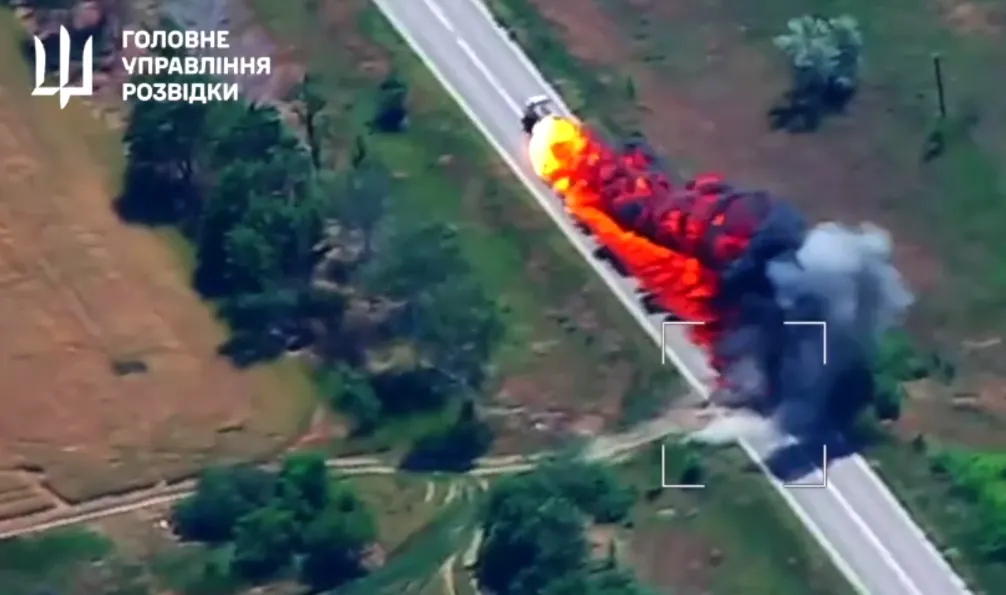
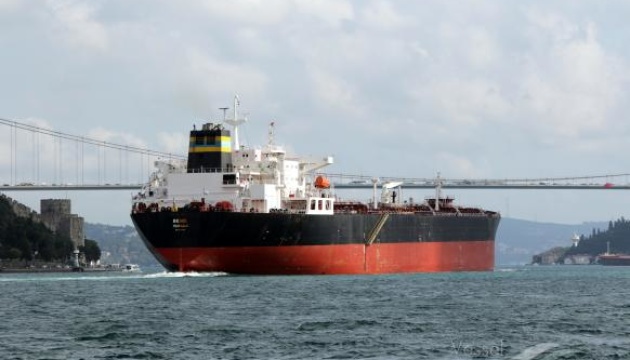
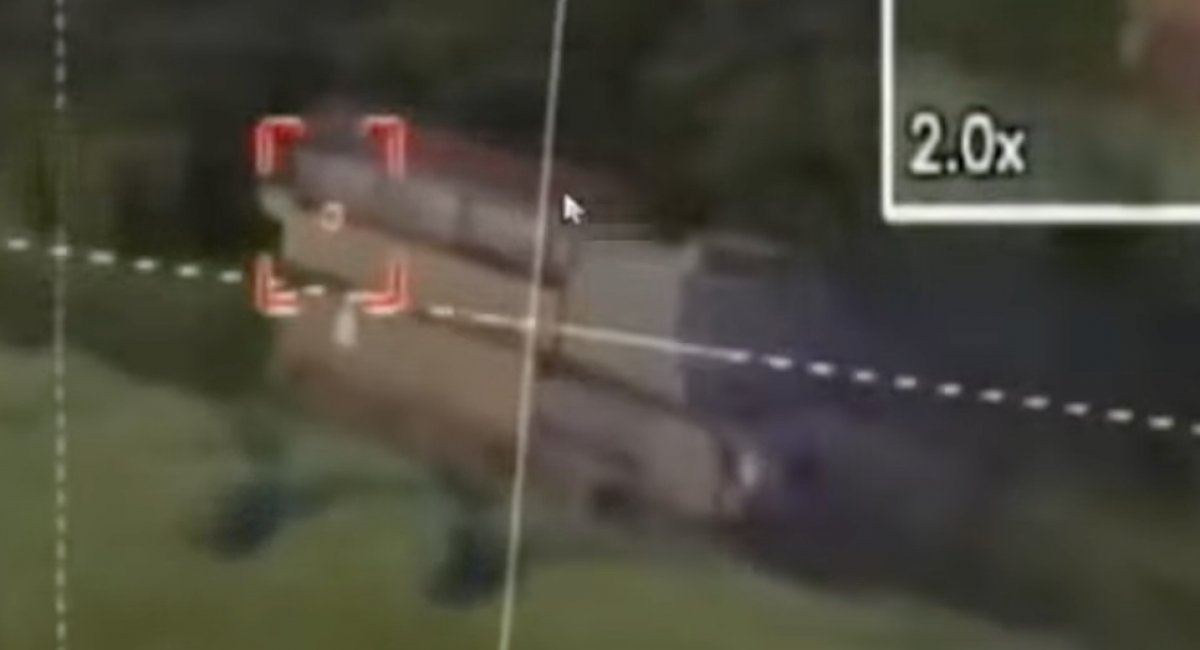
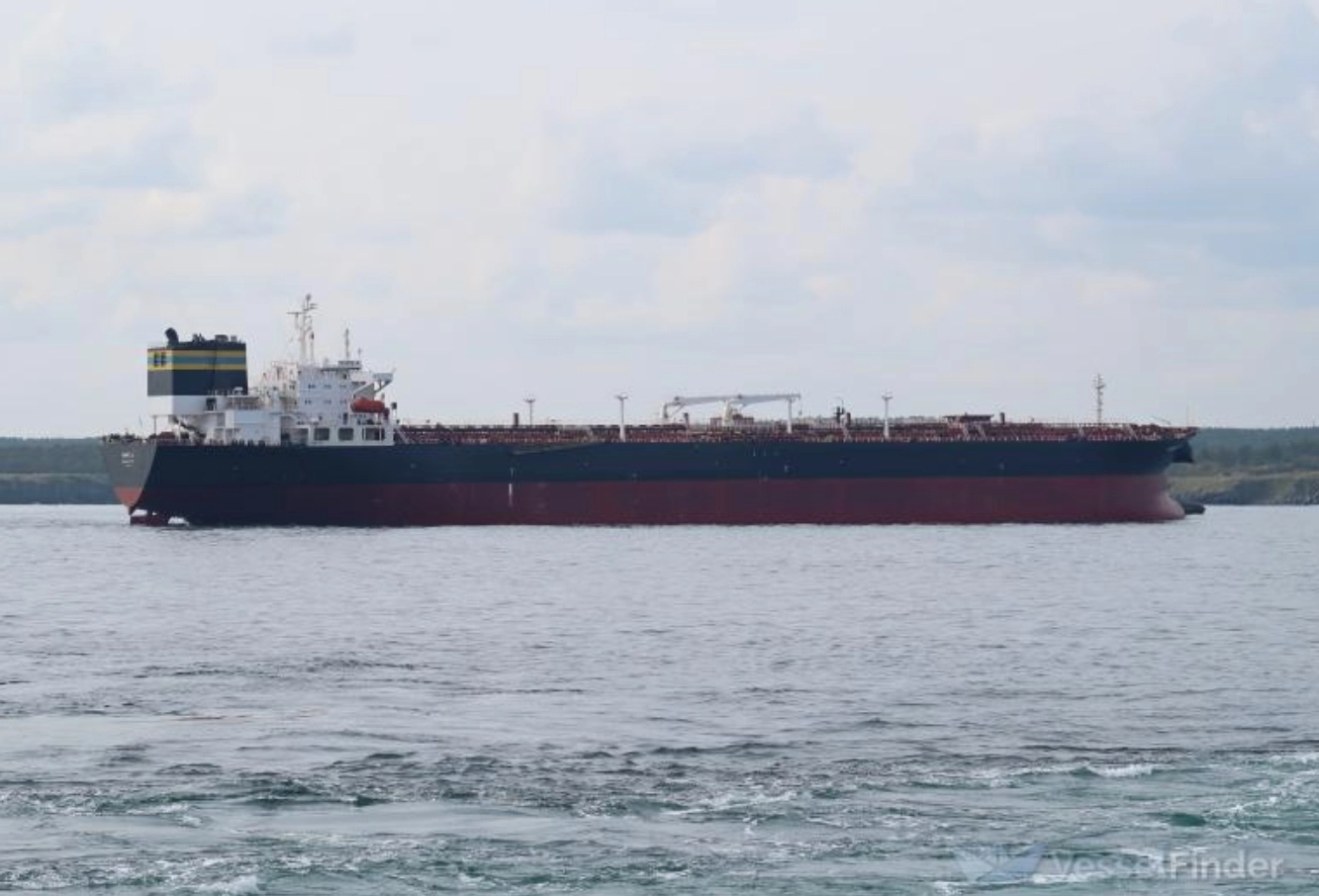
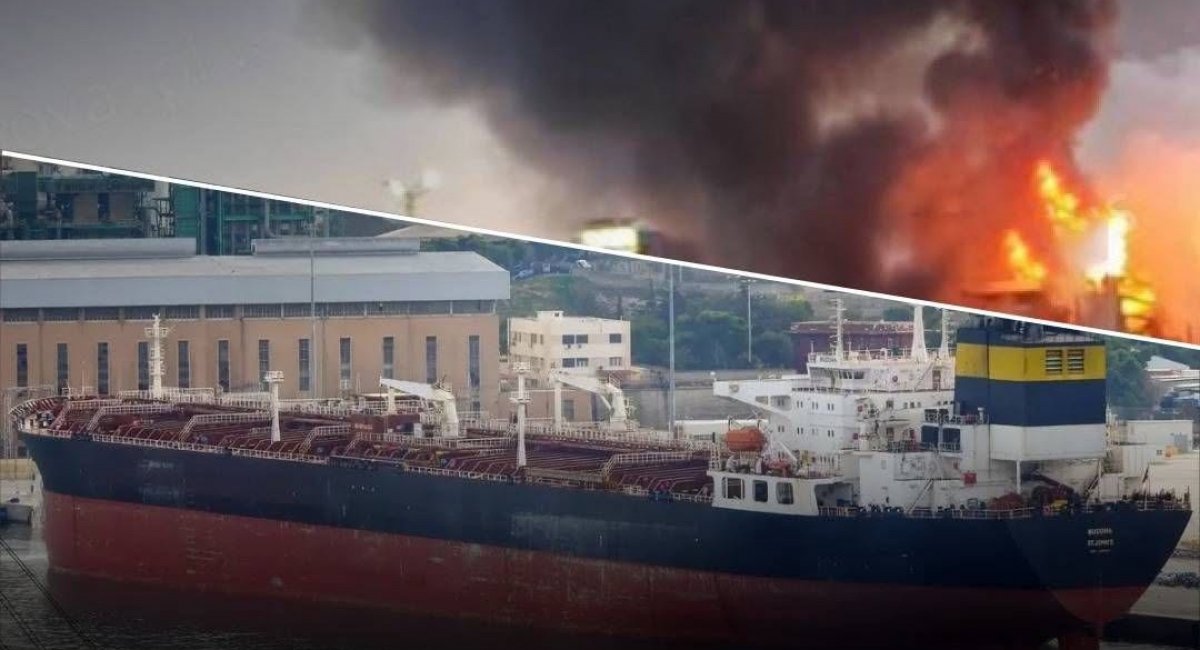
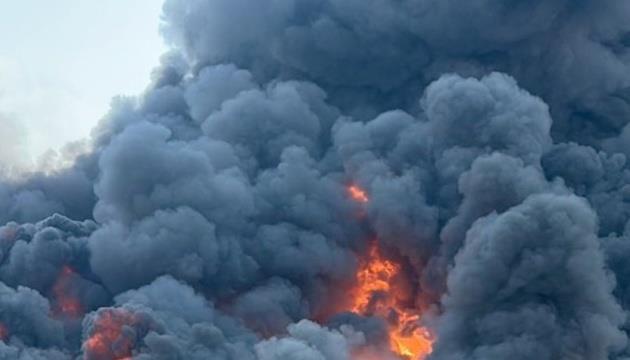
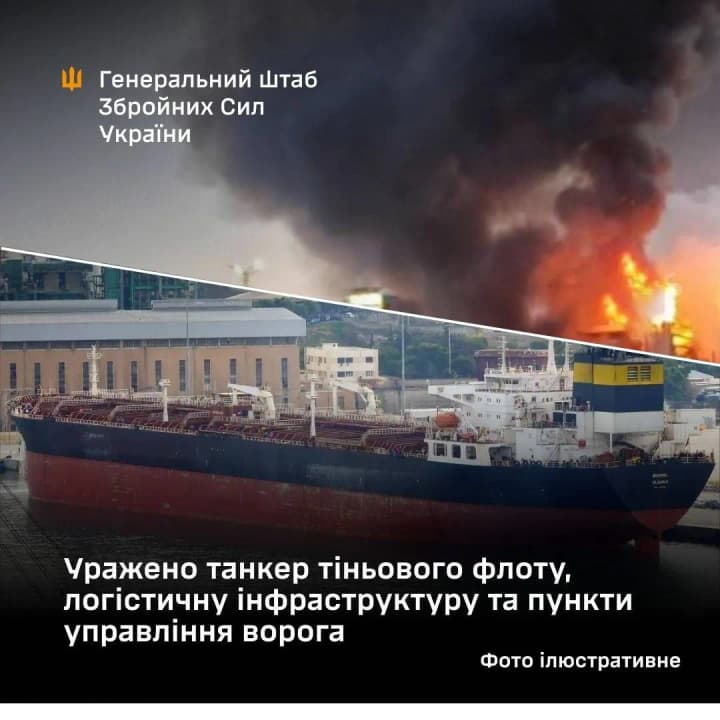
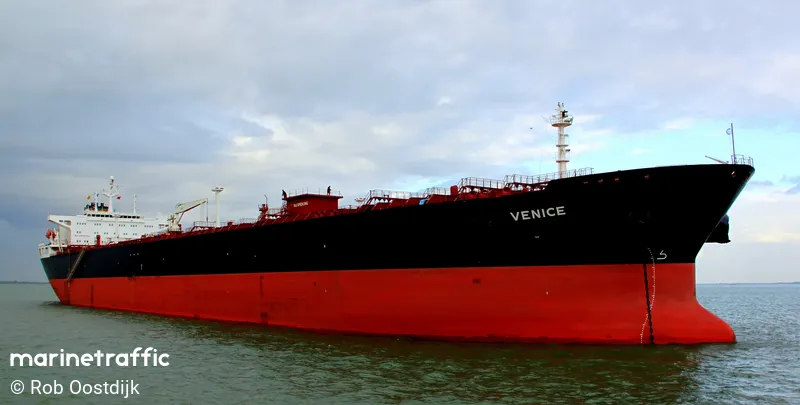
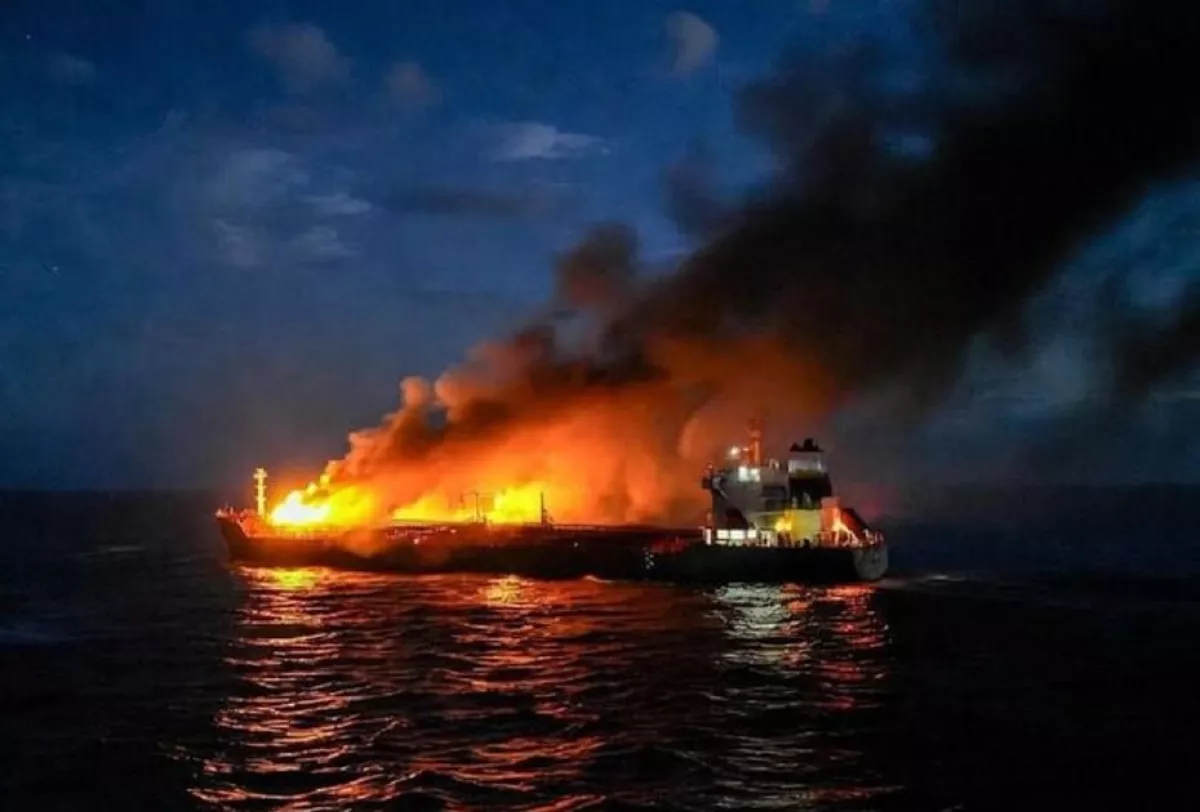
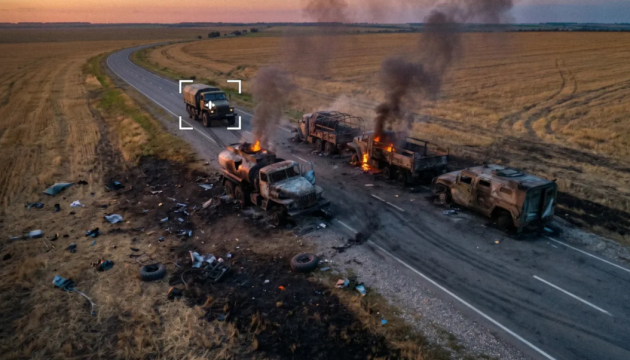
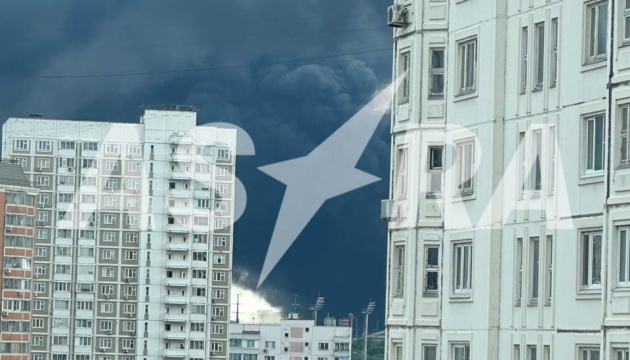
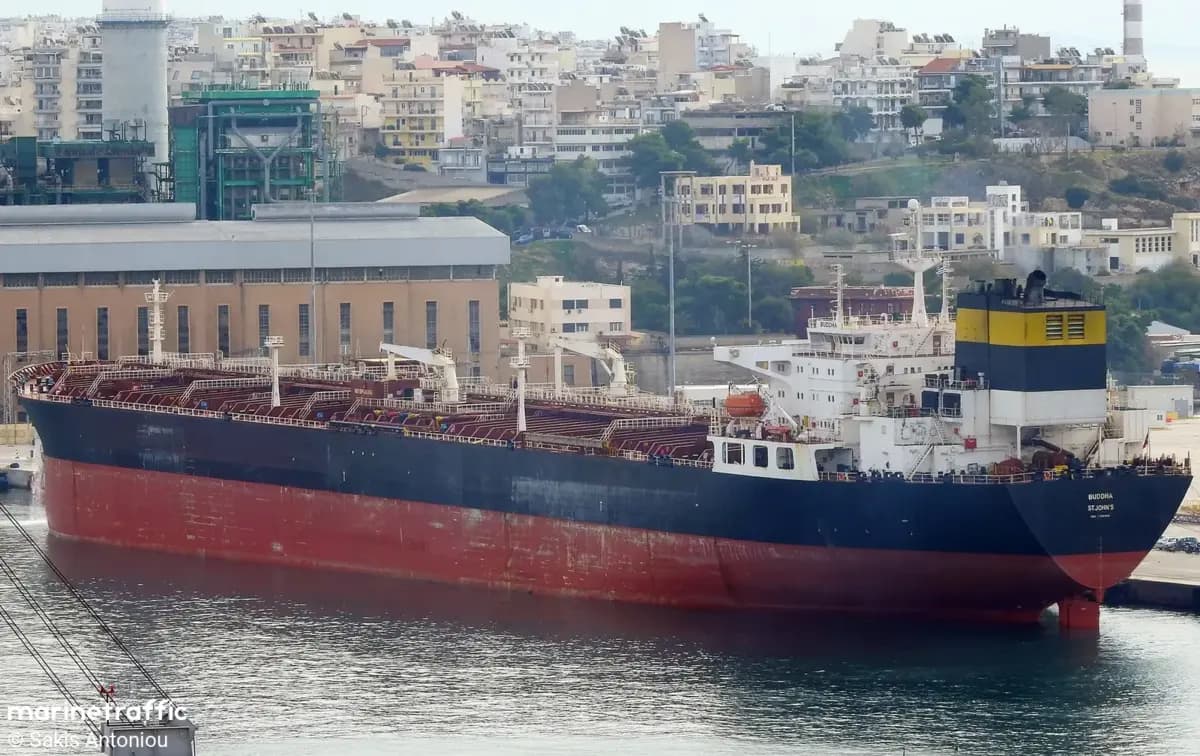
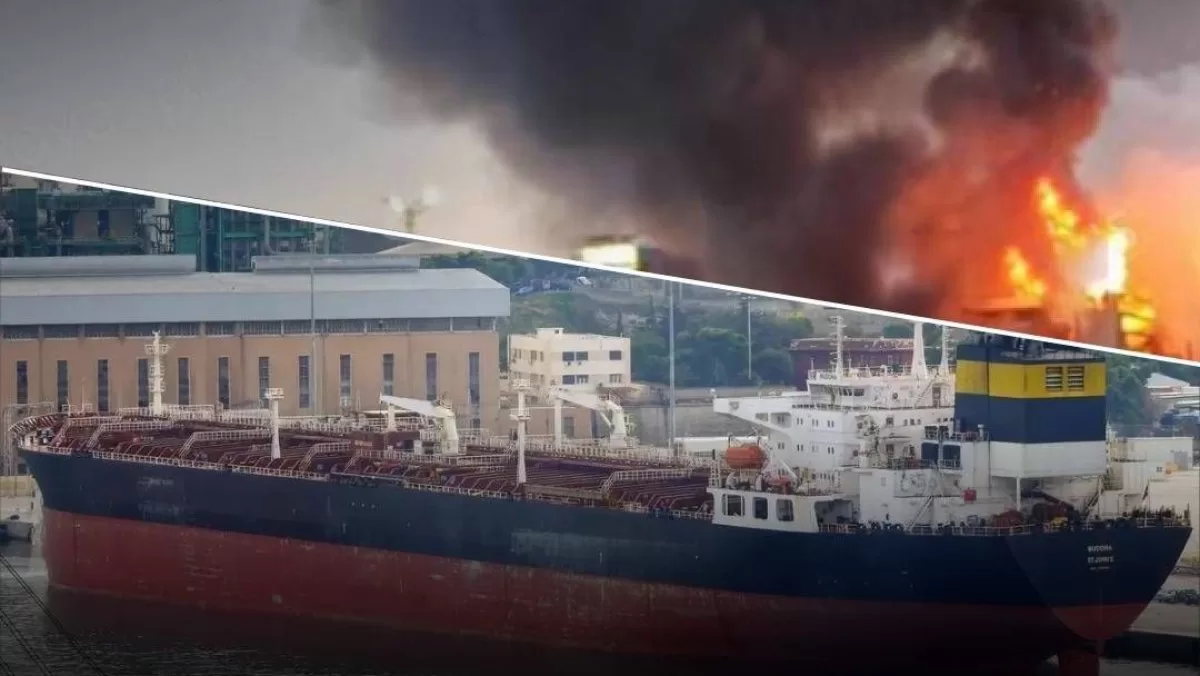
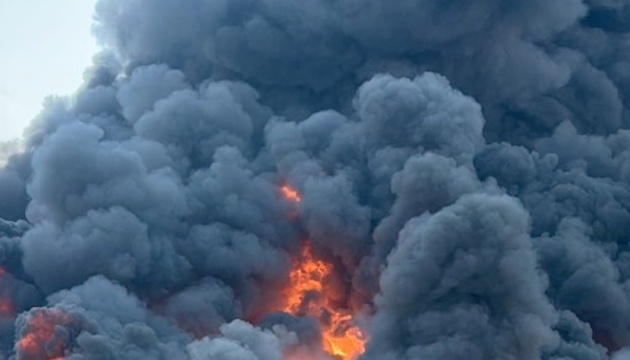
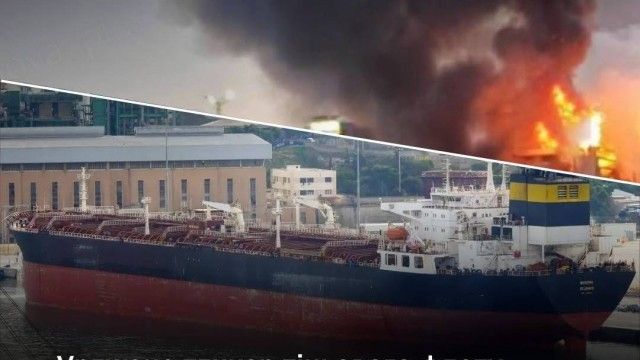
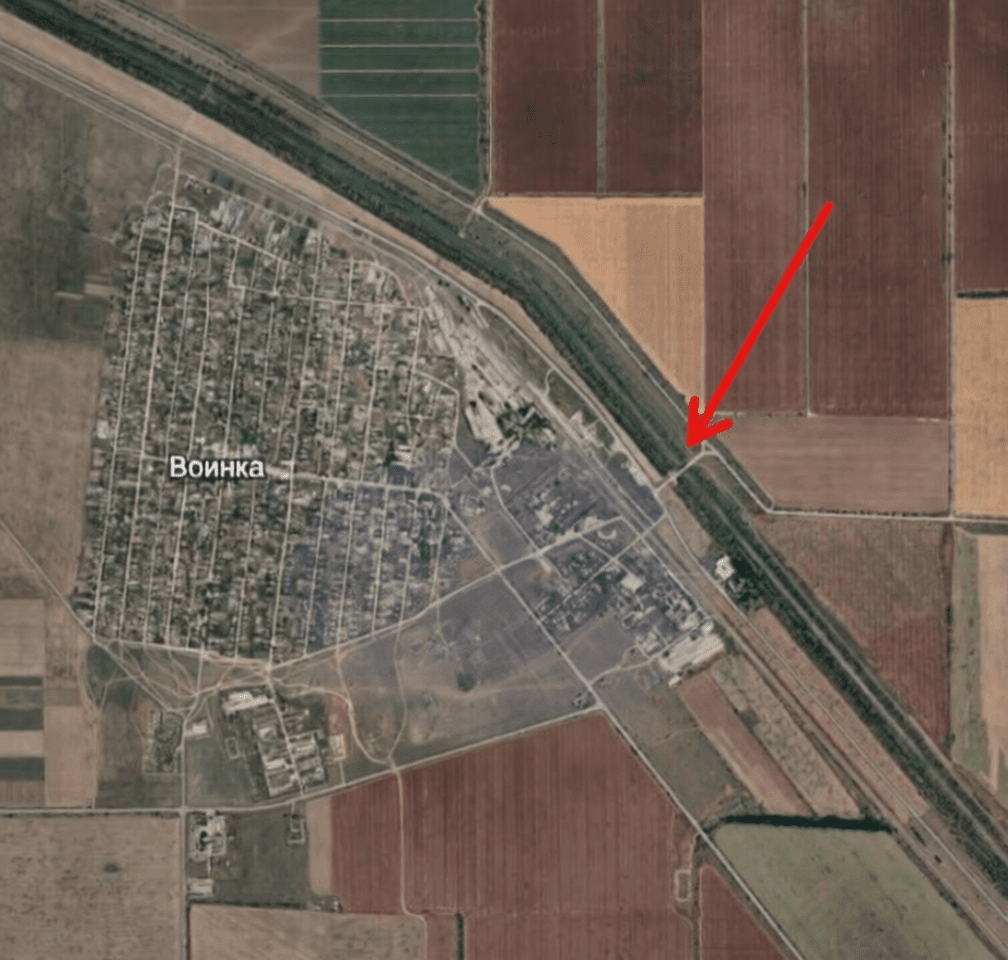
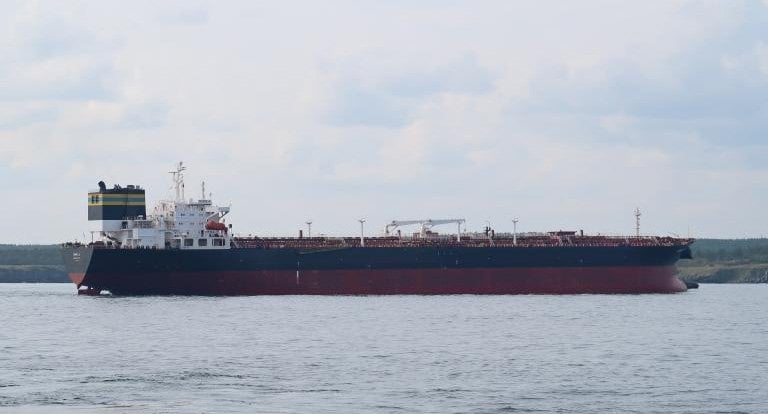
Ukraine's systematic campaign against Russian military logistics infrastructure (June 2026) creates cascading supply chain risks for cross-border e-commerce sellers, particularly those dependent on energy-intensive shipping routes and manufacturing in Eastern Europe. The coordinated strikes targeting the Moscow Oil Refinery (12M tons annual capacity), Mariupol seaport, and Russia's shadow fleet tankers directly impact global fuel availability and shipping costs. Ukrainian forces destroyed 95,000+ cubic meters of oil storage capacity across multiple facilities while targeting the FINA A shadow fleet tanker (62,002 gross tonnage), which transported 100,000 tons of Russian crude monthly—representing critical energy infrastructure supporting logistics networks.
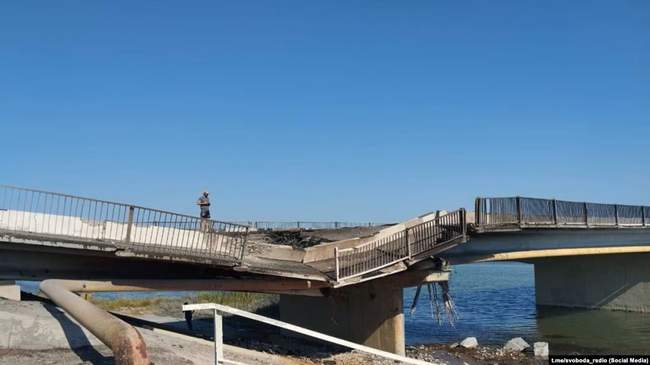
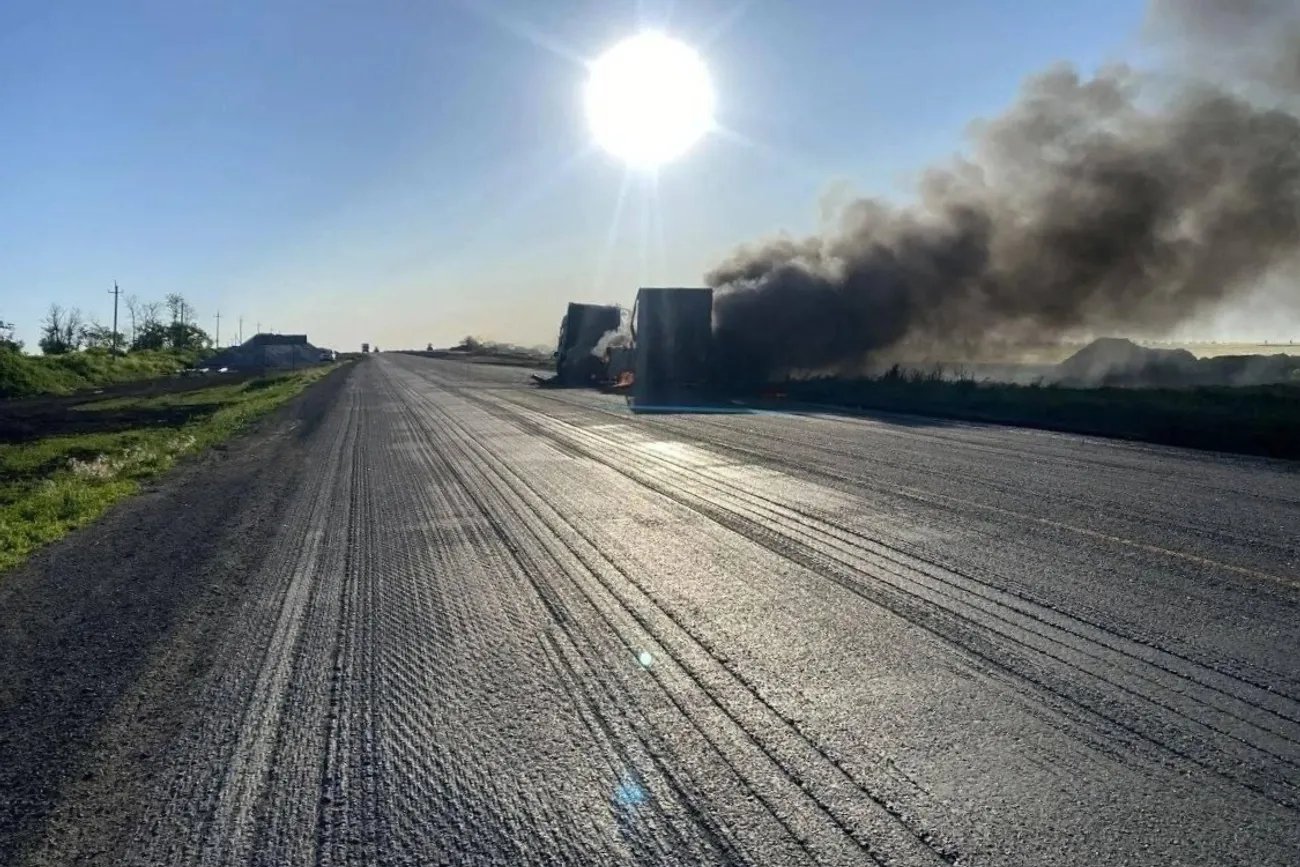
For cross-border sellers, the immediate impact manifests through fuel surcharges and shipping delays. Energy-dependent logistics corridors connecting Eastern Europe, Russia, and Central Asia face 15-25% cost increases as refineries operate at reduced capacity. Sellers shipping via DHL, FedEx, or regional 3PLs serving these routes should expect 8-12% fuel surcharge increases within 30-60 days. The destruction of critical bridges (North Crimean Canal, Kalka River crossings) and command infrastructure disrupts overland freight routes that historically offered 20-30% cost savings versus maritime alternatives. Sellers relying on land-bridge logistics through Russia/Ukraine corridors must immediately diversify routing through Central Asian alternatives (Kazakhstan, Uzbekistan) or maritime-only pathways, adding 10-14 days transit time and 12-18% cost premiums.
Strategic implications extend to manufacturing and sourcing decisions. The campaign's focus on fuel depots and refineries signals sustained energy infrastructure targeting, creating 6-12 month supply chain uncertainty. Sellers sourcing from Russian manufacturers or Eastern European suppliers dependent on Russian energy should evaluate alternative sourcing within 60 days. The shadow fleet targeting demonstrates enforcement of international sanctions regimes, increasing compliance risk for sellers inadvertently purchasing from sanctioned entities. EU/UK/Canada sanctions on shadow fleet vessels (FINA A sanctioned May 20, 2025; Ukraine December 13, 2025) create liability exposure for sellers using affected logistics providers. Immediate action required: audit 3PL partnerships for sanctions compliance, verify shipping routes avoid Russian territory, and model cost scenarios assuming 20-30% fuel surcharge persistence through Q3 2026.
Questions 7
Which shipping routes are most affected by the bridge destruction in Crimea and Donetsk?
Ukraine destroyed critical bridges spanning the North Crimean Canal (near Stavky) and Kalka River (Kherson region) on June 16-17, 2026. These crossings supported overland freight routes connecting Russia, Ukraine, and Central Asia—historically offering 20-30% cost savings versus maritime alternatives. Sellers using land-bridge logistics through these corridors must immediately diversify routing through Kazakhstan, Uzbekistan, or maritime-only pathways. Alternative routes add 10-14 days transit time and 12-18% cost premiums. Evaluate your current 3PL routing within 14 days and request alternative quotes for Central Asian and maritime options.
What sanctions compliance risks exist from Russia's shadow fleet targeting?
Ukraine and international partners (EU, UK, Canada) have sanctioned Russia's shadow fleet tankers used to circumvent oil price caps. The FINA A (62,002 gross tonnage) was sanctioned by EU (May 20, 2025), Ukraine (December 13, 2025), and its captain (February 21, 2026). Sellers using logistics providers that inadvertently partner with sanctioned vessels face compliance liability and potential account suspension on major platforms. Immediately audit your 3PL partnerships: request written confirmation they don't use sanctioned vessels, verify their sanctions screening processes, and document compliance checks. Non-compliance can result in account restrictions on Amazon, eBay, and Shopify.