


G7 Rare Earth Diversification Drives Supply Chain Costs Up 15-25% for Electronics Sellers
- June 2026 trade tensions accelerate tariffs and sourcing costs for battery, electronics, and tech component sellers dependent on Chinese critical minerals





Overview
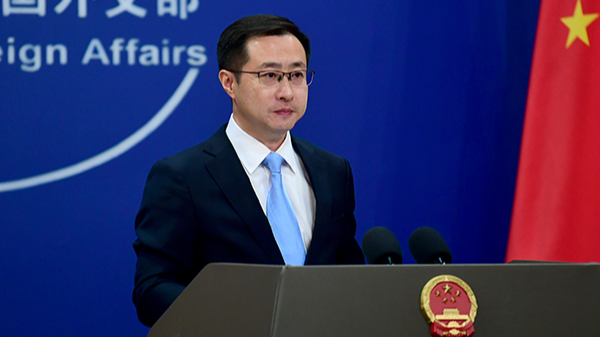
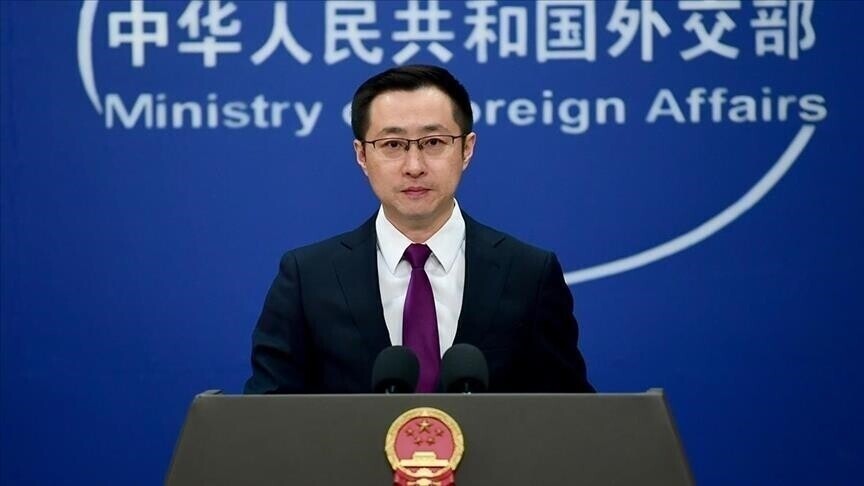
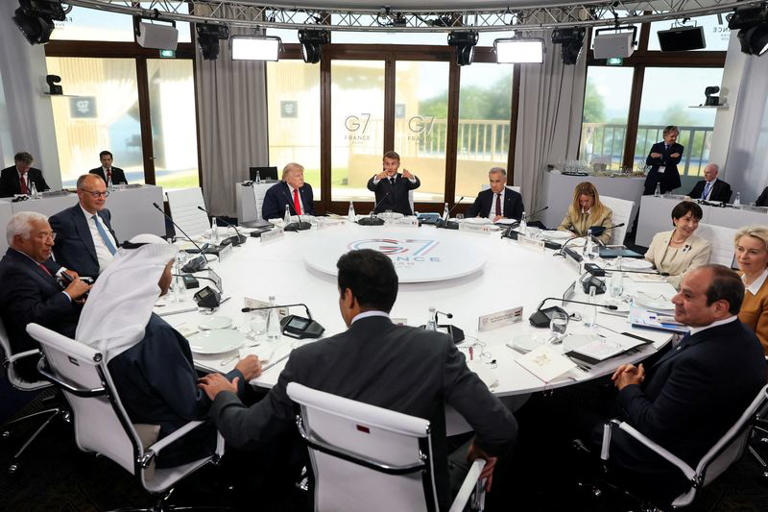
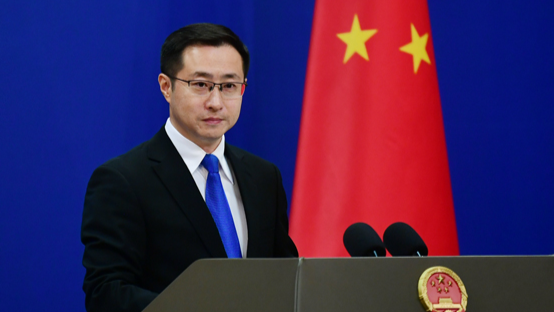
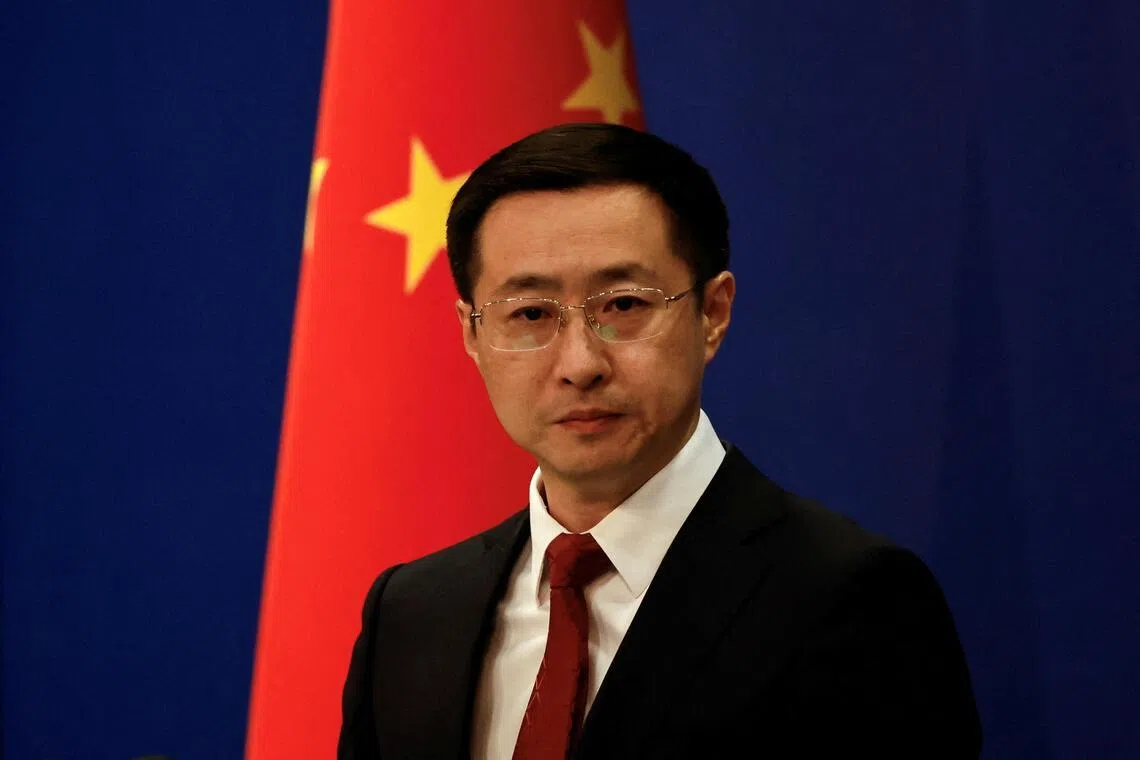
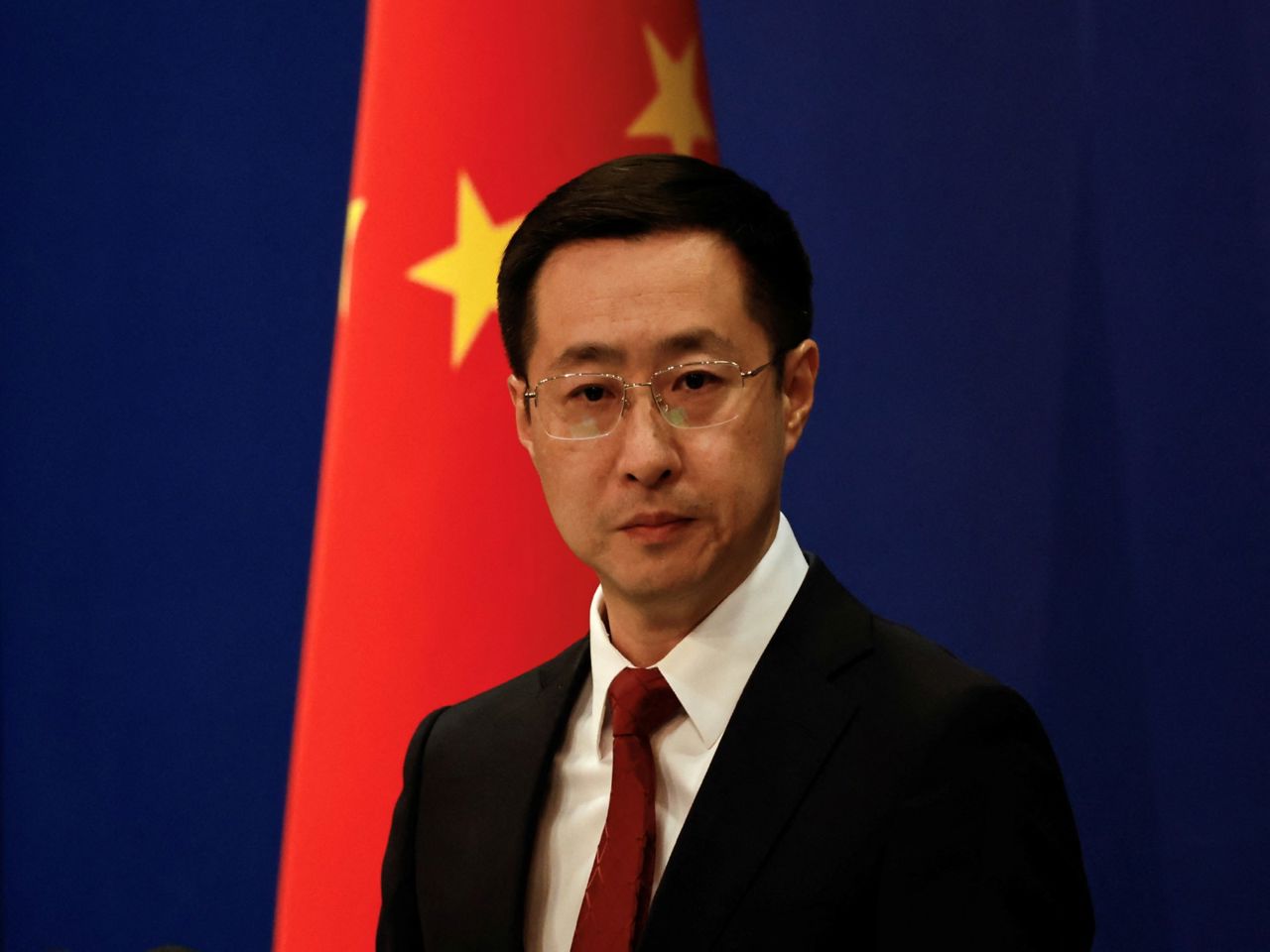
On June 15, 2026, China's Foreign Ministry spokesperson Lin Jian formally protested the G7's coordinated initiative to reduce dependence on Chinese rare earths and critical minerals—a geopolitical shift with direct operational consequences for cross-border e-commerce sellers. The G7 summit declaration commits member nations (US, UK, Canada, France, Germany, Italy, Japan) to diversifying sourcing away from China, which currently dominates 60-70% of global rare earth production and 50%+ of critical mineral processing. This "friend-shoring" strategy directly impacts sellers sourcing electronics, batteries, renewable energy components, and technology products from China.
Supply Chain Cost Escalation: The immediate impact manifests in three ways. First, alternative sourcing from Vietnam, Indonesia, India, and Australia carries 12-18% higher procurement costs due to less mature supply chains and smaller production volumes. Second, G7 nations are implementing tariff increases on Chinese-origin electronics and battery components—expect 8-15% tariff rate increases on HS codes 8504 (electrical machinery), 8507 (batteries), and 8541 (semiconductors) by Q4 2026. Third, lead times are extending 3-6 weeks as sellers navigate new customs documentation, export licensing requirements, and compliance verification for critical mineral content. For sellers with 500+ monthly unit volumes, this translates to $2,000-5,000 monthly cost increases per product line.
Competitive Segmentation: Small sellers (under $100K annual revenue) face the highest pressure—they lack negotiating power with alternative suppliers and cannot absorb margin compression. Mid-market sellers ($100K-$1M) can partially mitigate by shifting 20-30% of sourcing to Vietnam or India, though this requires 60-90 day supplier qualification cycles. Large sellers ($1M+) and brand-backed sellers have advantages: they can negotiate volume commitments with emerging suppliers, lock in pricing before tariff implementation, and absorb temporary margin compression. Electronics category sellers (smartwatches, portable chargers, drones, smart home devices) face the steepest impact, as rare earth elements are embedded in motors, magnets, and power systems.
Tariff Arbitrage Window: The critical opportunity exists in the 90-180 day window before tariff implementations solidify (estimated Q3-Q4 2026). Sellers should immediately audit product HS codes for rare earth content, pre-order inventory from Chinese suppliers at current tariff rates, and lock in pricing before G7 tariff schedules are finalized. This creates a temporary margin advantage for sellers who move quickly—those who delay face 15-25% cost increases by early 2027. Additionally, sellers should evaluate "tariff-advantaged" sourcing corridors: Vietnam benefits from CPTPP trade agreements with G7 nations, reducing effective tariffs by 3-5% compared to China-origin goods.
Questions 8
How will G7 rare earth diversification affect my electronics sourcing costs in 2026?
G7 nations are implementing tariff increases of 8-15% on Chinese electronics and battery components (HS codes 8504, 8507, 8541) by Q4 2026, with alternative sourcing from Vietnam and India carrying 12-18% higher procurement costs. For a seller importing 1,000 units monthly of battery-powered devices, expect $2,000-4,000 in additional monthly costs. The news reports that supply chain diversification efforts by G7 nations may increase sourcing costs and extend lead times 3-6 weeks. Immediate action: audit your product HS codes and lock in Chinese supplier pricing before tariff schedules finalize in Q3 2026.
Which product categories face the highest tariff impact from this G7 trade dispute?
Electronics, batteries, renewable energy components, and technology products dependent on rare earth elements face the steepest impact. Specifically, smartwatches, portable chargers, drones, smart home devices, and power tools with rare earth magnets are most affected. The news indicates that rare earth elements are used in electronics, renewable energy, and defense applications, making these categories vulnerable to tariff increases. Sellers in these categories should prioritize sourcing diversification and inventory pre-ordering before tariff implementation. Consider shifting 20-30% of sourcing to Vietnam or India to reduce exposure to Chinese tariff increases.