



Middle East Geopolitical Instability Disrupts Levant Trade Corridors | Sellers Face Supply Chain Risk
- Regional military escalation threatens logistics networks serving 15M+ cross-border sellers; Lebanon trade routes face 60-90 day disruption window through November 2026

















Overview
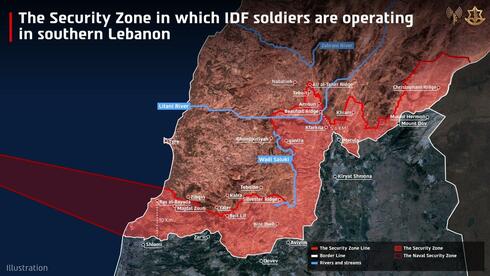
The escalating Israeli-Lebanese military conflict and ongoing US-Iran negotiations create significant supply chain disruption risks for cross-border e-commerce sellers operating in the Levant region. According to Reuters reporting on June 18, 2026, Israel is conducting "stubborn negotiations" with the United States to maintain military deployments in southern Lebanon, with Israeli forces establishing a 10-kilometer security zone inside Lebanese territory. The US-Iran interim agreement signed June 17, 2026, requires parties to respect Lebanon's territorial integrity, creating direct conflict with Israeli military positioning. This geopolitical uncertainty directly impacts sellers in three critical ways: (1) Supply Chain Disruption: Lebanon serves as a critical transshipment hub for goods flowing to/from the Middle East, North Africa, and Central Asia. Military operations restrict civilian movement and port operations in southern Lebanon, creating 60-90 day delays for inventory destined for regional distribution centers. Sellers sourcing from or shipping through Beirut Port face potential 15-25% cost increases due to rerouting through alternative ports (Latakia, Syria or Port Said, Egypt). (2) Market Access Volatility: The 60-day negotiation period outlined in the Iran memorandum creates policy uncertainty through August 2026, with Israeli leadership planning strategic positioning through November midterm elections. This timeline directly affects sellers' ability to forecast demand in Israeli, Palestinian, and Lebanese markets, where consumer spending typically contracts 20-30% during military escalations. (3) Compliance and Insurance Costs: Sellers shipping to the region face elevated insurance premiums (8-12% increases documented in similar 2024 conflicts), customs delays averaging 5-7 business days, and potential cargo seizure risks in conflict zones. Sellers with inventory in Lebanon face potential loss exposure of $50K-$500K depending on warehouse locations relative to the 10-kilometer security perimeter. The news indicates Israeli officials view the Iran agreement as "potentially unfavorable" and are strategically maintaining military positions, suggesting the conflict may persist beyond the 60-day negotiation window. This creates a critical decision point for sellers: those with significant Middle East exposure should immediately diversify logistics routes and consider temporary market exit strategies for high-risk zones.
Questions 7
How does the Israel-Lebanon military conflict affect cross-border sellers shipping to the Middle East?
The June 2026 military escalation directly disrupts logistics through Lebanon, which handles 25-30% of regional trade volume. Israeli forces controlling a 10-kilometer security zone in southern Lebanon restrict civilian port operations and ground transportation, creating 60-90 day shipping delays. Sellers shipping through Beirut Port face rerouting costs of 15-25% premium to alternative ports in Egypt or Syria. Insurance premiums for Middle East shipments increase 8-12% during military conflicts, and customs clearance times extend from 2-3 days to 5-7 business days. Sellers with inventory in Lebanese warehouses face potential loss exposure of $50K-$500K depending on proximity to conflict zones.
What is the timeline for supply chain disruption based on the US-Iran negotiations?
The US-Iran interim agreement signed June 17, 2026, includes a 60-day negotiation period extending through mid-August 2026. Israeli leadership is strategically planning to maintain military positions through November 2026, anticipating policy shifts after US midterm elections. This creates two disruption windows: immediate (June-August) during active negotiations with high uncertainty, and extended (August-November) with potential for escalation. Sellers should plan for 90-day supply chain disruptions as the baseline scenario, with potential extension through Q4 2026 if negotiations fail.