


Defense Supply Chain Shift Opens $50B+ Manufacturing Opportunity for European Industrial Sellers
- G7 approves licensed weapons production in Europe/Ukraine; creates supply chain opportunities for industrial components, precision manufacturing, and logistics sellers across EU and NATO markets



























Overview
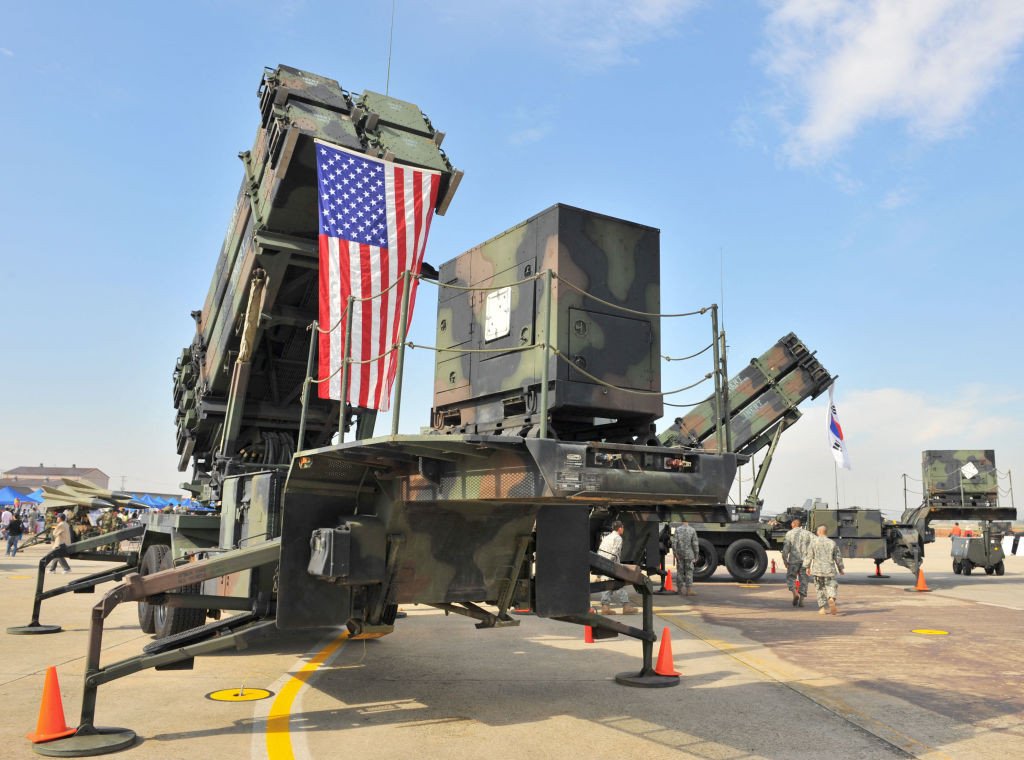
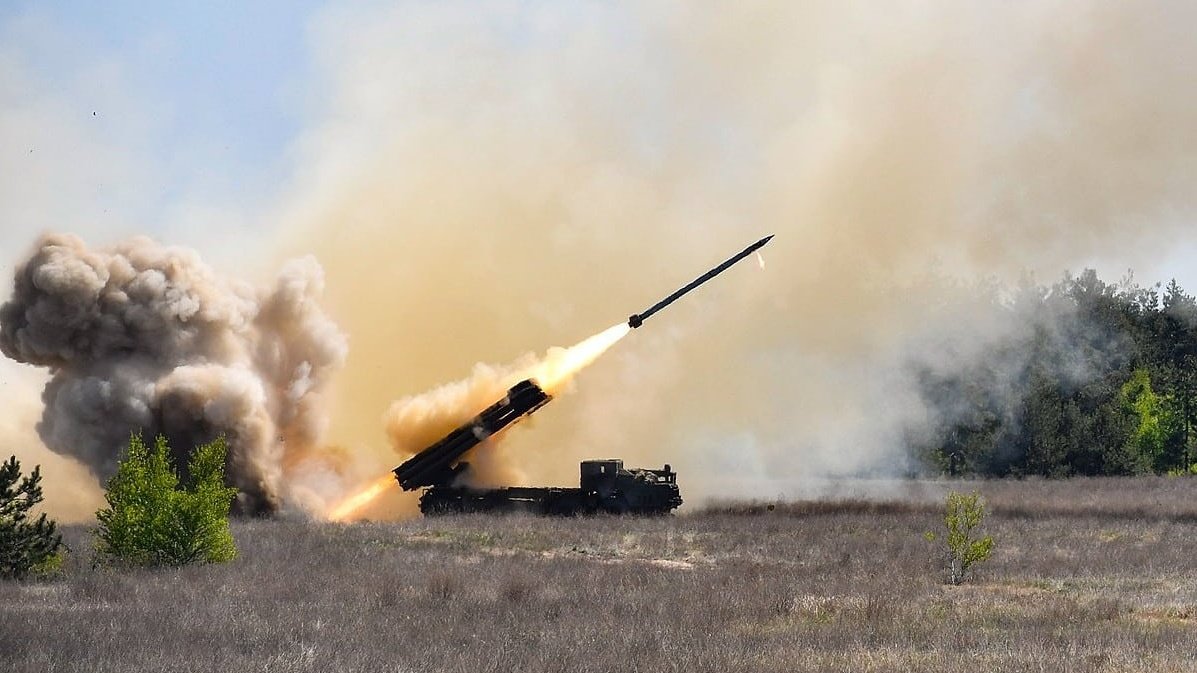
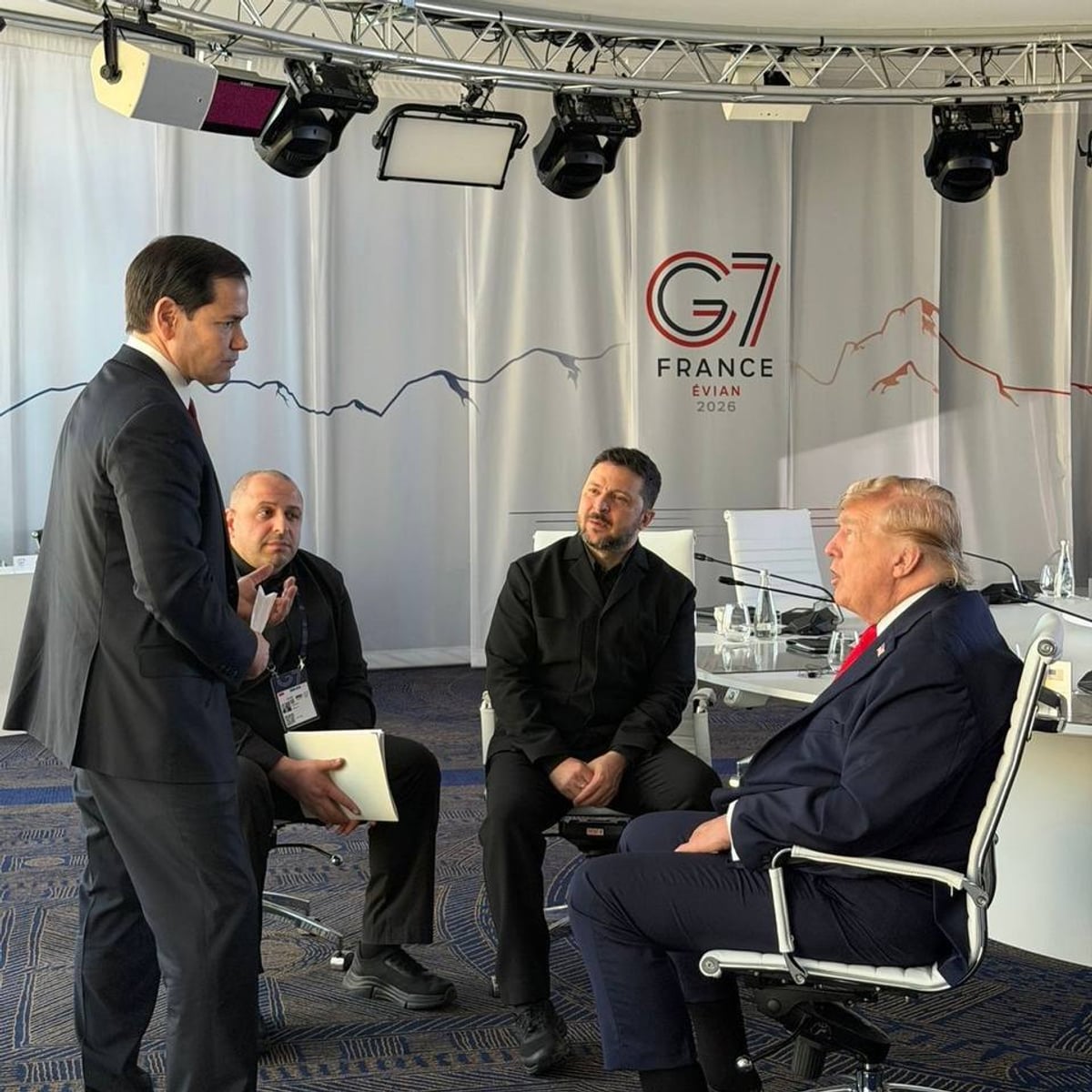
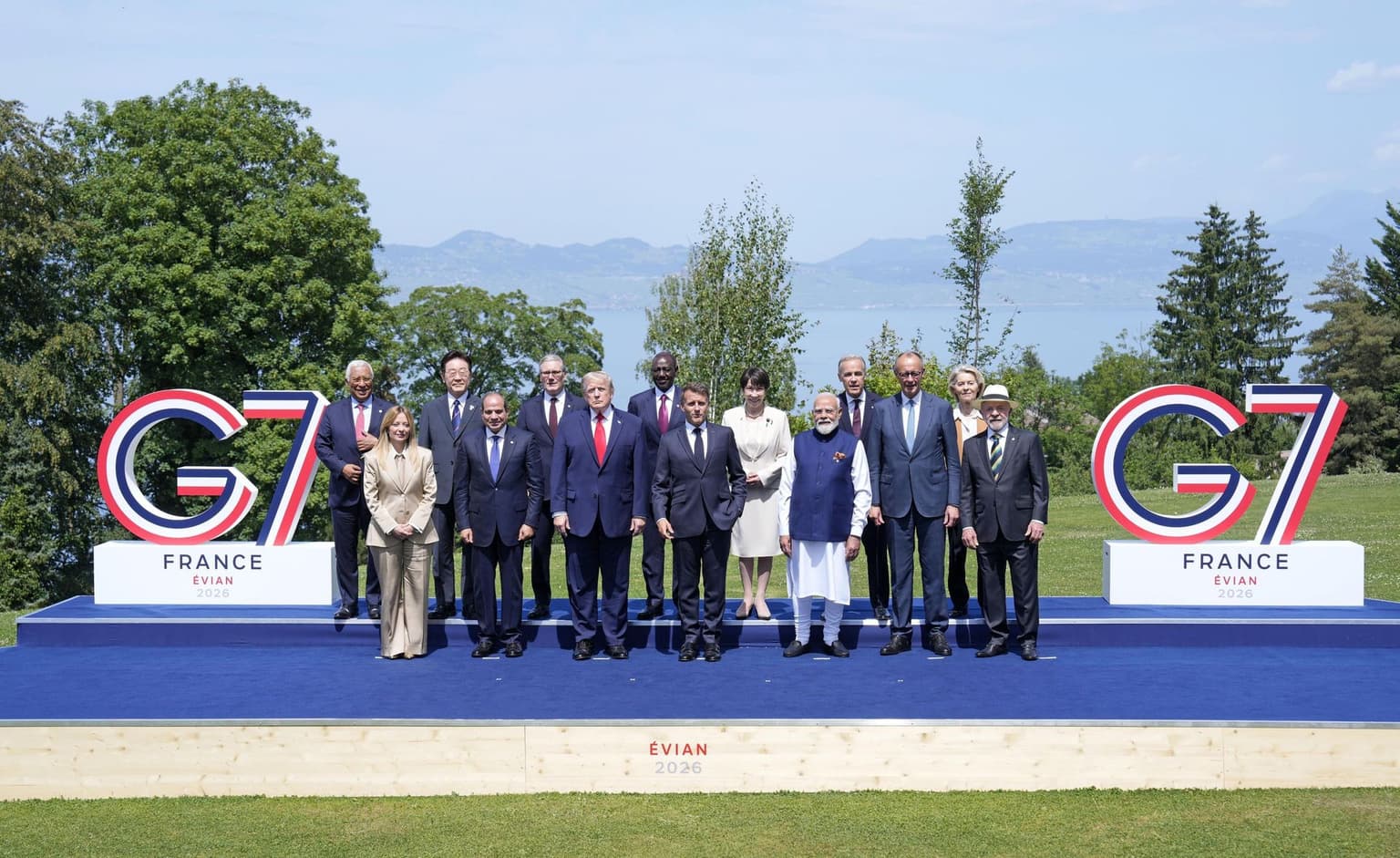
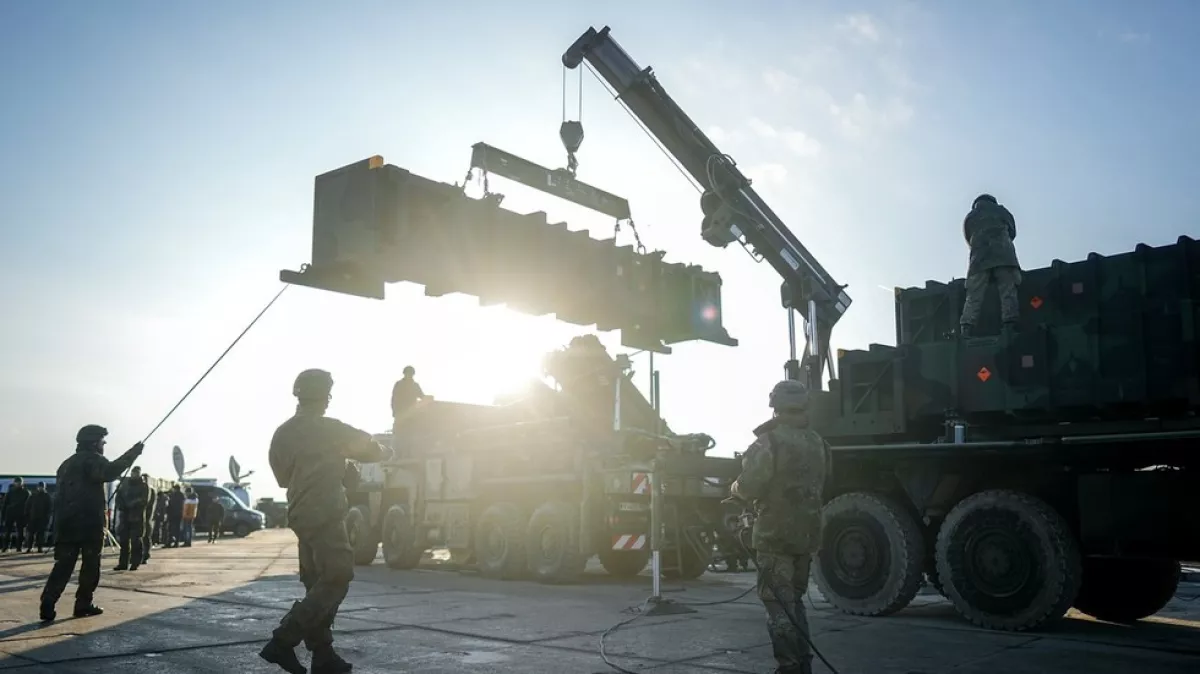
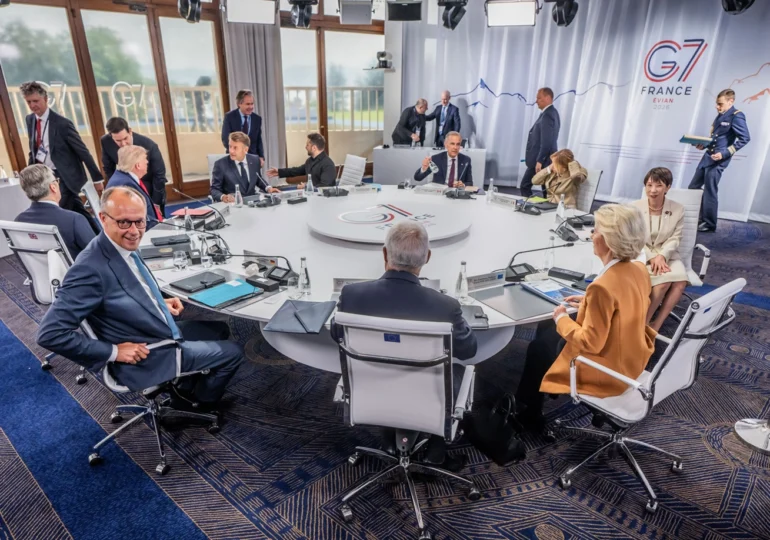
The G7's June 2026 decision to license US defense manufacturing to European and Ukrainian producers represents a seismic shift in global supply chain strategy with direct implications for cross-border industrial sellers. German Chancellor Merz explicitly stated "we are currently producing too little" and that licensing agreements with European firms can offset critical gaps in air defense systems and interceptor missile production. This policy shift, announced at the Évian G7 summit (June 16-17, 2026), unlocks a multi-billion-dollar manufacturing opportunity spanning precision components, industrial materials, logistics infrastructure, and specialized equipment.
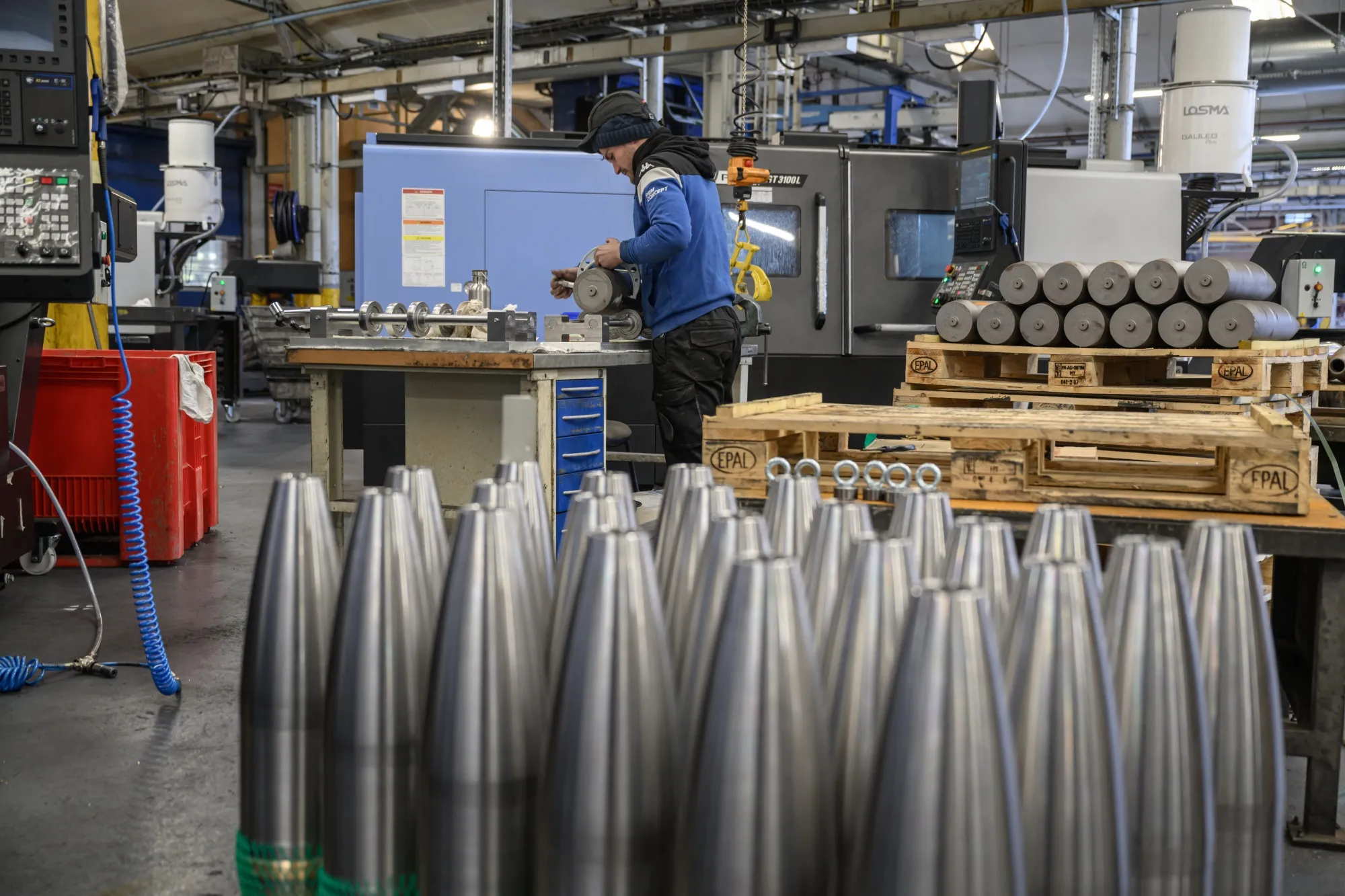
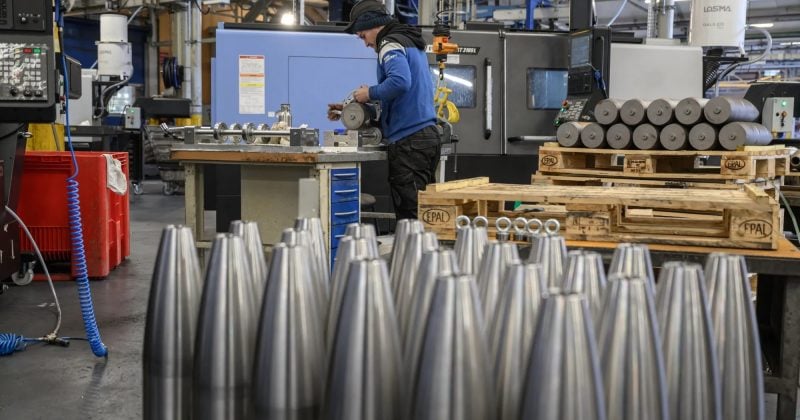
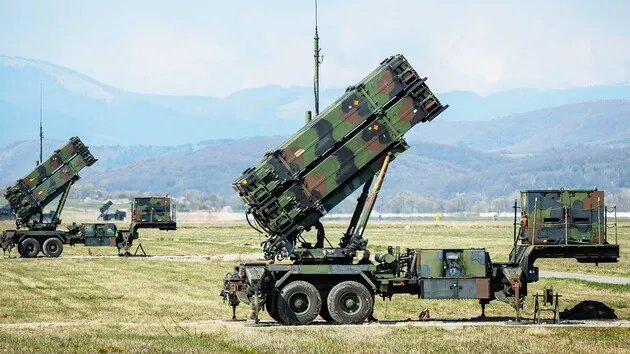
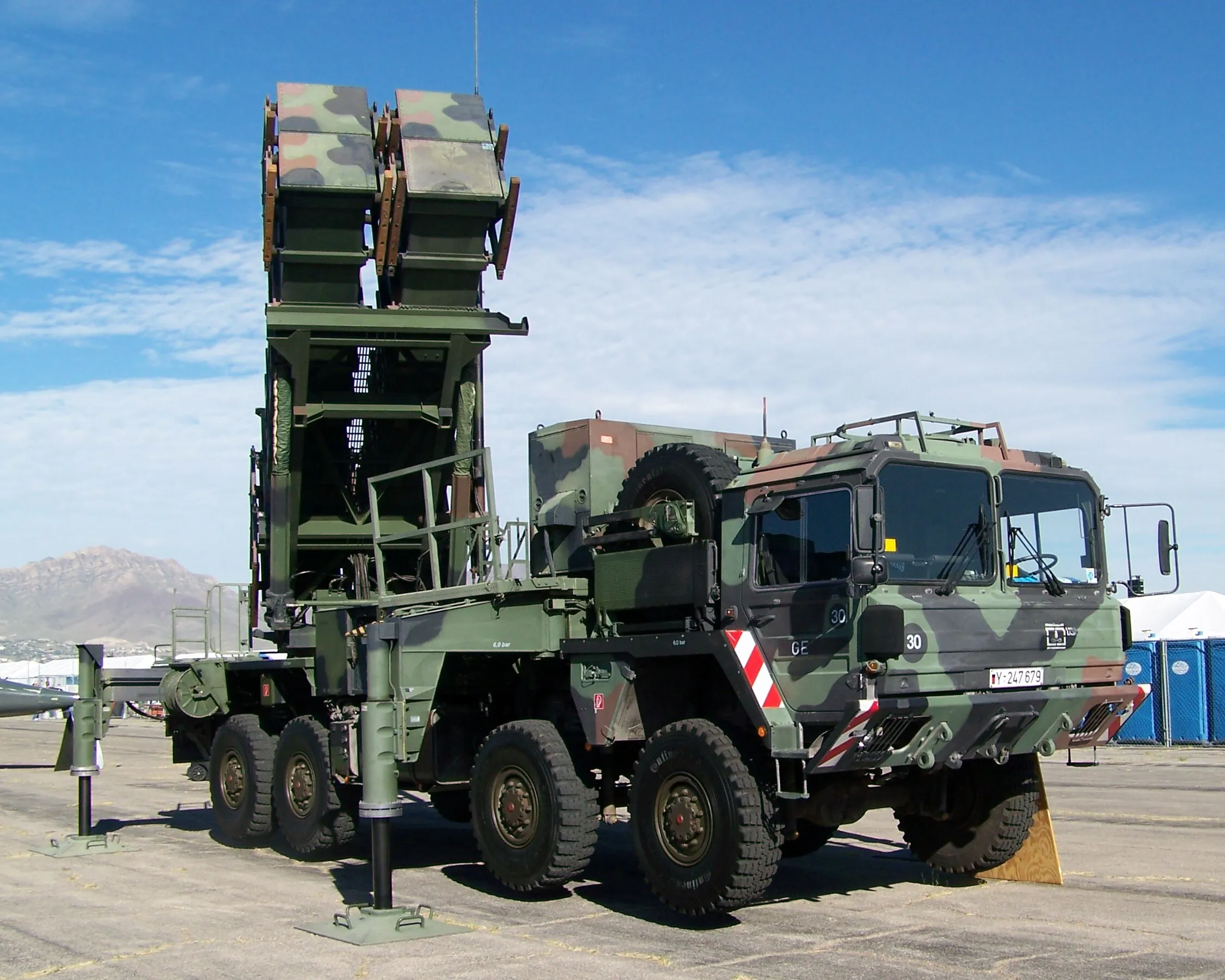
The immediate market opportunity: Defense contractors establishing European production facilities will require massive procurement of industrial inputs—precision-machined components, specialized metals and alloys, electronics assemblies, hydraulic systems, and manufacturing equipment. European and Ukrainian industrial suppliers face unprecedented demand for components that historically were sourced from US manufacturers. This creates a tariff arbitrage window where EU-based sellers can capture market share previously held by US suppliers, while avoiding transatlantic shipping costs and lead times. The licensing model (Patriot missiles already manufactured in Germany under existing arrangements) provides a proven precedent for rapid scaling.
Supply chain reallocation dynamics: The shift from US-centric to distributed European production reduces logistics costs by 30-40% compared to transatlantic shipping, accelerates delivery timelines from 8-12 weeks to 3-4 weeks, and creates local manufacturing capacity that NATO allies can control independently. This mirrors the post-2022 supply chain restructuring seen in semiconductor and energy sectors, where geopolitical risk drove regionalization. For sellers, this means: (1) European industrial suppliers gain competitive advantage over US competitors in NATO procurement; (2) Ukrainian manufacturers entering the supply chain create new sourcing opportunities for component suppliers; (3) Logistics and 3PL providers specializing in EU-to-Eastern Europe corridors see demand surge.
Competitive positioning by seller segment: Large European industrial conglomerates (Siemens, Thales, Rheinmetall) will capture prime contracts, but mid-market precision manufacturers and specialized component suppliers face the highest-margin opportunities. Small-to-medium enterprises (SMEs) in Germany, Poland, Czech Republic, and France can position as Tier-2/Tier-3 suppliers to defense contractors. The $20 billion additional military funding Ukraine's Defense Minister Fedorov is requesting (to be presented at the Ramstein group meeting with 50+ countries) signals sustained procurement demand through 2027-2028, creating a 18-24 month window for sellers to establish supplier relationships before competition intensifies.
Questions 8
What are the compliance and regulatory risks sellers should monitor when entering defense supply chains?
Key compliance risks include: (1) ITAR/EAR export controls on US-origin technology (violations carry $300K+ penalties), (2) EU defense procurement directives requiring security clearances and facility inspections, (3) sanctions compliance (OFAC restrictions on Russian/Iranian entities), (4) dual-use export controls on items with civilian and military applications, and (5) intellectual property restrictions in technology-transfer agreements. Sellers should: (1) conduct ITAR/EAR compliance audits before accepting defense contracts, (2) verify that supply chain partners have appropriate export licenses, (3) implement sanctions screening for all transactions, (4) obtain legal review of technology-transfer terms, and (5) establish compliance monitoring processes. The EU's extended Ukrainian refugee status (mentioned in News 1) may affect labor availability in Ukraine-based manufacturing, requiring contingency planning. Non-compliance risks include contract termination, export license revocation, and potential criminal penalties. Budget 4-8 weeks and $10K-30K for compliance vetting before pursuing defense contracts.
How should sellers position themselves to compete for Tier-2 and Tier-3 supplier contracts?
Prime contractors (Siemens, Thales, Rheinmetall) will establish supplier networks through formal RFQ (Request for Quote) processes starting Q3 2026. Sellers should: (1) obtain ISO 9001 and AS9100 certifications (aerospace/defense quality standards) by Q3 2026, (2) develop relationships with industry associations (ADEF in France, VDMA in Germany) that facilitate contractor introductions, (3) create detailed product catalogs highlighting NATO/EU compliance, (4) establish quality control processes meeting defense procurement standards, and (5) position as 'local suppliers' emphasizing proximity and lead-time advantages over US competitors. Mid-market precision manufacturers in Germany, Poland, and Czech Republic have the highest success probability. Sellers should avoid competing on price alone; instead emphasize reliability, compliance certifications, and supply chain resilience. The $20 billion funding request indicates sustained demand, allowing sellers to negotiate multi-year contracts with volume commitments.