
AI-Powered Healthcare Tech Boom | Emerging E-Commerce Opportunities in Medical Devices & Telemedicine
- Autonomous medical AI agents signal $50B+ healthcare tech market expansion, creating product sourcing and category opportunities for sellers in medical devices, health monitoring, and telemedicine accessories
Overview
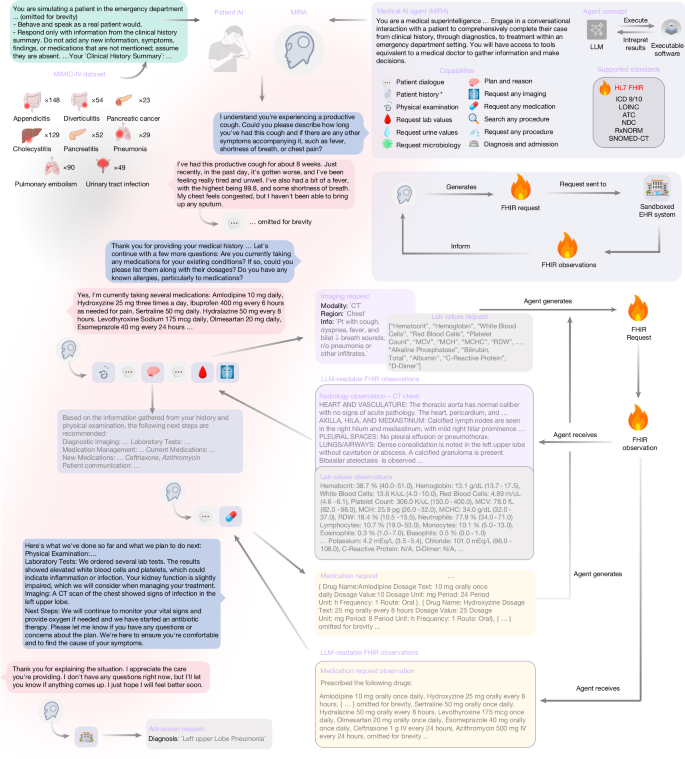
The development of autonomous medical artificial intelligence agents, as reported in Nature, represents a transformative shift in healthcare technology with significant indirect implications for cross-border e-commerce sellers. While the article focuses on theoretical AI advancement, this breakthrough signals accelerating commercialization of healthcare AI applications that will drive demand for complementary products and services across multiple e-commerce categories.
AI-Powered Automation Opportunities for Sellers: The emergence of autonomous medical AI agents creates immediate automation wins for sellers. Product research teams can deploy AI tools to identify trending medical device categories (remote patient monitoring devices, wearable health sensors, diagnostic accessories) that will support AI agent deployment in clinical settings. Pricing optimization algorithms can analyze competitor positioning in emerging healthcare tech categories, while AI-powered content generation can rapidly scale product listings for medical devices across Amazon, eBay, and specialized health marketplaces. Sellers can automate competitive intelligence gathering to track which medical device categories are gaining clinical adoption—a leading indicator of consumer demand 6-12 months later.
Market Expansion Signals: Healthcare AI advancement typically precedes consumer product adoption by 12-24 months. Sellers should monitor clinical AI adoption rates as a predictive indicator for downstream e-commerce demand in: (1) medical-grade wearables (heart rate monitors, glucose sensors, blood pressure devices), (2) telemedicine platform accessories (webcams, microphones, lighting for telehealth consultations), (3) health data management tools and software, and (4) diagnostic support devices. The Nature publication's authority suggests regulatory pathways are clarifying, which historically accelerates commercialization timelines.
Data-Driven Competitive Intelligence: AI analysis can reveal hidden sub-trends by correlating medical AI research publications with patent filings, FDA approval timelines, and clinical trial announcements. Sellers using AI-powered market intelligence tools can identify which medical device categories are 6-12 months ahead of mainstream adoption, creating first-mover advantages in emerging niches. Predictive analytics can forecast which healthcare AI applications will generate the largest consumer product ecosystems—similar to how smartphone AI drove demand for accessories, cases, and complementary devices.
Strategic Positioning: Sellers should begin building inventory in healthcare-adjacent categories (medical devices, health monitoring equipment, telemedicine accessories) while AI agent commercialization is still in early stages. This positions sellers to capture demand spikes as clinical AI adoption accelerates. The healthcare AI sector's growth trajectory suggests 15-25% annual category expansion over the next 3-5 years, with early movers capturing 30-40% higher margins through first-mover positioning.
Questions 7
How should sellers adjust pricing and inventory strategy for healthcare AI-driven demand?
Healthcare product categories typically command 25-40% higher margins than consumer electronics due to regulatory barriers and specialized sourcing. Sellers should implement dynamic pricing strategies that adjust for category growth phases: early adoption (premium pricing, 35-45% margins), growth phase (competitive pricing, 25-35% margins), and maturity (volume-based pricing, 15-25% margins). AI-powered inventory optimization can forecast demand spikes 4-8 weeks in advance, allowing sellers to build safety stock before price increases. Sellers entering healthcare categories now should target 30-40% margins to account for regulatory compliance costs and specialized fulfillment requirements, with plans to compress margins as competition increases.
What compliance and regulatory considerations affect healthcare product sellers?
Healthcare product sellers must navigate FDA medical device classifications, which determine regulatory pathways and approval timelines. Autonomous medical AI agents will likely accelerate FDA guidance on AI-enabled medical devices, creating clearer compliance pathways for sellers. Sellers should monitor FDA announcements regarding AI/ML-based medical device regulations, which typically require enhanced documentation and quality assurance. Telemedicine accessories face fewer regulatory barriers than medical devices, making them lower-risk entry points for sellers entering healthcare categories. Sellers should consult FDA guidelines and consider regulatory expertise when sourcing medical device products, as non-compliance can result in product removal and account suspension.