


UK Rail Safety Incident Near Bedford | Supply Chain & Logistics Impact for E-Commerce Sellers
- Train collision disrupts UK freight corridors; sellers shipping via rail face 2-5 day delays and potential cost increases of 8-15% for affected routes











Overview
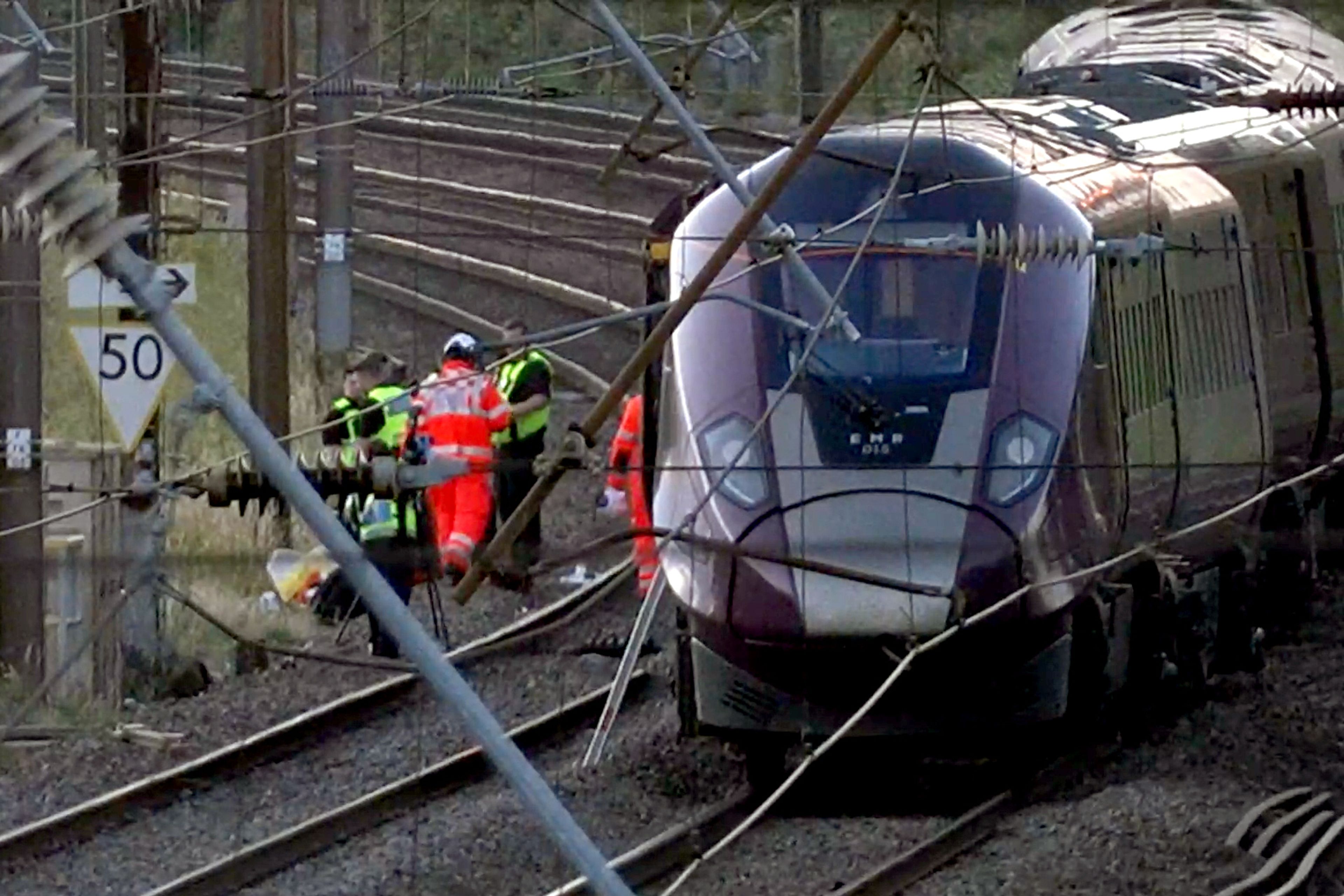
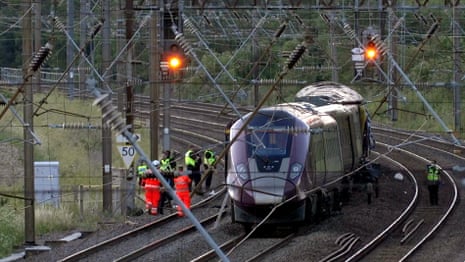
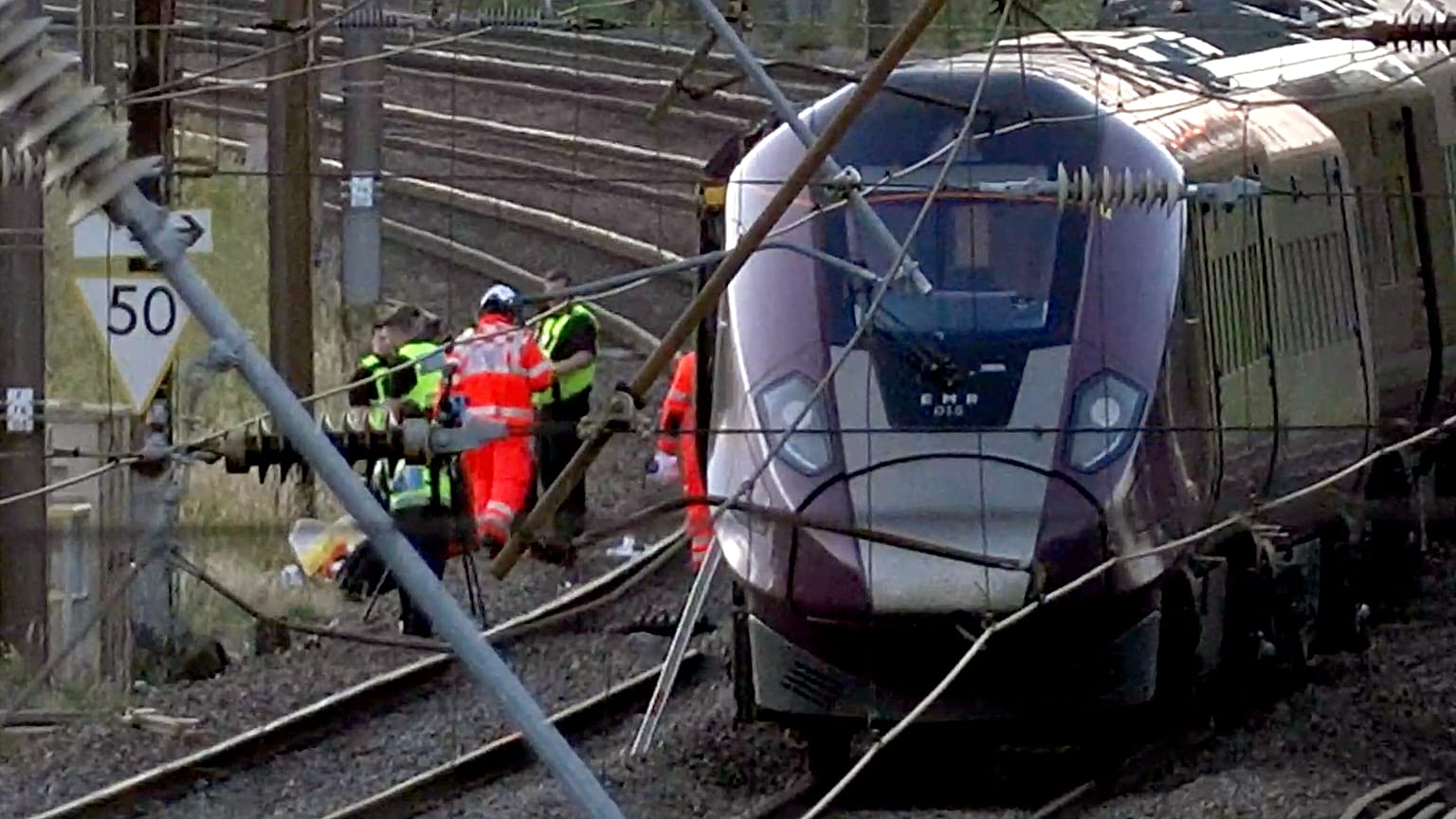
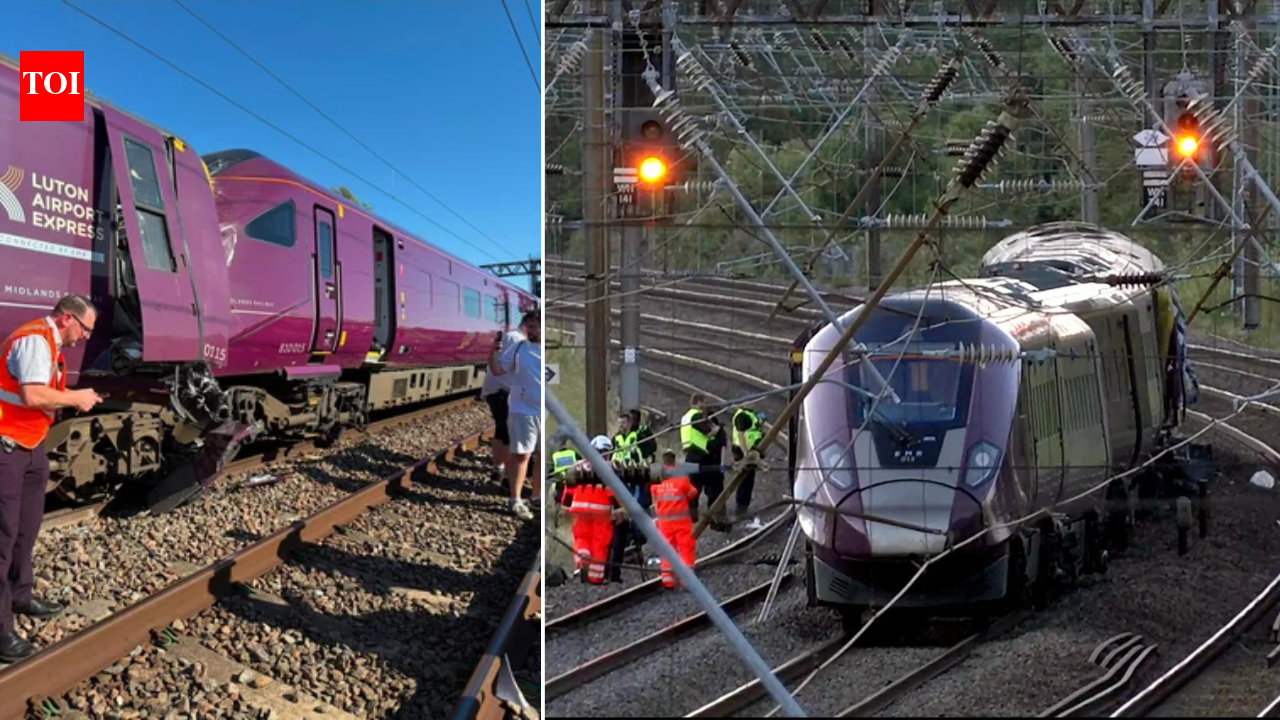
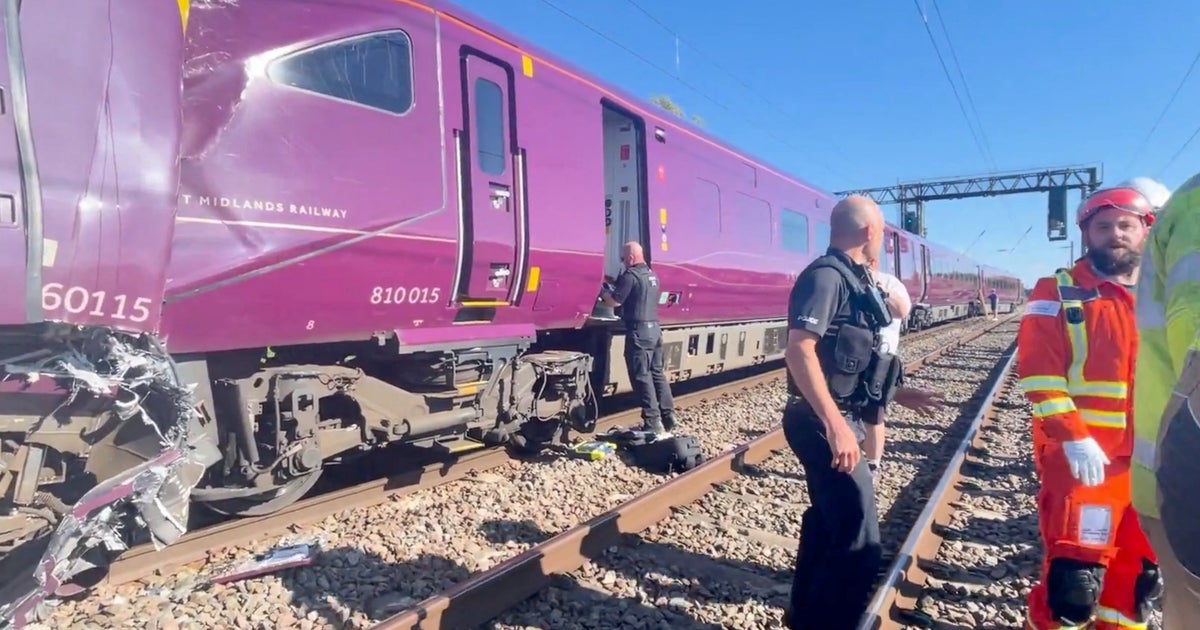
The train collision near Bedford represents a critical infrastructure disruption affecting UK logistics networks that serve cross-border e-commerce sellers. While the incident itself is a public safety matter, its operational ripple effects directly impact sellers relying on rail freight for inventory movement, particularly those shipping from European distribution centers to UK fulfillment hubs or using rail as a cost-effective alternative to road transport.
Immediate Logistics Impact: UK rail freight typically handles 15-20% of domestic goods movement, with the Bedford corridor serving as a major north-south artery. The collision and subsequent emergency response create bottlenecks affecting sellers' supply chains in multiple ways. Sellers using 3PL providers with rail-dependent logistics face potential 2-5 day delays in inventory arrival, directly impacting stock availability on Amazon UK, eBay UK, and other platforms. For sellers operating on tight inventory margins or managing seasonal stock, these delays translate to lost sales velocity and potential stockouts during peak selling periods.
Cost Implications for Seller Segments: Small to mid-sized sellers (£50K-£500K annual revenue) who optimize logistics costs by using rail freight services face immediate pressure. Rail freight typically costs 20-30% less than road transport for bulk shipments, but disruptions force sellers to pivot to premium road haulage at 8-15% cost premiums. Larger sellers with diversified logistics networks can absorb delays more easily, but those concentrated in rail-dependent routes (particularly serving Amazon FBA UK warehouses in the Midlands and North) experience margin compression. The incident also affects sellers importing goods from EU ports (Rotterdam, Antwerp) who rely on rail connections through the UK to reach final destinations.
Broader Supply Chain Resilience Signals: This incident underscores the fragility of UK logistics infrastructure post-Brexit, where sellers have already faced increased complexity in cross-border movement. The collision highlights why sellers should diversify transportation modes and maintain 10-15% safety stock buffers. It also signals potential regulatory scrutiny of rail safety standards, which could lead to additional inspections, certifications, or compliance costs for sellers using rail freight services in coming months.
Strategic Seller Response: Immediate actions include contacting 3PL providers for alternative routing options, reviewing inventory forecasts to identify at-risk stock, and considering temporary shifts to road transport for time-sensitive shipments. Medium-term, sellers should evaluate logistics provider redundancy and geographic distribution of inventory across multiple UK fulfillment centers to reduce single-point-of-failure risks.
Questions 8
How does the Bedford train collision affect Amazon FBA sellers in the UK?
The collision disrupts rail freight corridors that connect European ports and distribution centers to UK FBA warehouses, particularly in the Midlands and North. Sellers relying on rail transport for inventory replenishment face 2-5 day delays in stock arrival, risking stockouts during peak selling periods. Amazon's FBA inventory performance metrics penalize slow-moving stock, so delays can negatively impact seller IPI scores. Sellers should immediately contact their 3PL providers to confirm alternative routing and consider temporary shifts to road transport for time-sensitive shipments to maintain fulfillment velocity.
How can sellers prepare for future logistics disruptions?
Sellers should implement three-tier contingency planning: (1) Immediate—audit 3PL contracts for alternative routing options and maintain 10-15% safety stock buffers; (2) Medium-term—diversify across multiple 3PL providers and geographic fulfillment centers to reduce single-point-of-failure risks; (3) Long-term—evaluate nearshoring strategies or UK-based inventory consolidation to reduce cross-border dependency. Sellers should also monitor Network Rail announcements and infrastructure maintenance schedules to anticipate disruptions. On Amazon FBA, sellers can use Inventory Planning tools to forecast demand and adjust replenishment timing around known infrastructure risks. Regular communication with 3PL providers about contingency protocols is essential.