




Taiwan Strait Blockade Threatens 50% Global Container Traffic | Seller Supply Chain Crisis
- China's normalized naval presence escalates shipping delays, insurance costs surge 15-25%, electronics/semiconductor sellers face critical sourcing disruptions

















Overview
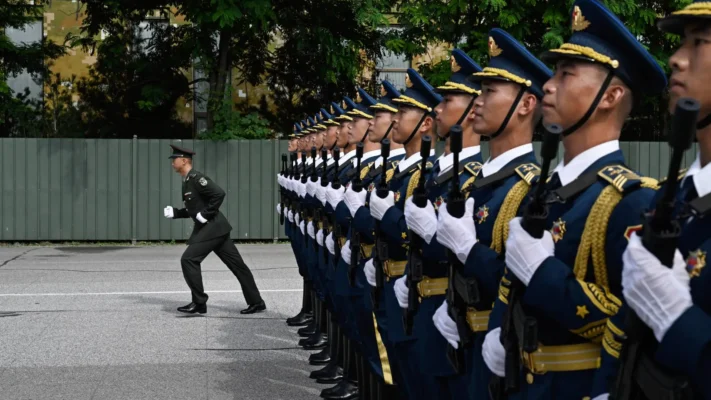
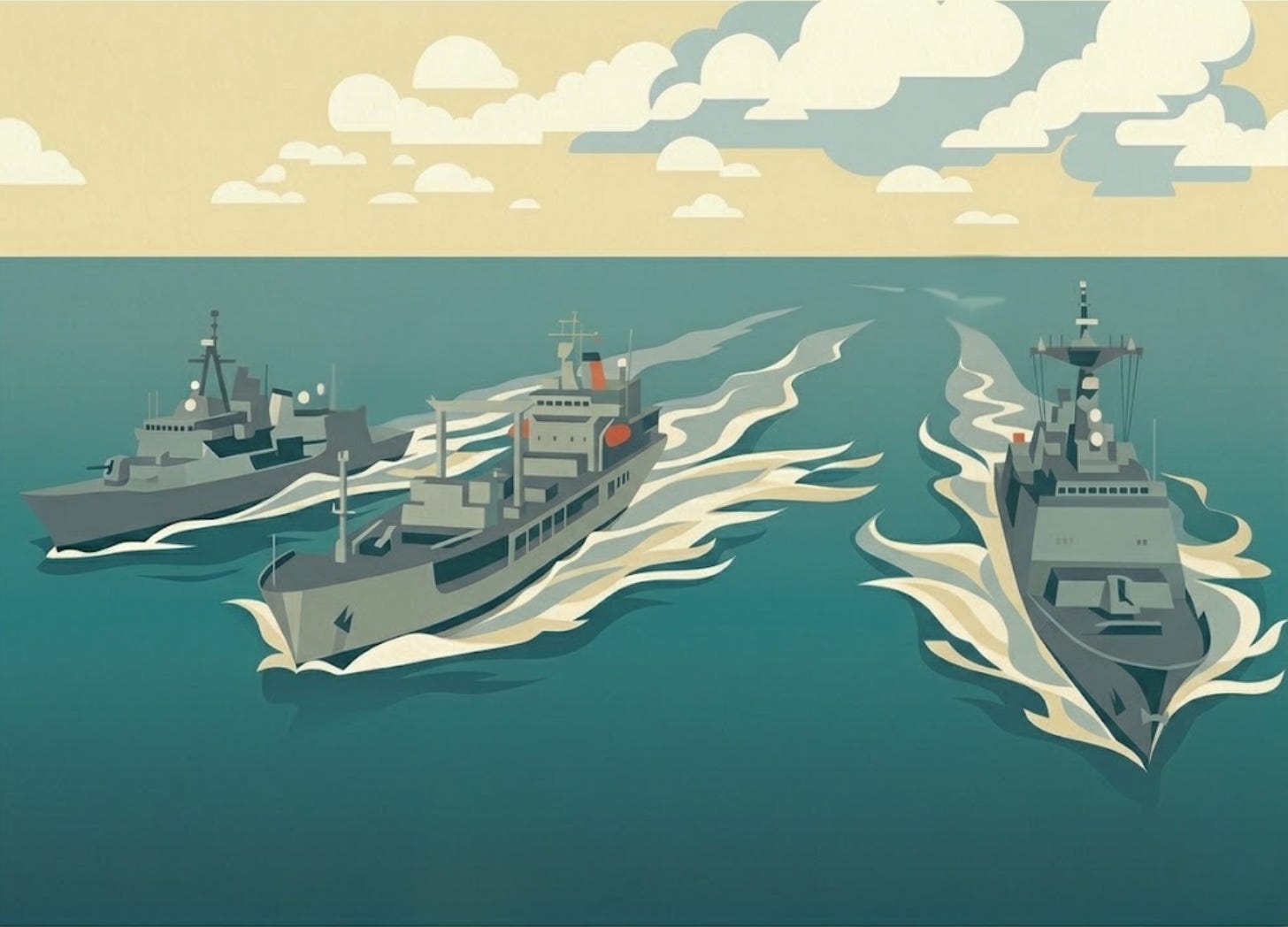
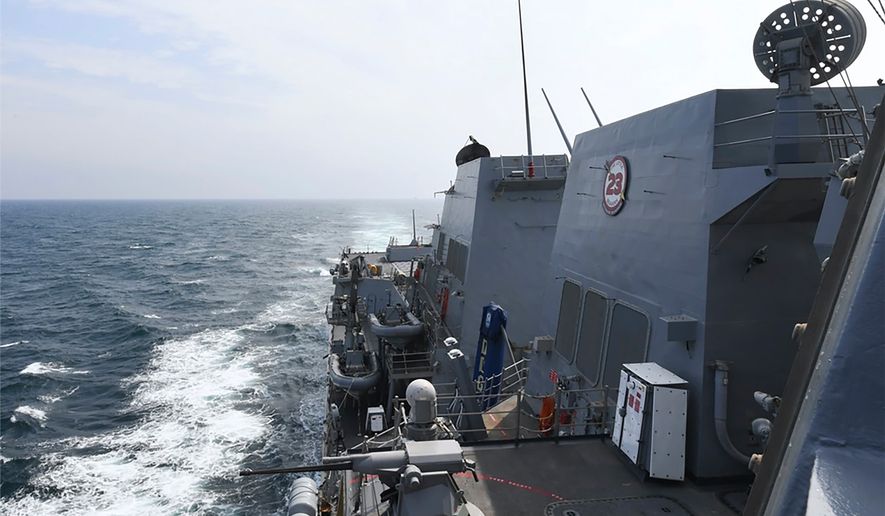
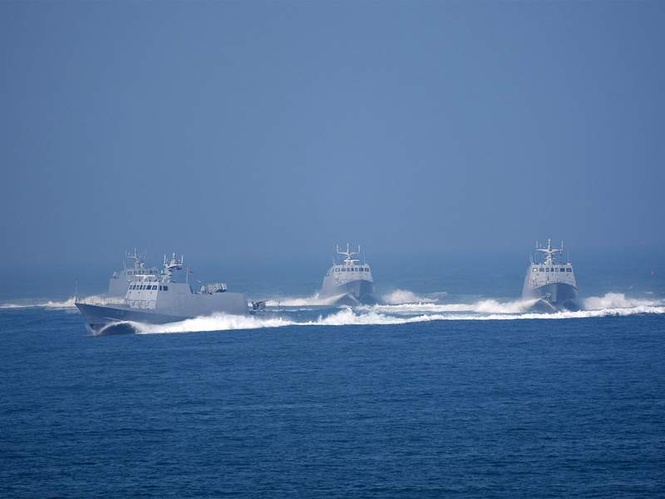
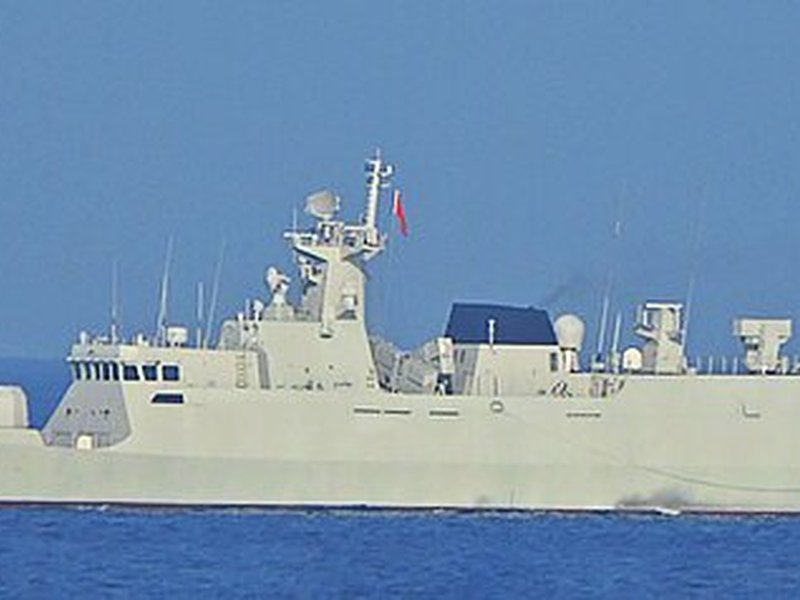
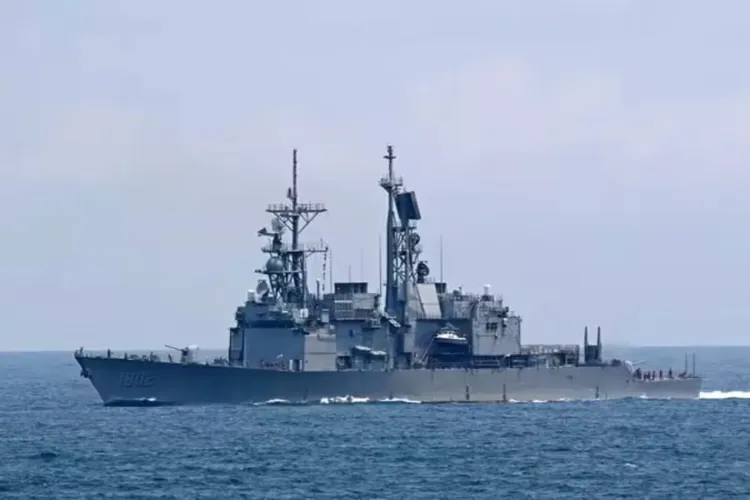
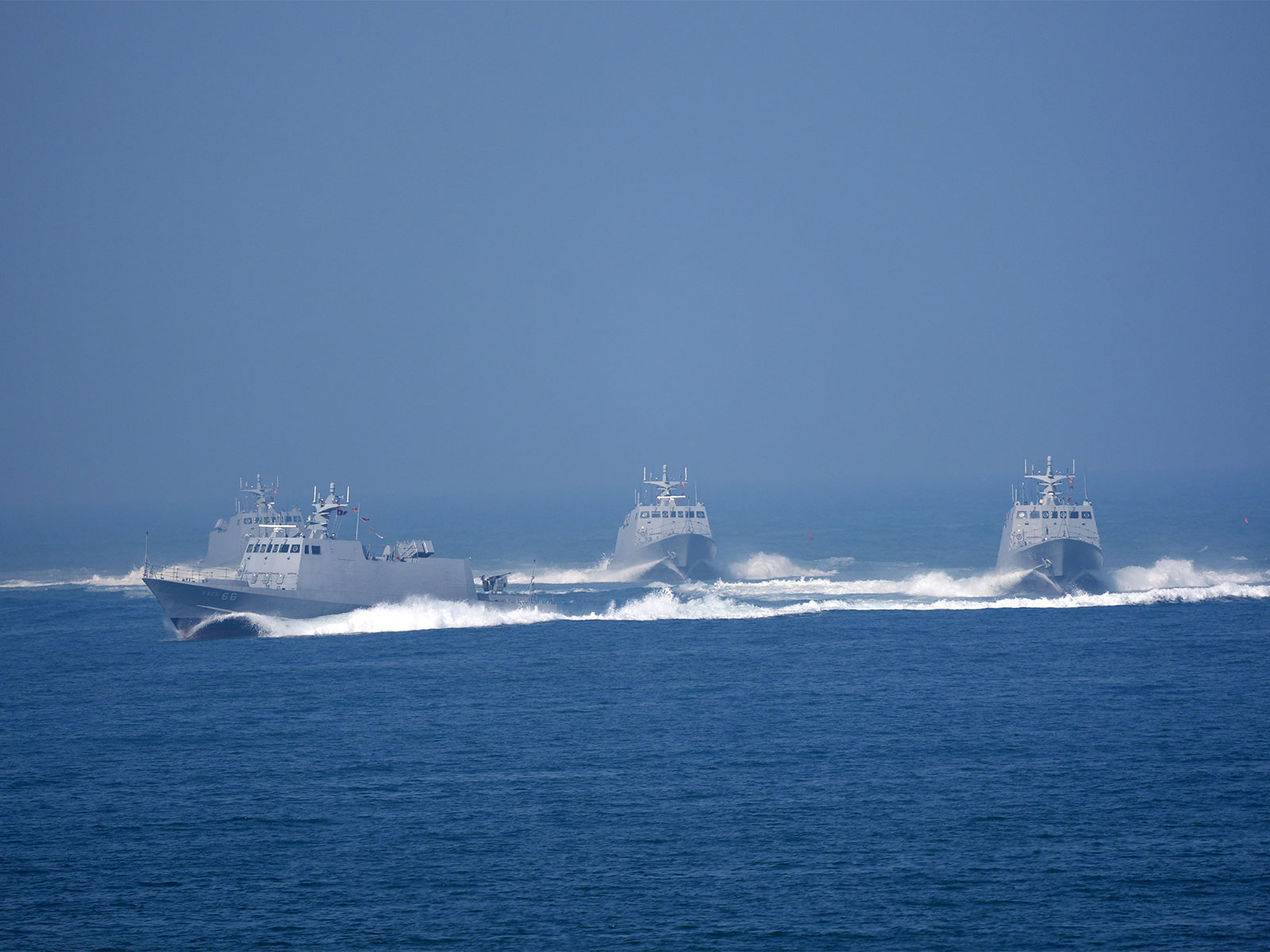
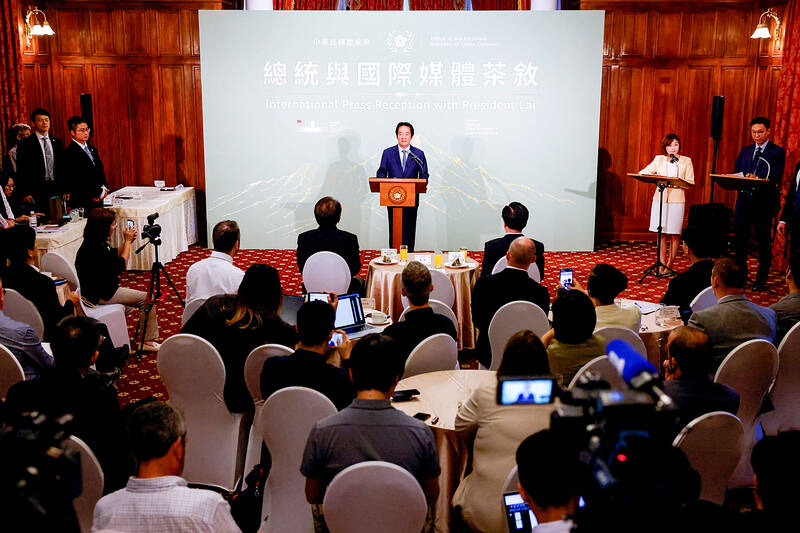
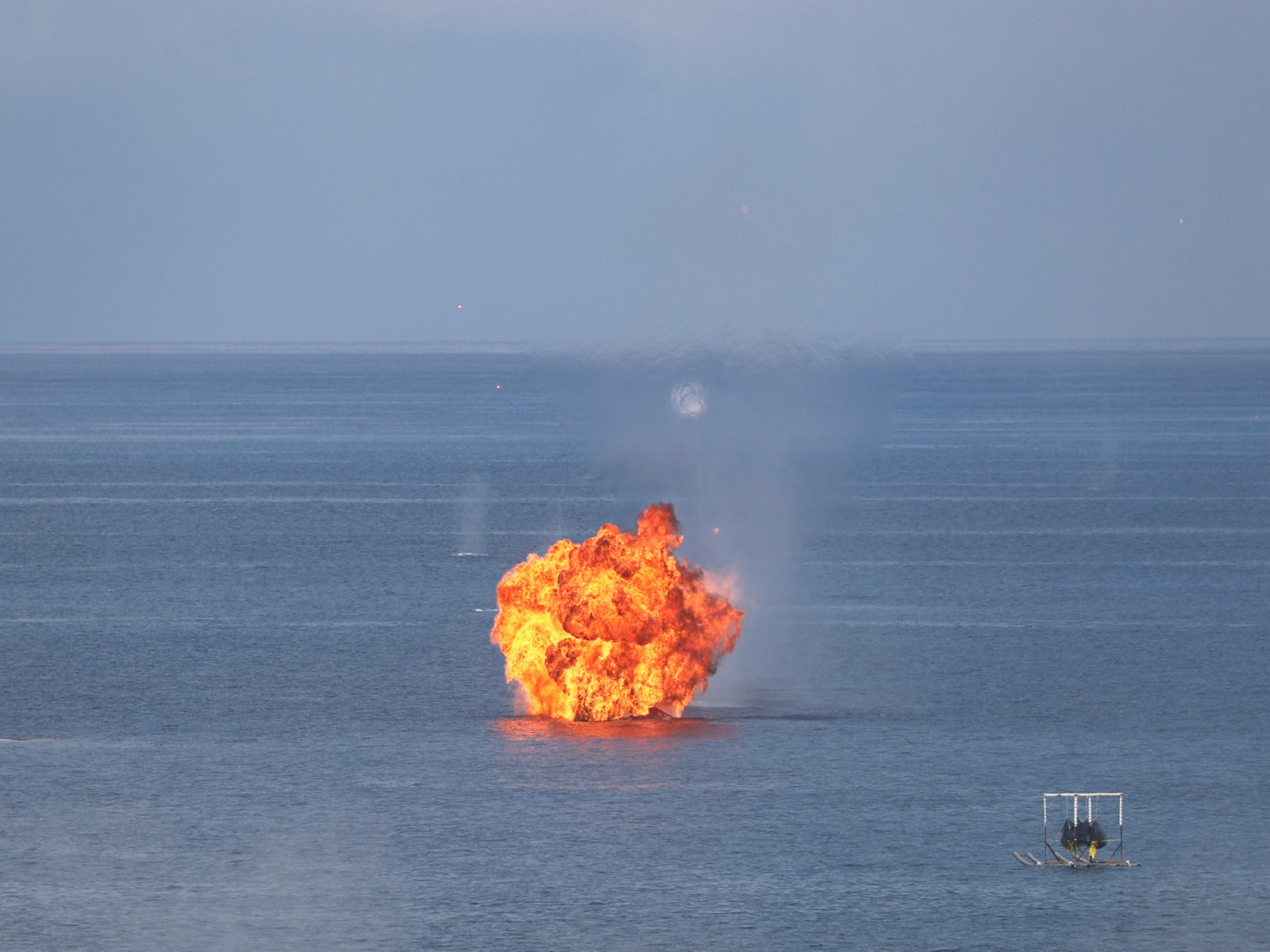
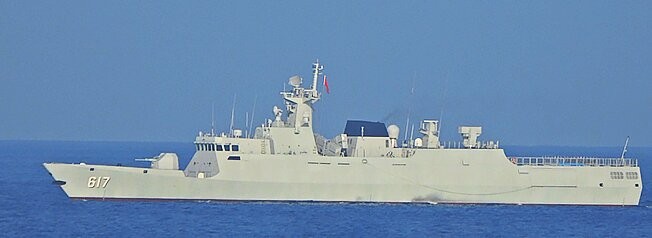
China's sustained military escalation around Taiwan represents an unprecedented supply chain threat to cross-border e-commerce sellers. As reported by the Wall Street Journal on June 19, 2026, China has established near-constant naval presence with guided-missile destroyers throughout the Taiwan Strait, transforming what were extraordinary military drills into normalized daily operations. This represents a critical geopolitical flashpoint directly impacting the world's most vital shipping corridor—approximately 50% of global container traffic transits the Taiwan Strait, making this escalation a systemic risk to e-commerce logistics networks.
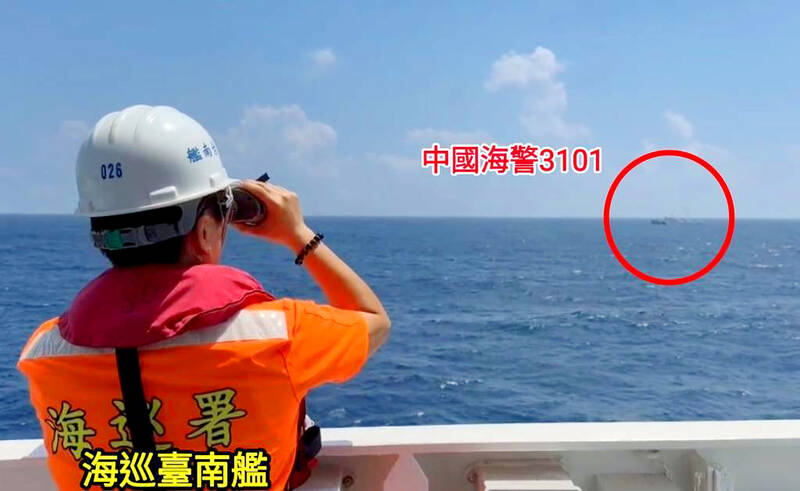
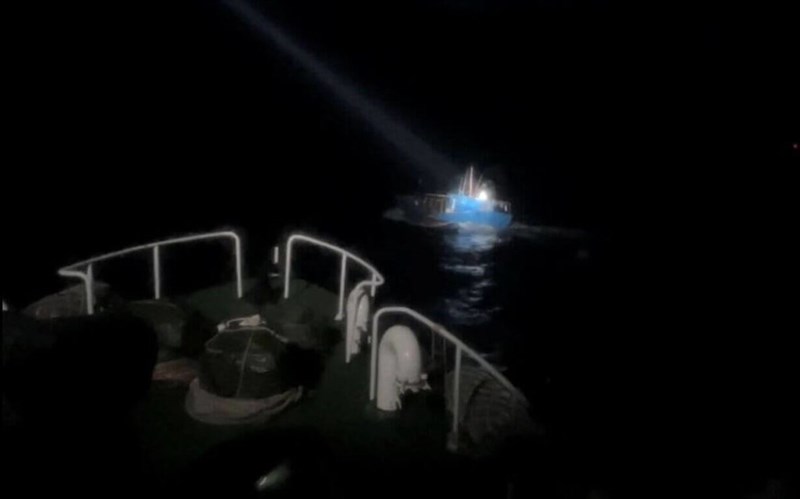
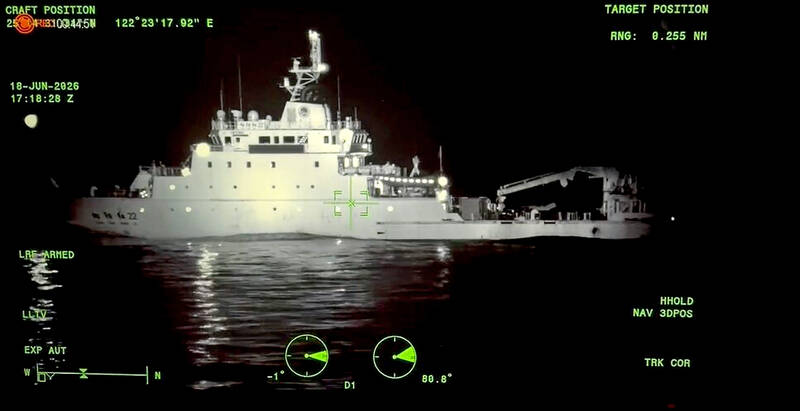
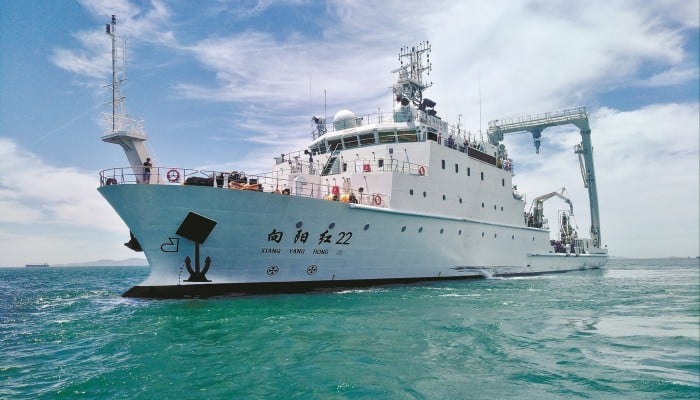
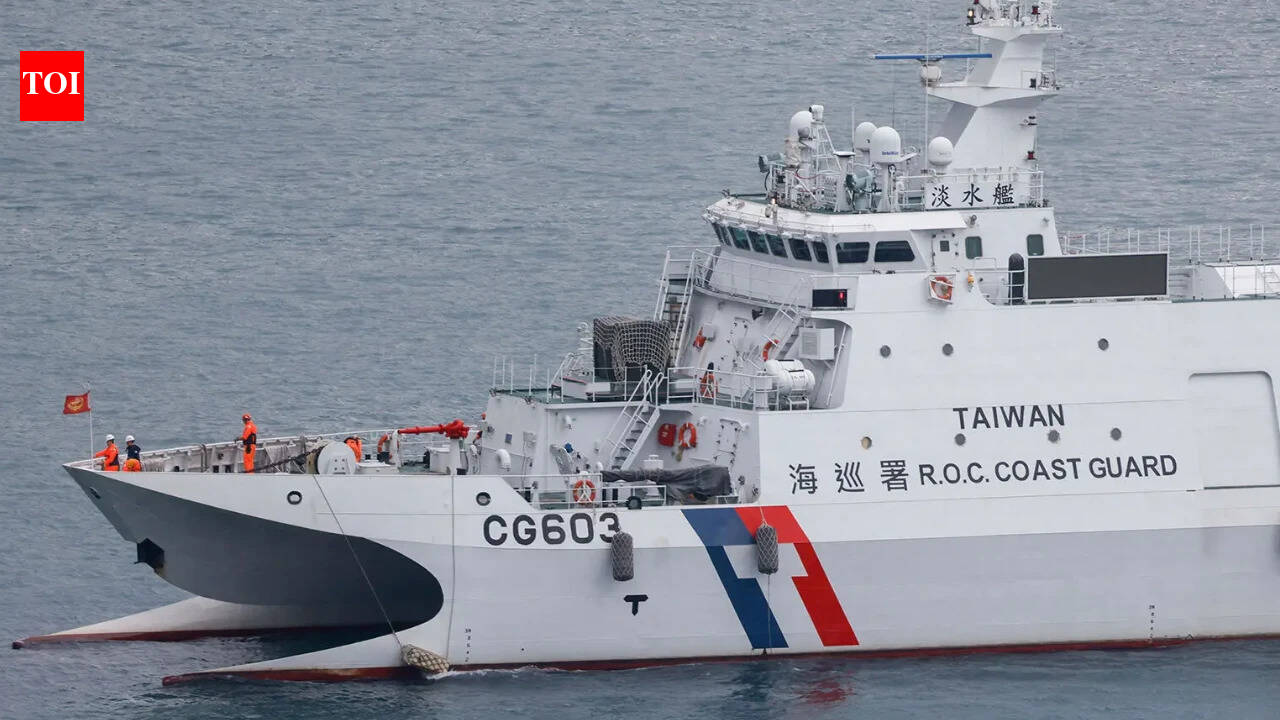
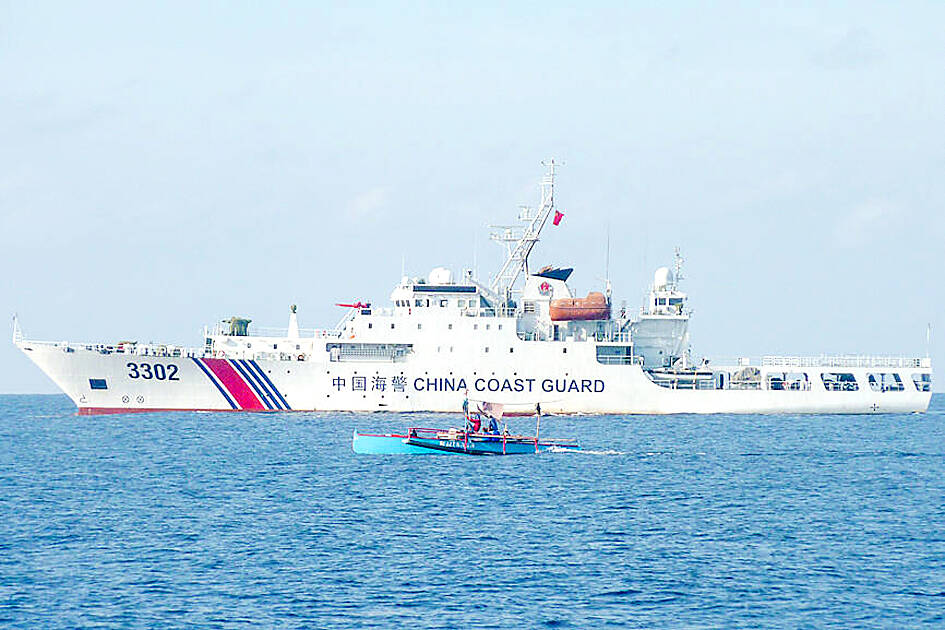
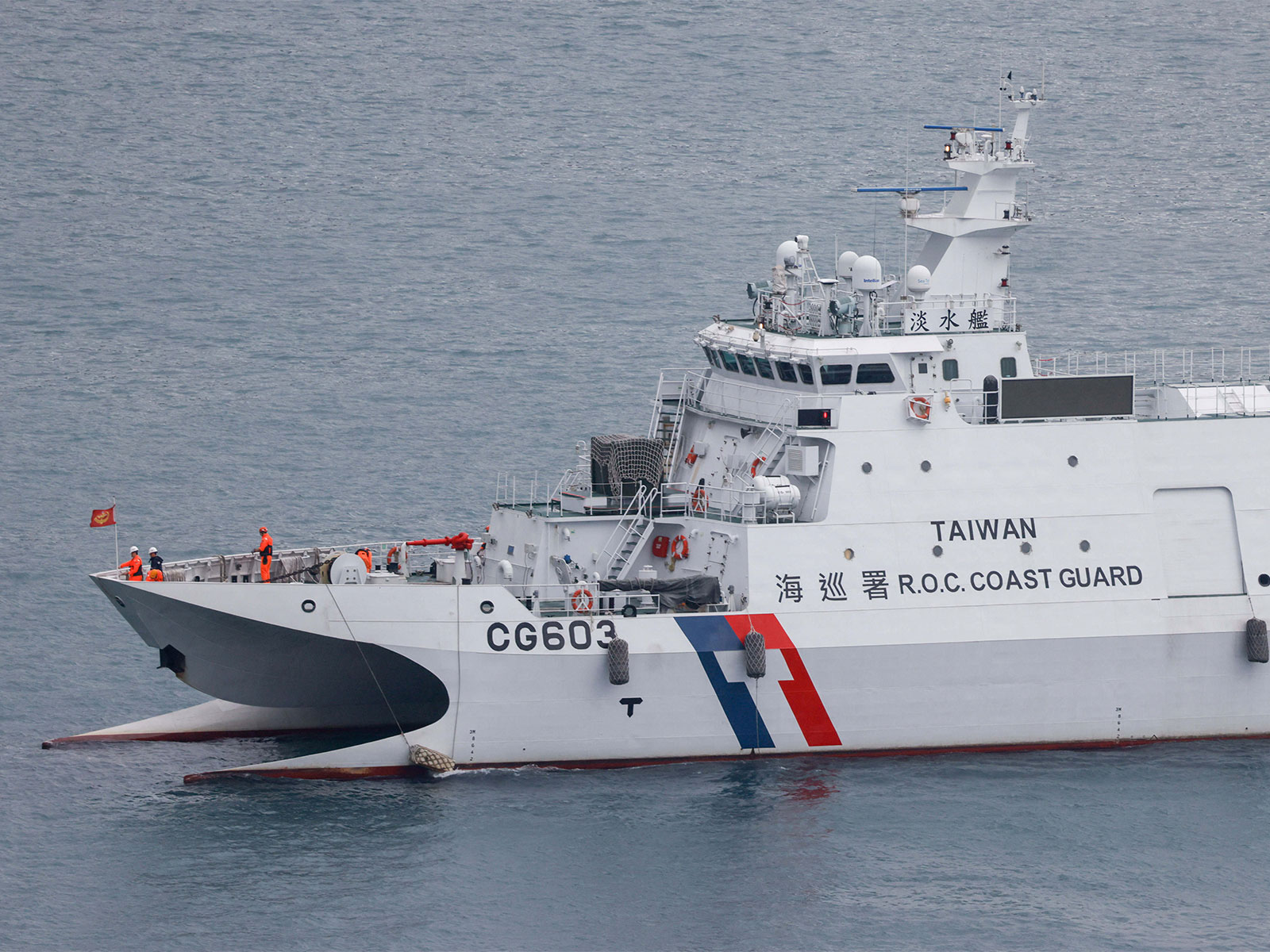
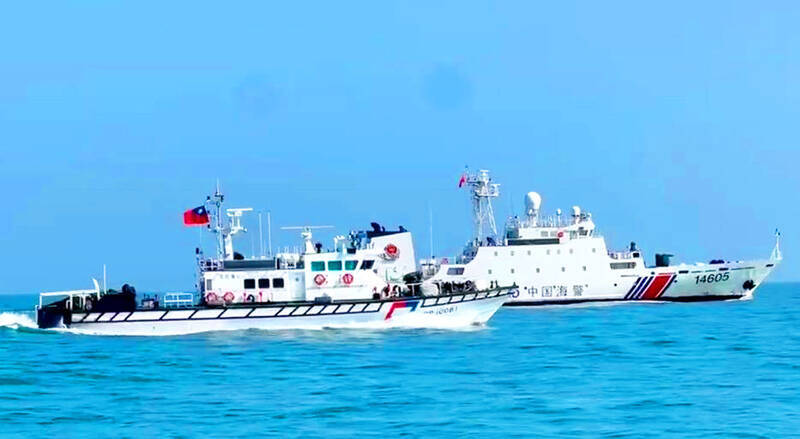
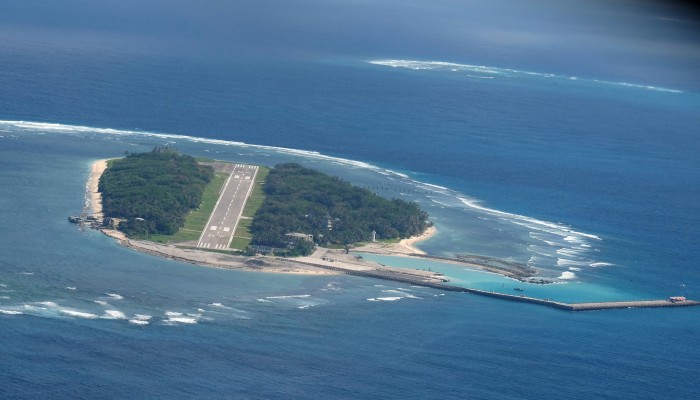
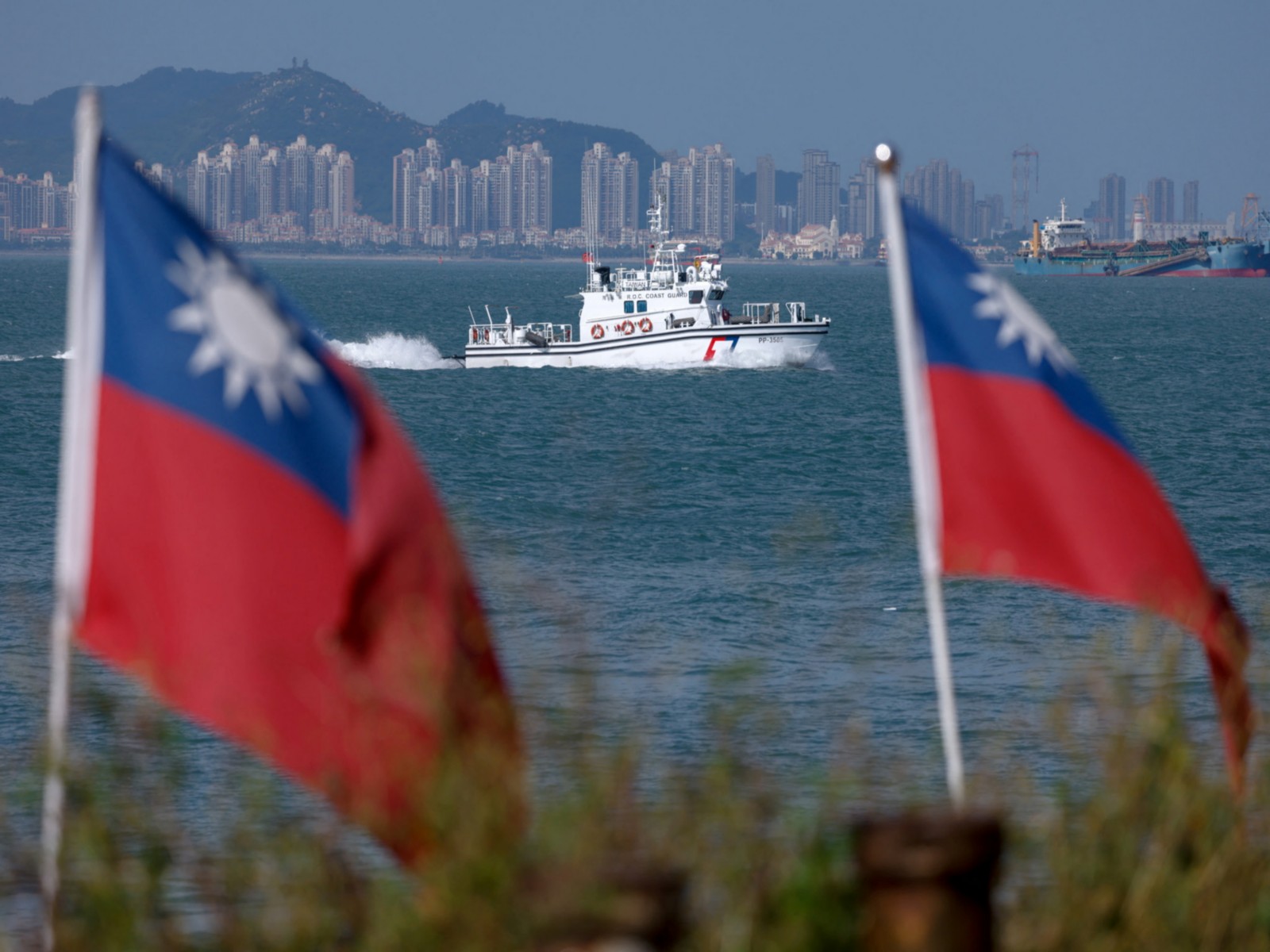
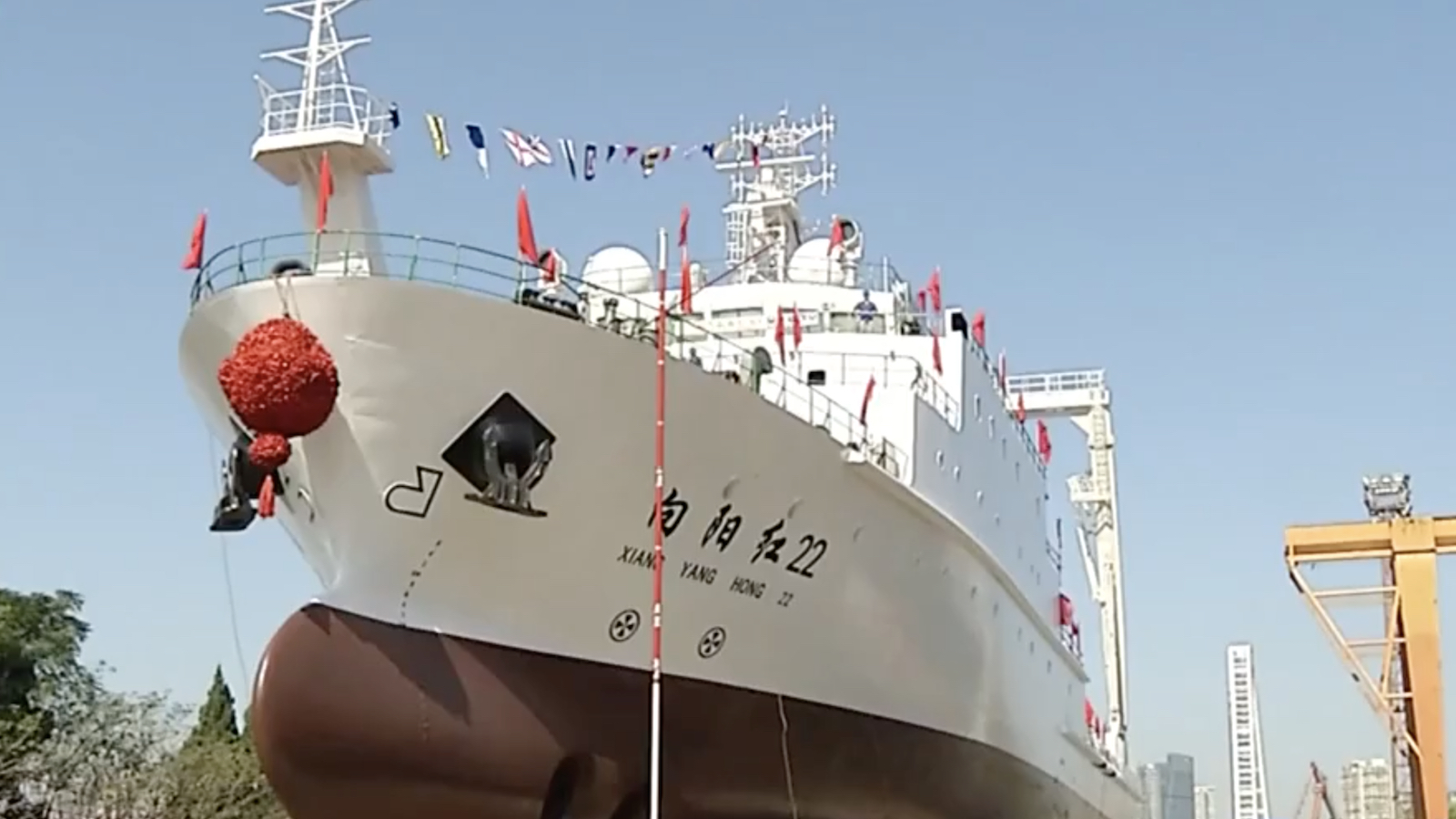
The operational impact on sellers is immediate and severe. Taiwan's Ocean Affairs Council reports unprecedented coordinated Chinese operations including coast guard patrols, research vessel incursions into restricted waters (May 7 and 14 incidents with research vessel Tongji), and the first joint coast guard-scientific vessel operations in Pratas waters. Simultaneously, China is conducting extensive seabed mapping operations using coastguard and research vessels while intercepting cargo ships—a dual-purpose military intelligence gathering campaign that signals China's willingness to assert control over maritime traffic. For sellers sourcing electronics, semiconductors, and manufactured goods from Taiwan, this creates three critical risks: (1) shipping delays of 5-15 days as vessels navigate around contested waters, (2) insurance cost increases of 15-25% for Taiwan Strait transit, and (3) potential supply interruptions if military tensions escalate beyond current posturing.
Seller segments face differentiated impacts based on sourcing geography and product category. Electronics sellers (HS codes 8471-8544) relying on Taiwan-based suppliers like TSMC, MediaTek, and Foxconn face the highest risk—Taiwan accounts for 92% of advanced semiconductor production and 60% of global electronics manufacturing. Mid-market sellers (annual revenue $500K-$5M) shipping 100-500 containers monthly through Taiwan Strait face immediate cost pressures: a single 40-foot container's insurance premium could increase from $800-1,200 to $1,200-1,800 per shipment. Small sellers (<$500K revenue) may absorb costs through margin compression (3-8% reduction), while large sellers (>$10M) can negotiate alternative routing through longer but safer corridors (Japan-Korea-Philippines route adds 4-7 days and 8-12% shipping costs). The normalization of military presence creates unpredictability that disrupts just-in-time inventory models—sellers must now maintain 20-30% safety stock buffers, increasing working capital requirements by $50K-$200K depending on category and volume.
Strategic sourcing shifts are already underway but face timing constraints. Sellers are evaluating Vietnam (electronics assembly), India (semiconductors), and Malaysia (component manufacturing) as alternatives, but diversification requires 60-90 days for supplier qualification, quality testing, and logistics network establishment. The seabed mapping campaign indicates China's long-term military preparation rather than immediate tactical action, suggesting a 3-12 month window before potential escalation to actual blockade. This creates a critical decision point: sellers must begin diversification immediately while Taiwan Strait remains passable, or risk supply chain collapse if military tensions escalate. Historical precedent from 2022 Russia-Ukraine conflict shows sellers who diversified within 30 days maintained 85-90% supply continuity, while those delaying faced 40-60% supply interruptions within 90 days.
Questions 8
How quickly can sellers diversify away from Taiwan suppliers to Vietnam or India?
Supplier diversification requires 60-90 days for qualification, quality testing, and logistics network establishment. However, the seabed mapping campaign reported by The Times indicates China's long-term military preparation rather than immediate blockade, suggesting a 3-12 month window before potential escalation. Sellers should begin diversification immediately—those who delayed during the 2022 Russia-Ukraine conflict faced 40-60% supply interruptions within 90 days, while early diversifiers maintained 85-90% continuity. Vietnam offers electronics assembly alternatives, India provides semiconductor options, and Malaysia supplies component manufacturing. The critical decision point is now: begin 60-90 day diversification process while Taiwan Strait remains passable, or risk supply collapse if military tensions escalate.
What are the specific cost impacts for small vs. large e-commerce sellers from Taiwan Strait tensions?
Small sellers (<$500K annual revenue) face 3-8% margin compression as they absorb increased insurance and shipping costs without negotiating power. A typical small seller shipping 50 containers monthly would see costs increase $15K-$25K annually. Mid-market sellers ($500K-$5M revenue) shipping 100-500 containers face insurance premium increases from $800-$1,200 to $1,200-$1,800 per 40-foot container, totaling $40K-$90K annually. Large sellers (>$10M revenue) can negotiate alternative routing or long-term supplier contracts, but must maintain 20-30% safety stock buffers, increasing working capital by $100K-$300K. The news reports indicate this is a sustained escalation, not temporary, requiring immediate cost modeling and pricing strategy adjustments.