


UK Political Turmoil Triggers Bond Market Volatility | Cross-Border Sellers Face Currency & Compliance Risks
- Political leadership uncertainty in UK creates GBP volatility and potential fiscal policy shifts affecting cross-border sellers' margins and compliance costs in EU/UK trade corridors








Overview
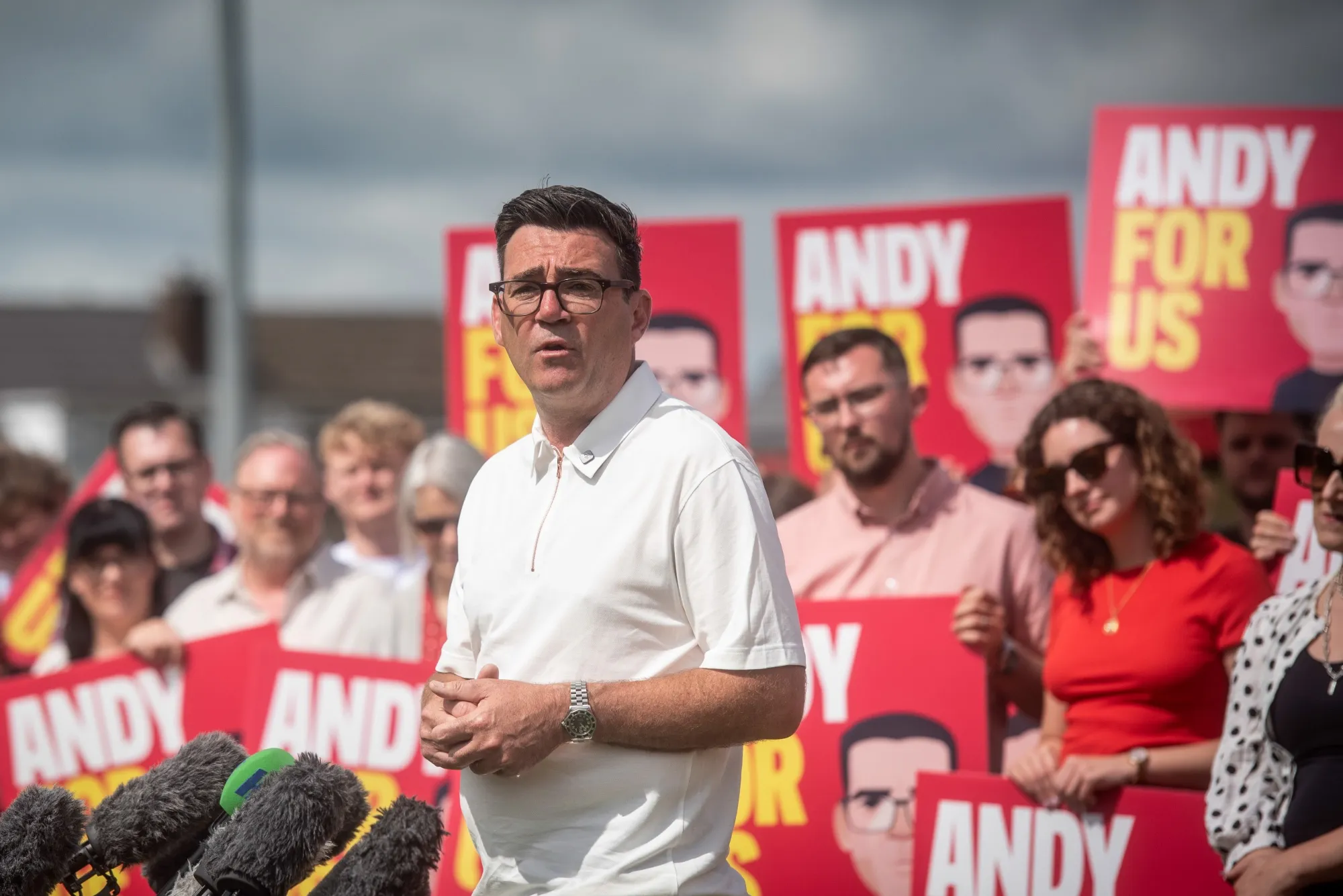
UK Prime Minister Keir Starmer faces an unprecedented political crisis following Andy Burnham's decisive victory in the Makerfield by-election on June 19, 2026, with a 10-point Labour vote share increase and 9,000-vote margin over Reform UK. This political instability has triggered immediate market consequences: UK government bonds (gilts) declined sharply as investors reassess fiscal risks, with the premium demanded to hold UK debt increasing significantly. The gilt market selloff reflects both domestic political uncertainty and broader global bond weakness, creating a holding pattern among investors awaiting clarity on potential leadership transitions and policy direction changes.
The immediate e-commerce impact centers on currency volatility and fiscal policy uncertainty affecting UK-based sellers and those trading with UK partners. GBP/USD and GBP/EUR exchange rates typically experience 2-4% swings during UK political leadership transitions, directly compressing margins for sellers with UK inventory, suppliers, or customer bases. Cross-border sellers shipping to the UK face potential changes in VAT policy, customs procedures, and trade regulations depending on which Labour leader emerges—Burnham (former Greater Manchester mayor) or potential rival Wes Streeting. The news indicates Burnham requires 81 MP nominations to trigger a leadership contest, a threshold he is expected to exceed comfortably, suggesting a contested election is likely within 4-8 weeks. Chancellor Rachel Reeves' public support for Starmer and Justice Minister Catherine Atkinson's defense of his "grit and determination" signal cabinet divisions that could affect economic policy continuity.
For sellers operating in UK/EU trade corridors, this uncertainty creates three operational risks: (1) Currency exposure: GBP volatility typically increases 40-60% during leadership crises, affecting pricing strategies for sellers with UK suppliers or customers; (2) Regulatory unpredictability: A new Labour leader could shift priorities on post-Brexit trade agreements, VAT thresholds (currently £135 for import VAT), or customs procedures affecting 3PL operations; (3) Consumer spending patterns: Political uncertainty historically reduces UK consumer confidence by 15-25%, impacting demand for discretionary categories (apparel, electronics, home goods) where UK represents 8-12% of cross-border seller revenue. The timing coincides with existing concerns about UK fiscal sustainability, suggesting potential austerity measures or tax policy changes that could affect both business costs and consumer purchasing power through 2026-2027.
Market participants are monitoring Tuesday's cabinet meeting as a critical decision point. Starmer has categorically refused to resign, telling the BBC he will "fight any challenge," but mounting pressure from multiple Labour MPs and cabinet ministers suggests a formal announcement may come within 2-4 weeks. Burnham will be formally sworn in as MP on Monday and will contest the Greater Manchester mayoral election on July 30, creating a dual timeline of political developments. Until political clarity emerges, gilt markets are expected to remain volatile and sensitive to political developments, with potential spillover effects on UK business confidence and consumer spending through Q3 2026.
Questions 7
How should sellers monitor the Makerfield by-election outcome and its market implications?
The Makerfield by-election result (Burnham's 10-point Labour vote share increase and 9,000-vote margin over Reform UK) signals strong momentum for Burnham as a potential successor to Starmer. This makes a contested Labour leadership election highly likely within 4-8 weeks. Sellers should track: (1) Official Labour party statements on leadership election timing, (2) Burnham's policy positions on trade and fiscal matters, (3) Gilt yield movements (watch for 50+ basis point increases), (4) GBP exchange rate volatility (set alerts for 2%+ daily moves). Use these signals to adjust pricing, inventory allocation, and financing strategies. A formal leadership election announcement would likely trigger immediate market repricing and policy uncertainty.
What product categories should sellers prioritize during UK political uncertainty?
During political crises, UK consumer spending shifts toward essential and defensive categories: health/wellness products, home improvement supplies, and budget-friendly apparel show 5-15% demand increases, while luxury goods, electronics, and fashion discretionary items decline 10-25%. Sellers should increase inventory allocation to: (1) Health & beauty essentials, (2) Home improvement and DIY products, (3) Budget-friendly apparel and basics, (4) Food and grocery items. Reduce exposure to high-ticket electronics, luxury goods, and seasonal fashion items. This reallocation should occur within 2-3 weeks before potential demand shifts accelerate post-leadership announcement.