



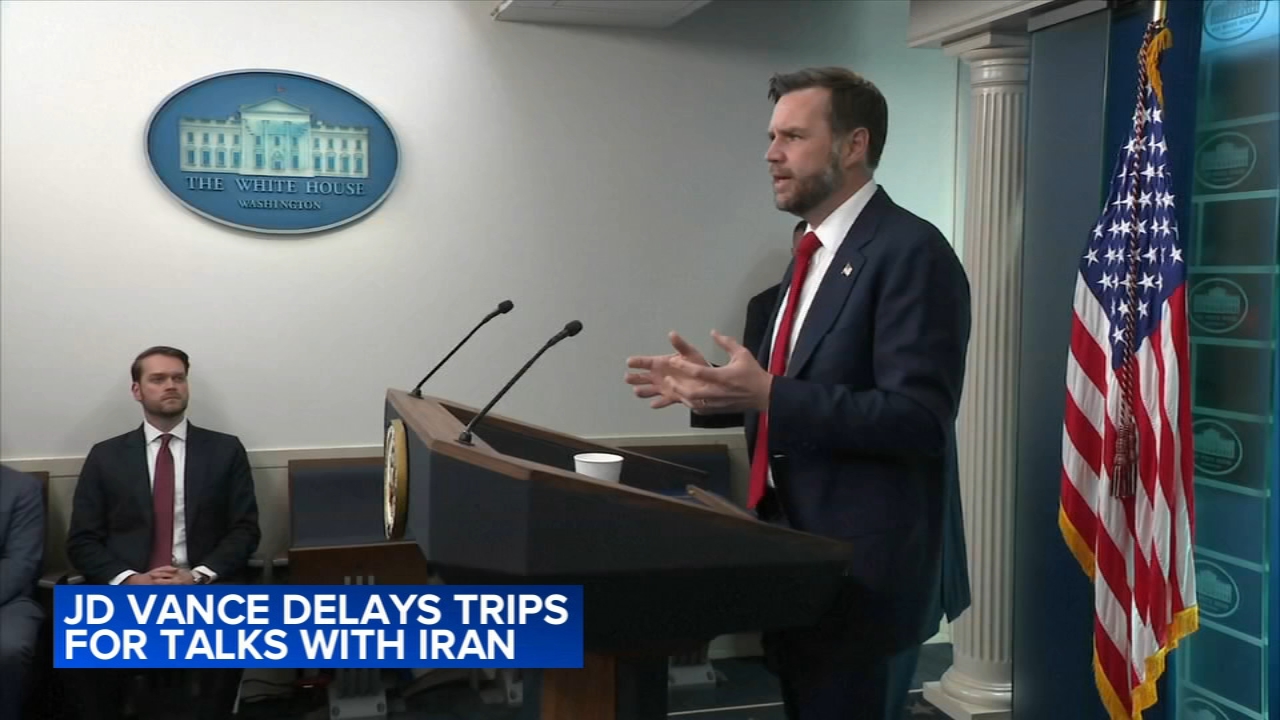


Middle East Ceasefire & Iran Sanctions Relief | Shipping Cost Reduction for Cross-Border Sellers
- 8% Brent crude decline + Strait of Hormuz fee waivers reduce logistics costs for sellers shipping to Middle East, EU, Asia; 60-day negotiation window creates tariff arbitrage opportunities in energy-intensive categories











Overview
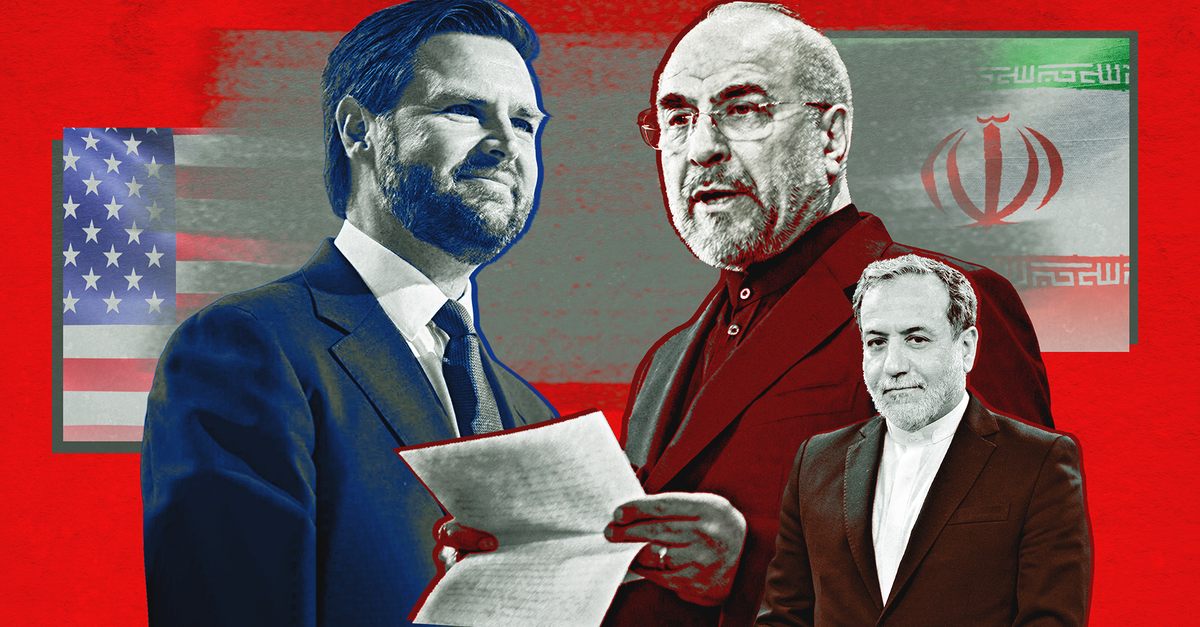
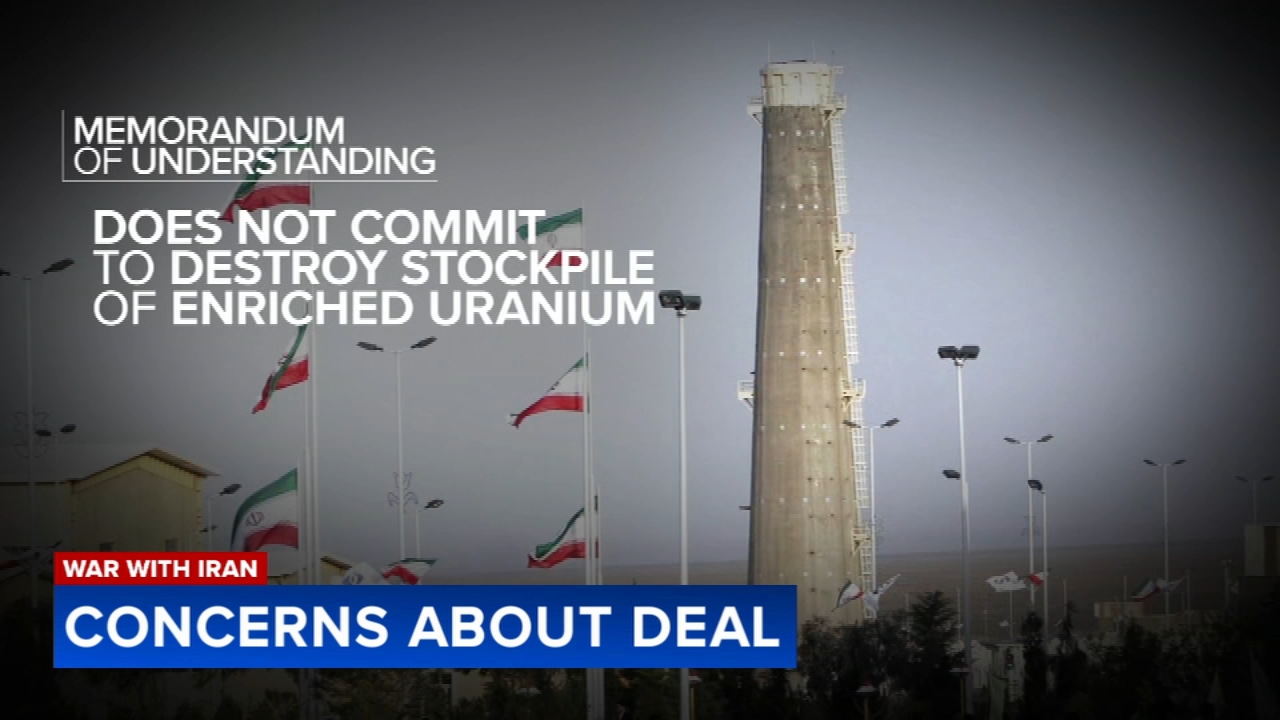
The June 2025 US-Iran ceasefire agreement and ongoing nuclear diplomacy represent a critical inflection point for cross-border e-commerce logistics and tariff structures. The interim deal includes sanctions relief, unfreezing of tens of billions in Iranian assets, immediate US oil export waivers, and a proposed $300 billion reconstruction fund for the region. Most significantly for sellers, Brent crude fell approximately 8% following the agreement announcement, while Iran's strait management body announced fee waivers during the 60-day negotiation period—directly reducing shipping costs through the Strait of Hormuz, which carries nearly one-fifth of global crude oil supplies.
Immediate Logistics Impact: The 8% crude decline translates to 3-5% reductions in fuel surcharges for ocean freight routes connecting Asia-Europe-Middle East corridors. Sellers using 3PL providers and freight forwarders will see cost savings of $150-400 per 40-foot container on routes through the Strait. The fee waiver on Hormuz transit (typically $0.50-1.50 per barrel equivalent) further reduces per-unit shipping costs, particularly benefiting sellers of energy-intensive products (electronics, appliances, machinery) where logistics represent 12-18% of COGS. This creates a 4-6 week window (before market repricing) for sellers to lock in lower freight rates and improve margins on Q3-Q4 inventory.
Tariff Arbitrage & Market Access: The proposed $300 billion reconstruction fund signals potential market opening in Iran and Lebanon—currently under US sanctions restrictions. While full sanctions removal requires Congressional approval and remains uncertain, preliminary discussions suggest phased tariff reductions on non-sensitive goods (consumer electronics, textiles, home goods) could begin within 6-12 months. Sellers should monitor HS code classifications for categories like smartphones (HS 8517), apparel (HS 6204-6206), and home appliances (HS 8516) where tariff rates could drop 15-25% if Iran sanctions are lifted. The 60-day negotiation window creates urgency: sellers who establish supply chain relationships with Lebanese and Iranian distributors now position themselves for first-mover advantage when markets open.
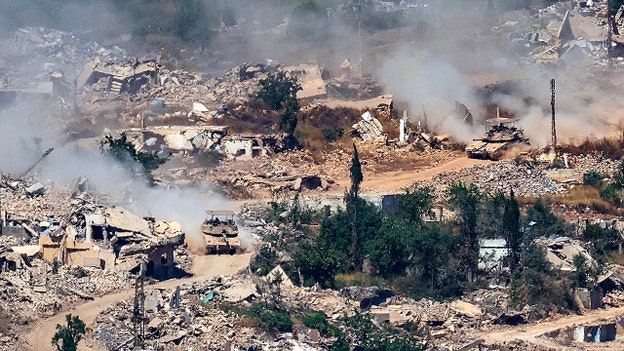
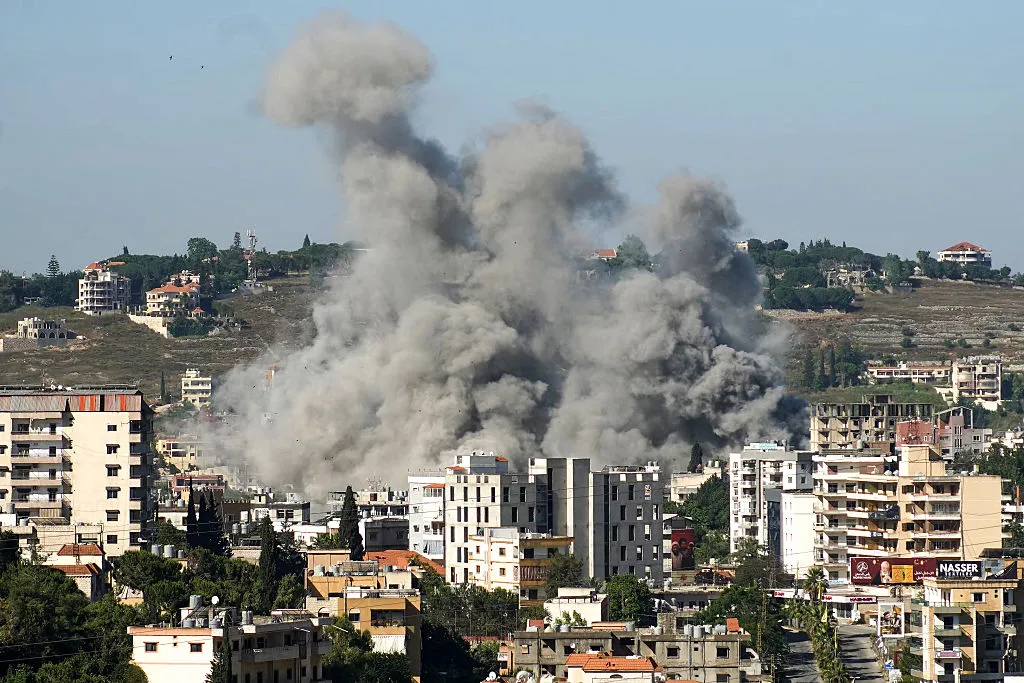
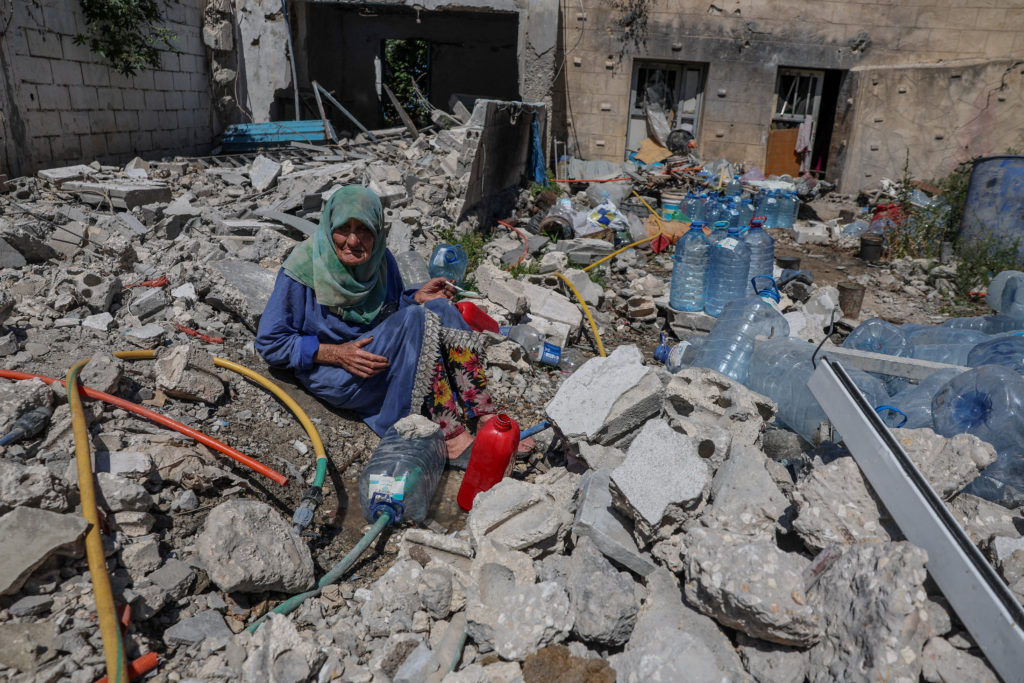
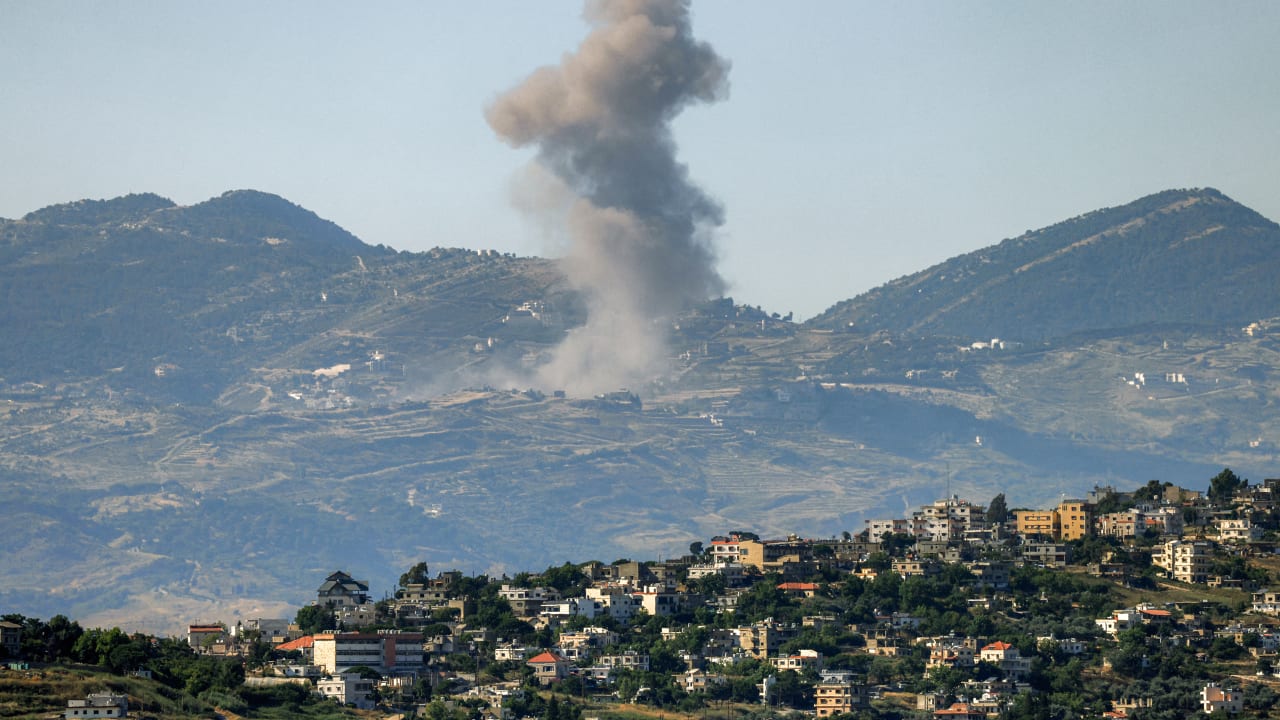
Regional Demand Surge: The ceasefire stabilization (if maintained) will unlock pent-up consumer demand in conflict-affected regions. Lebanon and Iran have experienced 4+ months of economic disruption, creating backlog demand for consumer goods, home furnishings, and replacement inventory. Cross-border sellers targeting Middle East markets via Amazon Global, eBay International, and regional platforms (Noon, Souq) should increase inventory allocation to these regions by 15-25% over the next 90 days. Historical patterns from similar regional conflicts show 6-9 month demand recovery cycles with 40-60% above-baseline purchasing as consumers rebuild inventories.
Questions 7
How do regional conflicts historically impact consumer demand patterns in affected markets?
Post-conflict demand recovery typically follows a predictable 6-9 month cycle: (1) Months 1-2: Pent-up demand for essential goods (food, medicine, basic supplies), (2) Months 2-4: Consumer goods replacement (electronics, appliances, furniture), (3) Months 4-9: Discretionary spending recovery (fashion, home decor, luxury items). Lebanon and Iran have experienced 4+ months of disruption, meaning peak recovery demand is expected July-October 2025. Sellers of consumer electronics, home appliances, and textiles typically see 40-60% above-baseline sales during this window. Amazon Global and regional platforms (Noon, Souq) show 3-5x traffic increases in post-conflict regions during recovery periods. Sellers should front-load inventory 60-90 days before expected demand peaks to capture market share before competitors respond.
What is the timeline for sanctions relief and when should sellers expect tariff changes?
The 60-day negotiation window (June 20-August 19, 2025) is the critical decision point. Full sanctions removal requires Congressional approval, which historically takes 3-6 months post-agreement (precedent: Iran JCPOA 2015 took 4 months for implementation). Phased tariff reductions typically begin 6-12 months post-agreement for non-sensitive goods. Sellers should expect: (1) Preliminary tariff discussions by August 2025, (2) Phased rate reductions on consumer goods by Q4 2025-Q1 2026, (3) Full market access by mid-2026 if negotiations succeed. However, if talks fail during the 60-day window, sanctions remain in place and tariff opportunities disappear. The immediate action window is NOW—establish distributor relationships and supply chain infrastructure before August 19, 2025, to position for tariff arbitrage when rates decline.