





US-Iran Ceasefire Deal & Strait of Hormuz Shipping | Critical 60-Day Window for Middle East Sellers
- Eliminates Hormuz passage fees for 60 days; creates urgent sourcing/logistics opportunities for sellers shipping to/from Iran, Gulf states; Lebanon supply chain disruption risk remains high despite ceasefire fragility






Overview
The newly signed US-Iran Memorandum of Understanding (MoU) represents a critical geopolitical shift with direct implications for cross-border e-commerce sellers operating in the Middle East and shipping through the Strait of Hormuz. Iran's deputy foreign minister Saeed Khatibzadeh confirmed Friday that Tehran will not impose passage fees during a 60-day agreement period, with navigation services continuing under coordination with Oman per international law. This creates an immediate 60-day window (from announcement date) where shipping costs to/from Iran and Gulf markets may decline significantly—a rare opportunity for sellers to arbitrage logistics costs before a new management mechanism is introduced.
Immediate Shipping Cost Arbitrage: The elimination of Iranian passage fees through the Strait of Hormuz—one of the world's most critical shipping chokepoints handling 21% of global petroleum trade—directly reduces logistics costs for sellers shipping electronics, machinery, textiles, and consumer goods to Iranian and Gulf markets. Sellers currently routing shipments through alternative corridors (Red Sea, longer routes) can revert to direct Hormuz passages, potentially saving 8-15% on freight costs during this 60-day window. This is particularly valuable for sellers with inventory destined for Iran's $400B+ e-commerce market, which has been largely inaccessible due to US sanctions and shipping restrictions.
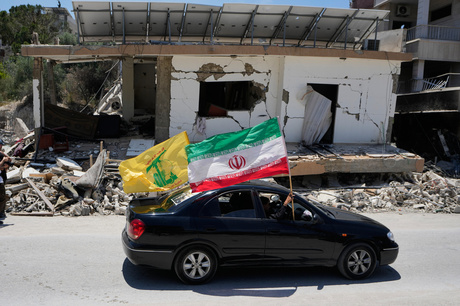
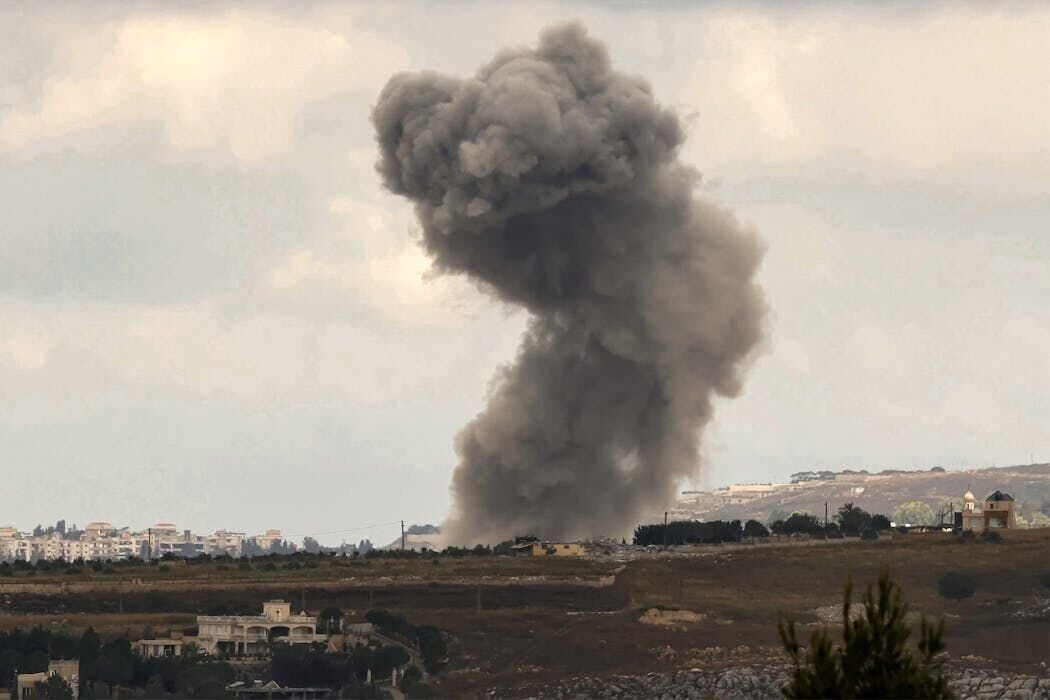
Lebanon Supply Chain Risk Remains Critical: Despite the ceasefire announcement, Lebanon's weak institutional capacity creates ongoing uncertainty for sellers. The New York Times analysis confirms Lebanon cannot reliably implement or monitor compliance with ceasefire agreements, with Hezbollah rejecting the ceasefire as "meaningless" while Israeli forces remain on Lebanese territory. This means port operations in Beirut and Tripoli remain unpredictable—customs clearance delays, payment processing disruptions, and regulatory enforcement gaps persist. Sellers with inventory in Lebanese warehouses or shipping through Lebanese ports face 2-4 week delays and potential loss of goods due to continued military operations (47+ deaths reported since Friday). The fragility of the ceasefire (Israeli attacks continued in Barish village despite the agreement) suggests this risk window could extend 3-6 months.
Strategic Sourcing Shift Opportunity: The MoU's inclusion of frozen Iranian asset releases signals potential normalization of Iran's financial system and trade access. Sellers currently sourcing from Vietnam, India, or Turkey for categories traditionally supplied by Iran (textiles, petrochemicals, minerals) should monitor the 60-day negotiation period. If the agreement holds and sanctions ease, Iran could re-enter as a competitive sourcing destination, potentially reducing COGS by 12-20% for specific categories. However, this remains contingent on US compliance—the agreement explicitly requires Washington's commitment, and any escalation (like continued Israeli operations in Lebanon) could trigger Iranian withdrawal.
Questions 7
Could Iran re-enter as a sourcing destination after this agreement?
Yes, if the MoU holds and frozen Iranian assets are released, Iran could become a competitive sourcing destination within 3-6 months. The agreement explicitly includes asset release provisions, signaling potential normalization of Iran's financial system and trade access. Sellers currently sourcing textiles, petrochemicals, minerals, and machinery from Vietnam, India, or Turkey could reduce COGS by 12-20% by shifting to Iranian suppliers. However, this is contingent on US compliance and no escalation in regional conflicts. Monitor the 60-day negotiation period closely: any Israeli-Hezbollah escalation could trigger Iranian withdrawal, making this sourcing shift impossible. Recommend establishing preliminary supplier contacts in Iran now to position for rapid sourcing shifts if the agreement holds.
What happens to Hormuz passage fees after the 60-day period ends?
After 60 days, Iran will introduce a new management mechanism for Hormuz navigation services, with fees to be determined through regional consultation. Khatibzadeh confirmed this explicitly, indicating the fee-free period is temporary. Sellers should expect passage fees to resume, potentially at higher rates than pre-agreement levels if Iran uses this as leverage for future negotiations. The new mechanism's structure and fee levels remain unknown, creating uncertainty for long-term shipping planning. Sellers should lock in 60-day shipping contracts now and prepare contingency logistics plans (alternative routes, 3PL partnerships) for post-agreement operations. Budget for 5-12% increase in Hormuz shipping costs starting day 61 of the agreement.