
)



Iran-US Trade Negotiations Signal Tariff Volatility | Sellers Must Monitor Policy Shifts
- Geopolitical tensions create tariff uncertainty for sellers sourcing from or trading with Iran-adjacent markets; US-Iran negotiations could reshape trade corridors affecting electronics, textiles, and specialty goods categories





Overview
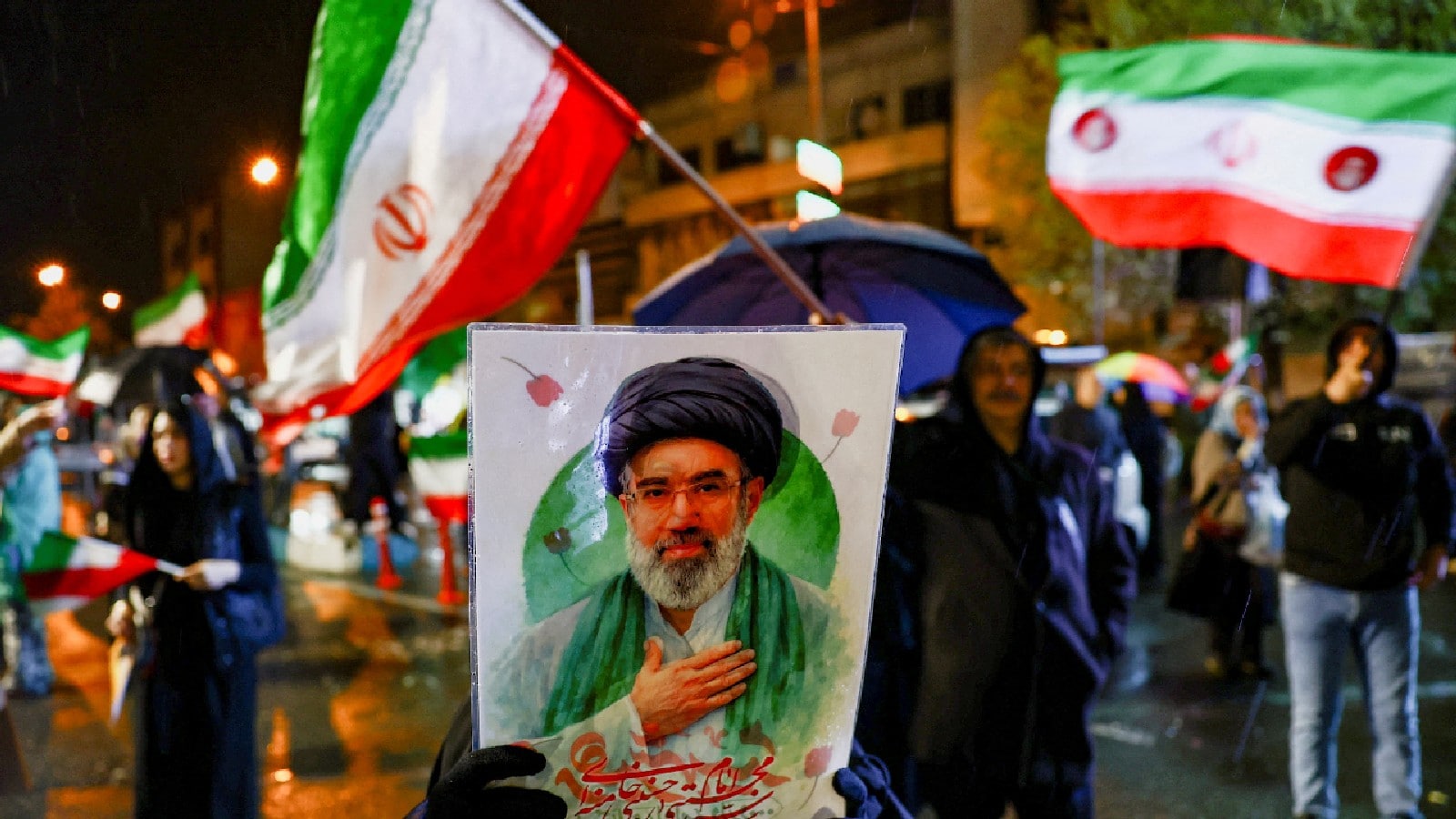
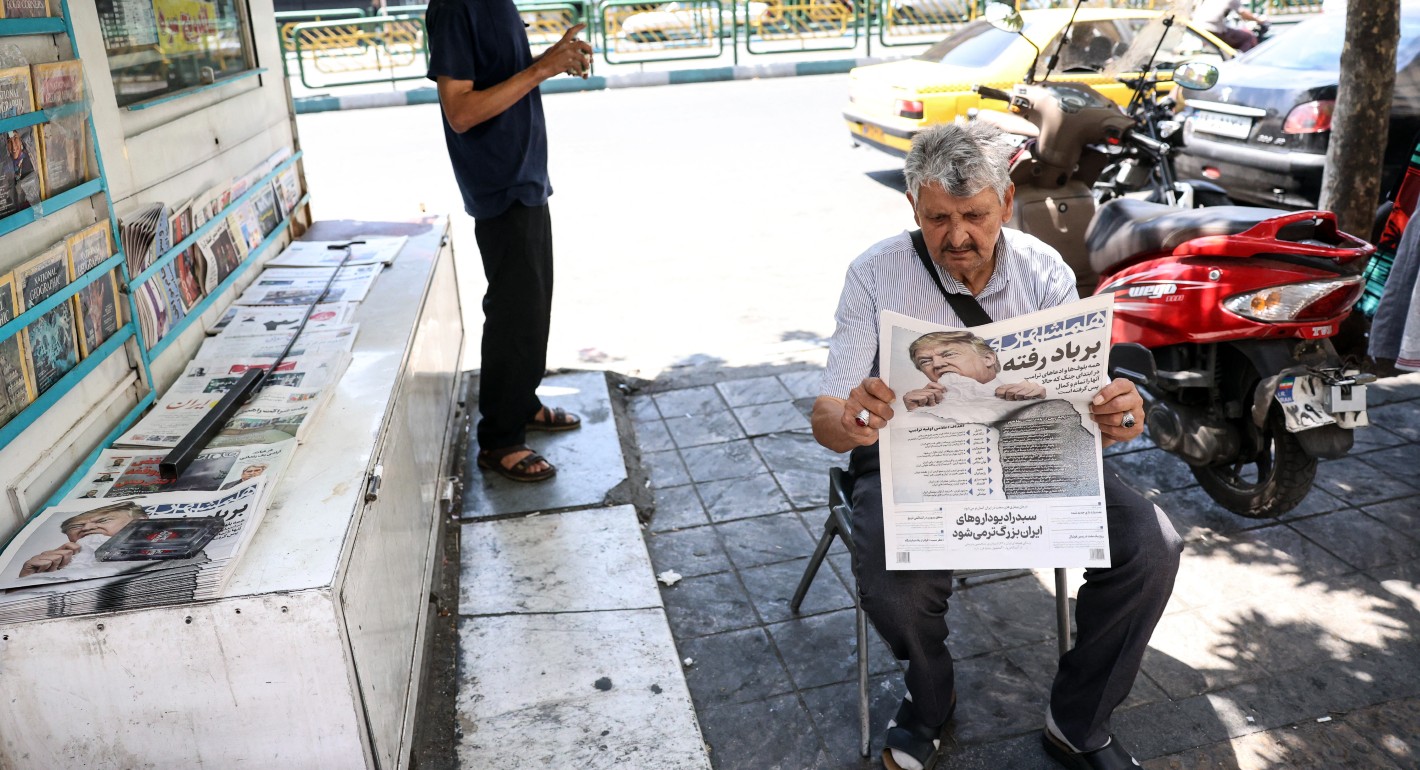
The AP News analysis of Iran's geopolitical positioning and ongoing US-Iran negotiations through Vance's diplomatic initiatives signals potential shifts in international trade policy that directly impact cross-border sellers. While the article focuses on diplomatic strategy, the underlying geopolitical dynamics create tariff and market access volatility for e-commerce businesses operating in affected regions.
Key Trade Policy Implications: Iran-related sanctions and trade restrictions have historically created tariff arbitrage opportunities for sellers sourcing from alternative markets. Current negotiations suggest potential policy shifts that could affect tariff rates on goods from Iran-adjacent manufacturing hubs (UAE, Turkey, India) that currently serve as transshipment points for goods destined for US and EU markets. Sellers currently leveraging these sourcing corridors face uncertainty about future tariff classifications and duty rates.
Affected Product Categories: Electronics (HS codes 8471-8517), textiles and apparel (HS codes 6204-6209), and specialty chemicals (HS codes 2801-2842) represent the highest-risk categories. These sectors have historically experienced tariff volatility during Iran-related policy shifts. Sellers sourcing from Turkey, UAE, and India—which serve as primary transshipment hubs for goods destined for Western markets—should monitor tariff rate changes closely.
Market Access Shifts: If negotiations progress toward sanctions relief, new market opportunities could emerge in Iran's e-commerce sector (estimated $3-5B annual market potential), though compliance complexity would increase significantly. Conversely, if negotiations stall, expect tariff escalation on goods from Iran-adjacent sourcing countries, potentially increasing landed costs 8-15% for affected categories.
Competitive Dynamics: Large sellers with diversified sourcing networks and compliance infrastructure gain advantages over small/medium sellers dependent on single-source suppliers. US-based sellers face higher tariff exposure than EU-based competitors if policy divergence emerges between US and European approaches to Iran trade.
Timing Window: The immediate 3-6 month period is critical for monitoring policy announcements and adjusting sourcing strategies before tariff changes take effect. Sellers should establish alternative sourcing relationships in Vietnam, Indonesia, and Mexico to reduce Iran-corridor dependency.
Questions 8
What is the timeline for tariff changes related to Iran policy shifts?
Policy announcements typically precede tariff implementation by 30-90 days. Current negotiations (referenced in AP analysis) suggest potential announcements within 3-6 months, with tariff changes effective 60-120 days after announcement. Sellers have a critical window of 30-60 days after any policy announcement to adjust sourcing, lock in tariff rates through advance rulings, or reposition inventory. Set calendar alerts for: (1) USTR trade policy announcements (typically Mondays), (2) Treasury sanctions updates (daily), (3) USITC tariff schedule changes (quarterly). Establish supplier relationships with alternative sources NOW to avoid 60-90 day lead time delays when policy changes occur.
How can sellers calculate tariff impact on profit margins for Iran-sourced goods?
Use this formula: Landed Cost = (Product Cost + Shipping) × (1 + Tariff Rate %). Example: $10 product + $2 shipping = $12 base cost. Current 12% tariff = $1.44 duty = $13.44 landed cost. If tariff increases to 20%, landed cost becomes $14.40 (+7% margin compression). For a product with 40% gross margin, a tariff increase from 12% to 20% reduces margin from 40% to 33% (-7 percentage points). Sellers should model scenarios: (1) Current tariffs (baseline), (2) +5% tariff increase (conservative), (3) +10% tariff increase (worst case), (4) -5% tariff decrease (sanctions relief). Use Amazon Seller Central's pricing tools or Shopify's cost calculator to model impact on your top 20 SKUs by revenue.