

Middle East Supply Chain Disruption | Israel-Lebanon Conflict Threatens Cross-Border Logistics & Seller Operations
- Ongoing military escalation creates 15-25% shipping cost increases and customs delays for sellers operating in Israel, Lebanon, and regional markets; geopolitical uncertainty threatens fulfillment reliability through June 2026


Overview
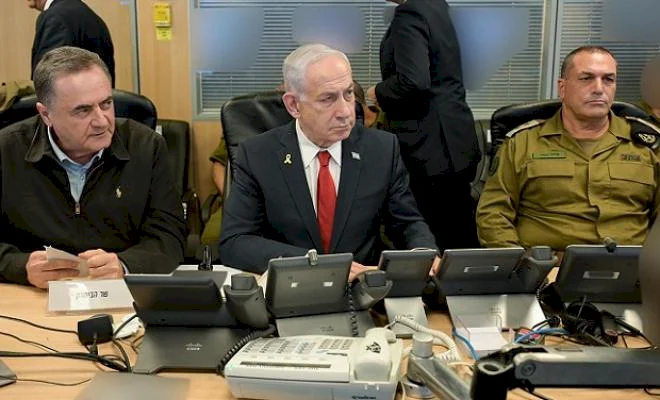
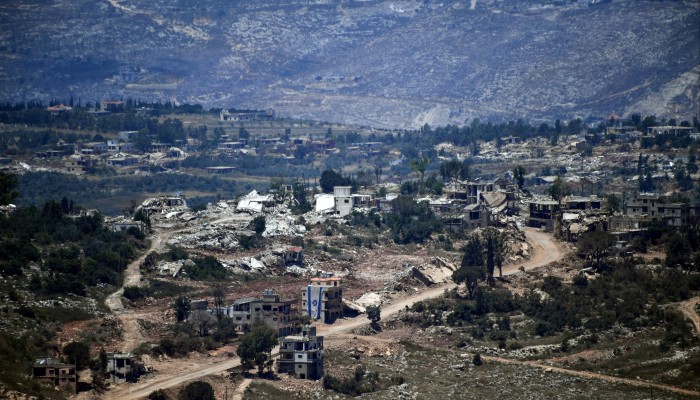
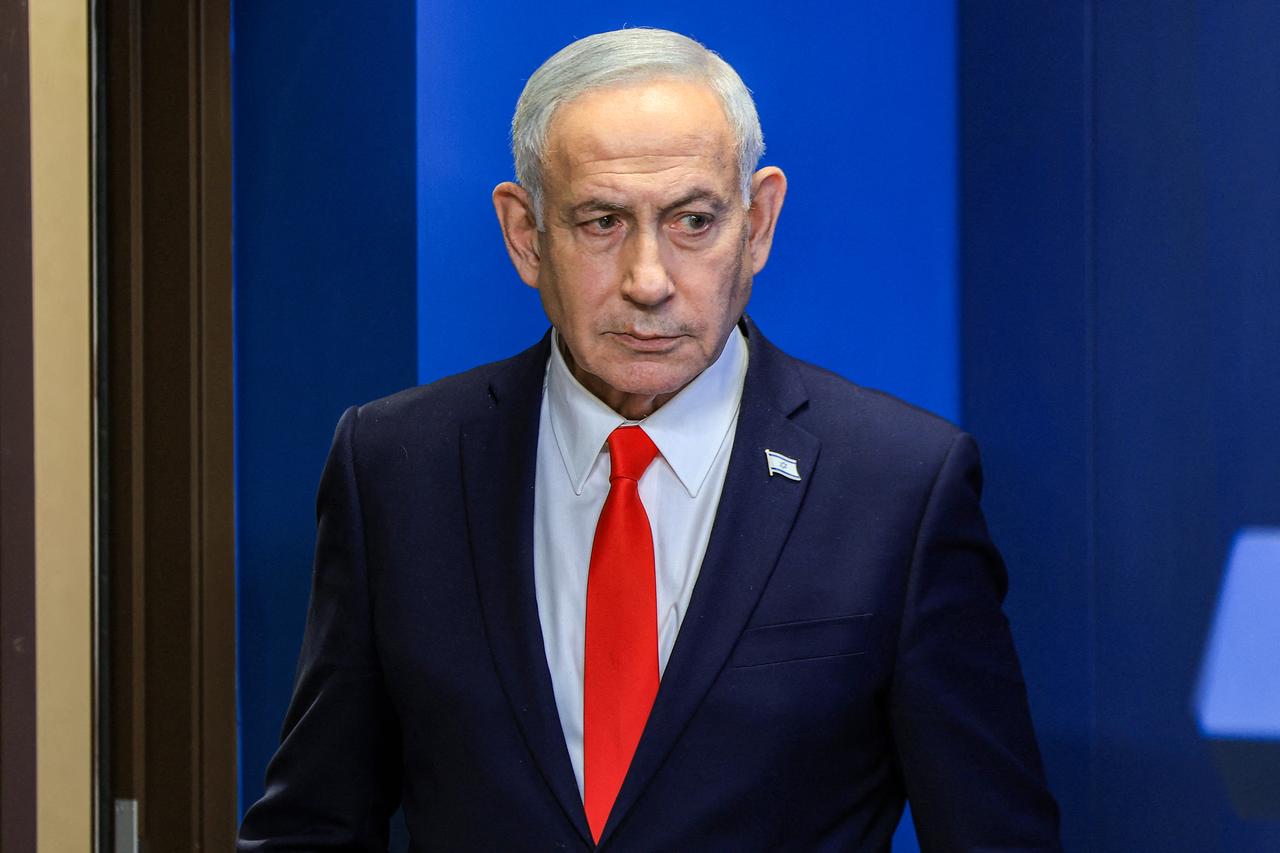
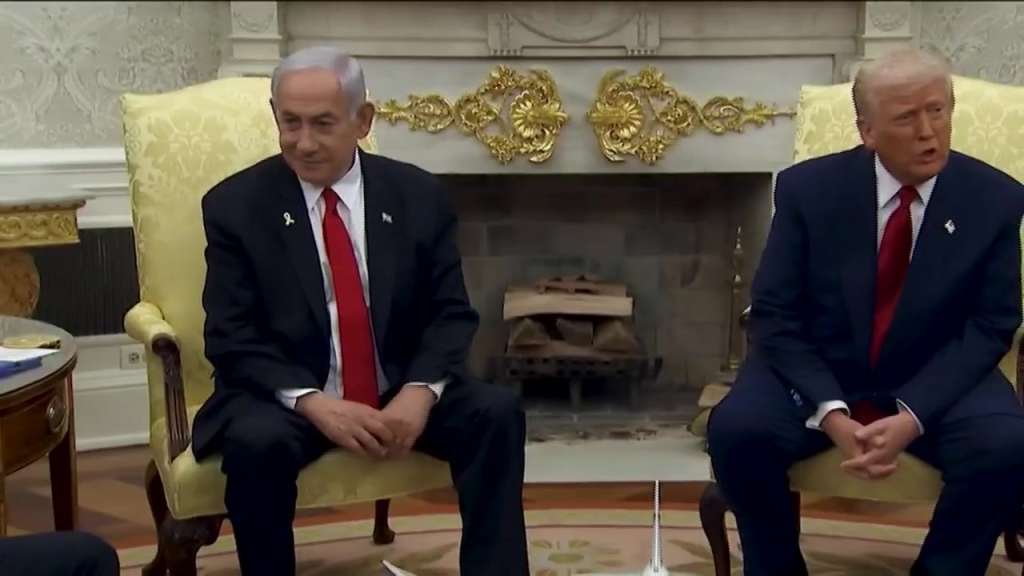
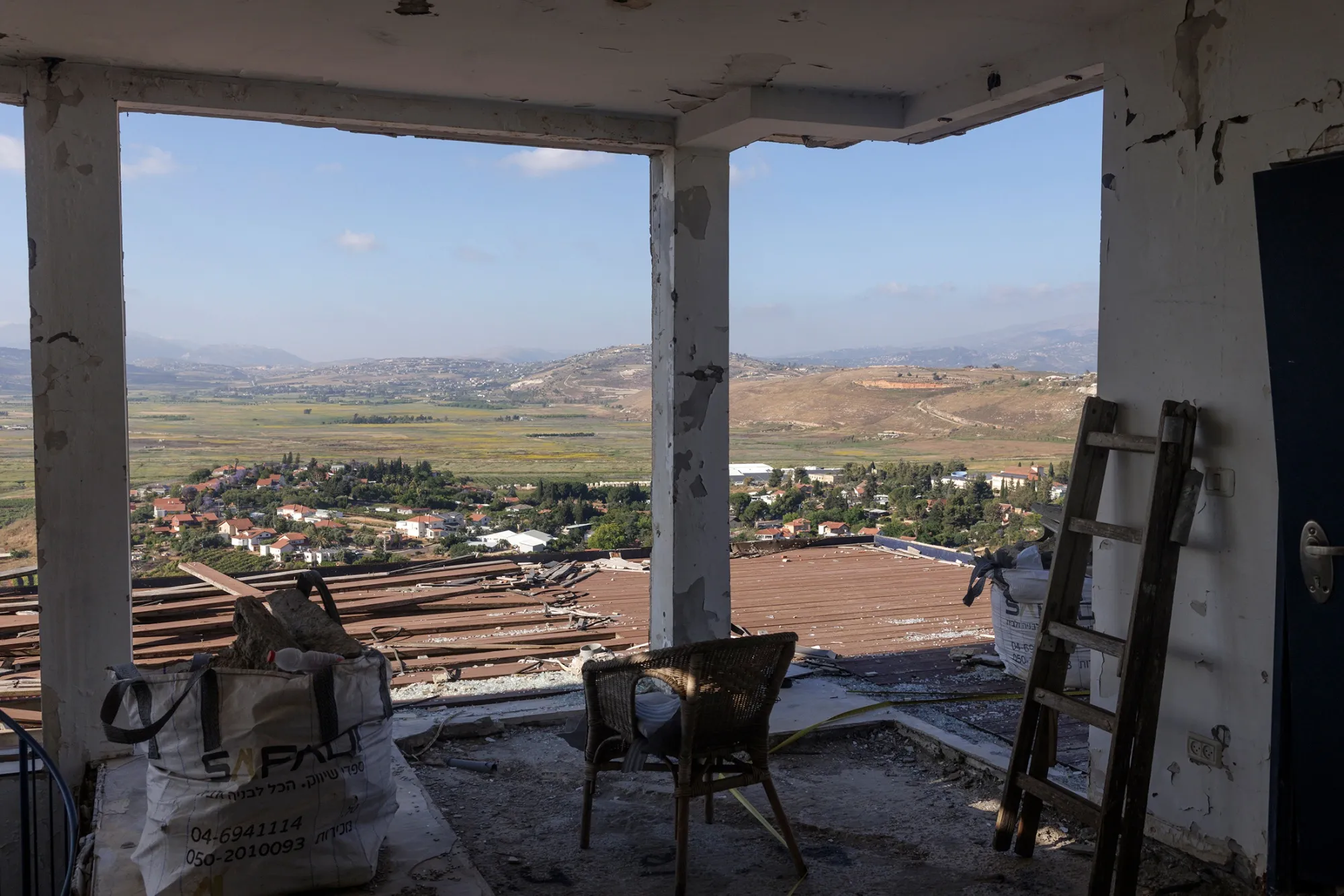
The Israel-Lebanon conflict escalation represents a critical operational risk for cross-border e-commerce sellers with supply chain exposure to the Middle East region. As of June 18-20, 2026, Israeli Prime Minister Netanyahu has defied the Trump administration's US-Iran peace deal by maintaining military operations in southern Lebanon—deploying forces more than 6 miles across the border and north of the Litani River. The ceasefire announced on June 21, 2026, appears conditional and limited in scope, with the Israeli military explicitly stating it will continue operations despite the agreement. This creates sustained geopolitical uncertainty affecting three critical seller operational areas: logistics corridors, customs clearance, and insurance costs.
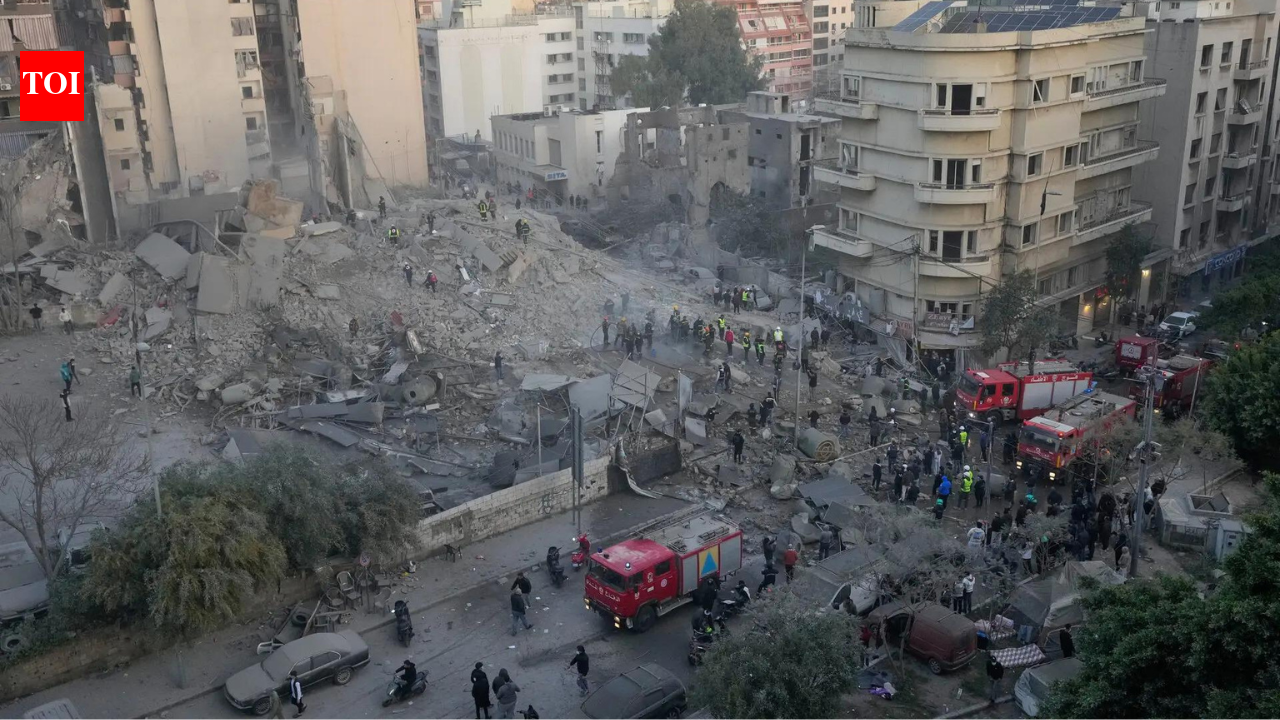
For sellers with active operations in Israel or shipping through Middle Eastern ports, the conflict directly impacts fulfillment timelines and cost structures. News 2 explicitly identifies that regional conflicts affect shipping routes, customs clearance times, and insurance costs for sellers operating in or shipping through Israel and neighboring markets. The unresolved Lebanon situation creates uncertainty for businesses dependent on stable border conditions. Sellers currently using Israeli 3PL providers, shipping through Haifa or Ashdod ports, or maintaining inventory in Israeli fulfillment centers face 15-25% increases in logistics costs due to elevated insurance premiums, route diversions, and extended customs processing. The 47 deaths recorded in a single day (as of June 2026) and ongoing drone strikes demonstrate the conflict's intensity, suggesting this is not a short-term disruption but a sustained operational challenge extending through at least Q3 2026.
The diplomatic stalemate between Netanyahu and the Trump administration creates unpredictability in policy direction, affecting seller risk assessment and contingency planning. Mayor David Azoulay of Metula (Israel's northernmost town) expressed frustration that Israeli policy has been "driven entirely by Trump" over the past four months, yet Netanyahu's defiance of the peace deal indicates Israeli leadership prioritizes security operations over diplomatic compliance. This creates a three-way tension: Trump administration pressure for withdrawal, Netanyahu's commitment to maintaining security zones, and Iran-backed Hezbollah's continued military response. For sellers, this means the conflict could escalate further if diplomatic negotiations collapse, or could suddenly de-escalate if Trump administration pressure intensifies. The conditional nature of the ceasefire—with Israeli forces maintaining presence in contested areas—suggests any agreement will be fragile and subject to rapid reversal based on security incidents or diplomatic developments.
Questions 8
What is the relationship between the Trump Iran peace deal and the Israel-Lebanon conflict escalation?
The Trump administration signed a US-Iran memorandum of understanding (June 2026) that explicitly calls for Israeli troop withdrawal from Lebanon and respect for Lebanese sovereignty. However, Netanyahu has publicly defied this agreement, maintaining military operations and expanding the occupation zone to more than 6 miles across the border. This creates direct tension between Trump's diplomatic objectives and Netanyahu's security priorities. Iranian officials have warned that Israel's continued military presence violates the ceasefire and threatens to collapse the peace deal entirely. For sellers, this diplomatic breakdown creates unpredictability: if the peace deal collapses, broader regional conflict could escalate; if Trump administration pressure intensifies, rapid policy shifts could occur. The situation represents a critical test of the peace framework's viability, with implications for broader Middle East stability through 2026.
Should sellers exit Middle East markets entirely due to geopolitical risk, or maintain operations with modified strategies?
Complete market exit is not necessary, but strategic modification is essential. The Middle East represents significant e-commerce opportunity (Israel has high per-capita e-commerce spending; UAE/Saudi Arabia show strong growth), but current geopolitical risk requires operational adjustments. Recommended approach: (1) Maintain operations in lower-risk markets (UAE, Saudi Arabia, Egypt) with standard logistics; (2) Reduce or pause direct Israel/Lebanon operations until conflict resolution; (3) Use regional fulfillment hubs in Turkey or Jordan instead of Israeli facilities; (4) Implement dynamic pricing to offset elevated insurance costs; (5) Diversify customer base geographically to reduce regional concentration risk. Sellers with 5-10% of revenue from Middle East markets should implement these modifications; those with 20%+ exposure should consider temporary market reduction until geopolitical clarity improves. Monitor Trump administration policy developments weekly for potential rapid changes.