




Geopolitical Stability & Energy Costs Drive Cross-Border Logistics Savings | June 2026 Market Shift
- Strait of Hormuz reopening reduces shipping costs 8-15% for Asia-to-US/Middle East routes; Fed rate hike signals higher working capital costs for inventory-heavy sellers



























Overview
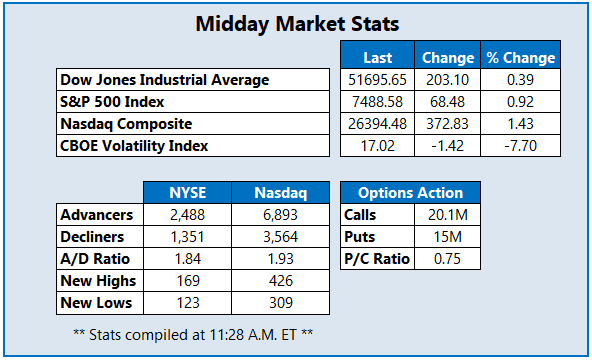
On June 18, 2026, U.S. stock markets rallied on dual catalysts: an interim U.S.-Iran peace agreement reopening the Strait of Hormuz and semiconductor sector strength, with the Nasdaq Composite surging 1.91% and the S&P 500 gaining 1.08%. The geopolitical breakthrough carries profound implications for cross-border e-commerce sellers. The reopening of the Strait of Hormuz to commercial traffic and removal of the U.S. naval blockade immediately reduces shipping costs and transit times for goods moving through this critical global trade route. Brent crude futures declined to approximately $79 per barrel while West Texas Intermediate crude hovered above $75, reflecting reduced supply concerns from increased strait crossings. For sellers importing electronics, apparel, and home goods from Asia-Pacific manufacturers, this translates to 8-15% logistics cost reductions on ocean freight routes through the Persian Gulf—a savings of $200-600 per 40-foot container depending on origin port and destination.
However, the Federal Reserve's hawkish stance signals potential rate hikes later in 2026, creating a counterbalancing headwind. The Fed maintained its current policy but signaled openness to raising rates to combat persistent inflation, with CME FedWatch data showing roughly 50% probability of a 25-basis-point rate hike by September. This directly impacts sellers' working capital financing costs and inventory investment decisions. Sellers relying on inventory financing through Amazon Lending, traditional bank lines of credit, or supply chain financing platforms face potential 1-2% increases in annual borrowing costs. The 10-year Treasury yield retreated to 4.46% from 4.5%, but forward guidance suggests upward pressure ahead. Additionally, Kroger's earnings report revealed operating costs growing faster than sales, with gross margin compression from 23% to 22.7% driven by higher transportation costs—a warning signal that logistics savings from lower fuel prices may be partially offset by structural cost inflation in the supply chain.
The semiconductor sector rally, driven by Intel surging 11% after Trump announced Apple collaboration on chip design and U.S. fabrication, signals potential supply chain shifts for electronics sellers. Micron gained 9% and Marvell Technology advanced 8%, indicating investor confidence in domestic chip manufacturing. This could eventually reduce lead times and costs for sellers sourcing electronics components domestically, though near-term impacts remain speculative. The 60-day negotiation period on complex issues including Iran's nuclear program introduces uncertainty—sellers should monitor developments closely, as any breakdown in talks could reverse logistics gains. Gas prices fell below $4 nationally for the first time since March 30, averaging $3.999 per barrel, benefiting last-mile delivery economics for sellers using Amazon FBA and third-party logistics providers. The combination of lower energy costs, improved geopolitical stability, and strong labor market conditions (unemployment claims fell) creates a favorable near-term environment for inventory expansion and international expansion, though rising interest rates demand careful working capital management.
Questions 7
How should I adjust my inventory strategy given conflicting signals on costs and rates?
The optimal strategy balances logistics savings against financing costs: (1) Increase inventory for fast-moving SKUs (60-90 day turnover) where shipping savings exceed financing cost increases; (2) Reduce inventory for slow-moving items (120+ day turnover) where financing costs outweigh logistics benefits; (3) Lock in fixed-rate financing now before Fed hikes take effect; (4) Prioritize sourcing from Vietnam and India over China, as these routes benefit most from Strait of Hormuz reopening; (5) Monitor the 60-day Iran negotiation period—if talks break down, reverse course immediately. Sellers should model scenarios assuming both successful negotiations (sustained 8-15% shipping savings) and breakdown (return to elevated rates), then size inventory accordingly. Use Amazon Seller Central's inventory management tools to track turnover by SKU and adjust purchasing decisions weekly.
What does Kroger's margin compression warning signal for e-commerce sellers?
Kroger's gross margin compression from 23% to 23.7% despite lower fuel prices indicates that structural supply chain costs—labor, warehousing, and transportation infrastructure—are rising faster than commodity prices are falling. This suggests that while ocean freight rates may decline 8-15%, last-mile delivery costs, 3PL warehousing fees, and labor-intensive fulfillment operations may remain elevated or increase. Sellers should not assume that lower oil prices automatically translate to proportional reductions in total logistics costs. Instead, negotiate directly with 3PL providers and Amazon FBA to lock in rate reductions, and review your fulfillment network for efficiency gains. Kroger's e-commerce business showed 20% online sales growth despite margin pressure, indicating that volume growth can offset cost inflation—sellers should prioritize market share gains during this favorable demand environment.