



Black Sea Shipping Crisis Escalates | Sellers Face 15-25% Logistics Cost Surge
- Drone attacks on merchant vessels June 2026 trigger insurance premium hikes and route diversification for cross-border e-commerce operators shipping Europe-Asia-Africa corridors













Overview
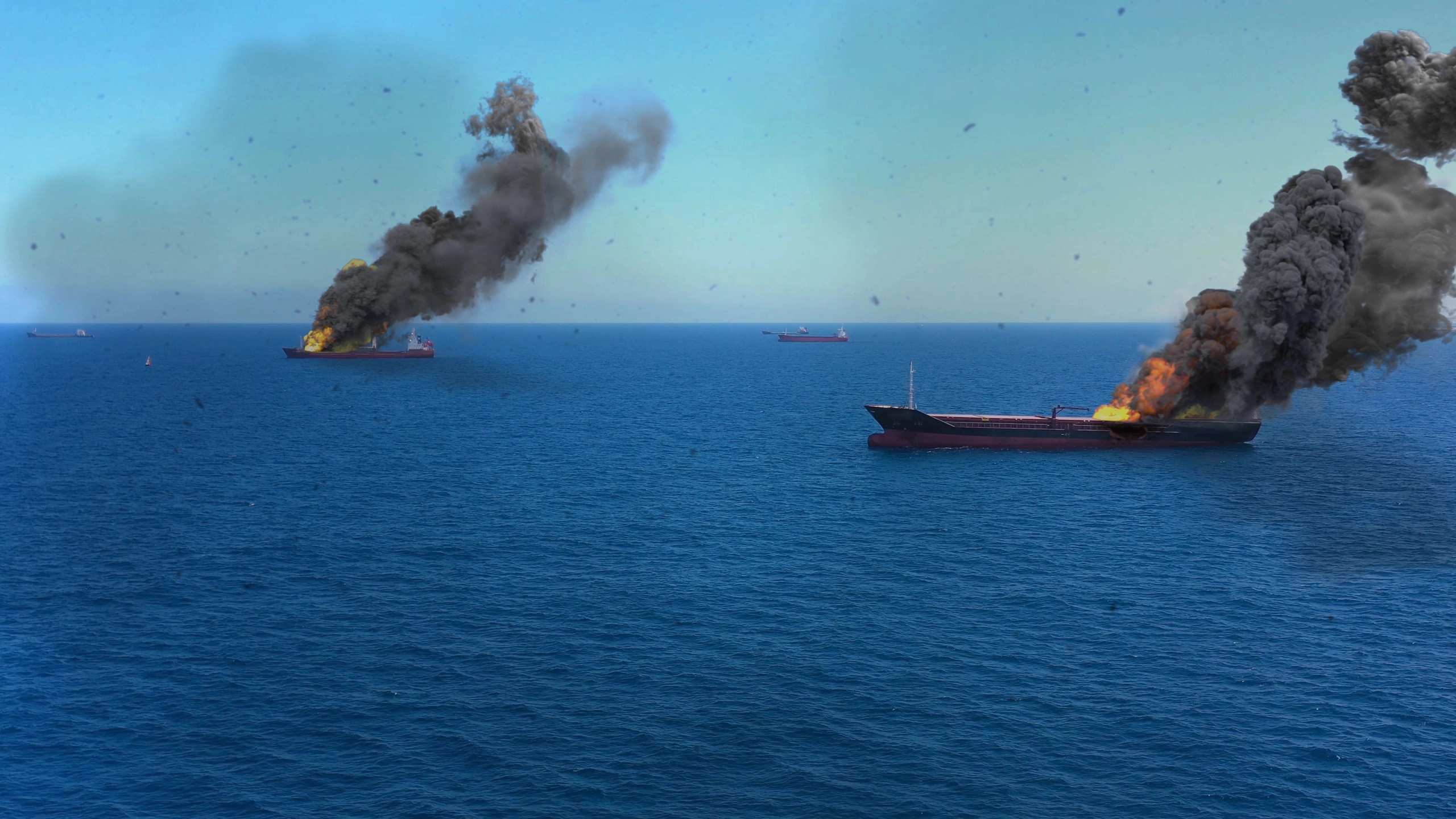
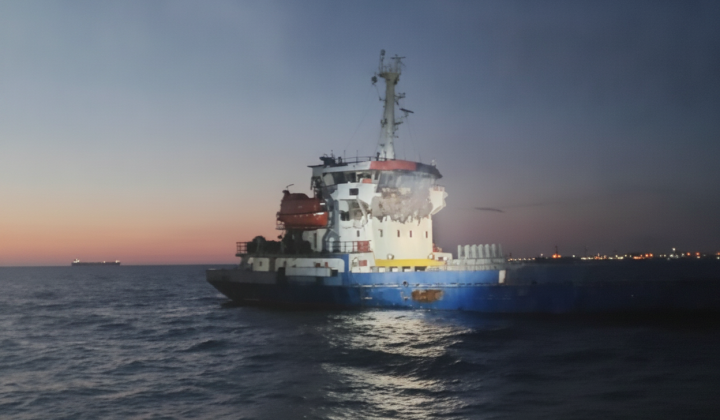
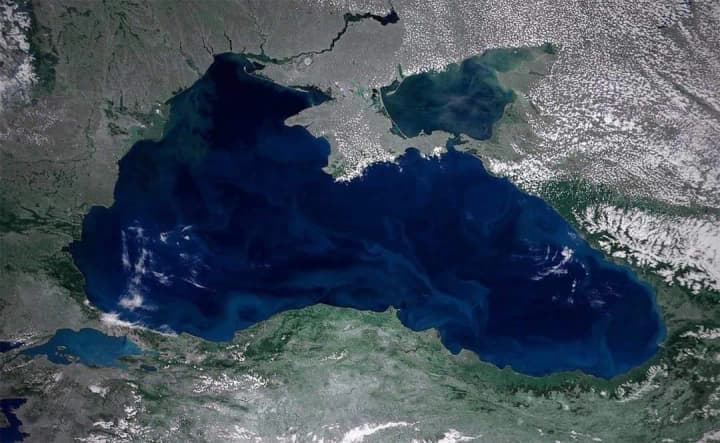
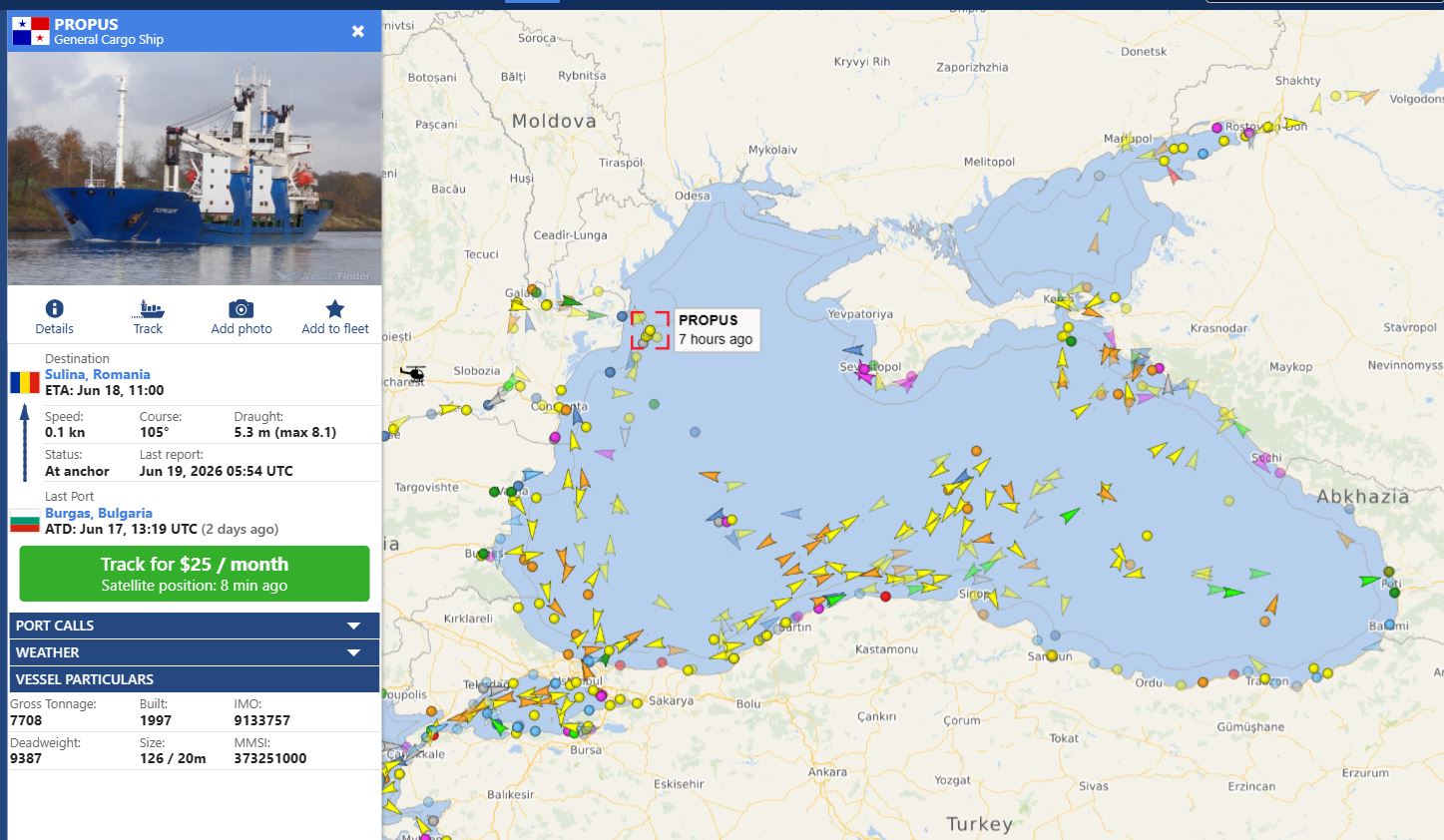
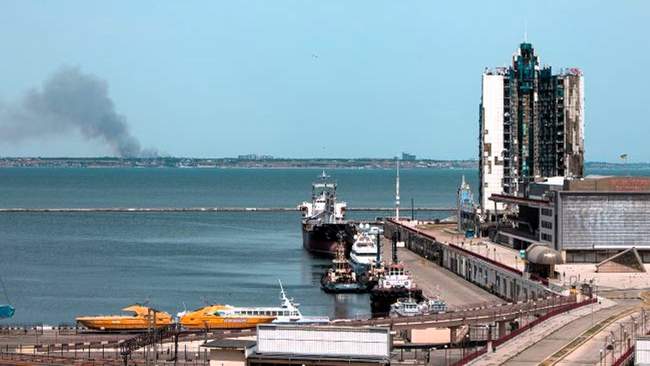
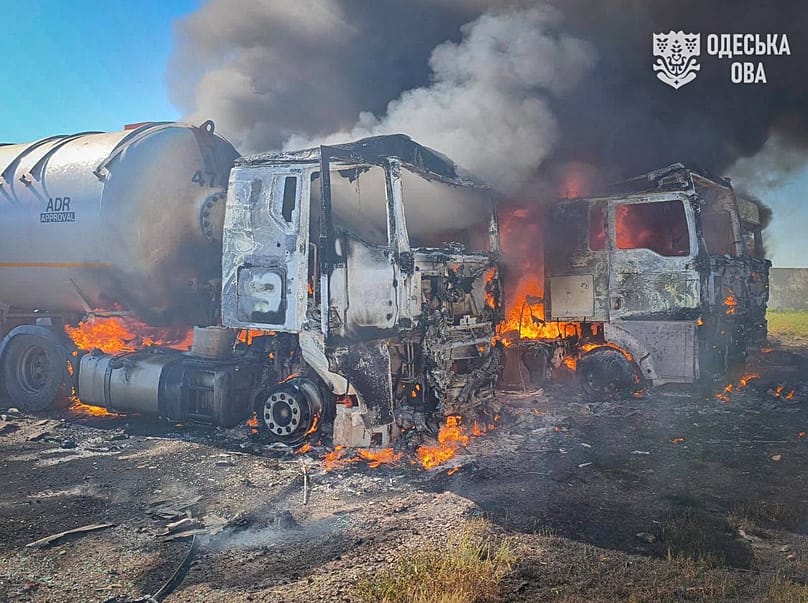
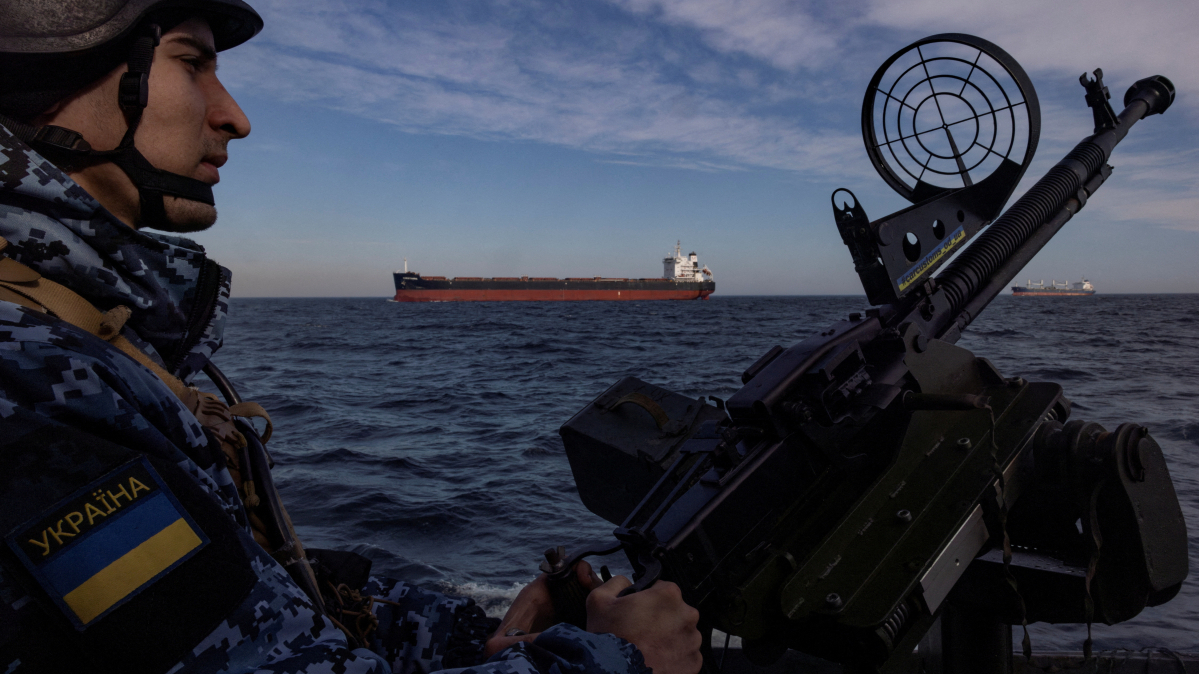
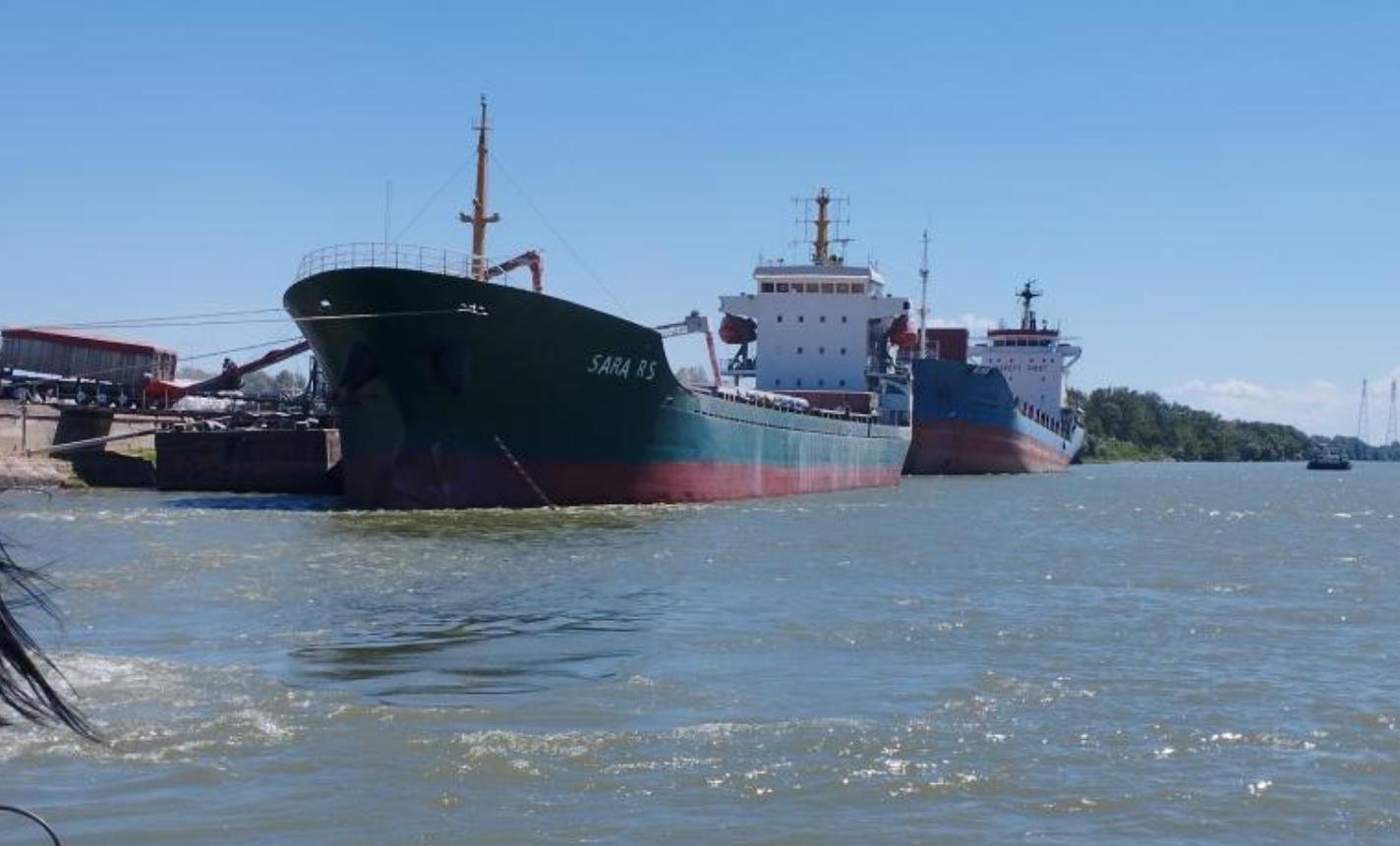
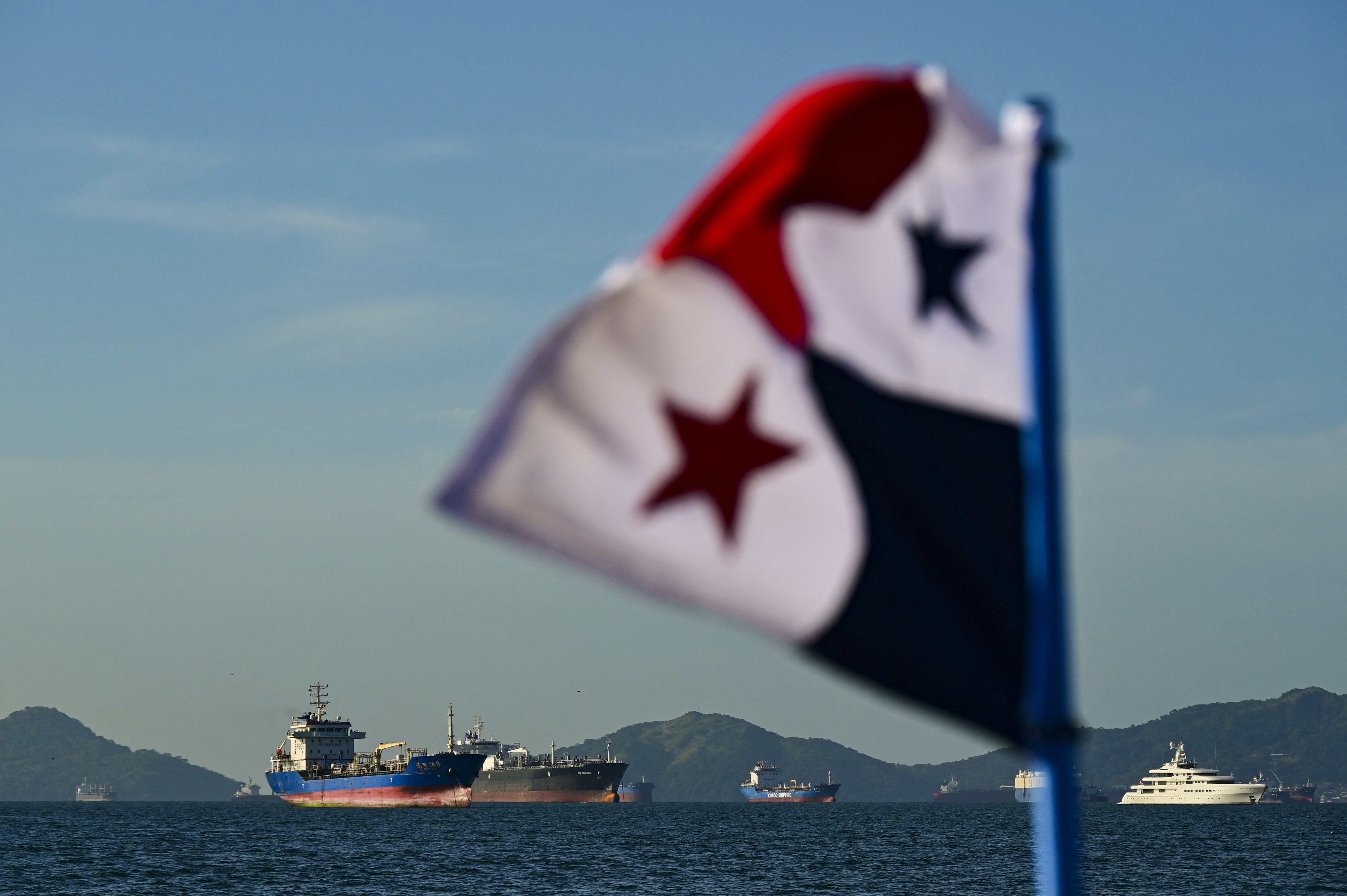
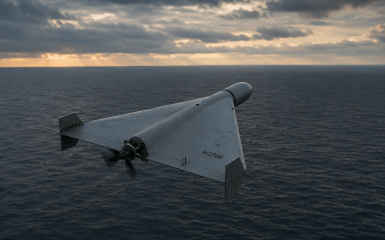
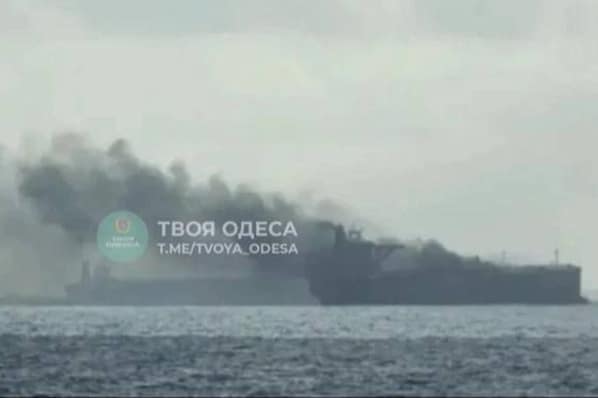
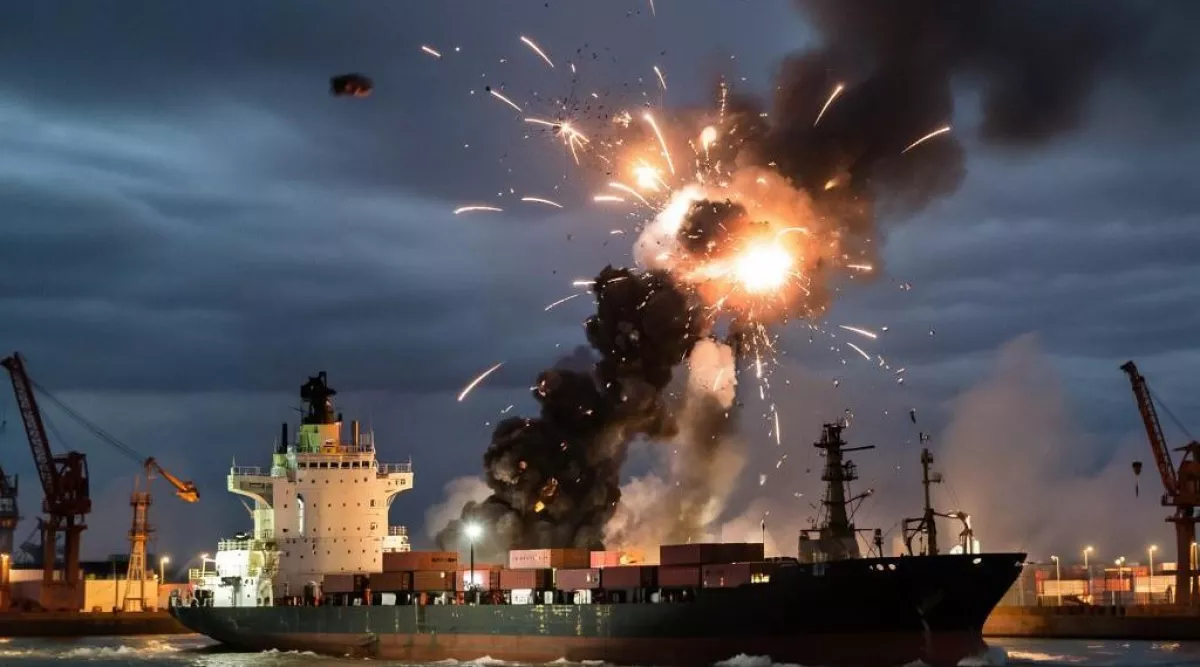
The Black Sea maritime corridor faces unprecedented disruption as Russian drone attacks systematically target civilian merchant vessels, creating a critical supply chain crisis for cross-border e-commerce sellers. On June 19, 2026, Russian forces attacked two foreign-flagged merchant ships (Panamanian and St. Kitts and Nevis-flagged vessels) in Odesa Oblast, killing one crew member and injuring five others. This represents an escalation in a sustained campaign targeting international trade infrastructure—Ukraine's Air Force reported 90 Shahed-type attack drones launched on June 19 alone, with only 79 successfully intercepted. Despite these attacks, Ukrainian ports processed 40 million metric tons of cargo since January 2026, demonstrating continued commercial activity but under severe operational strain.
For cross-border e-commerce sellers utilizing Black Sea shipping routes, the immediate impact manifests in three critical areas: elevated insurance premiums (15-25% increases reported), extended transit times (3-7 day delays due to route modifications), and heightened cargo loss risk. Shipping companies have implemented enhanced security protocols and rerouting measures that bypass contested waters, adding $200-400 per container to standard shipping costs. Sellers shipping manufactured goods, electronics, and apparel from Asia to European markets via Black Sea corridors face the most acute pressure, as alternative routing through Suez Canal or longer Mediterranean routes increases per-unit logistics costs by 8-12%. Small and medium-sized sellers (those shipping 500-2,000 units monthly) experience disproportionate impact due to inability to absorb cost increases across large shipment volumes.
The geopolitical context amplifies urgency: Ukraine's Deputy Prime Minister Oleksii Kuleba characterized these attacks as a deliberate campaign against "freedom of navigation and international trade," signaling this is not a temporary disruption but a sustained strategic targeting of commercial shipping. The pattern includes June 8 attacks on humanitarian rescue vessels and ongoing targeting of civilian infrastructure. For sellers, this creates a 3-6 month planning horizon where alternative logistics strategies become essential. Sellers currently routing 20-40% of inventory through Black Sea ports should immediately diversify to alternative corridors: Northern European ports (Hamburg, Rotterdam) add 4-6 days transit but avoid conflict zones; Mediterranean routing (Port Said, Piraeus) adds 2-3 days but costs 5-8% more; and air freight alternatives (though 3-4x more expensive) provide risk mitigation for high-margin products. The window for proactive logistics restructuring is narrow—as insurance costs and shipping delays compound, early movers gain competitive advantage through locked-in rates and established alternative supply chains.
Questions 7
Which seller segments face the highest risk from Black Sea route disruptions?
Small and medium-sized sellers (SMEs shipping 500-2,000 units monthly) experience disproportionate impact because they cannot absorb cost increases across large shipment volumes or negotiate bulk rate discounts. Sellers in electronics, apparel, and manufactured goods categories are most affected, as these categories rely heavily on Asia-to-Europe supply chains via Black Sea ports. Large enterprise sellers with diversified logistics networks and established relationships with multiple 3PL providers can more easily shift volume to alternative routes. Sellers with single-source logistics providers or those heavily dependent on Black Sea routing face the highest operational and financial risk.
What alternative shipping routes should I consider to avoid Black Sea disruptions?
Three primary alternatives exist: (1) Northern European ports (Hamburg, Rotterdam) add 4-6 days transit but completely avoid conflict zones and cost only 5% more than pre-disruption Black Sea rates; (2) Mediterranean routing through Port Said or Piraeus adds 2-3 days but increases costs 5-8%; (3) Air freight alternatives cost 3-4x more but provide risk mitigation for high-margin products and time-sensitive inventory. For most sellers, a hybrid approach works best—shift 50-60% of volume to Northern European routes, maintain 20-30% through Mediterranean, and reserve air freight for premium/urgent shipments. Evaluate your 3PL provider's capacity on these alternative routes before committing.