



Amazon's $50B OpenAI Deal Signals Strategic Shift in AI Content Strategy for Sellers
- Amazon MGM Studios drops $75M "Artificial" film; reveals corporate priority conflicts affecting platform content ecosystem and seller brand visibility opportunities























Overview
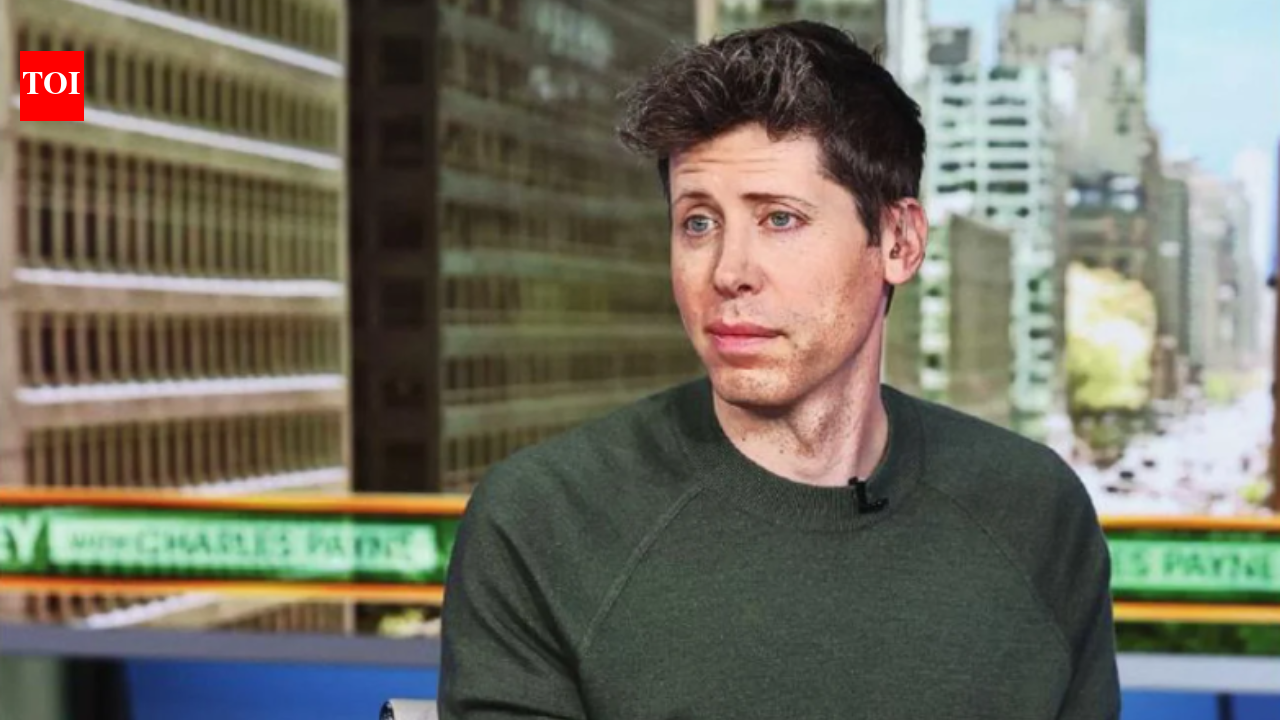
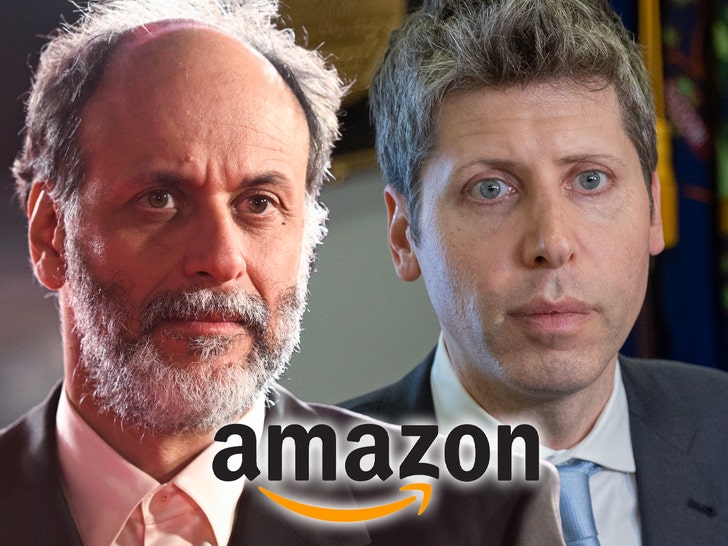
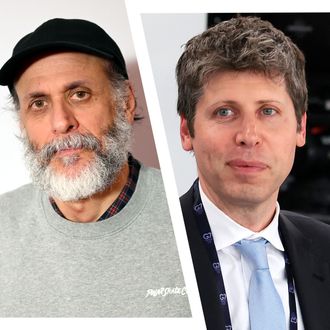
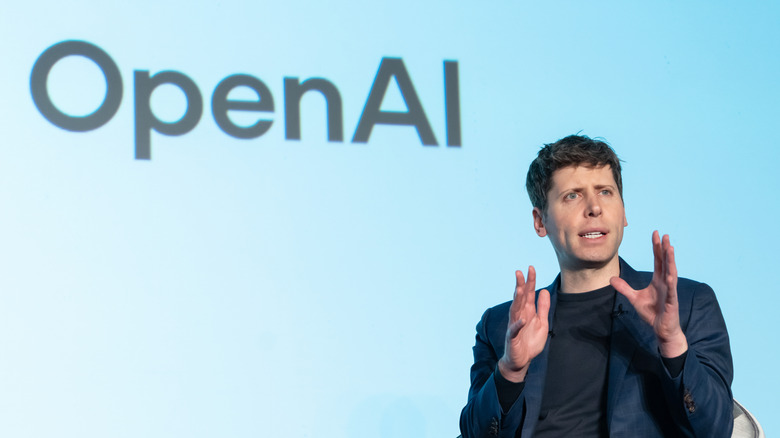
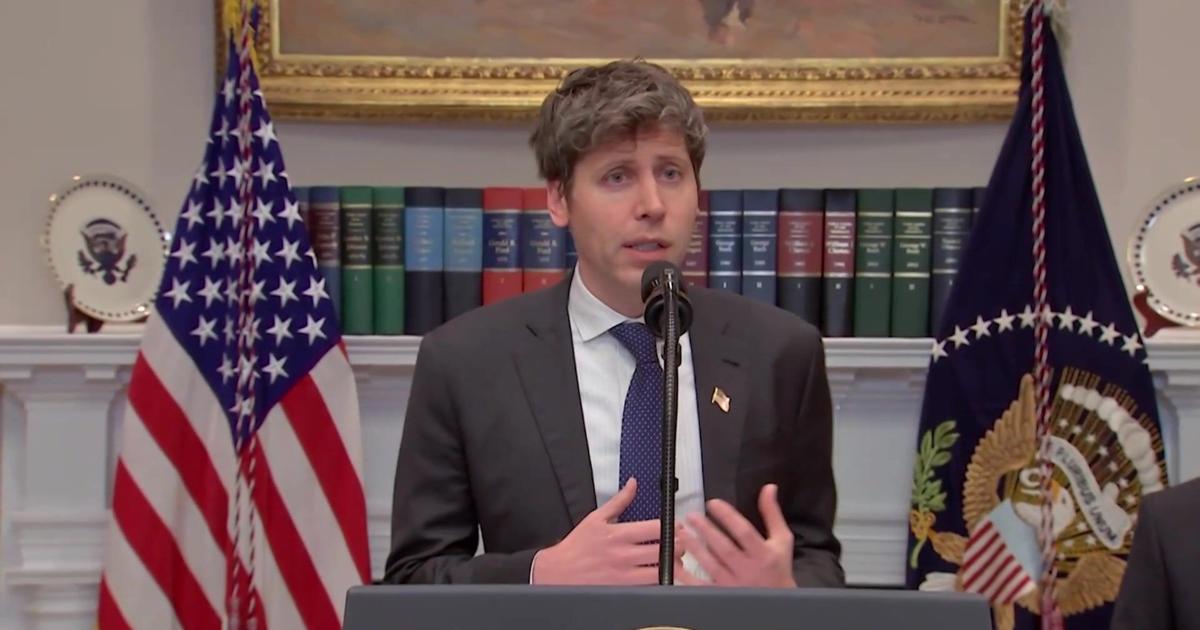
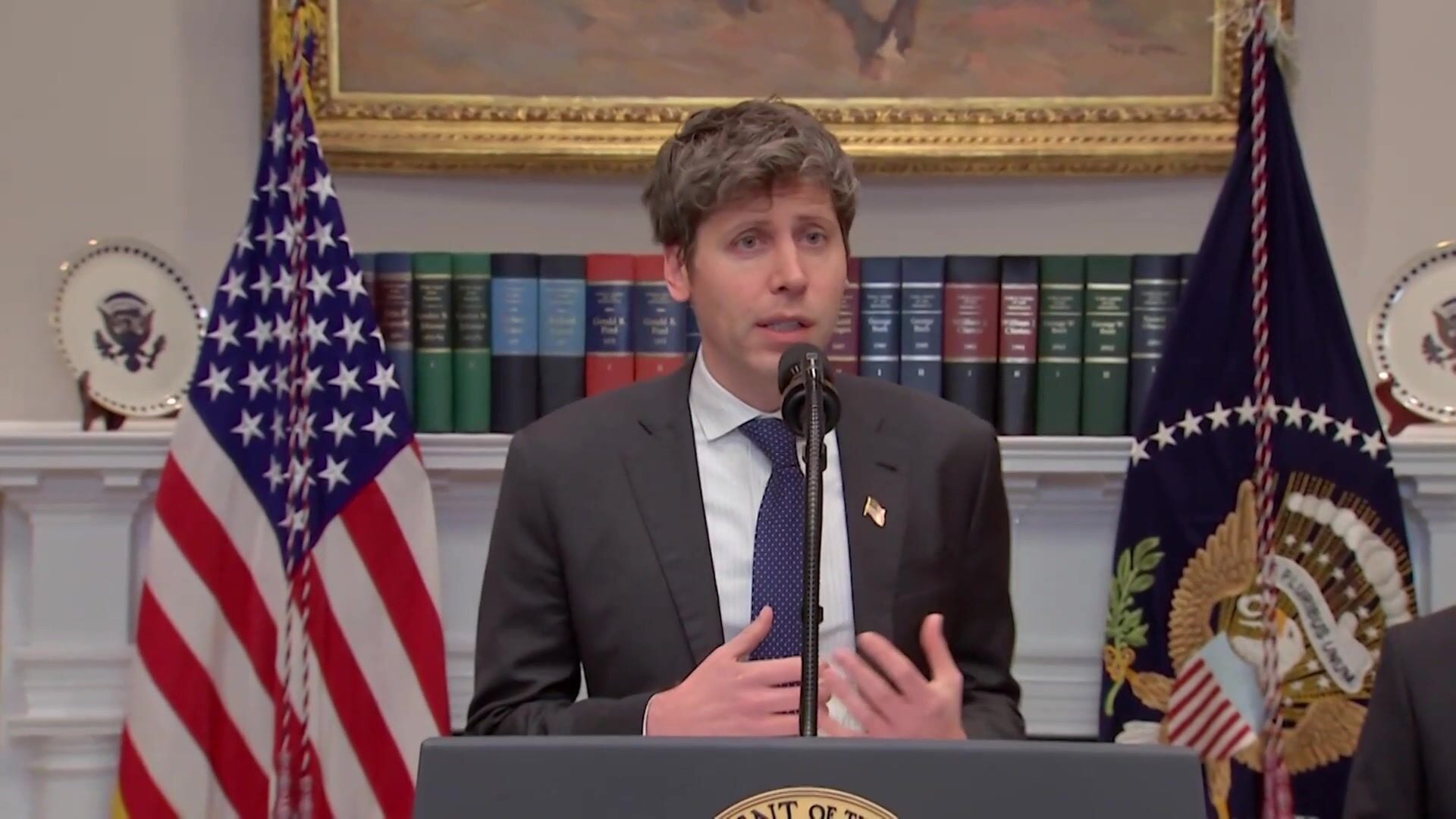
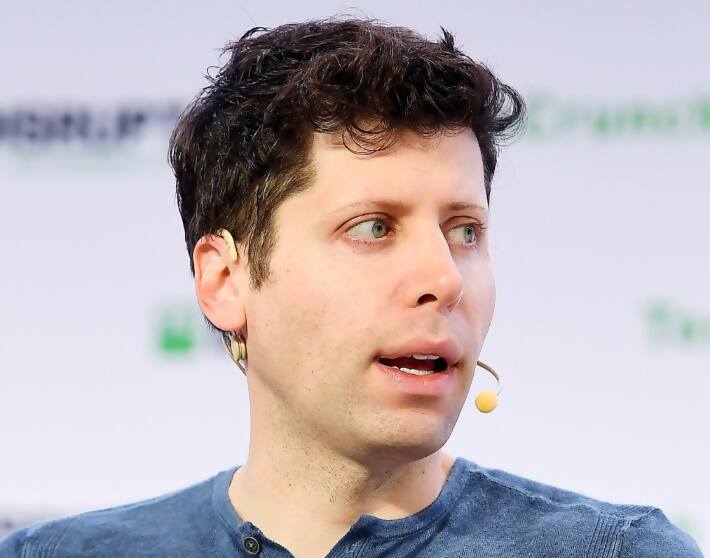
Amazon MGM Studios' decision to shelve Luca Guadagnino's nearly-completed $75 million biographical film "Artificial" about OpenAI CEO Sam Altman reveals critical insights into how corporate partnerships reshape content strategy at tech-owned platforms—with indirect but meaningful implications for cross-border e-commerce sellers. The film's cancellation, announced after Amazon's $50 billion OpenAI partnership in February 2025, demonstrates that major streaming platforms now prioritize commercial relationships over editorial independence, fundamentally altering how seller brands can leverage platform content ecosystems.
The core issue: Amazon MGM Studios officially cited creative concerns (claiming Guadagnino's final cut became "markedly darker" than original script), but industry observers and the timing suggest conflict-of-interest suppression. The film portrayed both Sam Altman and Elon Musk unsympathetically, and despite positive test screenings, Amazon withdrew distribution rights. This pattern signals that tech conglomerates increasingly use content decisions to manage business partner relationships—a dynamic sellers must understand when planning brand partnerships, sponsored content, and Prime Video advertising strategies.
For sellers, this reveals three operational shifts: First, Prime Video's content strategy now reflects AWS partnership priorities, not pure editorial merit. Sellers investing in Prime Video advertising or considering content partnerships should expect platform decisions to favor AWS-adjacent narratives and AI-positive storytelling. Second, the $75M write-off demonstrates Amazon's willingness to absorb massive losses to protect strategic partnerships—suggesting seller fee structures and marketplace policies may similarly shift to protect high-value partnerships (like OpenAI). Third, the film's availability for acquisition by Netflix, Universal, and Focus Features (competitors without direct AI business interests) indicates alternative platforms may become more attractive for critical, independent content—potentially shifting viewer demographics and advertising opportunities.
Broader market context: Amazon's $50 billion OpenAI commitment represents the largest cloud partnership in tech history, fundamentally reshaping AWS's competitive position against Microsoft Azure. This investment level explains why Amazon would sacrifice a completed film rather than risk OpenAI relationship damage. For sellers, this signals that Amazon's platform decisions increasingly reflect cloud/AI partnership priorities, not marketplace seller interests. Sellers should monitor whether similar conflicts emerge in other content categories (tech documentaries, startup stories, AI-focused programming) where Amazon's commercial interests might suppress critical narratives.
The precedent matters: When tech-owned platforms suppress content to protect business relationships, it creates editorial risk for sellers relying on platform content visibility. Sellers in AI-adjacent categories (software tools, automation products, data analytics) should expect increased scrutiny of how their products are portrayed in Prime Video content, and potential suppression of critical narratives that might reflect poorly on Amazon's tech partners.
Questions 8
What actions should sellers take in response to this content strategy shift?
**Immediate actions (0-30 days)**: Audit your product positioning against Amazon's strategic partnerships (OpenAI, AWS, cloud services). Review any Prime Video advertising campaigns to ensure alignment with Amazon's tech narratives. **1-3 month actions**: Develop content partnerships across Netflix, YouTube, and independent platforms to reduce Prime Video dependency. If your product competes with OpenAI or AWS services, prioritize alternative platforms for critical content. **3-12 month actions**: Monitor Amazon Seller Central for policy changes reflecting OpenAI partnership priorities (AI-powered tools, cloud integration, data analytics features). Expect potential fee increases or policy shifts favoring AWS-integrated sellers. Consider whether your long-term growth strategy should diversify away from Amazon's increasingly partnership-influenced ecosystem. Track whether similar content suppression occurs in your product category, signaling broader platform bias.
How does this compare to other tech platforms' content decisions?
Amazon's decision differs from Netflix, which has released critical content about tech industry figures despite business pressures. Netflix maintains editorial independence as a core brand value, even when it conflicts with business relationships. YouTube (owned by Google) has faced similar criticism for suppressing content critical of its parent company. Meta's content moderation policies have been questioned for favoring corporate interests. The incident suggests Amazon prioritizes corporate relationship management over editorial independence more aggressively than some competitors. For sellers, this indicates Amazon may be less transparent about conflicts of interest than alternative platforms. Sellers should evaluate whether platforms with stronger editorial independence (Shopify, independent marketplaces) better align with their values and long-term interests. The contrast highlights that platform governance varies significantly across tech companies.