




Creatine & Protein Supplements Go Mainstream | $15B+ Market Opportunity for Sellers
- Supplements transition from niche fitness to mainstream health across teens, seniors, GLP-1 users; 2024 research validates plant-based alternatives; third-party testing becomes competitive requirement





Overview
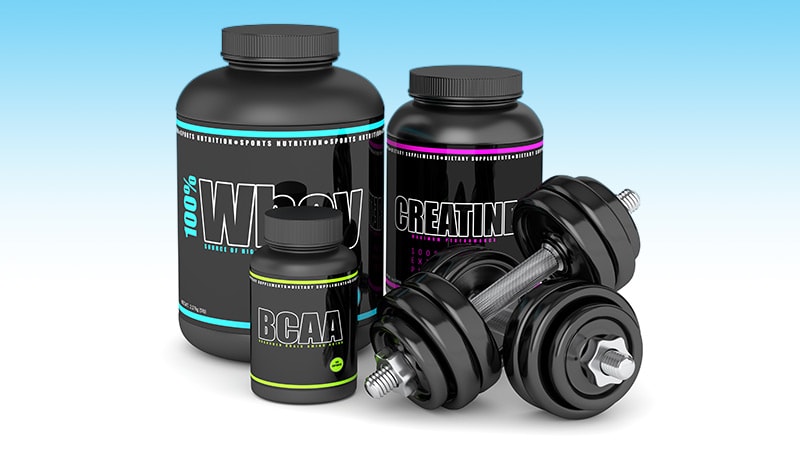
Protein and creatine supplements have transitioned from niche fitness products to mainstream health products, with rising demand across diverse patient demographics including teens, seniors, and GLP-1 weight-loss medication users. This represents a fundamental market shift that creates significant e-commerce opportunities for supplement sellers across Amazon, Shopify, and specialty health platforms.
Market Expansion Drivers: Research from leading experts including Dr. Andrew J. Mock (Loma Linda University) and Dr. Stuart Phillips (McMaster University) confirms both supplements offer health benefits beyond traditional athletic use. Protein supplements function as convenience foods facilitating muscle recovery and preserving lean body tissue, while creatine serves as an energy substrate for strength and power activities. The body naturally synthesizes only 1-2 grams of creatine daily from food sources like meat and fish, making supplementation more practical for achieving optimal muscle saturation. Long-standing safety concerns about protein damaging kidneys have been repeatedly debunked since a 1982 study, with current evidence showing creatine as one of the most well-studied sports nutrition supplements with favorable safety profiles.
Seller Product Opportunities: Recommended protein intake ranges from 1.2-1.6 grams per kilogram of body weight daily, while creatine monohydrate at 3-5 grams daily proves effective for most individuals. For patients using GLP-1 weight-loss medications, protein recommendations adjust to 1-1.2 grams per kilogram due to appetite suppression, with resistance training becoming the primary muscle-preservation strategy. Creatine monohydrate from established third-party tested companies remains the gold standard, while protein selection depends on dietary patterns—whey protein isolate for omnivorous diets and plant-based blends with added leucine for vegan diets. Recent 2024 research confirms plant-based supplements stimulate muscle protein synthesis comparably to whey isolate, expanding addressable market segments. Maximum protein synthesis stimulation requires 0.25-0.55 grams per kilogram per meal depending on age, with total daily protein intake mattering more than single-meal amounts.
Emerging Research Validation: A 2026 study published in Nutrients found that single-dose creatine monohydrate ingested approximately two hours before resistance training achieved significantly greater acute strength performance compared to placebo and control conditions. Additionally, UCLA researchers discovered that creatine may play a significant role in cancer immunotherapy by enhancing dendritic cells—immune cells critical for activating killer T cells against cancer. Published in Cell Press journal iScience in early June, laboratory tests on mice showed that adding creatine slowed tumor growth significantly and increased both the number and activation of dendritic cells. This therapeutic expansion beyond fitness applications signals growing consumer awareness regarding anti-inflammatory and cognitive benefits, broadening the addressable market beyond traditional gym-goers to health-conscious consumers seeking preventive wellness solutions.
Competitive Positioning: Third-party testing becomes a critical differentiator, as creatine monohydrate from established third-party tested companies remains the gold standard. Sellers must prioritize NSF Certified for Sport, Informed Choice, or similar certifications to compete effectively. Plant-based supplement formulations with added leucine represent a high-growth segment, particularly for vegan and vegetarian demographics. The mainstream shift creates opportunities for educational content marketing around dosage protocols (0.25-0.55g per kilogram per meal), demographic-specific recommendations (teens, seniors, GLP-1 users), and therapeutic applications beyond fitness.
Questions 8
How should sellers adjust marketing messaging for different demographic segments in the supplement market?
Mainstream expansion requires demographic-specific messaging: teens and young adults respond to fitness and performance benefits; seniors prioritize muscle preservation and functional health; GLP-1 users need protein-focused messaging emphasizing appetite suppression compatibility (1-1.2g/kg adjusted dosage). Emerging research on cognitive and anti-inflammatory benefits appeals to health-conscious consumers beyond gym audiences. Plant-based formulations should emphasize ethical sourcing and environmental benefits alongside performance equivalency to whey. Actionable step: Segment product listings and PPC campaigns by demographic (create separate ASIN variants or campaigns for 'GLP-1 compatible protein,' 'senior muscle preservation,' 'plant-based performance'), develop demographic-specific landing pages citing relevant research, and adjust ad copy to emphasize benefits most relevant to each audience segment.
What compliance and certification requirements should sellers prioritize for supplement products?
FDA compliance for dietary supplements is non-negotiable, including proper labeling, ingredient disclosure, and avoiding disease claims. Third-party testing certifications (NSF Certified for Sport, Informed Choice, ConsumerLab) are now competitive requirements rather than differentiators, as they signal quality to mainstream consumers unfamiliar with supplement industry standards. Sellers must ensure creatine monohydrate products meet purity standards and avoid contamination claims. Plant-based protein products require clear allergen labeling and leucine content disclosure to support marketing claims about muscle protein synthesis. Actionable step: Audit all product listings for FDA compliance, obtain third-party certifications if not already held, update ingredient labels with specific amino acid profiles (particularly leucine content for plant-based products), and implement compliance monitoring for any new research affecting product claims.