
Bolivia Supply Chain Crisis June 2026 | LATAM Sellers Face 50-Day Blockade Impact
- 50-day road blockades paralyze food, fuel, pharmaceutical distribution across South America's production centers; sellers shipping from/to Bolivia face critical logistics disruptions and currency volatility














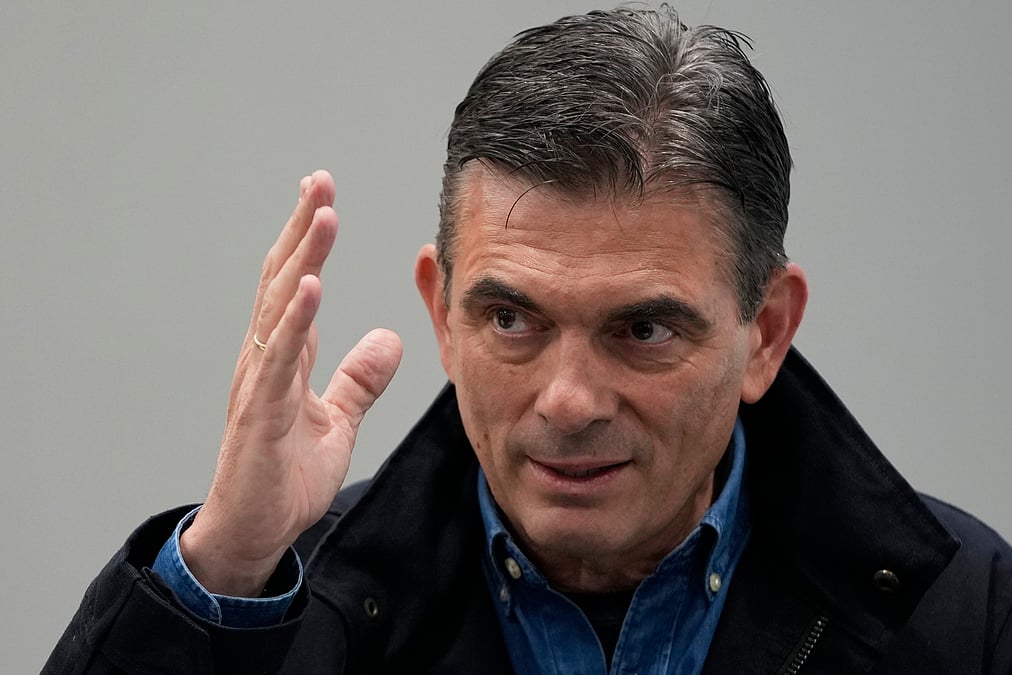


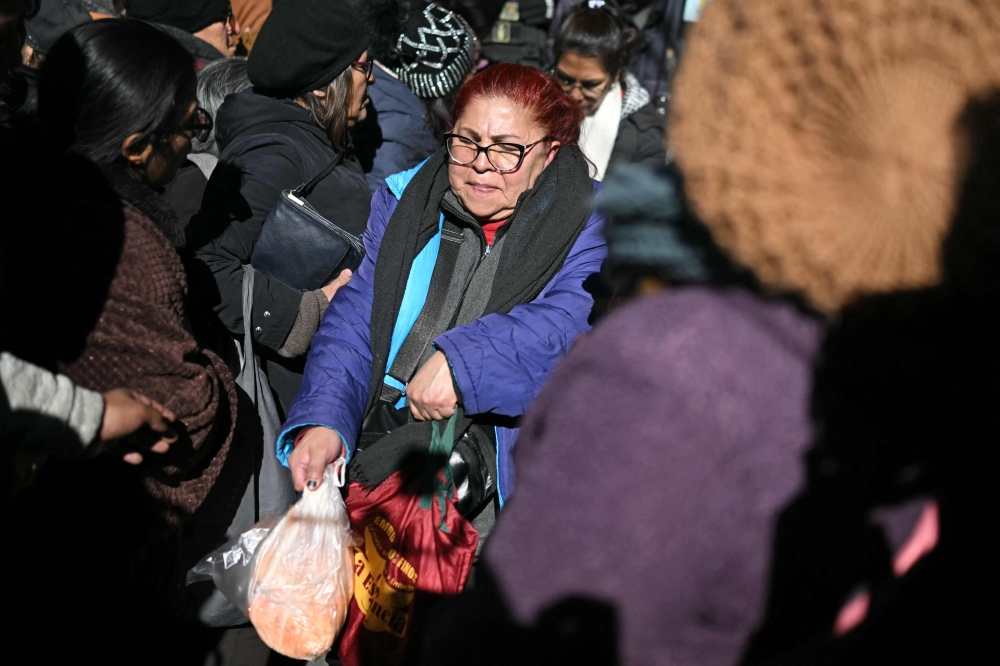
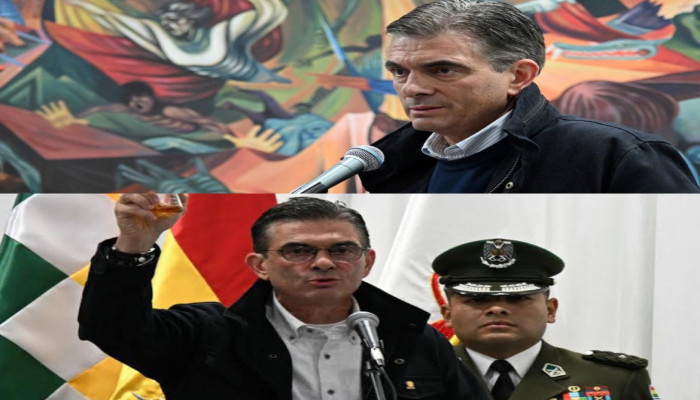


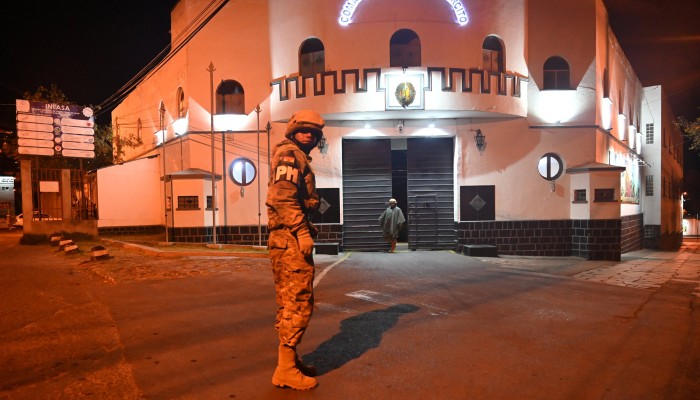
)


Overview
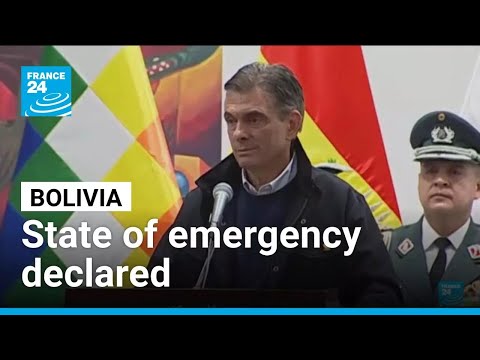
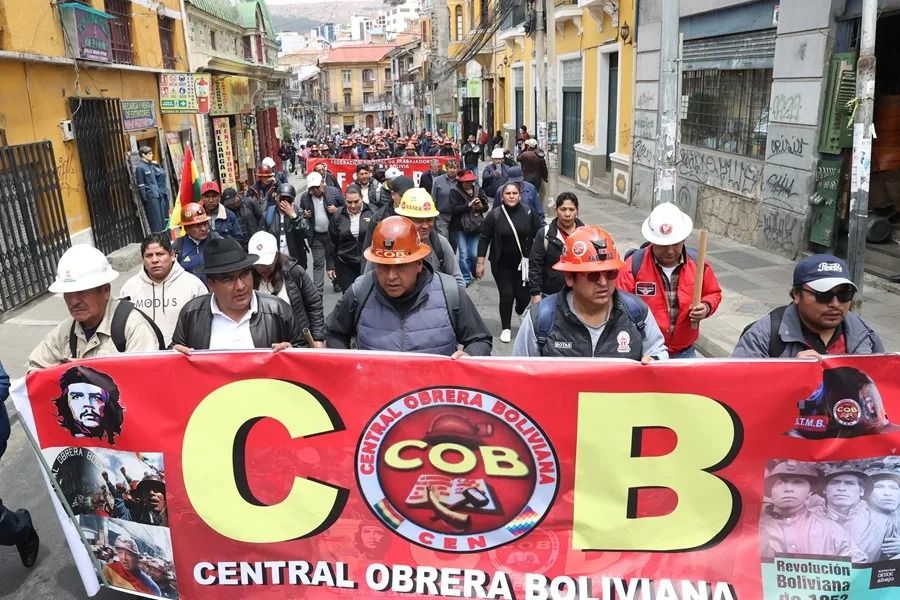
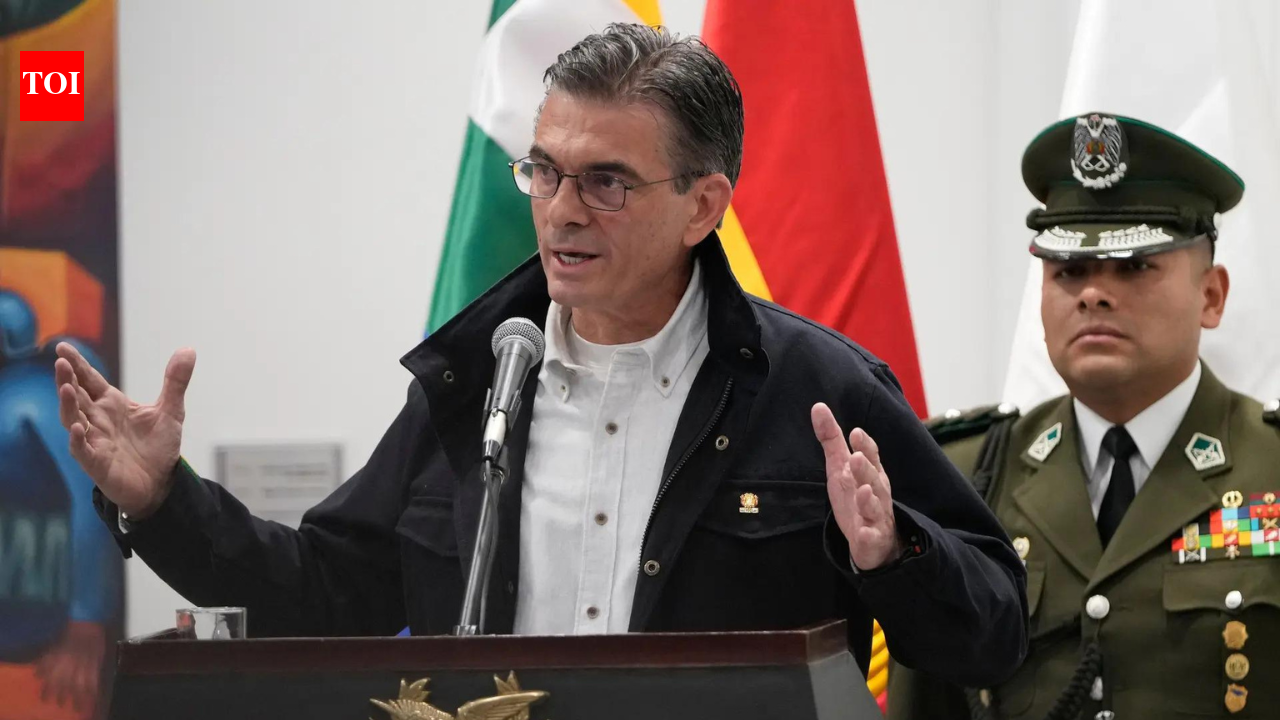
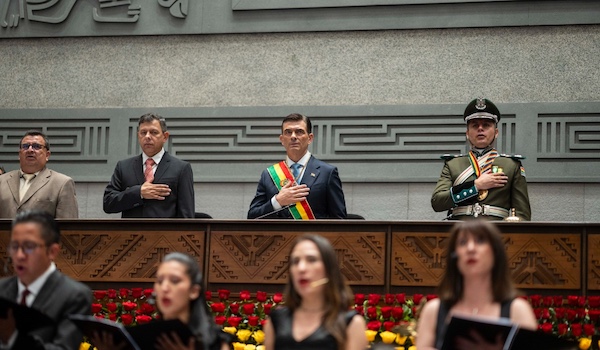
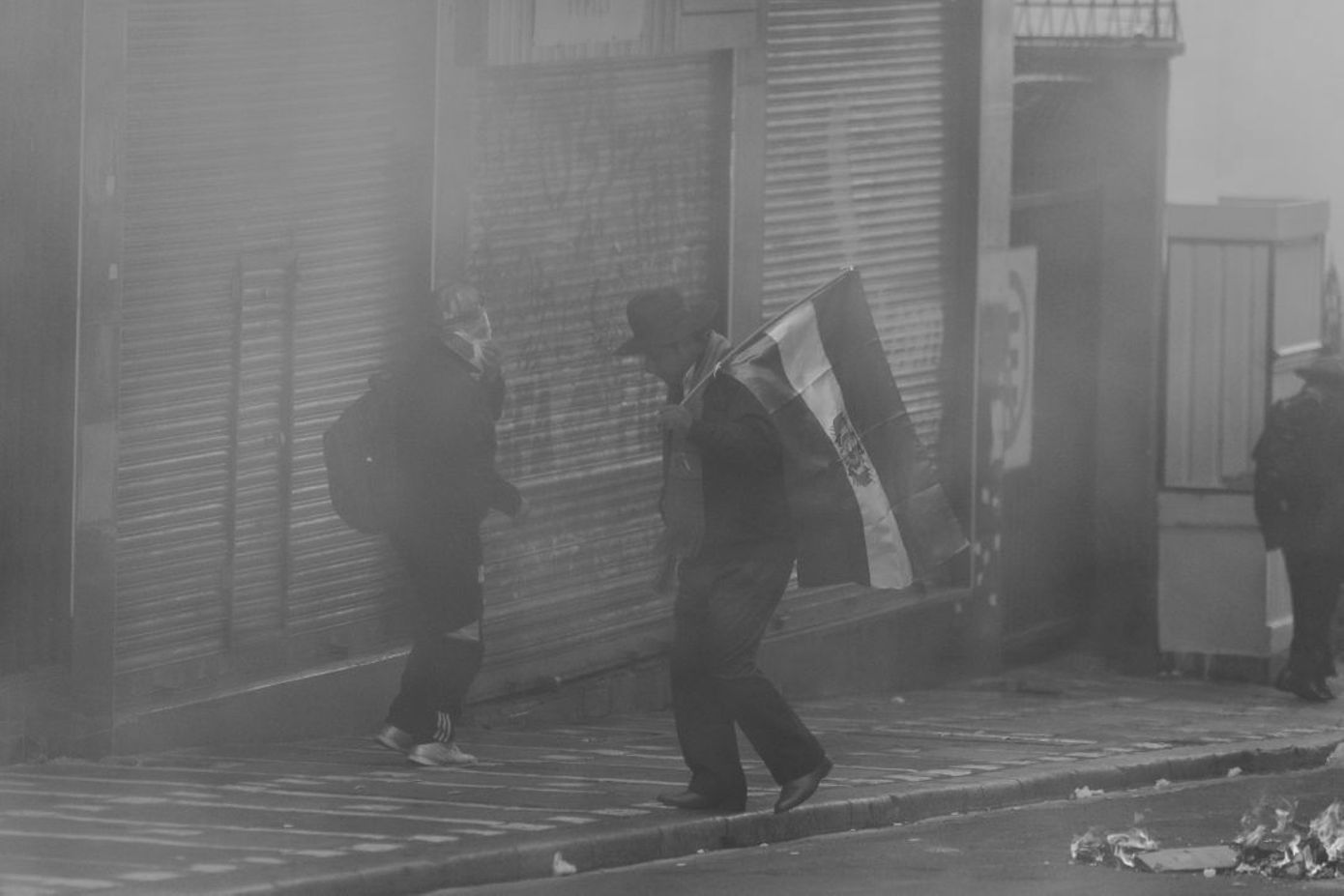
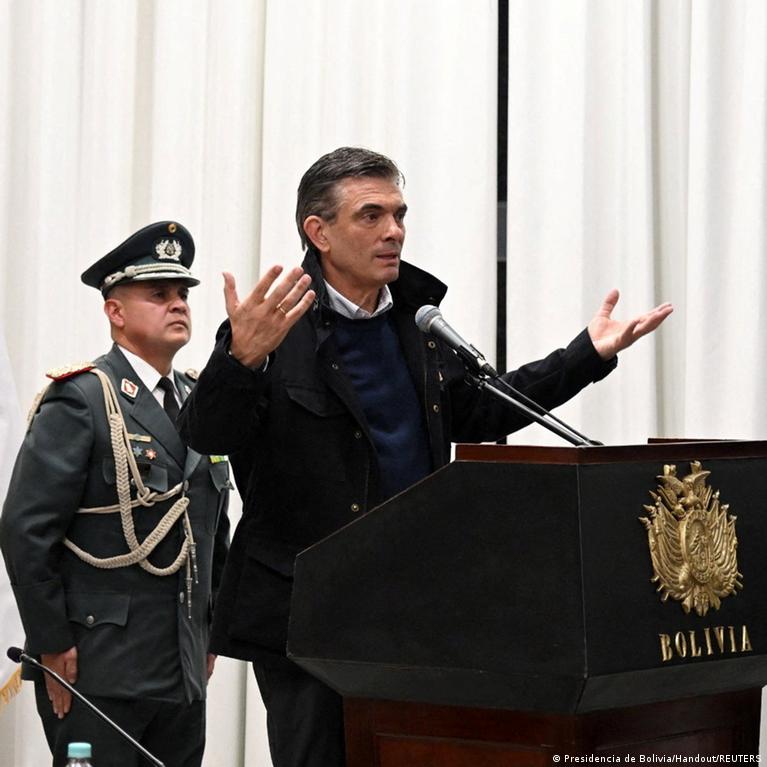
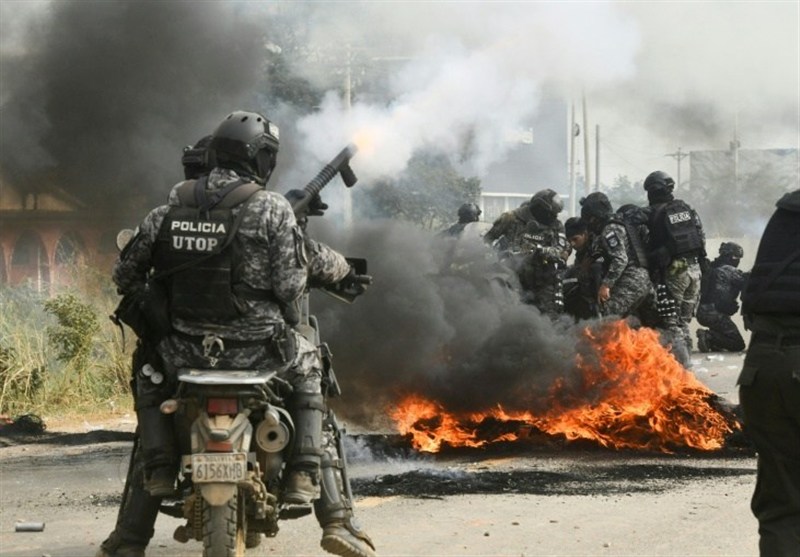
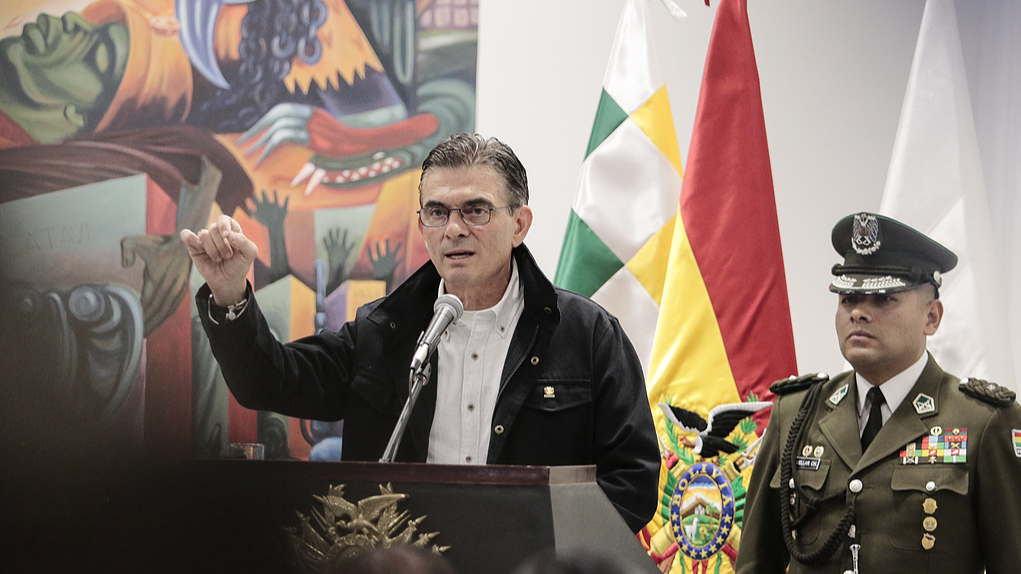
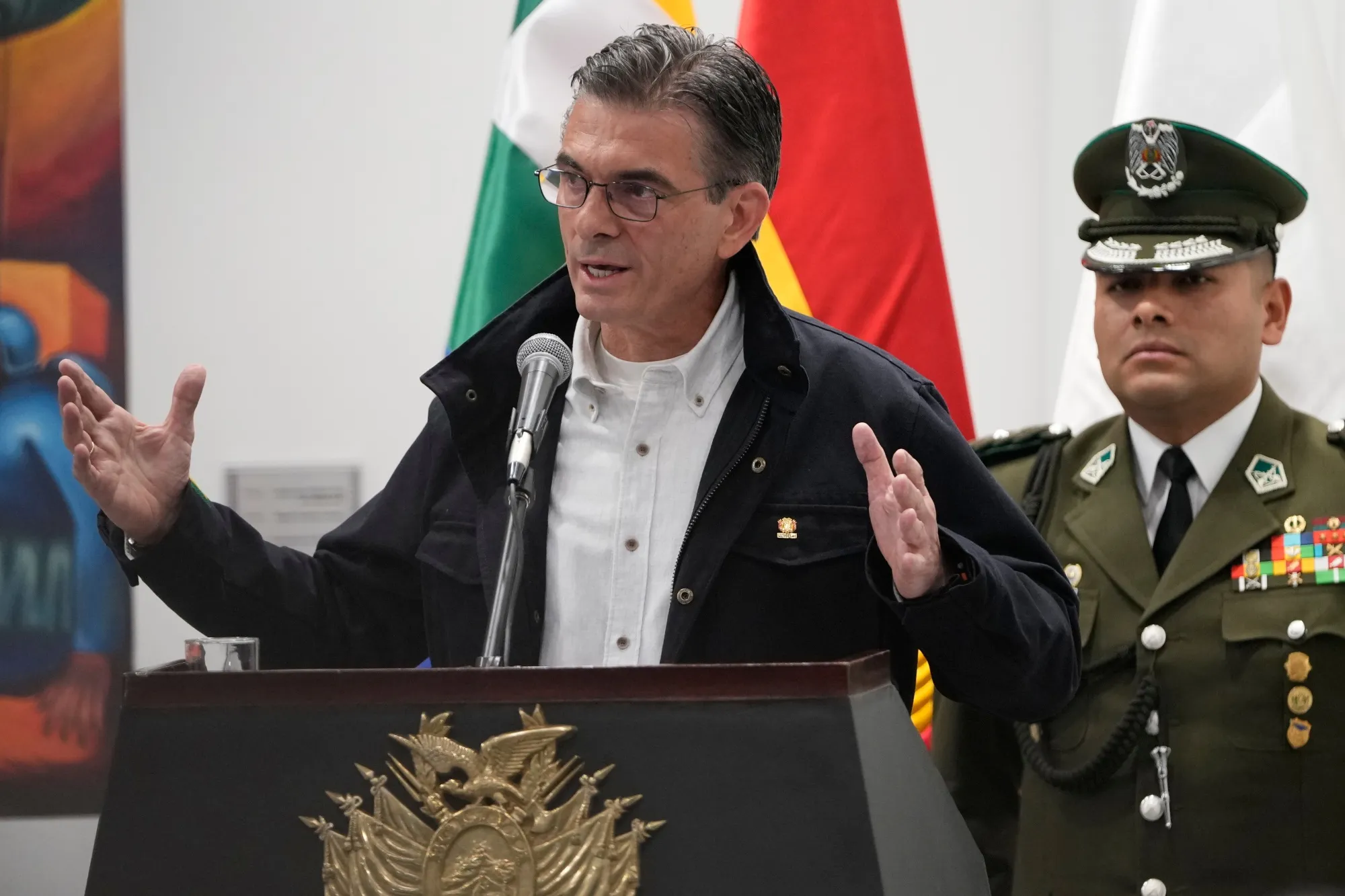
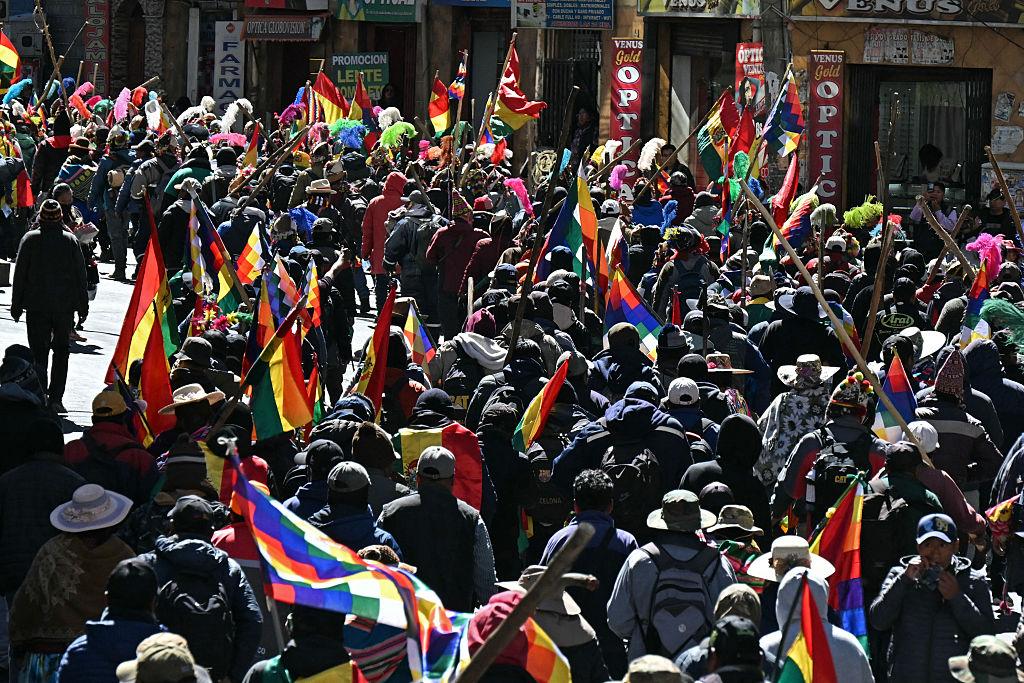
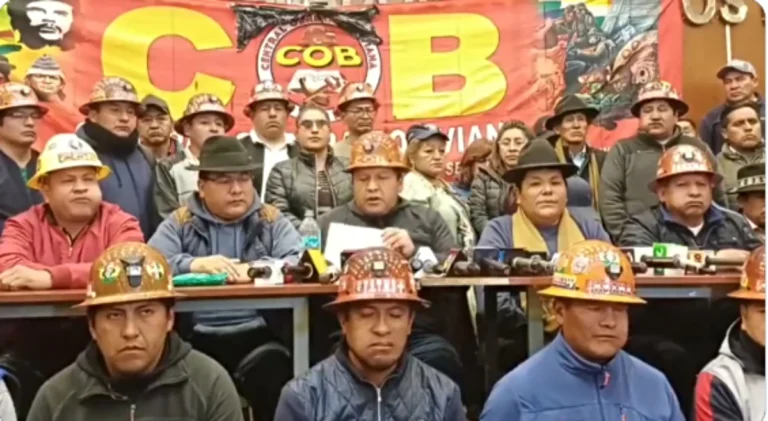
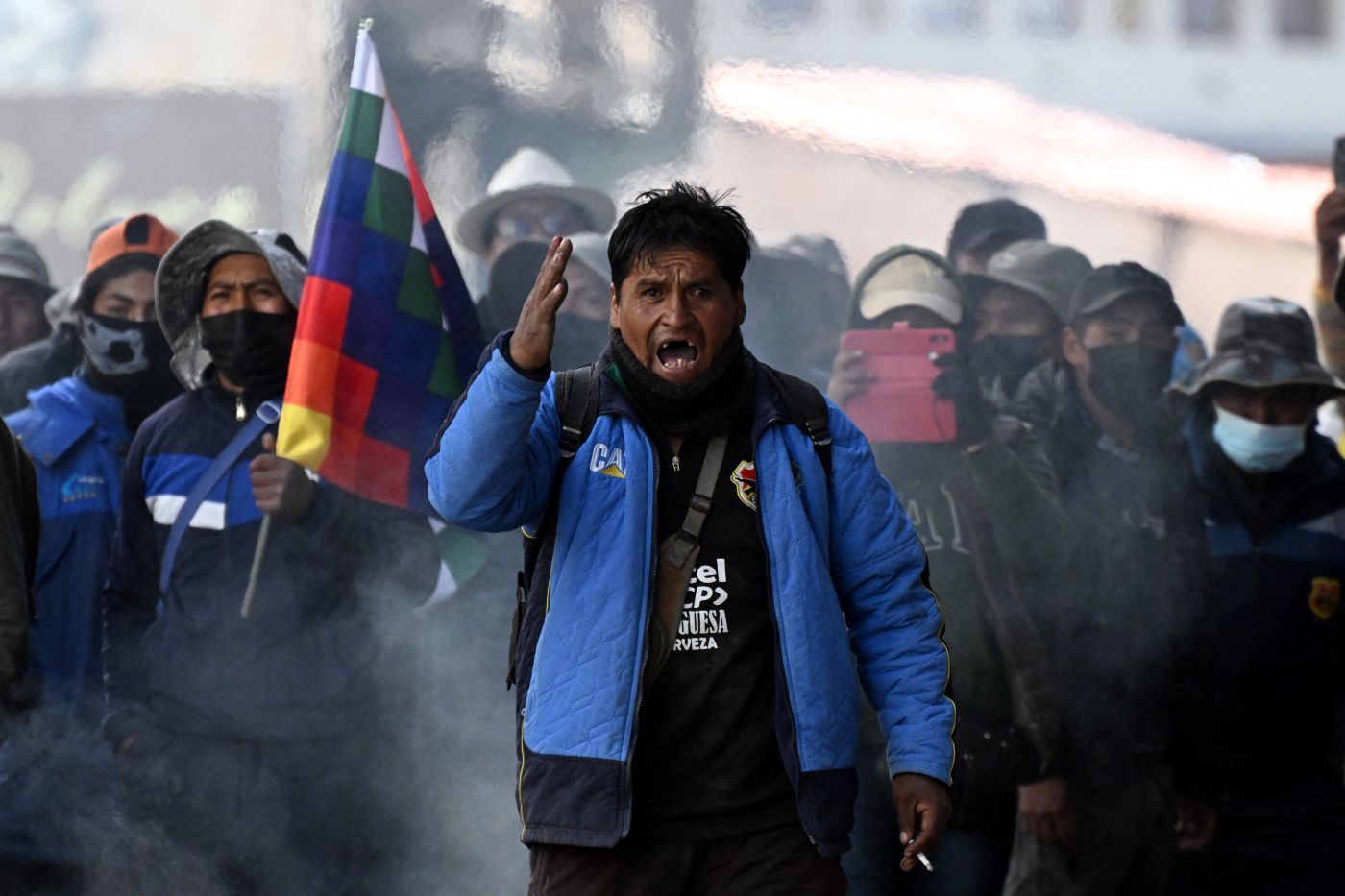
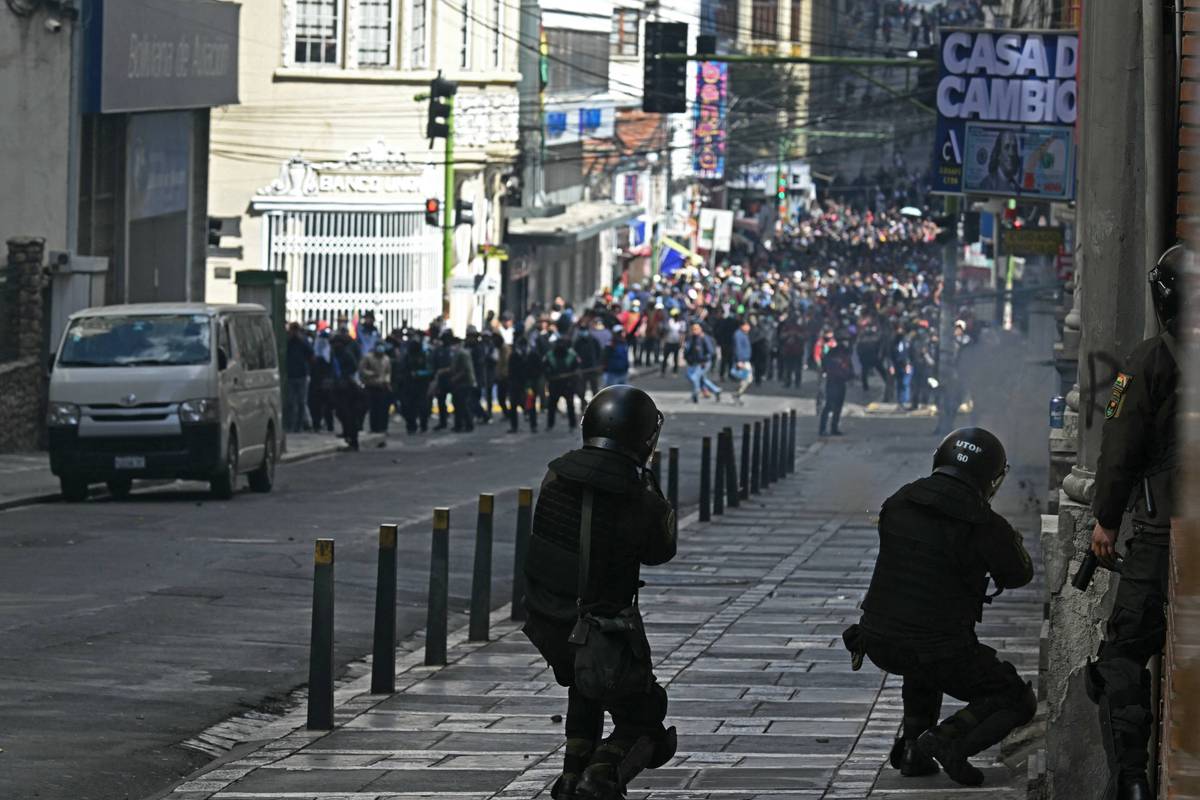
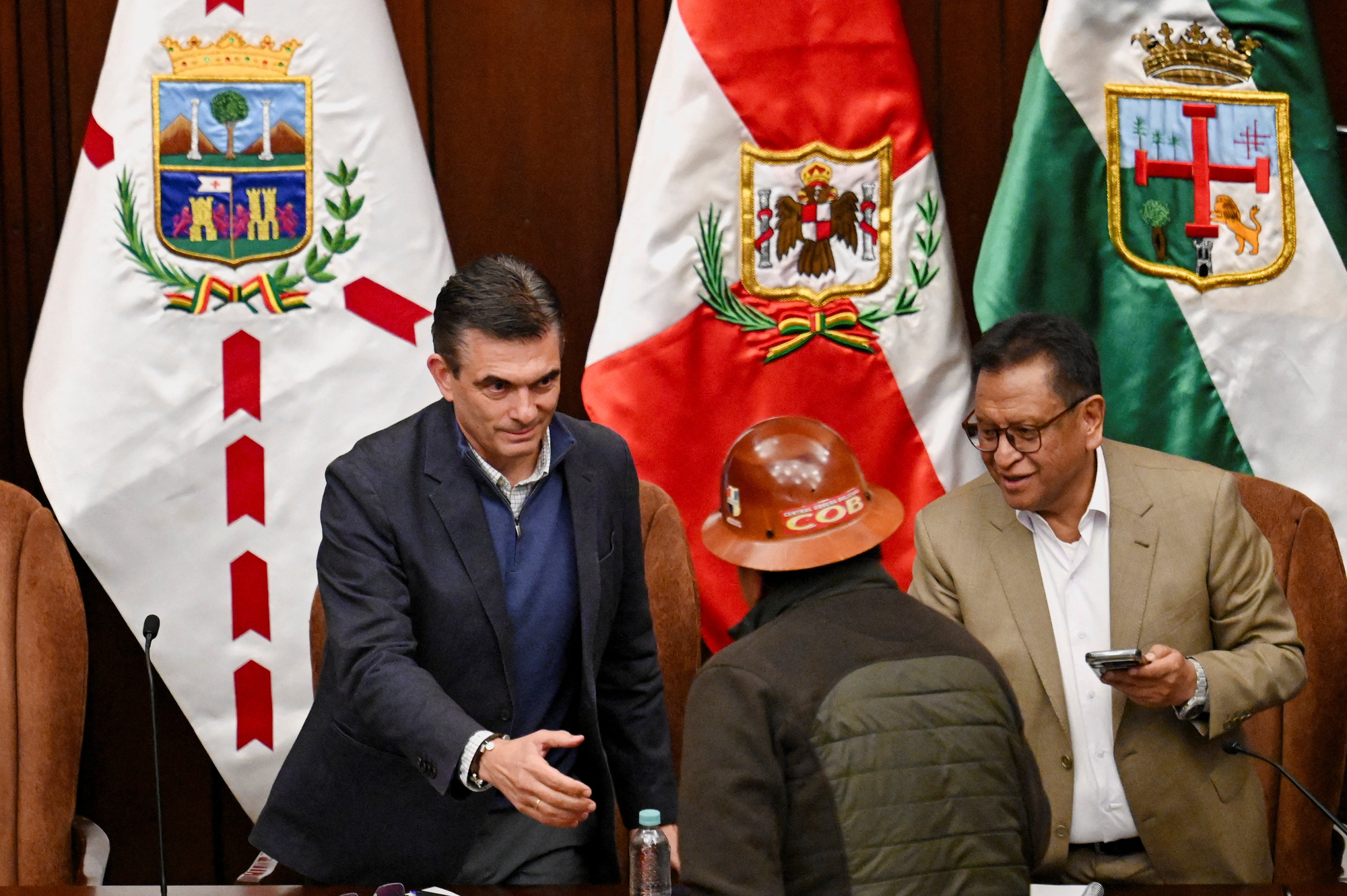
Bolivia's June 20, 2026 state of emergency declaration represents a critical supply chain inflection point for cross-border sellers operating in or sourcing from Latin America. President Rodrigo Paz authorized military deployment to clear 50-day blockades that have paralyzed food, fuel, and pharmaceutical distribution across South America's key production corridors, particularly in Cochabamba. The crisis originated from Paz's May decision to eliminate two-decade-old fuel subsidies—a fiscal austerity measure tied to IMF negotiations—triggering labor unrest and broader economic instability. Bolivia now faces 40-year-high inflation, depleted foreign currency reserves, and plummeting natural gas exports, creating a perfect storm for sellers managing inventory, pricing, and logistics in the region.
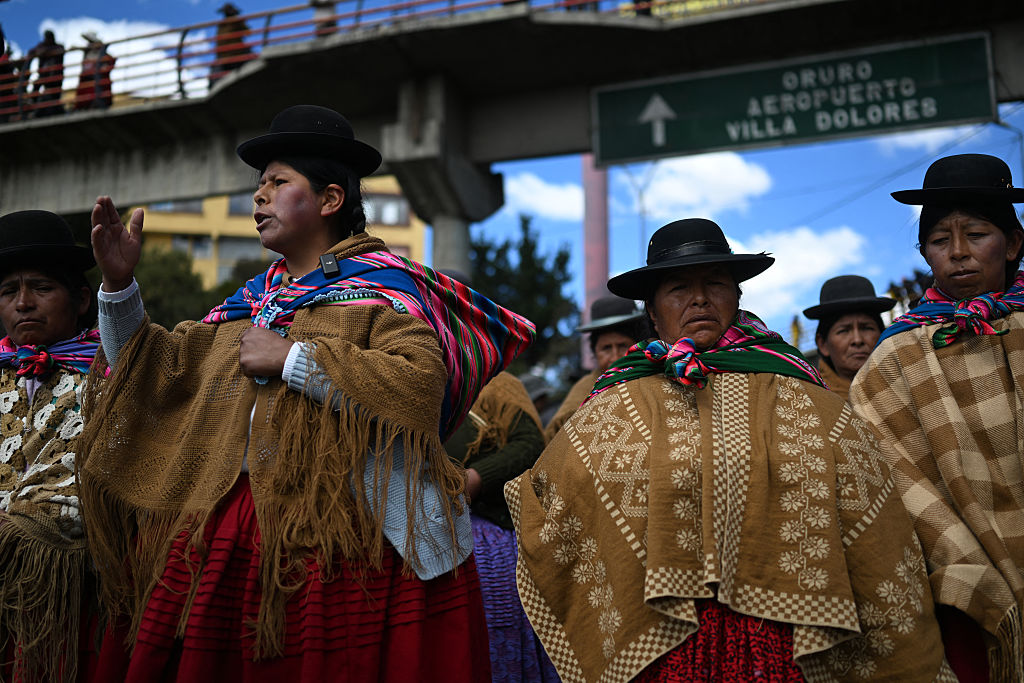
For cross-border sellers, this crisis creates three distinct operational impacts: First, sourcing disruption risk affects sellers procuring food products, pharmaceuticals, and natural resource-based goods from Bolivia or neighboring countries dependent on Bolivian supply chains. The 50-day blockade has created critical shortages of essential goods, meaning suppliers cannot fulfill orders reliably. Second, currency and payment volatility is acute—Bolivia's dollar shortage and inflation at 40-year highs mean sellers accepting Bolivian currency face severe devaluation risk, while sellers pricing in USD face demand destruction as local purchasing power collapses. Third, logistics cost escalation is immediate: fuel scarcity and military-controlled roads increase transportation costs 15-25% for shipments through Bolivia or to Bolivian e-commerce platforms. The emergency declaration's 72-hour congressional approval window (as of June 20) creates uncertainty about whether military intervention will actually restore supply chains or escalate confrontations with Morales-aligned rural associations controlling key roads in Cochabamba.
Strategic implications for LATAM sellers: Sellers with inventory in Bolivia or relying on Bolivian suppliers should immediately diversify sourcing to Peru, Chile, or Argentina to mitigate supply risk. Sellers operating on regional marketplaces (Mercado Libre, OLX) serving Bolivian customers face demand compression due to household purchasing power collapse—expect 20-30% order volume decline in non-essential categories (apparel, electronics, home goods) while essential categories (food, medicine, hygiene) see artificial scarcity premiums. The $1.5 billion US economic cooperation deal negotiated by Paz signals potential tariff relief or preferential trade terms for US-Bolivia commerce, creating a 3-6 month window for sellers to establish supply agreements before market stabilization. Sellers should monitor congressional approval of the emergency declaration (72-hour deadline from June 20) and track military clearance progress on key roads—successful clearance could restore supply chains within 2-4 weeks, while escalation could extend disruptions 8-12 weeks.
Questions 7
How do sellers manage inventory and pricing during Bolivia's currency crisis?
Sellers should immediately shift to USD-only pricing on Mercado Libre Bolivia and other regional platforms to avoid currency devaluation losses. For inventory already in-country, consider liquidation at scarcity premiums (20-30% above normal pricing) to convert Boliviano to USD before further devaluation. Sellers with supplier relationships in Bolivia should negotiate payment terms in USD or delay orders until supply chains stabilize. For new inventory sourcing, diversify to Peru, Chile, or Argentina where currency stability is higher and supply chains are unaffected. The crisis creates a 2-3 month window where essential goods command premium pricing—sellers can use this period to rebuild cash reserves before demand normalizes. Monitor inflation rates (currently 40-year high) as an indicator of currency stabilization timeline.
What tariff or trade opportunities emerge from Bolivia's US economic cooperation deal?
The $1.5 billion US economic cooperation deal negotiated by Paz signals potential preferential trade terms or tariff relief for US-Bolivia commerce post-stabilization. Historically, IMF-negotiated austerity packages include trade liberalization components that reduce tariffs on imported goods, creating arbitrage opportunities for US sellers. Sellers should monitor official announcements from Bolivia's Ministry of Trade and the US State Department for tariff schedule changes, particularly in food, pharmaceuticals, and manufactured goods categories. The 3-6 month post-stabilization window (estimated September 2026 onwards) represents a timing opportunity to establish supply agreements before tariff benefits are widely known. Sellers with existing Bolivia operations should prepare tariff compliance documentation and consider pre-positioning inventory to capitalize on potential duty reductions.