


Ukraine Logistics Blockade Signals Global Supply Chain Vulnerability | Cross-Border Sellers Must Diversify Routes
- Crimea isolation demonstrates 71% freight traffic collapse risk; sellers relying on single supply corridors face critical disruption exposure








Overview
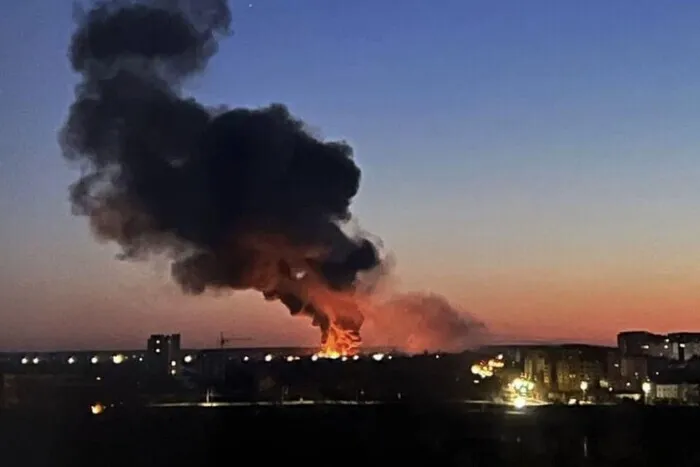
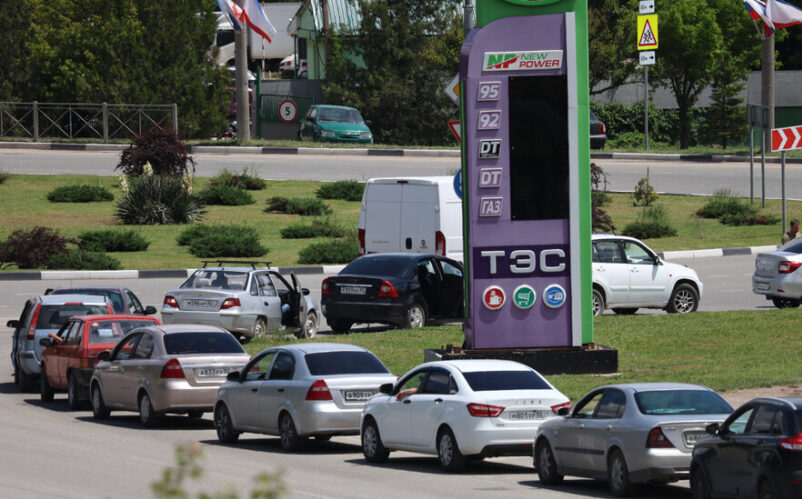
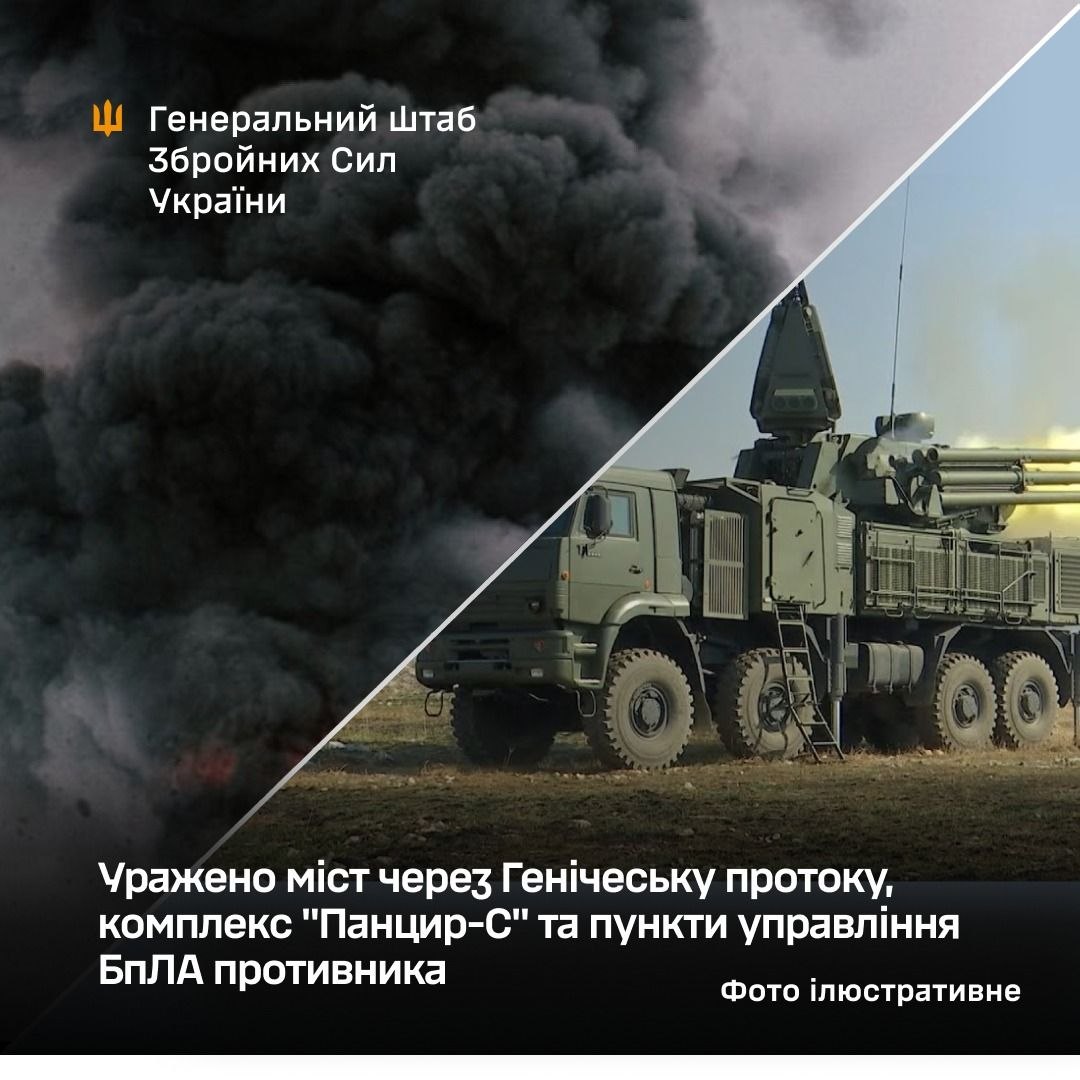
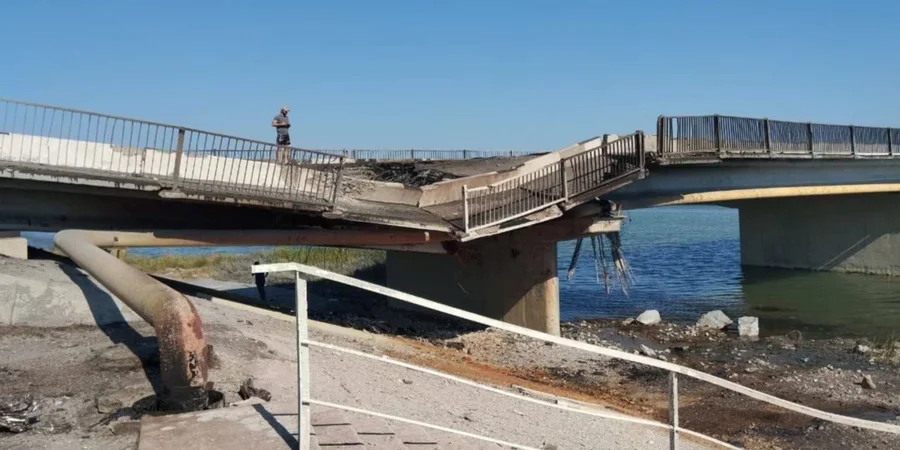
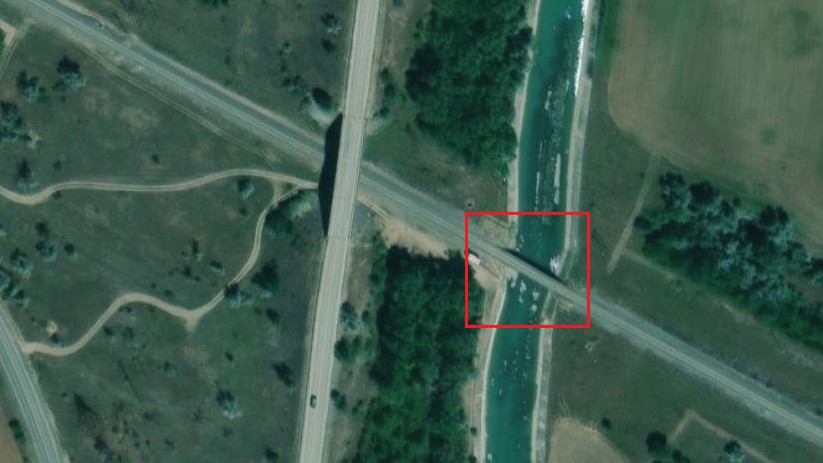
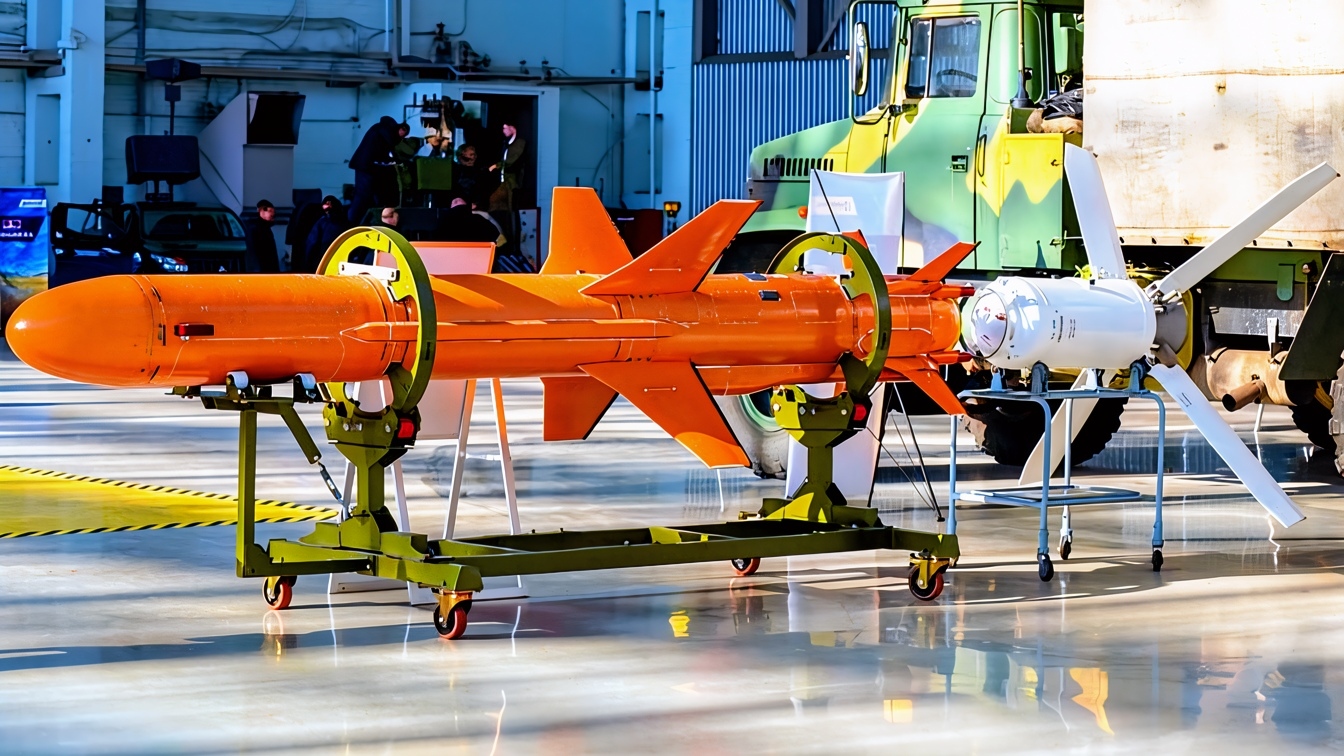
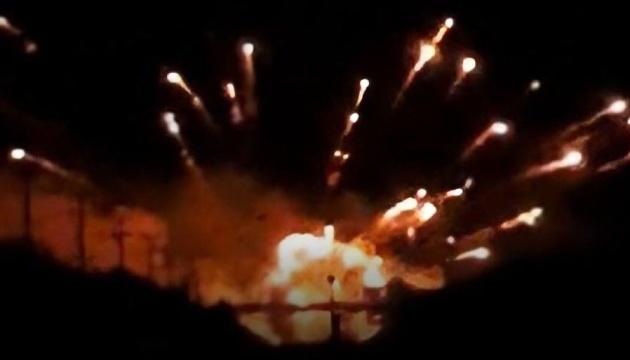
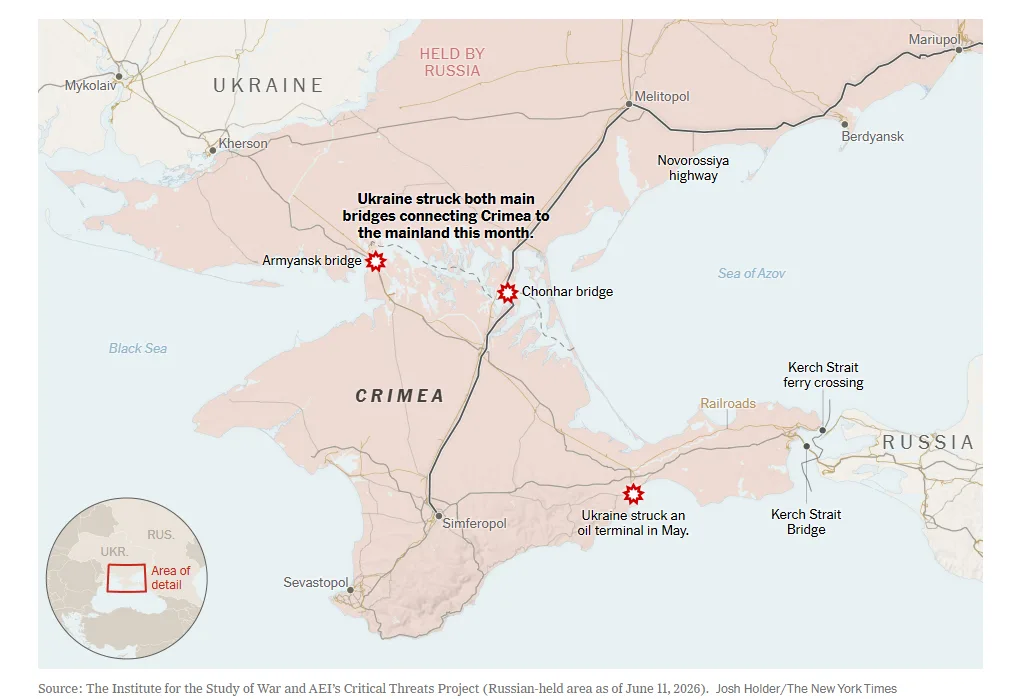
Ukraine's systematic destruction of Russia's logistics infrastructure—rendering the Chonhar Bridge unusable, collapsing M-14 highway freight traffic by 71%, and intensifying drone strikes from 258 (April) to 344 (May) to 215 (mid-June)—reveals a critical vulnerability in global supply chain concentration. While the immediate military context involves Crimea isolation, the underlying logistics principle directly impacts cross-border e-commerce sellers: single-route dependency creates catastrophic disruption risk. The news demonstrates that even heavily militarized supply corridors with alternative routing options (pontoon bridges, rerouting attempts) become "impossible both in theory and in practice" when systematically targeted. For e-commerce sellers, this translates to three operational risks: (1) Manufacturing concentration risk—sellers sourcing from single regions (Eastern Europe, Russia-adjacent suppliers, or any geographically constrained area) face 60-90 day supply gaps if primary logistics routes collapse; (2) 3PL provider vulnerability—fulfillment networks relying on single distribution hubs or corridor-dependent shipping face inventory stranding; (3) Inventory financing exposure—sellers with capital locked in transit inventory during route disruptions face 15-25% margin compression from extended carrying costs. The Institute for the Study of War notes these logistical effects "should mature within weeks if Ukraine maintains current strike tempo," signaling that supply chain shocks can escalate rapidly once infrastructure targeting begins. For sellers, the actionable insight is that geopolitical logistics disruption follows predictable patterns: infrastructure concentration → systematic targeting → rapid route collapse → no viable alternatives. Sellers currently managing inventory through Eastern European suppliers, Russian-origin goods, or any single-corridor-dependent supply chains should immediately model 60-90 day supply interruption scenarios. The 71% freight traffic collapse represents the real-world outcome when alternative routing becomes "impossible in theory and practice"—a condition that can emerge in any geopolitically contested region, not just Crimea. This news serves as a stress-test case study for supply chain resilience: diversification isn't optional for sellers managing high-value inventory or time-sensitive categories.
Questions 8
What immediate actions should sellers take in the next 30 days to mitigate supply chain risk?
Priority actions: (1) Audit all suppliers—identify which are located in Ukraine, Russia, Belarus, or depend on logistics through these regions (by June 15); (2) Contact top 20 suppliers—confirm current lead times and ask about alternative shipping routes (by June 20); (3) Activate backup suppliers—negotiate dual-sourcing agreements or identify alternative vendors in Vietnam, Mexico, India (by June 30); (4) Increase safety stock—adjust inventory targets from 30-45 days to 60-90 days for affected categories (by July 5); (5) Update pricing—model 15-25% cost increases into Q3 2026 pricing (by July 10). Sellers who complete these steps by July 15 will avoid the worst supply disruptions expected in August-September 2026.
How does the 71% freight traffic collapse translate to seller cost impact?
The news reports M-14 highway freight traffic plunged 71%, indicating near-total corridor collapse. For sellers, this translates to: (1) 60-90 day supply delays (vs. normal 14-21 days), adding $15-25K carrying costs per $100K inventory; (2) 10-15% margin compression from extended financing costs; (3) potential stockouts in fast-moving categories, losing 20-40% of seasonal sales. Sellers shipping 1,000+ units monthly should model this scenario: if 40% of inventory is in-transit during a 71% traffic collapse, expect 30-45 day delays and $8-12K in additional carrying costs. Diversification costs 3-5% more in 3PL fees but prevents catastrophic margin loss during disruption events.