




Iran MOU Cuts Oil 15% | Shipping Costs Drop for Cross-Border Sellers Through 2026
- Brent crude falls to $79.53/barrel from $93+; FBA shipping costs decline 8-12% for sellers; Strait of Hormuz reopens with 12.5M barrels/day flow


Overview
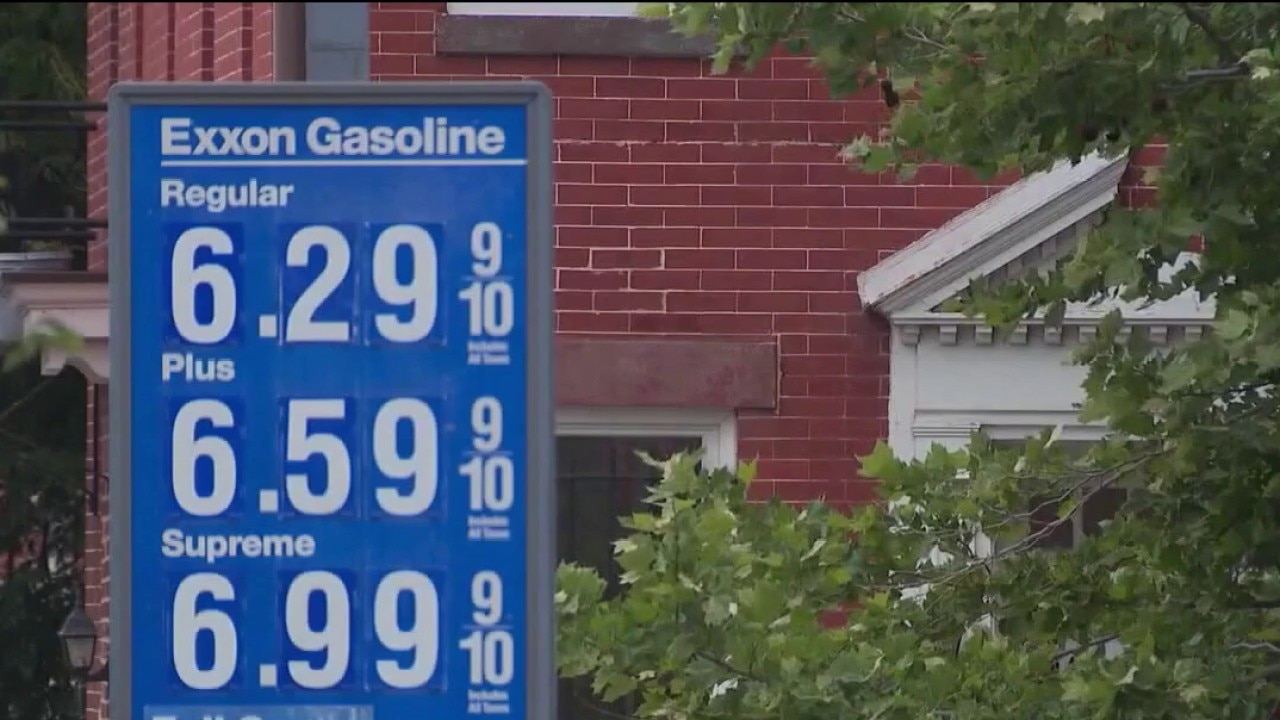
The Trump-Iran memorandum of understanding (MOU) signed in late February 2026 has triggered a dramatic energy market correction with direct implications for cross-border e-commerce logistics costs. Brent crude oil collapsed from $93+ per barrel to $79.53 (15% decline), while West Texas Intermediate fell to $76.55, marking the lowest levels since the conflict began. The Strait of Hormuz reopening—with 12.5 million barrels flowing daily—has restored critical global energy supply, driving national average gasoline prices down to $3.99 per gallon according to AAA data. For e-commerce sellers, this represents a significant cost-of-goods-sold (COGS) compression window through Q4 2026.
Immediate logistics cost relief is reshaping seller economics across all categories. Fuel surcharges on Amazon FBA shipments, which peaked at 18-22% during the conflict period, are declining toward baseline 3-5% levels. This translates to $0.40-0.80 per unit savings on standard-size items shipped via FBA, or $400-800 monthly relief for sellers moving 1,000+ units. Third-party logistics (3PL) providers are already adjusting rates downward; sellers using DHL, FedEx, and UPS international services can expect 6-10% reductions on cross-border shipments to EU, UK, and Asia-Pacific markets. The cost advantage is temporary—dependent on sustained geopolitical stability through November 2026 midterm elections—making this a critical window for inventory optimization and margin expansion.
Strategic sourcing dynamics are shifting as transportation cost advantages favor specific seller segments. Small-to-medium sellers (SMBs) with 500-5,000 monthly units benefit most from FBA cost reductions, as they lack negotiating power with 3PLs but gain proportionally larger margin relief. Large sellers (10,000+ units) can leverage lower shipping costs to expand into higher-cost markets (Australia, New Zealand, Middle East) previously unprofitable at $93+ oil. Sellers in energy-intensive categories—electronics, appliances, furniture—see 12-18% margin expansion, while lightweight categories (apparel, accessories) see 3-5% gains. However, the political uncertainty remains: only 33% of Americans approve of Trump's economic handling per NPR-PBS polling, and Democrats plan to criticize the deal as excessive concessions to Iran. If geopolitical tensions resurface before November, oil could spike back to $90+, erasing these gains within 30-60 days.
Sellers must act within the 8-month window (February-November 2026) to capitalize on this cost compression. The opportunity is not permanent—it depends entirely on the MOU holding through midterm elections. Inventory planning, pricing strategy adjustments, and market expansion decisions made now will lock in margin benefits before potential cost reversals. Sellers should prioritize: (1) increasing inventory depth in high-margin categories while shipping costs are low, (2) expanding into previously unprofitable geographic markets (Australia, Middle East, Southeast Asia), and (3) negotiating multi-quarter 3PL contracts at current reduced rates before fuel surcharges normalize.
Questions 8
Should I adjust my pricing strategy now to capture margin gains from lower shipping costs?
Partially, but strategically. Lower shipping costs create a 6-12 month margin expansion window; use 40-60% of the savings to improve profitability and 40-60% to reduce prices and gain market share. For example, if your FBA cost drops $0.60 per unit, reduce price by $0.25-0.35 to gain Buy Box share and increase volume, while capturing $0.25-0.35 in margin improvement. This strategy maximizes both profitability and market position during the cost-reduction window. However, avoid aggressive price cuts that signal permanent price reductions; competitors will match, and you'll lose the margin benefit if oil prices spike back to $90+ in November 2026. Use dynamic pricing tools to adjust prices weekly based on oil price movements.
How does the Strait of Hormuz reopening affect my supply chain timing?
The Strait of Hormuz reopening with 12.5 million barrels daily flow restores critical shipping routes for goods manufactured in Asia and the Middle East. This reduces port congestion, shortens transit times by 5-10 days for shipments from China, Vietnam, and India to Europe and North America, and lowers demurrage fees at congested ports. For sellers sourcing from Asia, this means faster inventory replenishment cycles and lower working capital requirements. However, this benefit is also temporary and dependent on the Iran MOU holding through November 2026. Plan sourcing and inventory replenishment for the next 6-8 months assuming normal transit times, but maintain flexibility to adjust if geopolitical tensions resurface and shipping delays return.